
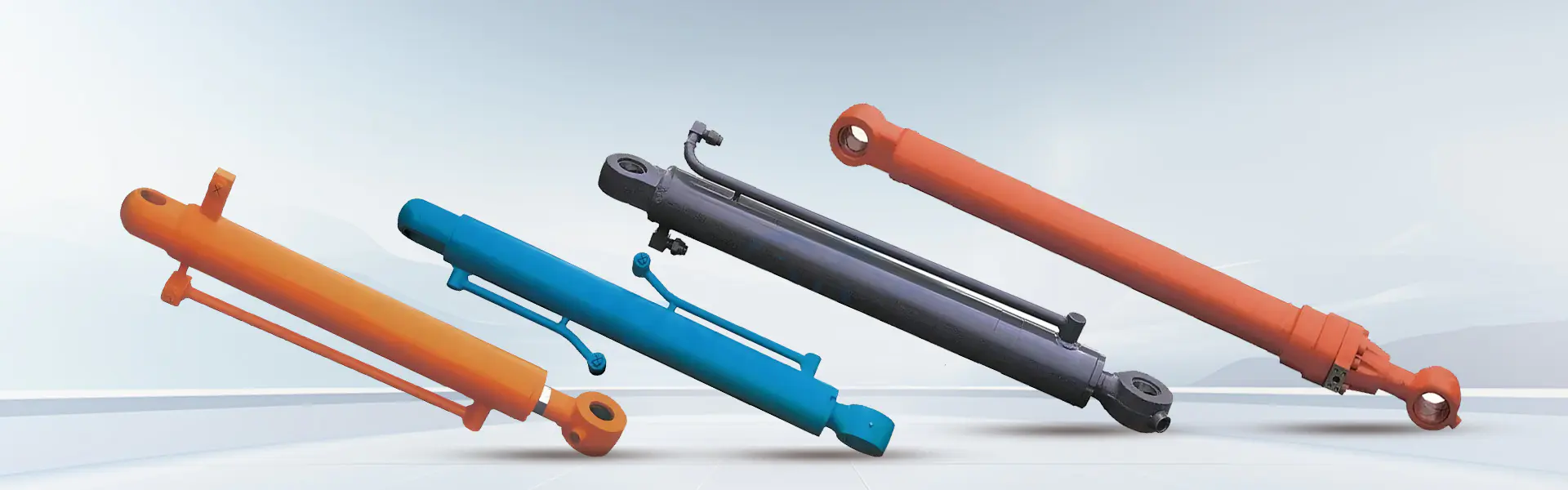
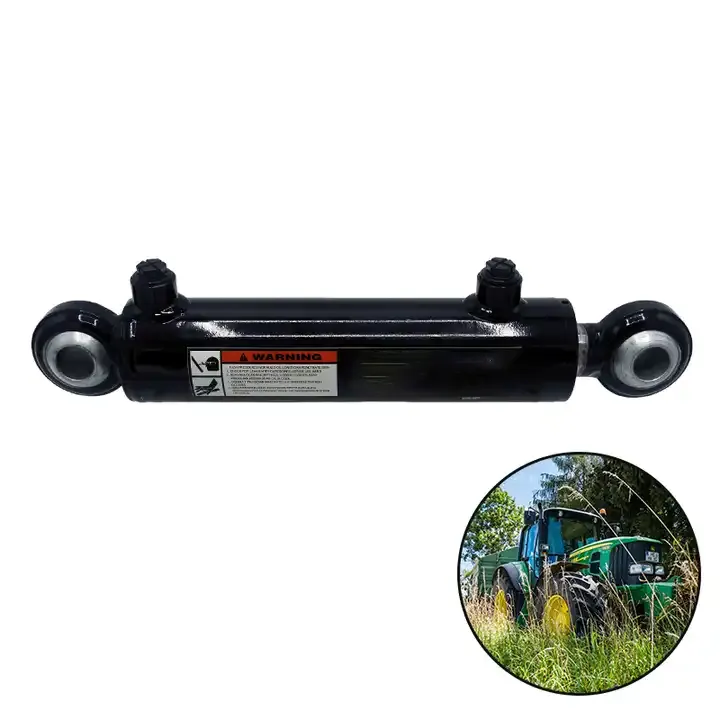
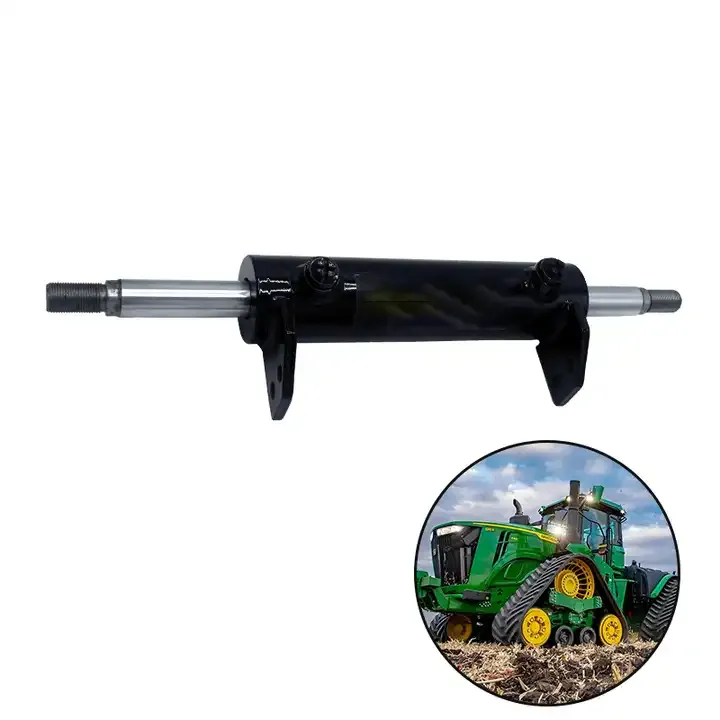
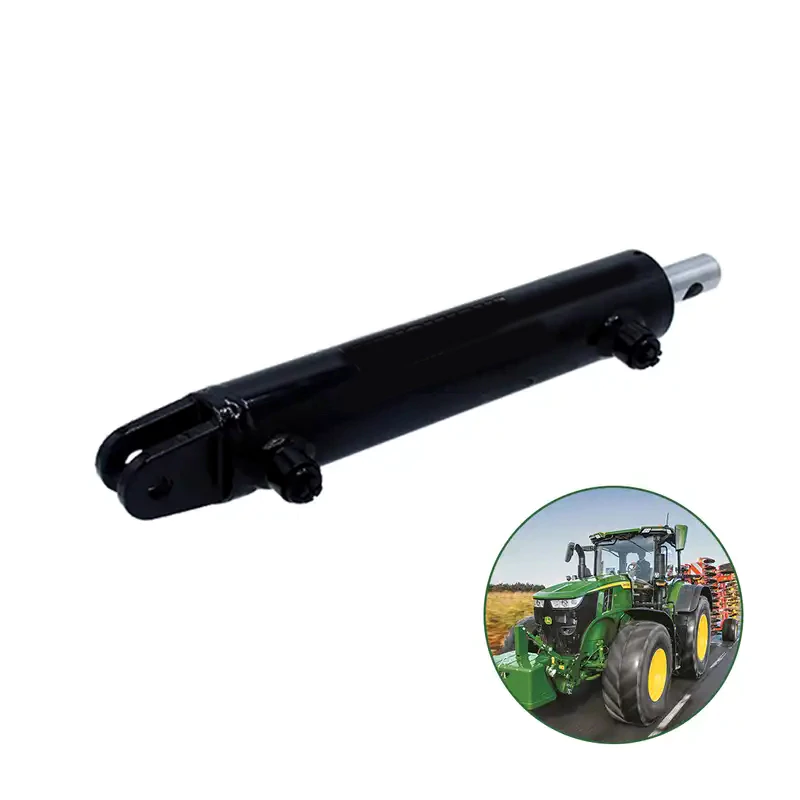
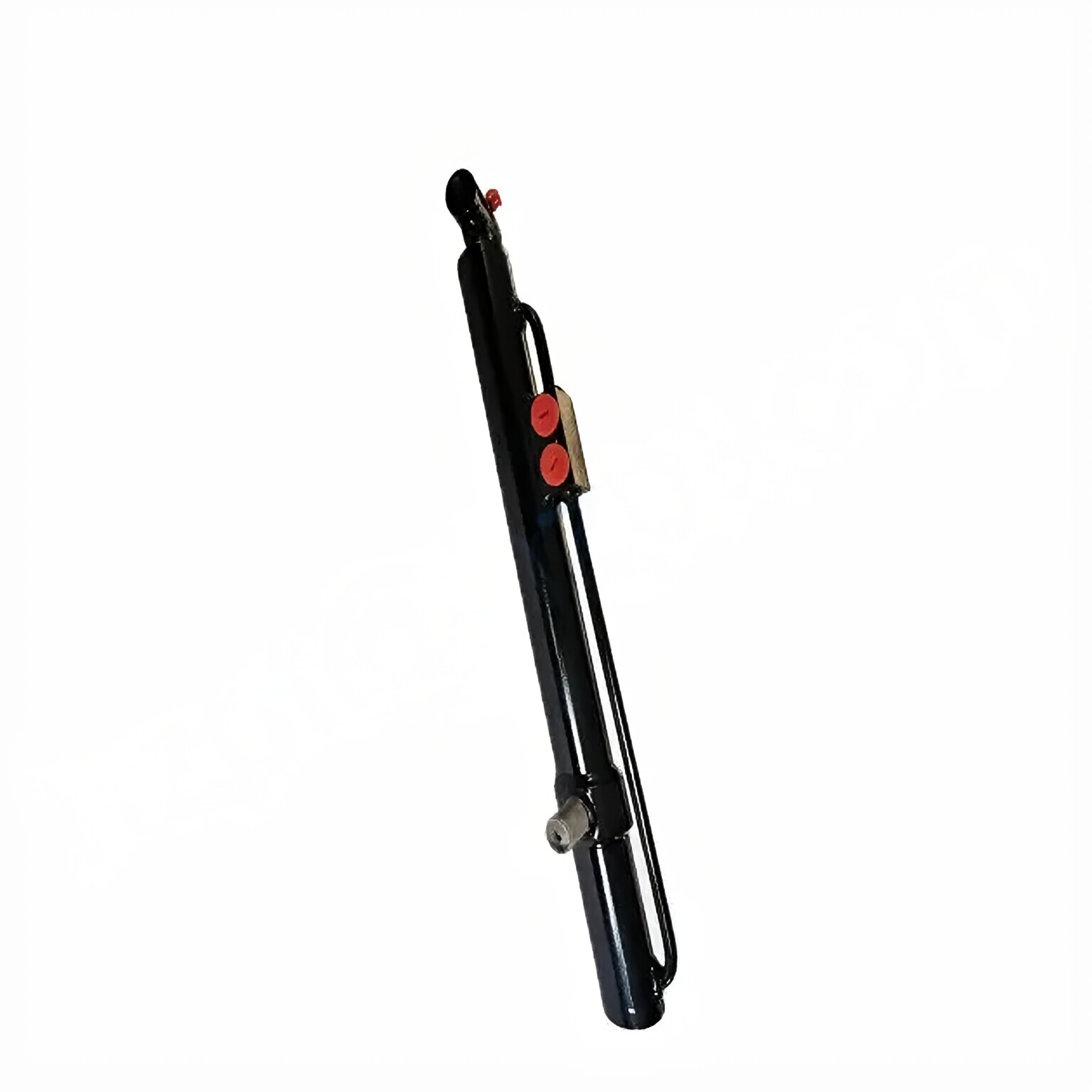
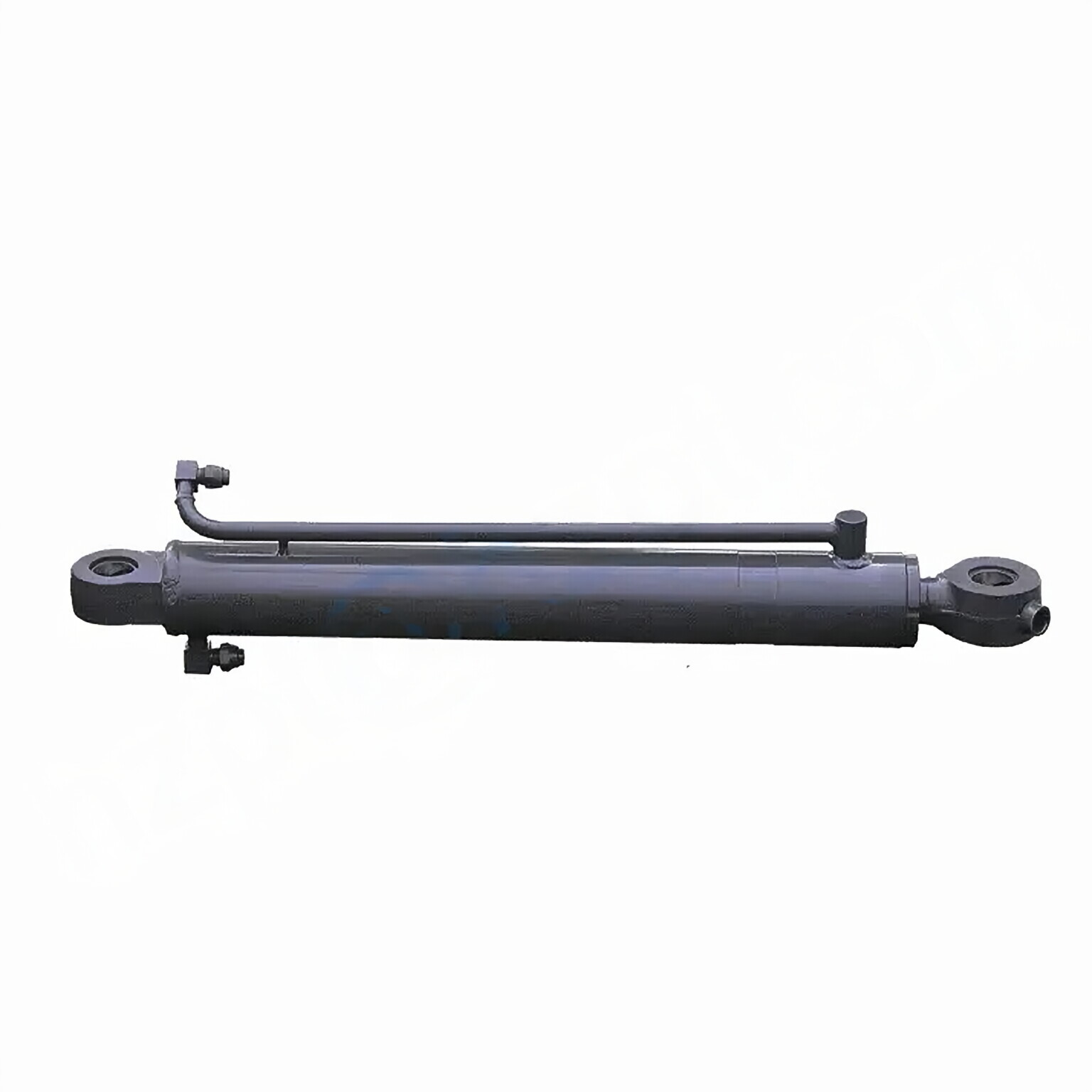
In the demanding world of modern agriculture, efficiency and reliability are paramount. At the core of countless critical farming operations—from plowing and harvesting to baling and material handling—lies a powerful yet often overlooked component: the Agricultural Machinery Hydraulic Cylinder. These robust actuators are responsible for converting hydraulic fluid power into the linear mechanical force and motion that powers essential machinery functions. A failure in this component can lead to costly downtime during crucial periods like planting or harvest. Therefore, selecting high-performance, durable cylinders is not just a maintenance decision; it's a strategic investment in farm productivity and operational continuity.
Raydafon Group has been at the forefront of hydraulic innovation for decades, engineering cylinders that are built to withstand the harshest agricultural environments. Our commitment to precision engineering, superior materials, and rigorous testing ensures that every cylinder delivers consistent power, leak-free operation, and an extended service life, maximizing your return on investment season after season.
Raydafon Group's agricultural machinery hydraulic cylinders are engineered with a focus on durability, efficiency, and easy integration. We understand that farm equipment operates under extreme stress, involving high loads, shock pressures, and exposure to contaminants like dust, moisture, and chemical residues. Our design philosophy addresses these challenges head-on.
To facilitate the proper selection and integration of our cylinders, below are the detailed technical specifications for our standard series. Custom configurations are available to meet unique application requirements.
| Model Series | Bore Diameter (mm/in) | Rod Diameter (mm/in) | Standard Stroke Range (mm/in) | Maximum Operating Pressure (Bar/PSI) | Mounting Style | Seal Kit Standard |
|---|---|---|---|---|---|---|
| RA-AG40 | 40 - 100 / 1.57 - 3.94 | 20 - 56 / 0.79 - 2.20 | Up to 500 / 19.69 | 160 / 2320 | Clevis, Flange | NBR (Standard) |
| RA-AG63 | 63 - 140 / 2.48 - 5.51 | 32 - 90 / 1.26 - 3.54 | Up to 1000 / 39.37 | 200 / 2900 | Trunnion, Flange, Side Lugs | NBR/PU Combination |
| RA-AG100 | 100 - 200 / 3.94 - 7.87 | 56 - 140 / 2.20 - 5.51 | Up to 1500 / 59.06 | 250 / 3625 | Flange, Pivot, Custom | PU/Viton® (Heavy-Duty) |
| RA-AGC (Telescopic) | 60 - 150 (Stage 1) / 2.36 - 5.91 | Multi-Stage Design | Up to 4000 / 157.48 (Collapsed Length Optimized) | 180 / 2610 | Foot, Flange | Specialized Multi-Stage Seals |
The versatility of Raydafon hydraulic cylinders makes them indispensable across a wide array of agricultural equipment.
What are the most common signs of hydraulic cylinder failure in farm equipment?
Common indicators include visible external hydraulic fluid leaks around the rod seal or gland, a cylinder that drifts or will not hold a load under pressure (internal leakage), a scored or pitted chrome rod surface, jerky or uneven movement during operation, and excessive play or looseness in the mounting points. If you notice any of these signs, it is advisable to inspect and service the cylinder promptly to avoid further system damage.
How often should agricultural hydraulic cylinders be serviced or maintained?
Preventive maintenance schedules vary based on usage intensity and operating conditions. As a general guideline, a visual inspection for leaks and rod damage should be performed before and after each major season (e.g., planting, harvest). A more thorough inspection, including checking mountings and wiper seals, should be done annually. Complete seal replacement and reconditioning are typically recommended every 2,000 to 5,000 operating hours, or immediately if any performance issues are detected. Raydafon Group provides detailed maintenance manuals with each product.
Can I replace just the seals in my cylinder, or do I need a whole new unit?
In most cases, a worn cylinder can be economically rebuilt by replacing the seal kit, provided the barrel and piston rod are not severely damaged. Raydafon Group offers genuine, application-specific seal kits for all our cylinder models. Rebuilding with OEM parts restores performance and is often more cost-effective than cylinder replacement. However, if the barrel is deeply scored or the rod is bent or badly corroded, a new cylinder or major component replacement may be necessary.
What is the difference between a single-acting and double-acting hydraulic cylinder, and which is used in agriculture?
A single-acting cylinder uses hydraulic pressure to move the piston in one direction only (extend or retract), with an external force (like a spring or gravity) returning it. A double-acting cylinder uses hydraulic pressure to both extend and retract the piston, providing positive control in both directions. The vast majority of agricultural machinery hydraulic cylinders are double-acting, as they provide precise, powered control for lifting, lowering, and positioning heavy implements regardless of orientation.
How do I select the right cylinder bore and rod size for my application?
Selection is based on the force requirement, operating pressure, and duty cycle. The bore size determines the theoretical force output (Force = Pressure x Piston Area). The rod diameter must be sized to withstand the compressive load during pushing strokes without buckling (column strength). Rod size also affects retraction speed and force. It is critical to consider both static and dynamic (shock) loads. Raydafon Group's engineering team can assist with these calculations to ensure optimal and safe cylinder selection for your specific machine and task.
Why choose Raydafon Group cylinders over other brands?
Raydafon Group distinguishes itself through decades of specialized experience in off-highway and agricultural hydraulics. Our cylinders are not generic industrial units; they are purpose-built for agricultural challenges. We use superior-grade materials, subject components to 100% pressure testing, and employ advanced sealing geometries. Furthermore, we offer extensive technical support, detailed documentation, and a global supply chain for both OEM integration and aftermarket replacement, ensuring you get a reliable product and the support to keep it running.
What should I do if my cylinder's rod becomes scored or damaged?
A damaged rod can quickly destroy rod seals, leading to leaks and contamination. Minor surface scratches can sometimes be polished out, but deeper scoring, pitting, or bending requires professional attention. Raydafon Group offers rod reconditioning services, including re-chroming and grinding, or can supply replacement rods. Continued use with a damaged rod is not recommended as it will lead to seal failure and potentially introduce abrasive metal particles into your entire hydraulic system.

 Raydafon