
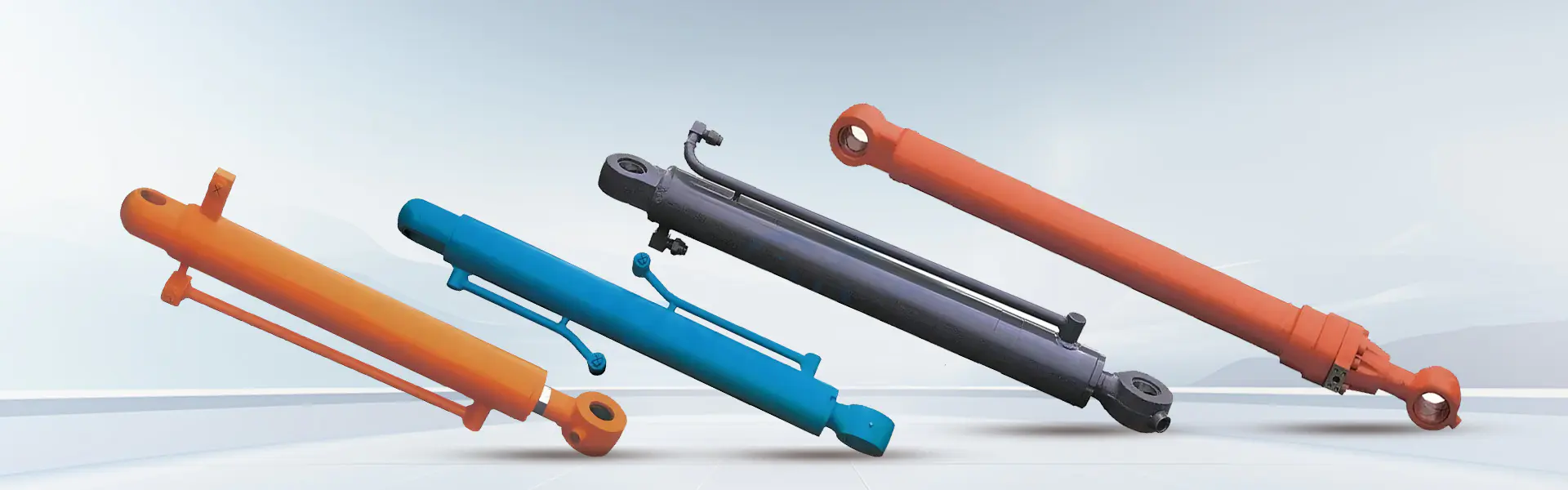
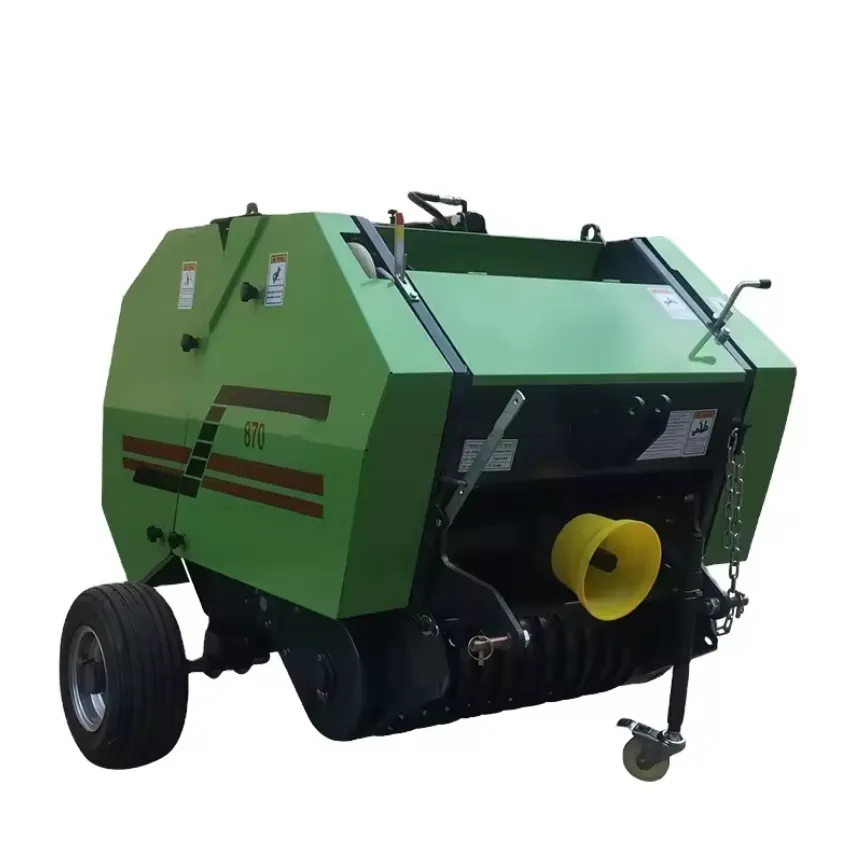
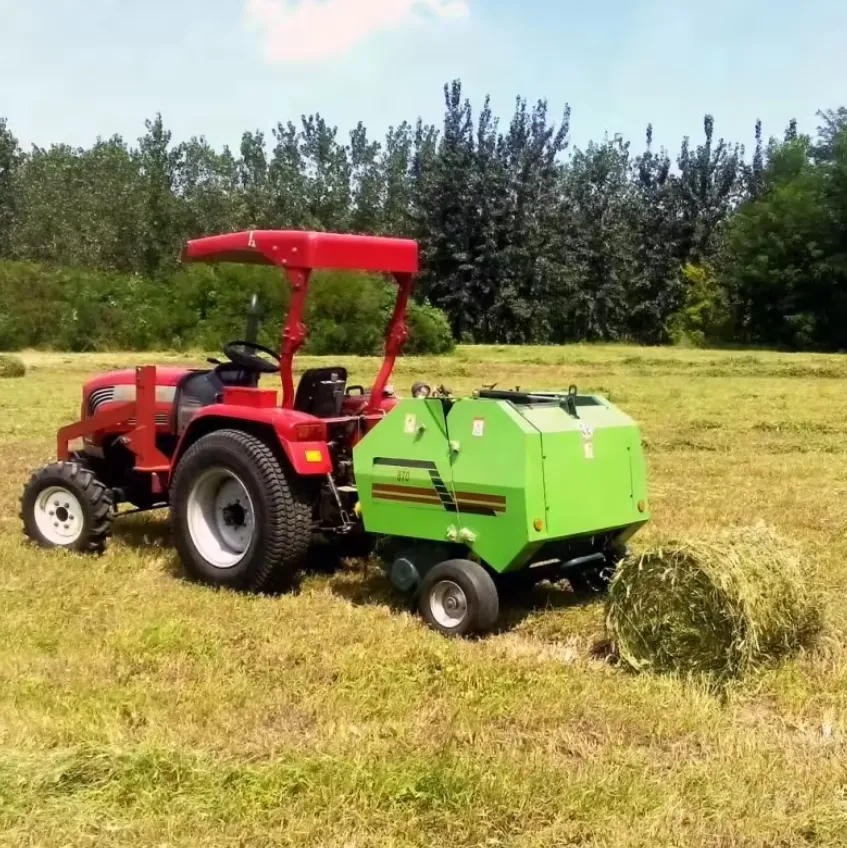
For farmers and agricultural operations managing smaller acreages, finding efficient and cost-effective haymaking solutions has long been a challenge. Enter the Mini Round Baler, a compact yet powerful machine designed to transform small-scale forage harvesting. Unlike its larger, more cumbersome counterparts, the mini round baler offers the perfect blend of affordability, ease of use, and reliable performance. At Raydafon Group, we have engineered our mini balers to deliver exceptional value, ensuring that every farmer, homesteader, or livestock owner can achieve high-quality baling without the need for massive tractors or excessive capital investment. This guide delves into the specifics of what makes a modern mini round baler an indispensable tool.
The primary appeal of a mini round baler lies in its targeted design. It addresses specific pain points for smaller operations:
Understanding the technical parameters is crucial for making an informed decision. Below are the detailed specifications for our flagship Raydafon Group MRB Series. These specs highlight the engineering precision we build into every unit.
| Parameter | Model MRB-120 | Model MRB-150 | Model MRB-180 |
|---|---|---|---|
| Minimum Tractor HP Required | 18 HP | 25 HP | 35 HP |
| Working Width | 1.2 meters (47 inches) | 1.5 meters (59 inches) | 1.8 meters (71 inches) |
| Finished Bale Diameter | 0.8 - 1.0 meter (31" - 39") | 0.9 - 1.2 meters (35" - 47") | 1.0 - 1.4 meters (39" - 55") |
| Finished Bale Weight (approx.) | 40 - 60 kg (90 - 130 lbs) | 60 - 90 kg (130 - 200 lbs) | 90 - 140 kg (200 - 310 lbs) |
| Bale Density Control | Manual Tension Adjustment | Hydraulic Tension Control | Hydraulic Tension Control |
| Pickup Type | Spring-Tooth Pickup with adjustable height | ||
| Knotter System | Reliable German-engineered twin-knotter (Twine) | ||
| PTO Speed Requirement | 540 rpm | ||
| Estimated Capacity (per hour) | 40-60 bales | 35-50 bales | 30-45 bales |
| Net Weight of Baler | 420 kg (925 lbs) | 580 kg (1275 lbs) | 750 kg (1650 lbs) |
What is the main difference between a mini round baler and a standard large round baler?
The differences are primarily in scale, power requirement, and output. A mini round baler is physically smaller, requires a lower-horsepower tractor (often as low as 18 HP), and produces smaller, more manageable bales typically weighing between 40-140 kg. Large balers need 50+ HP tractors and produce bales weighing 300-900 kg. The mini baler is designed for smaller fields, tighter budgets, and easier handling by limited manpower.
Can a mini round baler handle wet or tough crops?
While designed primarily for dry hay and straw, a robust mini baler like those from Raydafon Group can handle slightly damp or tougher grasses, but with caution. Baling overly wet material increases bale weight dramatically, risks mold formation, and puts excessive strain on the baler's driveline and tension systems. It is always recommended to bale at the correct moisture content (ideally below 18%) for optimal preservation and machine longevity.
How do I choose the right model for my tractor?
First, know your tractor's reliable PTO horsepower. Match this to the baler's minimum required HP. Second, consider your typical bale size preference and storage/handling capabilities. Larger models (like the MRB-180) produce heavier bales requiring more effort to move. Third, assess your average field size and windrow size. A wider pickup (on the MRB-150/180) is more efficient in larger, heavier windrows.
Is it difficult to operate and maintain a mini round baler?
No, one of their key benefits is operational simplicity. Most controls are straightforward, often involving just the tractor's hydraulics to raise/lower the pickup and open the gate. Maintenance is mostly periodic greasing of bearings, checking chain/belt tension, and keeping the knotter clean. Raydafon Group provides comprehensive manuals and maintenance schedules with each unit.
What type of twine should I use, and how much twine per bale can I expect?
We recommend using a standard sisal or synthetic baler twine of medium grade (approximately 15,000-17,000 psi tensile strength). Using excessively cheap or thick twine can cause knotter malfunctions. On average, a mini round baler will use between 4 to 6 meters of twine per bale, depending on the final bale diameter and density setting.
Can I use a mini round baler on a hilly or sloped terrain?
Caution is advised. While their compact size offers better stability than larger machines, operating any baler on significant slopes can be hazardous. It can affect the even distribution of crop inside the chamber, leading to misshapen bales. Always operate up and down the slope, not across it, and ensure your tractor is appropriately weighted for safety.
How does the bale density control work, and why is it important?
Density control determines how tightly the hay is packed. Manual systems use a mechanical adjuster to change pressure on the belts. Hydraulic systems (on higher-end models) allow on-the-go adjustment from the tractor seat. Proper density creates a stable, weather-shedding bale that retains nutrients and reduces spoilage. Too loose, and the bale may fall apart; too tight, and it may be difficult for livestock to eat.
What kind of warranty and support does Raydafon Group offer?
Raydafon Group stands behind the durability of our mini round balers. We offer a standard 2-year limited warranty on the main frame and a 1-year warranty on all moving parts and components against manufacturing defects. Our global dealer network provides access to genuine spare parts, and our technical support team is available for troubleshooting advice.
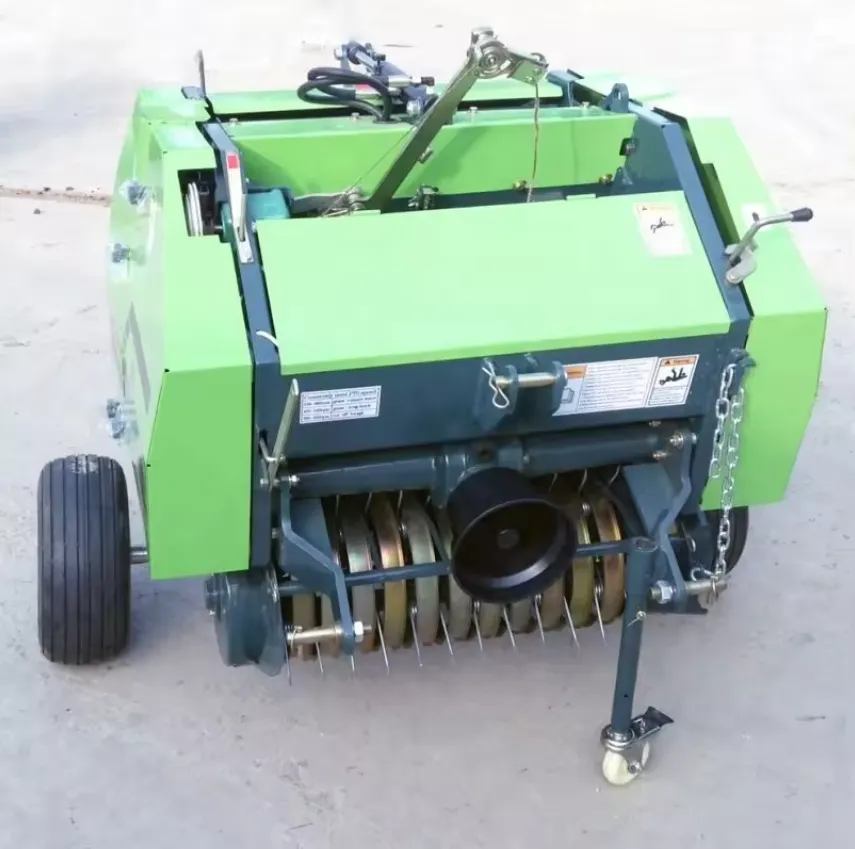
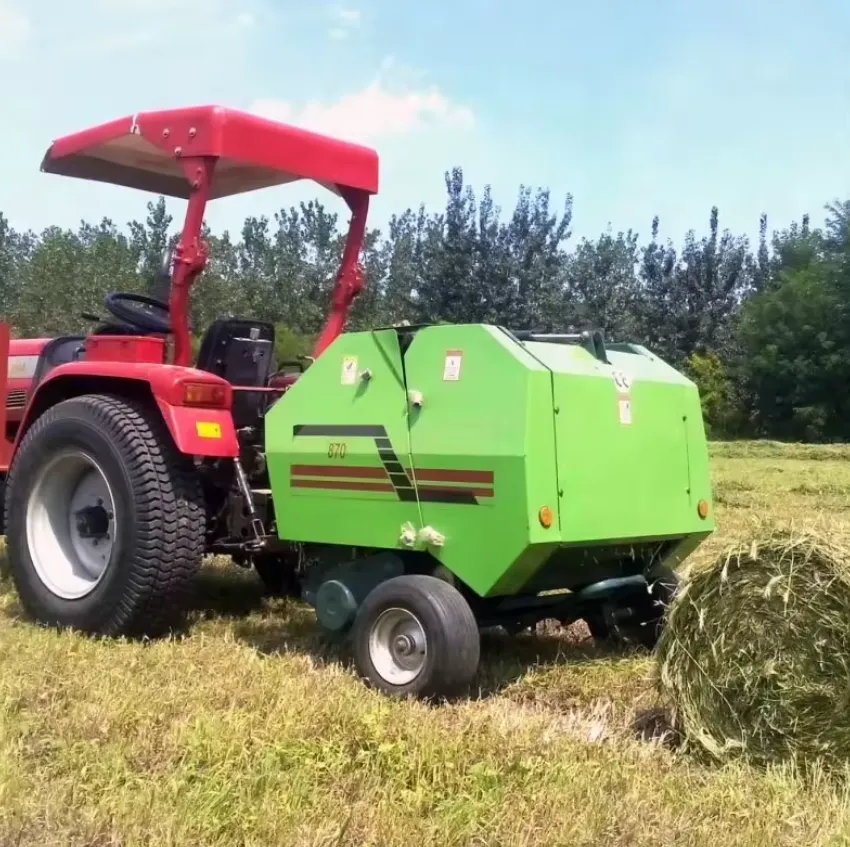
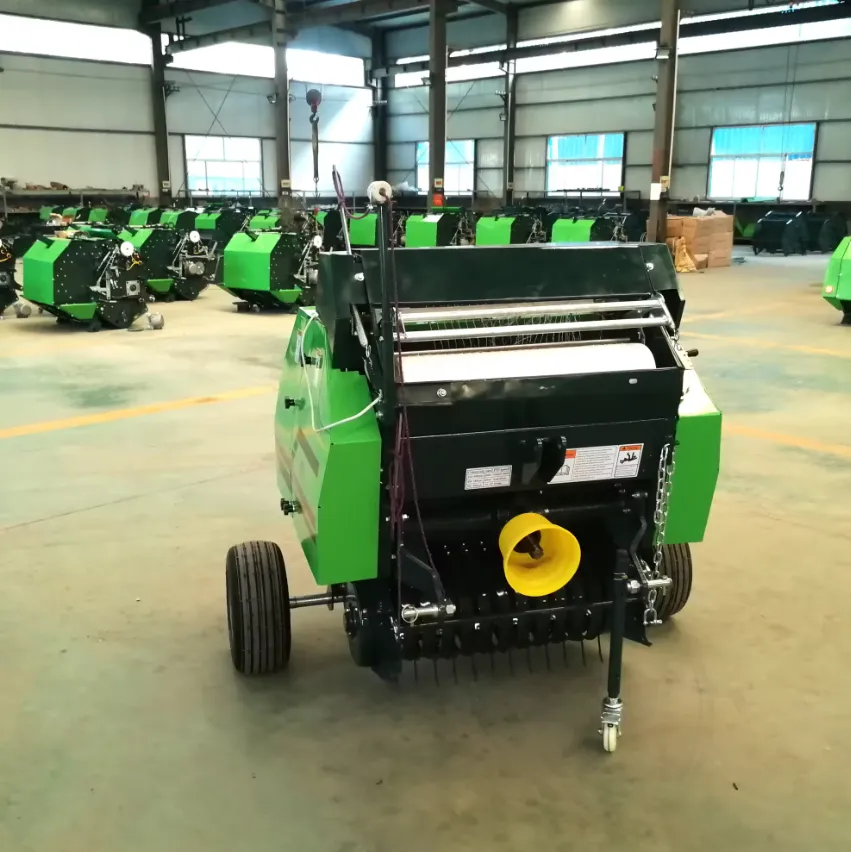
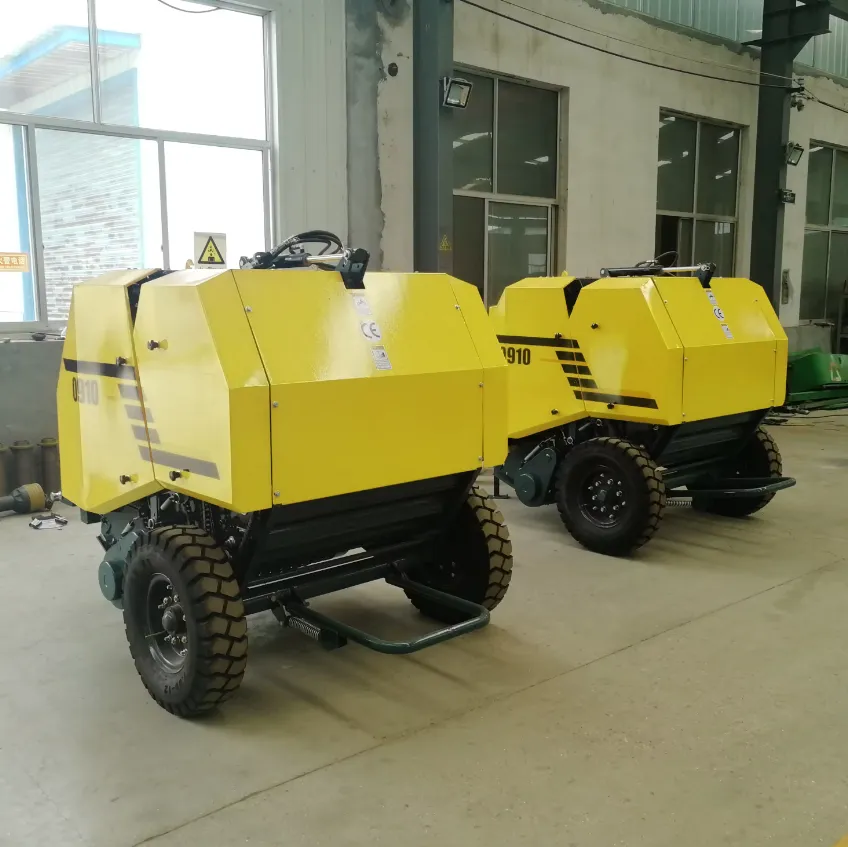
Beyond specifications, it's the built-in features that ensure day-in, day-out reliability.
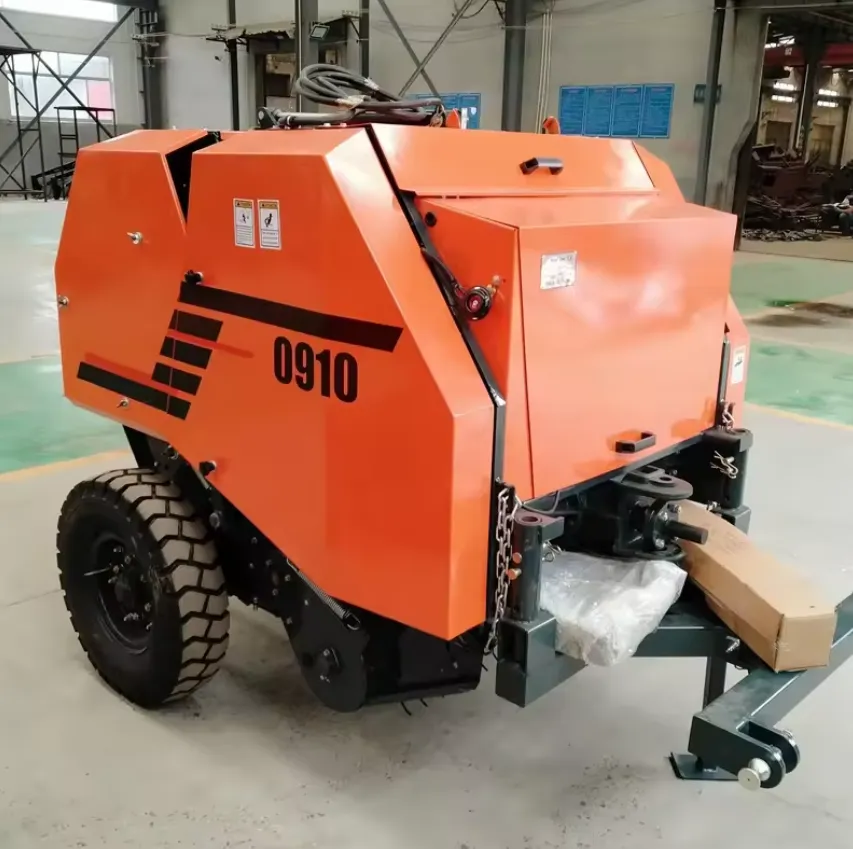
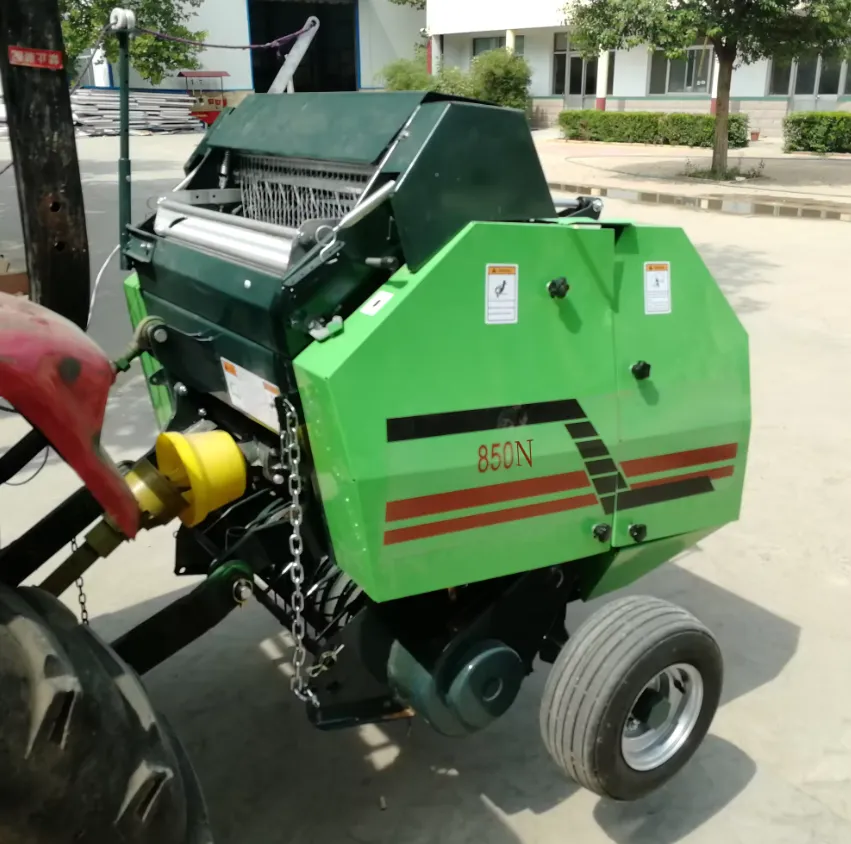
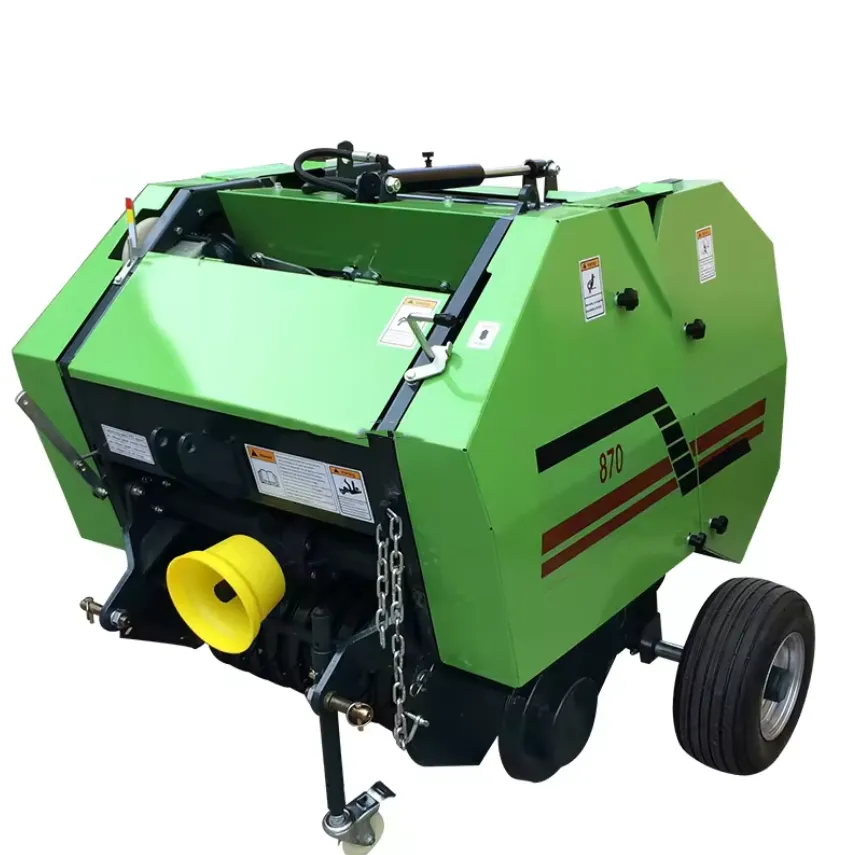

 Raydafon