
In the world of power transmission and mechanical assembly, achieving a secure, concentric, and easily serviceable connection between a shaft and a component like a pulley, gear, sprocket, or coupling is paramount. This is where the ingenious engineering of Split Taper Bushings comes into play. Also commonly known as split taper bushes or simply taper lock bushes, these components are a cornerstone of modern machinery design. They provide a robust and reliable clamping method that eliminates the need for complex machining of the mounted component, such as creating keyways or set screw holes directly on the part. Instead, the bushing itself handles the torque transmission and locking force.
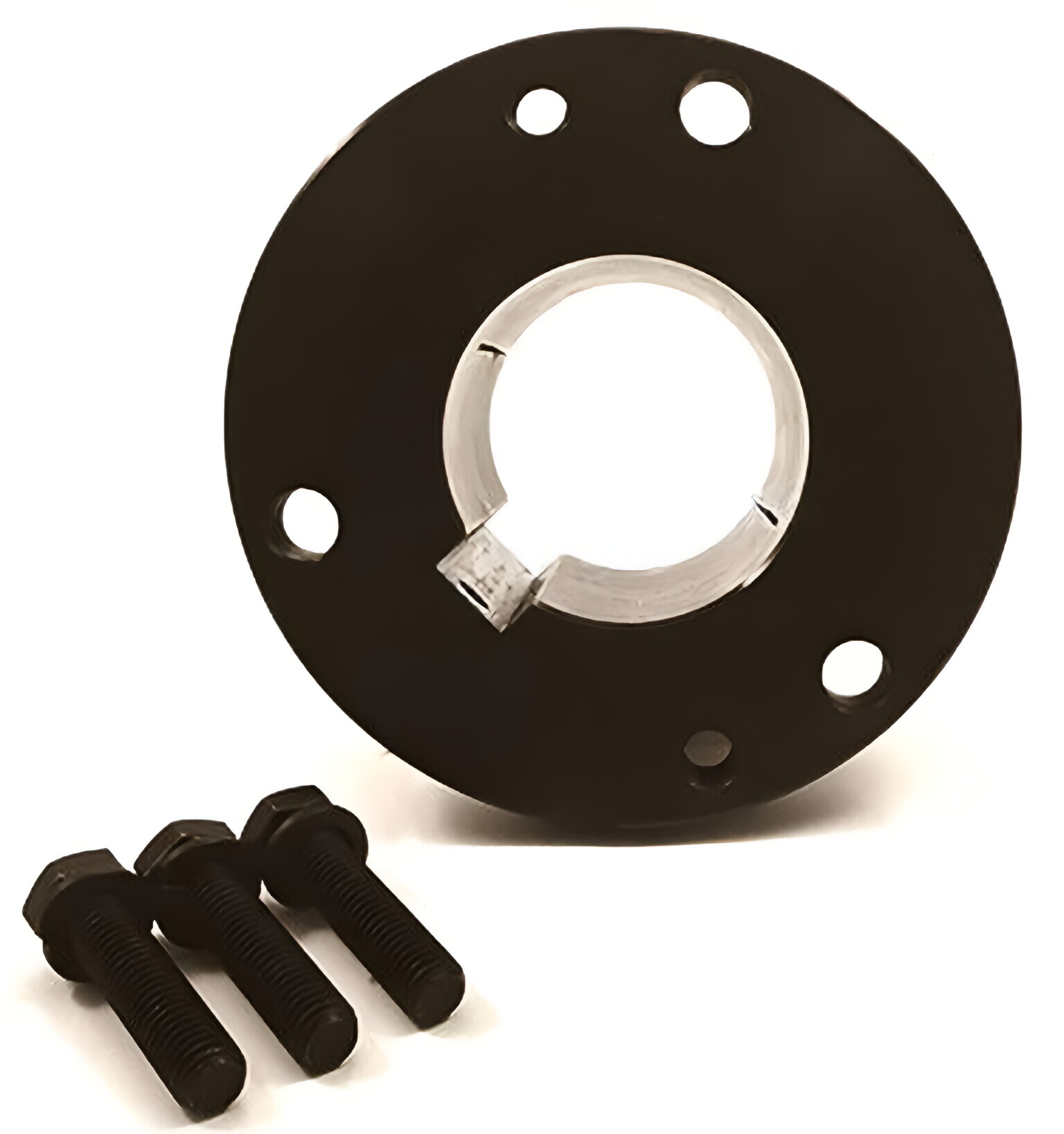
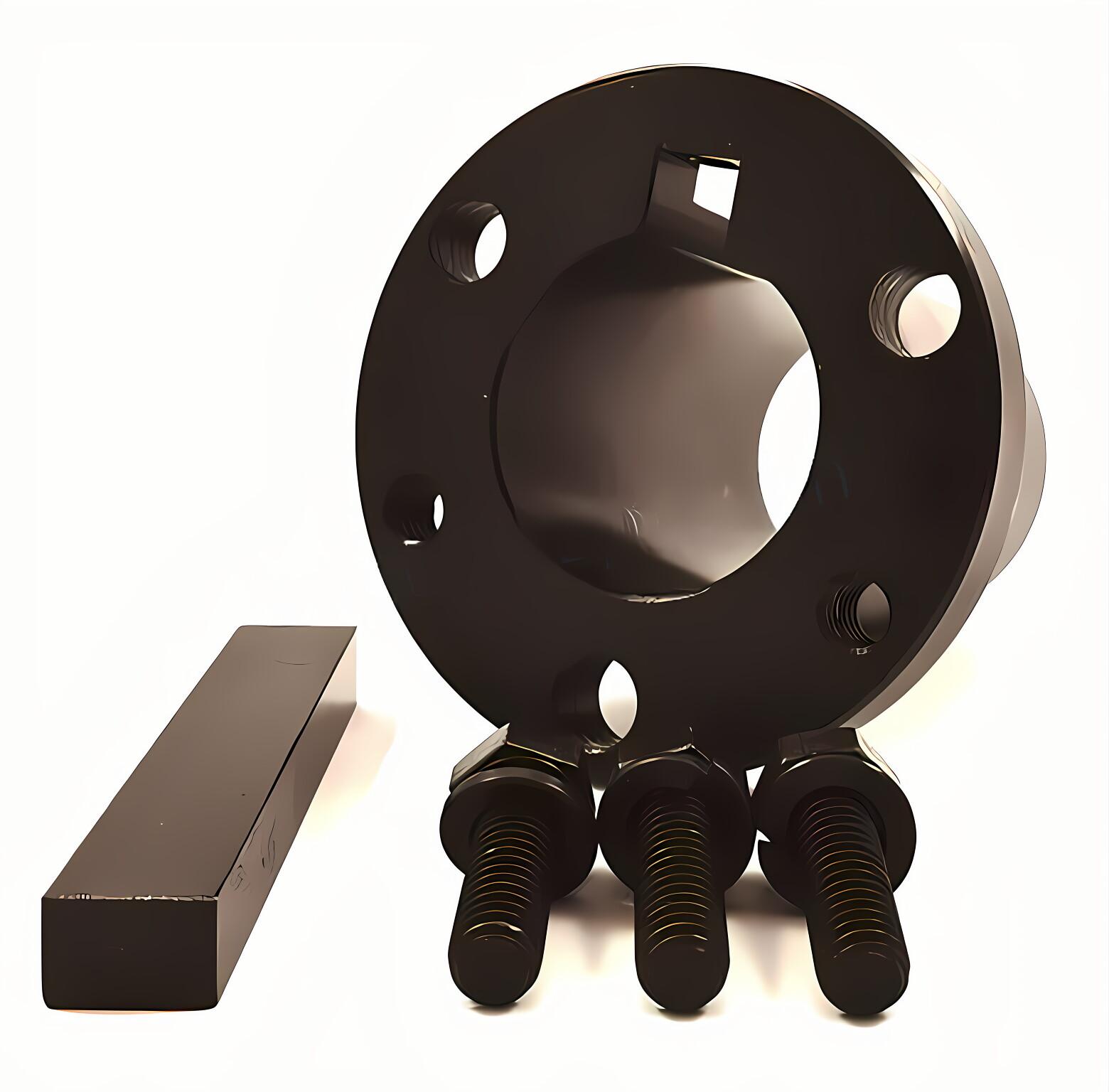
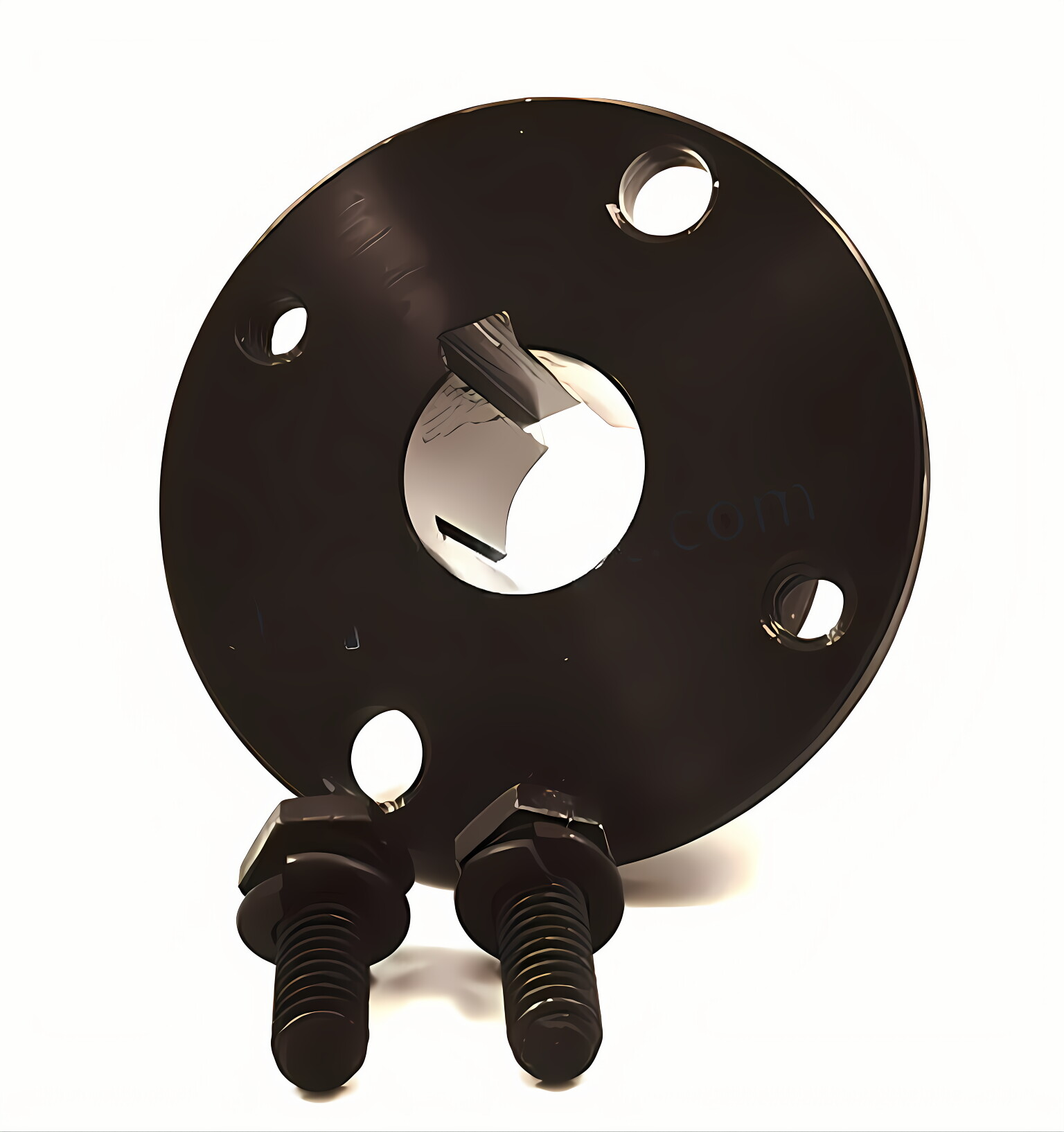
A split taper bushing is a conical, hollow steel sleeve that is split along its length. This split, or gap, is the key to its function. The bushing is inserted into a similarly tapered bore of the host component. When the bushing's locking screws are tightened, the bushing is drawn into the tapered seat. Because it is split, it compresses uniformly inward, gripping the shaft with immense radial force while simultaneously expanding outward to lock securely into the bore of the component. This creates a true, friction-based connection that is free of backlash and capable of handling high torque and reversing loads.
The advantages are clear: simplified inventory, as one bushing size can fit a range of shaft and bore diameters; easy installation and removal without specialized tools or damage to the shaft; and exceptional repeatability in positioning. For industries ranging from agriculture and mining to food processing and material handling, split taper bushings from a trusted manufacturer like Raydafon Group are the go-to solution for efficient and dependable power transmission.
Raydafon Group manufactures split taper bushings to the highest international standards, ensuring compatibility and performance across a global marketplace. Our product range is extensive, designed to meet the rigorous demands of various applications.
The following table illustrates the detailed specifications for two common bushing sizes. Raydafon Group provides comprehensive technical datasheets for our entire product portfolio.
| Bushing Size | Bore Range (mm) | Outside Diameter "A" (mm) | Length "B" (mm) | Thread Size for Screws | Approx. Weight (kg) | Max. Recommended Torque (Nm) |
|---|---|---|---|---|---|---|
| 1008 | 10 - 18 | 34.0 | 35.0 | M6 | 0.12 | 85 |
| 2517 | 25 - 42 | 75.0 | 78.0 | M10 | 1.45 | 1100 |
Note: Dimensions and specifications are subject to standard manufacturing tolerances. "A" and "B" are common reference dimensions for bushing OD and length. Always consult the official Raydafon Group engineering drawings for critical applications.
Correct installation is critical to achieving the full performance and safety potential of a split taper bushing. Raydafon Group provides detailed instructions with every shipment, but the core steps are outlined below.
Q: What is the main advantage of using a split taper bushing over a traditional key and set screw method?
A: The primary advantage is the creation of a true, friction-fit connection without backlash. A key and set screw rely on point contact and can develop play over time. A split taper bushing provides 360-degree uniform clamping force, ensuring superior torque transmission, better concentricity, and the ability to handle reversing loads. It also protects the shaft from damage caused by set screws and simplifies component interchangeability.
Q: How do I select the correct size split taper bushing for my application?
A: Selection is based on two key measurements: the diameter of your shaft and the bore size of the component you are mounting (e.g., the pulley). The bushing size (like 2517) corresponds to a range of shaft and bore diameters it can accommodate. Always refer to the manufacturer's sizing chart. Raydafon Group provides easy-to-use selection guides and technical support to ensure you get the perfect fit for your shaft and component dimensions.
Q: Can I reuse a split taper bushing after it has been removed?
A: Yes, split taper bushings are designed for multiple uses, provided they are removed correctly using the jacking screw method and have not sustained any physical damage (cracks, severe wear, deformed threads). Inspect the bushing for any signs of wear or scoring before reinstallation. Always use new, high-tensile locking screws when reassembling, as screws can stretch and lose their clamping integrity after being torqued.
Q: What torque should I apply to the locking screws?
A: Applying the correct torque is essential. Under-tightening can cause slippage and wear, while over-tightening can strip threads or distort the bushing. The recommended torque value depends on the screw size, grade, and bushing size. This information is clearly provided in Raydafon Group's technical documentation for each product. Always use a calibrated torque wrench for installation.
Q: My application involves high vibration. Are split taper bushings suitable?
A: Absolutely. In fact, the uniform clamping force of a properly installed split taper bushing makes it highly resistant to loosening under vibration, much more so than a standard set screw. For extreme vibration environments, Raydafon Group may recommend additional precautions, such as the use of thread-locking fluid on the screws or specific installation checks.
Q: Why should I choose Raydafon Group split taper bushings over other brands?
A: Raydafon Group combines decades of metallurgical and manufacturing expertise with a commitment to precision and quality control. Our bushings are made from certified materials, undergo rigorous heat treatment, and are machined to exacting tolerances for a perfect fit and consistent performance. We offer full traceability, comprehensive technical support, and a global supply chain to ensure you receive a reliable, high-performance component that maximizes uptime and reduces total cost of ownership for your machinery.

 Raydafon