
In the demanding world of modern forage management, achieving optimal preservation of hay and silage is paramount for both quality and economic viability. A reliable and efficient bale wrapper is not just another piece of farm machinery; it is the critical final step in the ensiling process, creating an airtight seal that locks in nutrients and prevents spoilage. As a cornerstone of Raydafon Group’s agricultural machinery portfolio, we have dedicated decades to engineering bale wrappers that combine robust durability with cutting-edge operational intelligence. This detailed guide explores the technical specifications, operational features, and strategic benefits of our bale wrapping solutions, designed to meet the rigorous demands of professional farming operations worldwide.
Raydafon Group stands at the intersection of innovation and reliability. Our bale wrappers are engineered with a deep understanding of field conditions, operator needs, and the science of forage preservation. We integrate high-tensile strength materials with intelligent control systems to deliver a machine that offers:
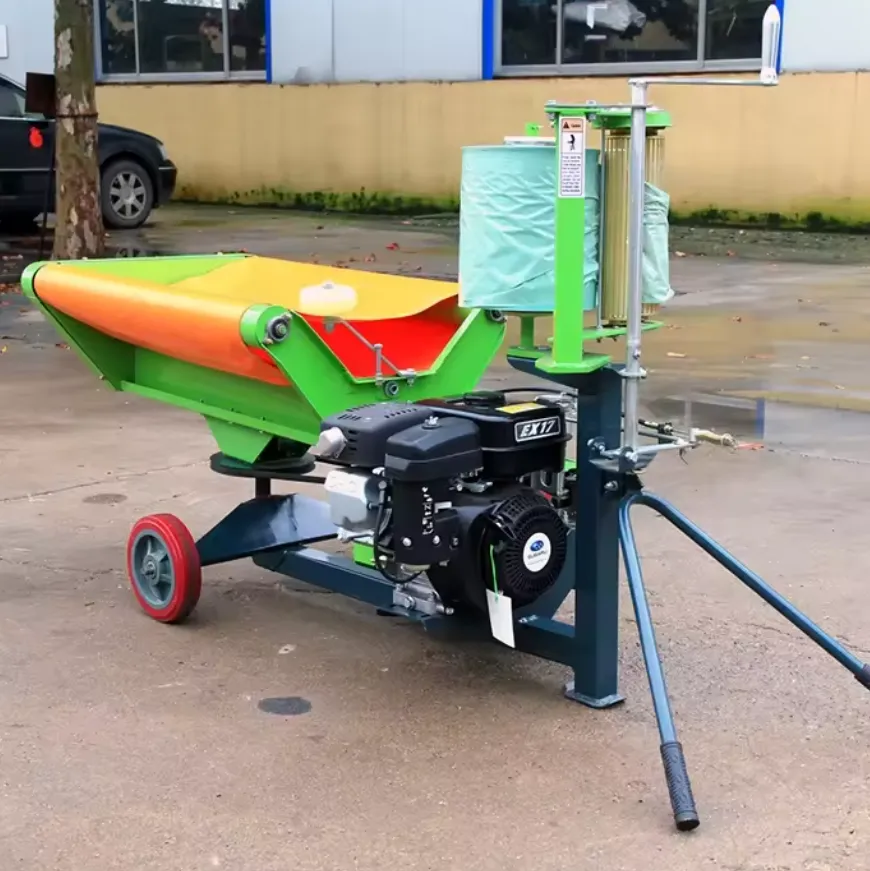
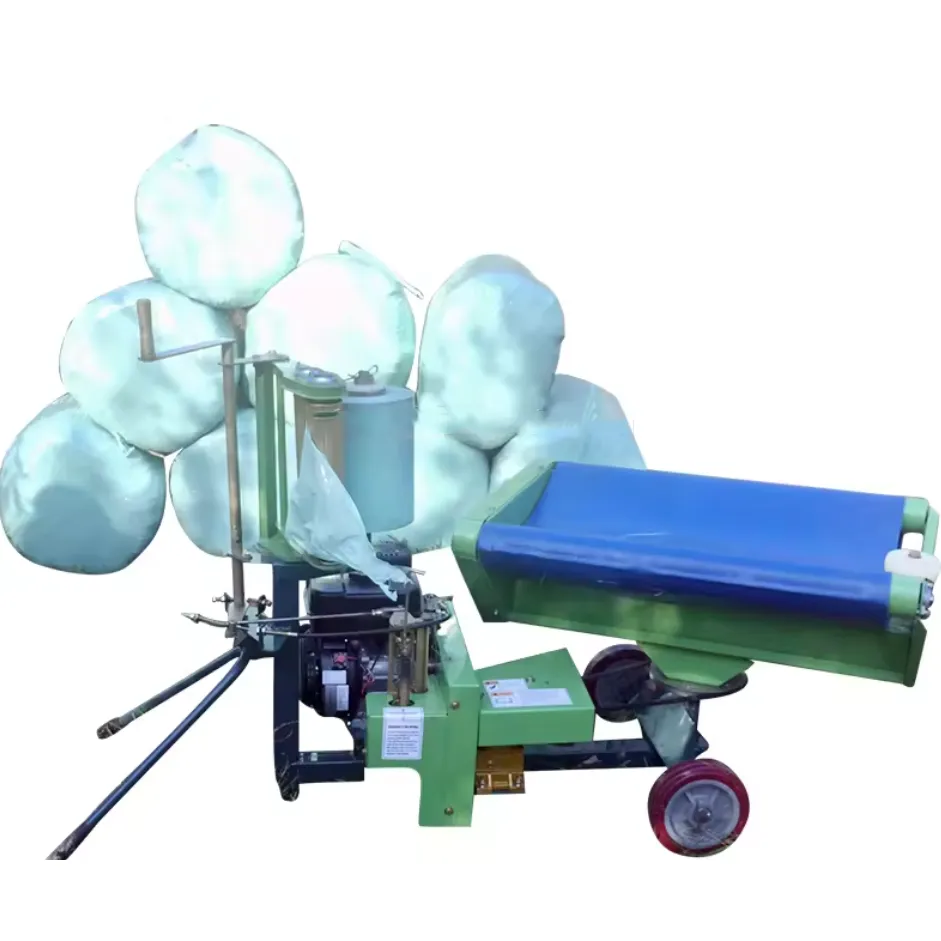
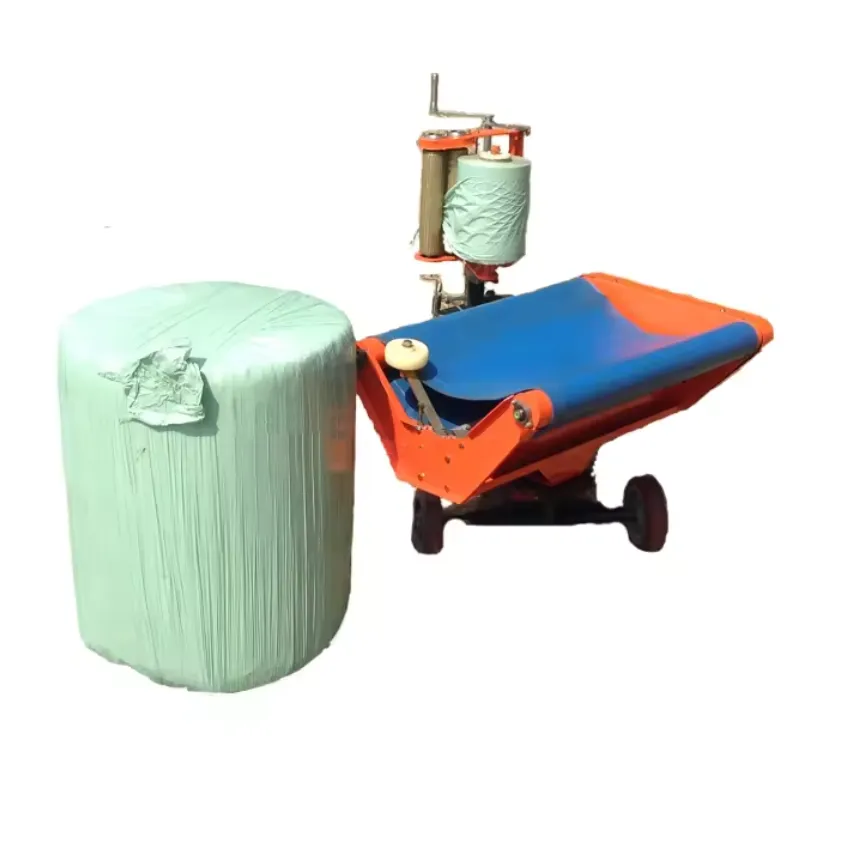
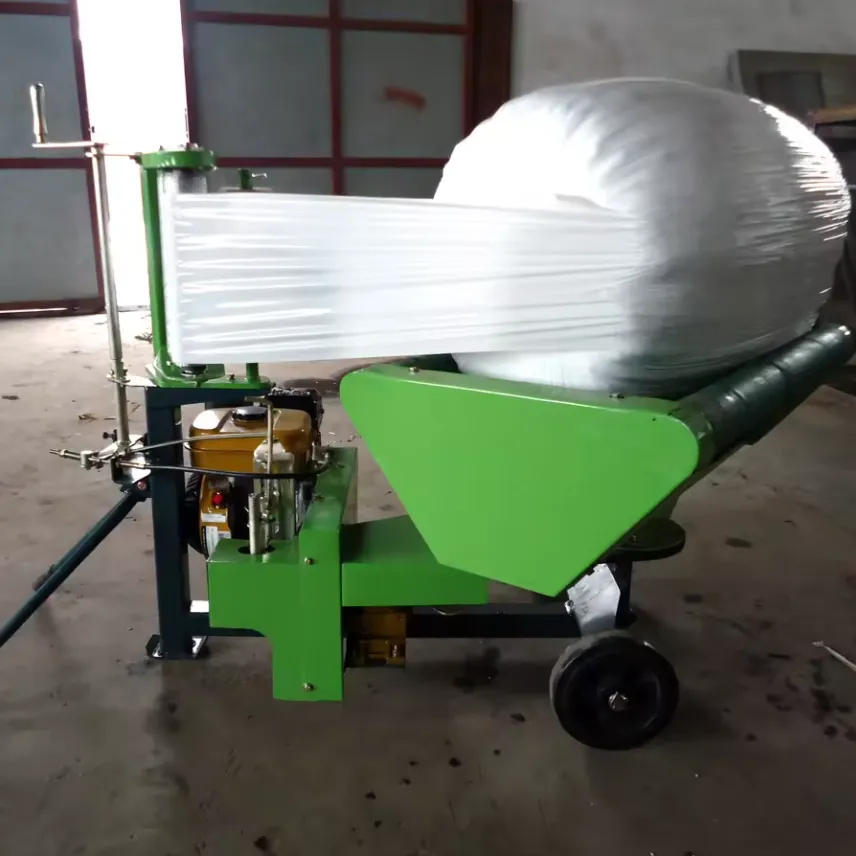
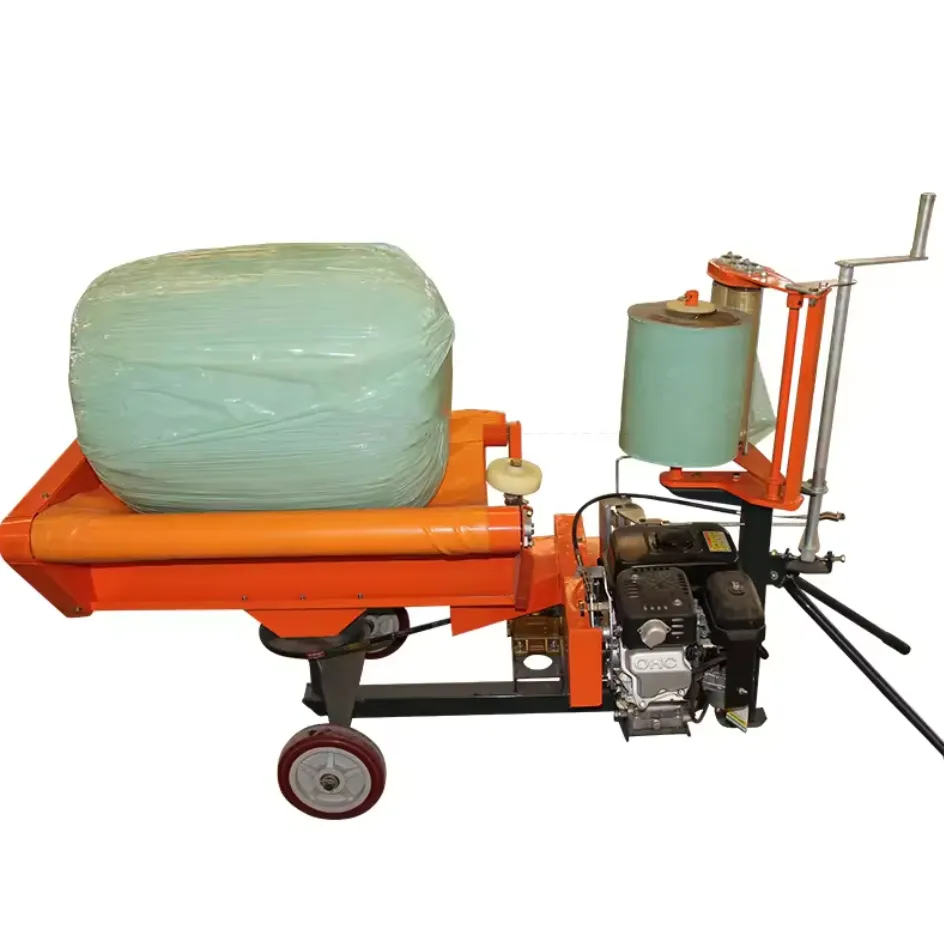
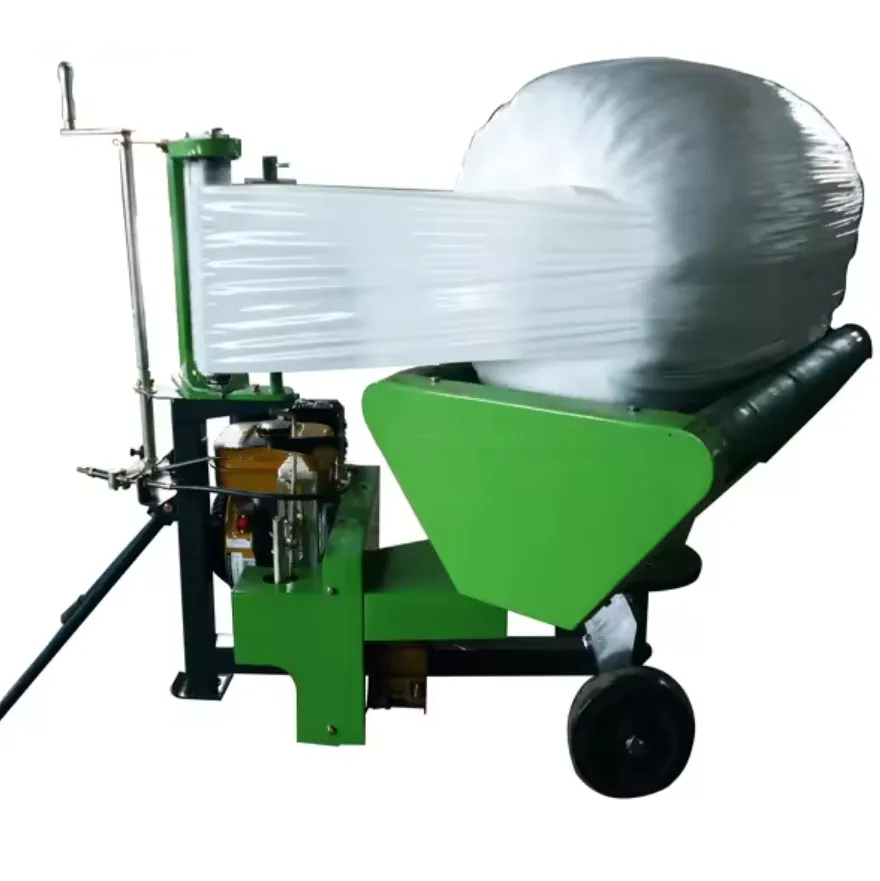
The Raydafon Group bale wrapper lineup is categorized to suit operations of all scales. Below are the detailed specifications for our core series.
Ideal for mid-sized farms requiring a perfect balance of speed and precision.
| Parameter | Specification |
|---|---|
| Model Designation | Raydafon ProSeries 8000-S |
| Wrapping Capacity | Up to 60 bales per hour |
| Bale Size Compatibility | Diameter: 4ft - 6ft (1.2m - 1.8m), Width: Up to 5ft (1.5m) |
| Turntable Drive | Hydraulic, with variable speed control |
| Film Roll Capacity | 2 rolls (standard), optional 4-roll carriage available |
| Film Pre-Stretch System | Mechanical, 55% - 75% adjustable stretch rate |
| Power Requirement | Minimum 40 HP tractor PTO |
| Net Weight | 2,850 lbs (1,293 kg) |
| Control System | Raydafon IntelliTouch LCD panel with pre-set programs |
A high-output system for large-scale operations, integrating grabbing and wrapping functions.
| Parameter | Specification |
|---|---|
| Model Designation | Raydafon TitanSeries 12000-C |
| Wrapping Capacity | Up to 100 bales per hour (in optimal conditions) |
| Bale Size Compatibility | Diameter: Up to 6.5ft (2.0m), Width: Up to 5.5ft (1.7m) |
| Integrated Grabber | Hydraulic clam-type grab, 360-degree rotation |
| Turntable Drive | High-torque dual hydraulic motors |
| Film Roll Capacity | 4 rolls standard, with automatic cut-and-clamp |
| Film Pre-Stretch System | Electronic, 50% - 80% programmable stretch rate |
| Power Requirement | Minimum 80 HP tractor with dual hydraulic circuits |
| Net Weight | 5,500 lbs (2,495 kg) |
| Control System | Raydafon CommandCenter with GPS integration and data logging |
Q: What is the optimal number of film layers for silage preservation?
A: For high-moisture silage (45-65% moisture), a minimum of 6 layers of 25-micron film is the industry standard for creating a fully airtight seal. For drier haylage, 4 layers may be sufficient. The Raydafon IntelliTouch system has preset programs for both scenarios, taking the guesswork out of the process. Using fewer layers to save on film cost often leads to oxygen penetration, mold, and dry matter loss, which is far more costly in the long run.
Q: Can your bale wrapper handle both net-wrapped and twine-wrapped bales?
A: Yes, all Raydafon Group bale wrappers are designed to handle bales secured with either net wrap or twine. Our turntable design and bale support system stabilize the bale effectively regardless of the binding method. For bales with loose or irregular twine, we recommend using the "Secure Bind" wrap program which applies the first two layers at a slower speed to compact and secure the bale surface before proceeding with the high-speed wrapping cycle.
Q: How do I calculate the film usage and cost per bale?
A: Film usage depends on bale size, number of layers, film width, and the pre-stretch percentage. The formula is: (Bale Circumference x Number of Layers) / (Film Width x Stretch Factor). For example, a 5ft diameter bale (15.7ft circumference) with 6 layers, using 750mm wide film stretched to 70% (stretch factor 1.7) would use approximately 98.5 feet of film per bale. Our CommandCenter control system automatically calculates and logs this data for each bale, providing precise cost tracking.
Q: What is the difference between a single-chamber and a combination wrapper?
A: A single-chamber wrapper, like our ProSeries, is a dedicated wrapping unit. Bales are typically loaded and unloaded using a separate front-loader or bale spike on a tractor. A combination wrapper, like our TitanSeries, integrates a hydraulic bale grabber/loader. This allows one operator to pick up bales from the field, transport them, wrap them, and place them in a stack without ever leaving the tractor seat, significantly increasing productivity for large-scale or single-operator workflows.
Q: What maintenance is required for a Raydafon bale wrapper?
A: Daily maintenance involves a visual inspection for debris and checking film carriage components. Weekly, grease all points via the centralized system and check hydraulic hose connections. Annually, inspect the turntable bearing for play, replace any worn roller bearings on the film carriage, and check the alignment of the pre-stretch rollers. Detailed maintenance schedules and tutorials are provided in the Raydafon operator's manual and our online support portal.
Q: Are your machines compatible with silage film from different manufacturers?
A: Raydafon wrappers are designed to be compatible with standard 500mm and 750mm wide center-feed silage film rolls from most major manufacturers. For optimal performance and to prevent damage to the pre-stretch mechanism, we recommend using high-quality, consistent-gauge film. Our systems are calibrated to work best with film rolls wound on a 3-inch core with a maximum outer diameter of 250mm.
Q: Do you offer remote diagnostics or telematics support?
A: Yes, on our TitanSeries and higher-end ProSeries models equipped with the CommandCenter, optional Raydafon Telematics is available. This system allows for remote monitoring of machine hours, performance metrics, and diagnostic codes. With user permission, our support technicians can access this data to provide faster, more accurate troubleshooting and service recommendations, potentially resolving issues before they lead to downtime.

 Raydafon