
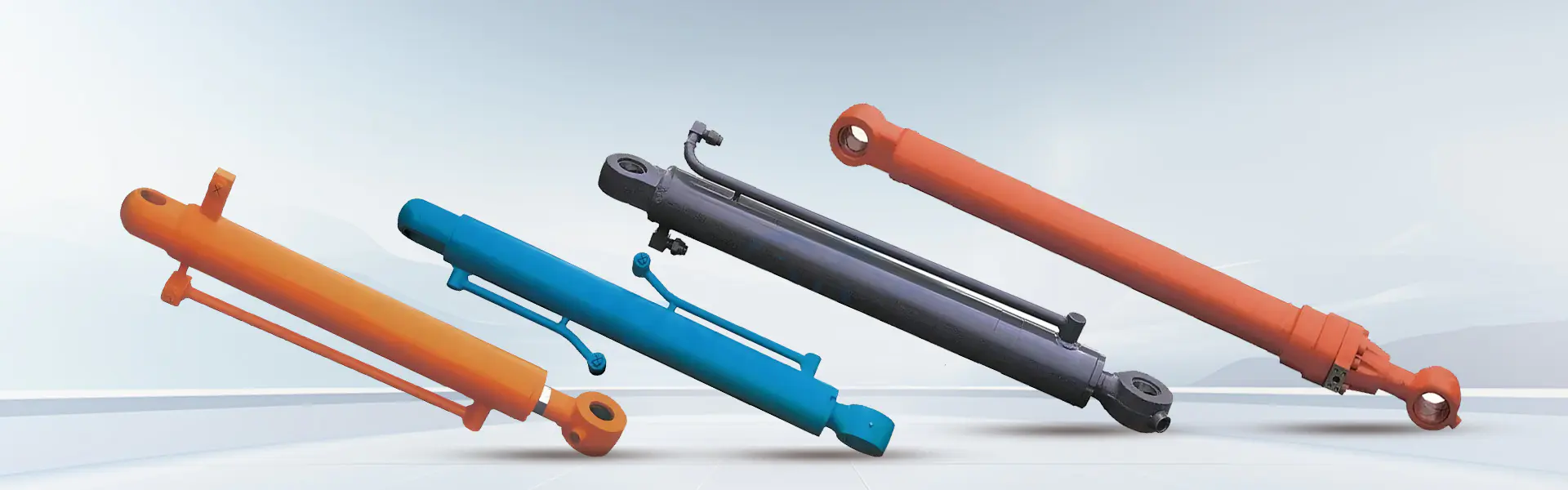
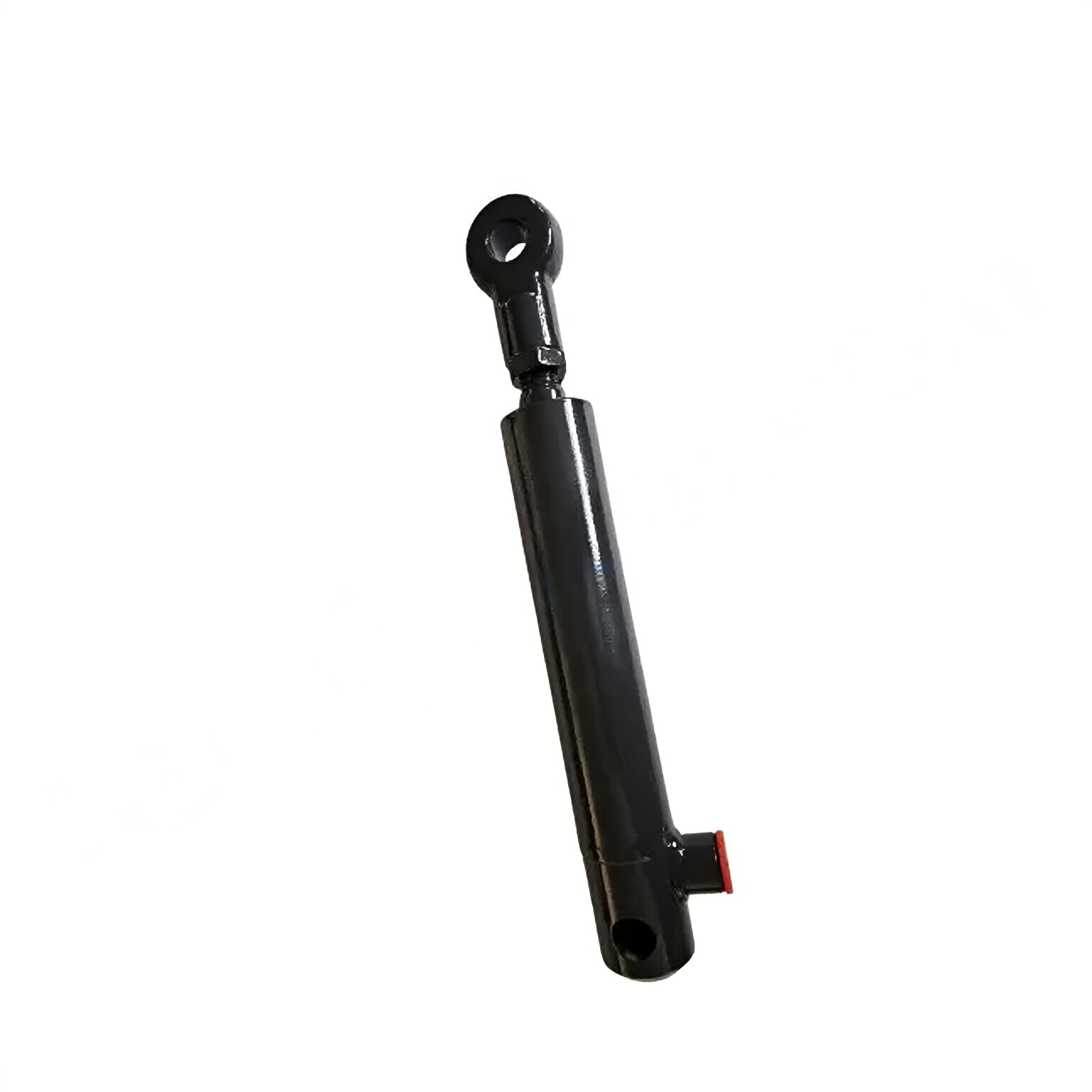
For over two decades, Raydafon Group has been at the forefront of engineering and manufacturing high-performance hydraulic components for the global waste, recycling, and agricultural sectors. Among our core product lines, Baler oil cylinders stand out as critical components that directly influence the efficiency, reliability, and lifespan of baling equipment. A baler is only as good as its hydraulic system, and the cylinder is the heart of that system, responsible for generating the immense force required to compress materials into dense, transportable bales. Choosing the right cylinder is not an option; it's a necessity for operational success.
Our cylinders are engineered for the most demanding applications, built with precision, and rigorously tested to exceed industry standards. We understand that downtime is not an option in your business, which is why durability and performance are engineered into every Raydafon Group baler oil cylinder.
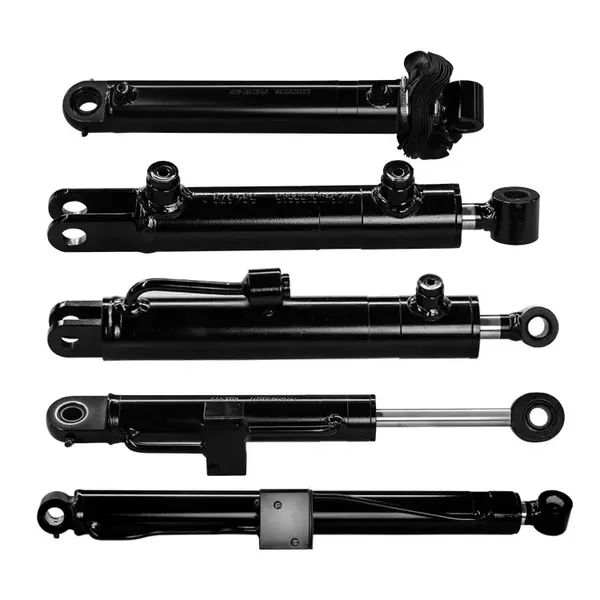
Understanding the technical parameters of a baler oil cylinder is essential for selecting the correct model for your press, whether it’s for paper, plastic, metal, or agricultural waste. At Raydafon Group, we offer a comprehensive range of cylinders designed to meet various force, stroke, and mounting requirements. Below is a detailed breakdown of our standard and customizable specifications.
| Model Series | Bore (mm) | Rod (mm) | Max Stroke (mm) | Standard Pressure (Bar) | Approx. Force @210 Bar (kN) | Primary Mounting |
|---|---|---|---|---|---|---|
| RF-BC40 | 40 | 20 | 1500 | 210 | 26.4 | Clevis |
| RF-BC100 | 100 | 56 | 2500 | 210 | 165 | Flange (Front) |
| RF-BC180 | 180 | 100 | 4000 | 210 | 534 | Trunnion |
| RF-BC250 | 250 | 140 | 5000 | 210 | 1030 | Custom Lug |
| RF-BC360-HP | 360 | 260 | 6000 | 350 | 1780 (at 210 Bar) | Heavy-Duty Trunnion |
Note: All specifications are for reference. Custom engineering is available for non-standard bore/rod combinations, extended strokes, special coatings, and port configurations.
The reliability of a baler oil cylinder is determined by its design integrity and manufacturing quality. Raydafon Group employs a philosophy of over-engineering for critical applications.
Q: How do I know which bore size and stroke length I need for my baler?
A: Selecting the correct size depends on two main factors: the required compression force and the physical dimensions of your baler's compression chamber. The force is calculated based on the desired bale density and material type. The stroke length must be sufficient for the ram to travel the full length of the chamber. It is crucial to consult your baler's original equipment manual or contact Raydafon Group's technical support with your machine model and the material you are baling. We can then recommend or custom-build a cylinder with the precise specifications.
Q: My cylinder is leaking oil from the rod seal. Can I just replace the seals, or do I need a new cylinder?
A: In many cases, a rod seal leak can be resolved with a seal kit replacement, provided the piston rod itself is not damaged. However, if the rod is scratched, pitted, or corroded, it will quickly destroy new seals. Inspect the rod surface carefully. If you feel any grooves or see significant wear, the rod may need to be re-chromed or the entire cylinder rebuilt. Raydafon Group offers comprehensive seal kits and repair services for all our cylinder models, ensuring original equipment quality.
Q: What is the difference between a single-acting and a double-acting baler cylinder?
A: A single-acting cylinder uses hydraulic pressure to extend the rod (power stroke), and an external force (like a spring or the weight of the load) to retract it. A double-acting cylinder uses hydraulic pressure to both extend and retract the rod. Most modern industrial balers use double-acting cylinders because they provide positive control over both the compression and return strokes, leading to faster cycle times and better controllability. Raydafon Group primarily manufactures double-acting cylinders for baler applications.
Q: Can Raydafon Group provide cylinders for very high-pressure applications above 210 Bar?
A: Absolutely. While our standard series is rated for 210 Bar, we have a dedicated line of high-pressure cylinders (like the RF-BC360-HP) designed for pressures up to 350 Bar and beyond. These cylinders feature reinforced construction, specialized seals, and enhanced mounting solutions. When designing for high pressure, it is critical to consider the entire hydraulic system's compatibility, including hoses, valves, and pumps.
Q: How long should a properly maintained baler oil cylinder last?
A: The service life of a cylinder varies widely based on operating conditions, cycle rate, maintenance, and fluid cleanliness. Under normal operating conditions with a well-maintained hydraulic system (clean fluid, proper filtration), a premium cylinder from Raydafon Group can last for several hundred thousand cycles, often many years of service. Preventive maintenance, such as regular inspection of rods and seals and timely fluid changes, is the most effective way to maximize cylinder lifespan.
Q: Do you offer custom mounting solutions for OEM baler manufacturers?
A: Yes, custom engineering is a cornerstone of Raydafon Group's service. We work directly with OEMs to design and manufacture cylinders that integrate seamlessly into new baler designs. This includes custom bore/rod sizes, non-standard stroke lengths, specialized porting, and unique mounting configurations like custom welded lugs or flanges. Our engineering team collaborates with your designers to optimize the cylinder for performance, space constraints, and ease of maintenance.
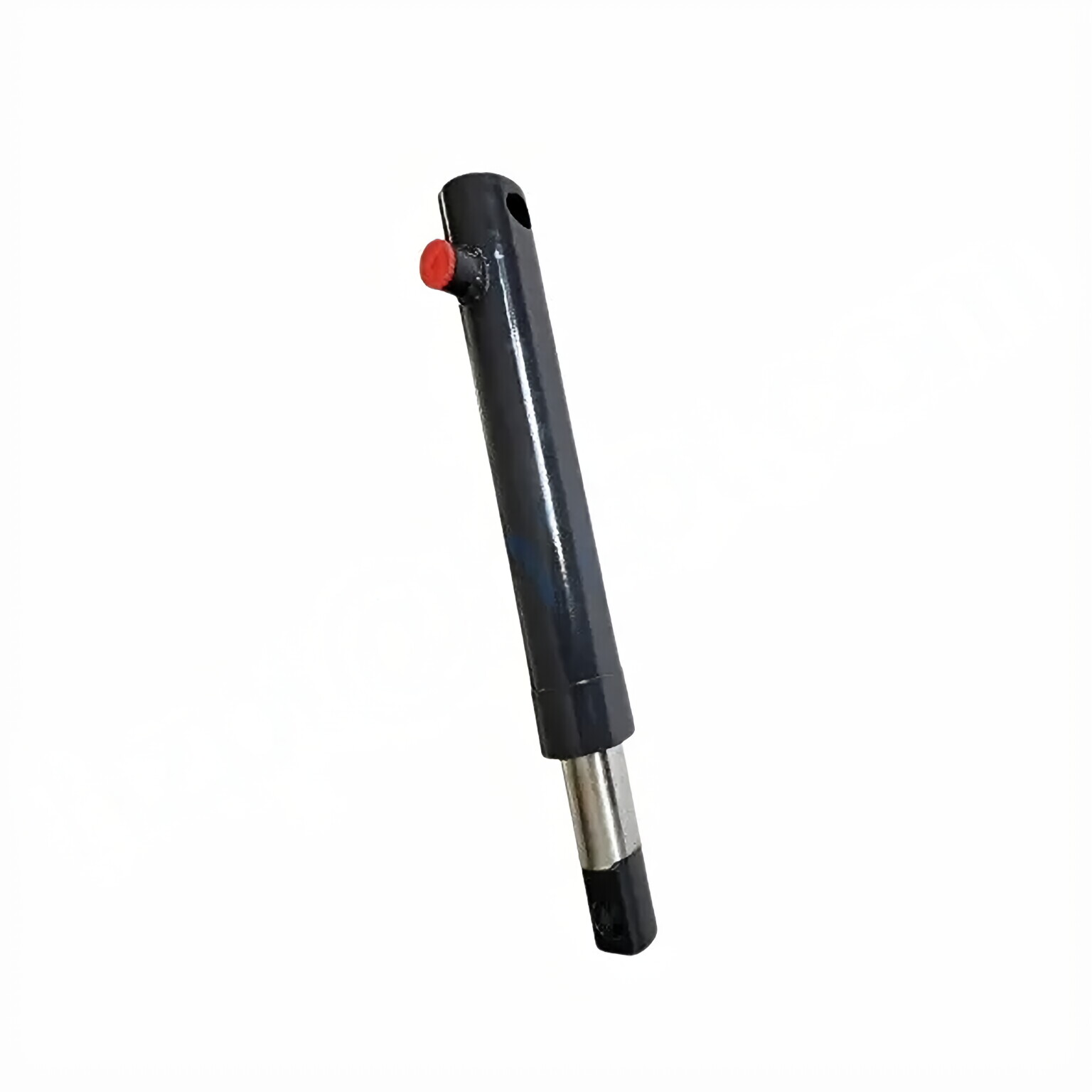
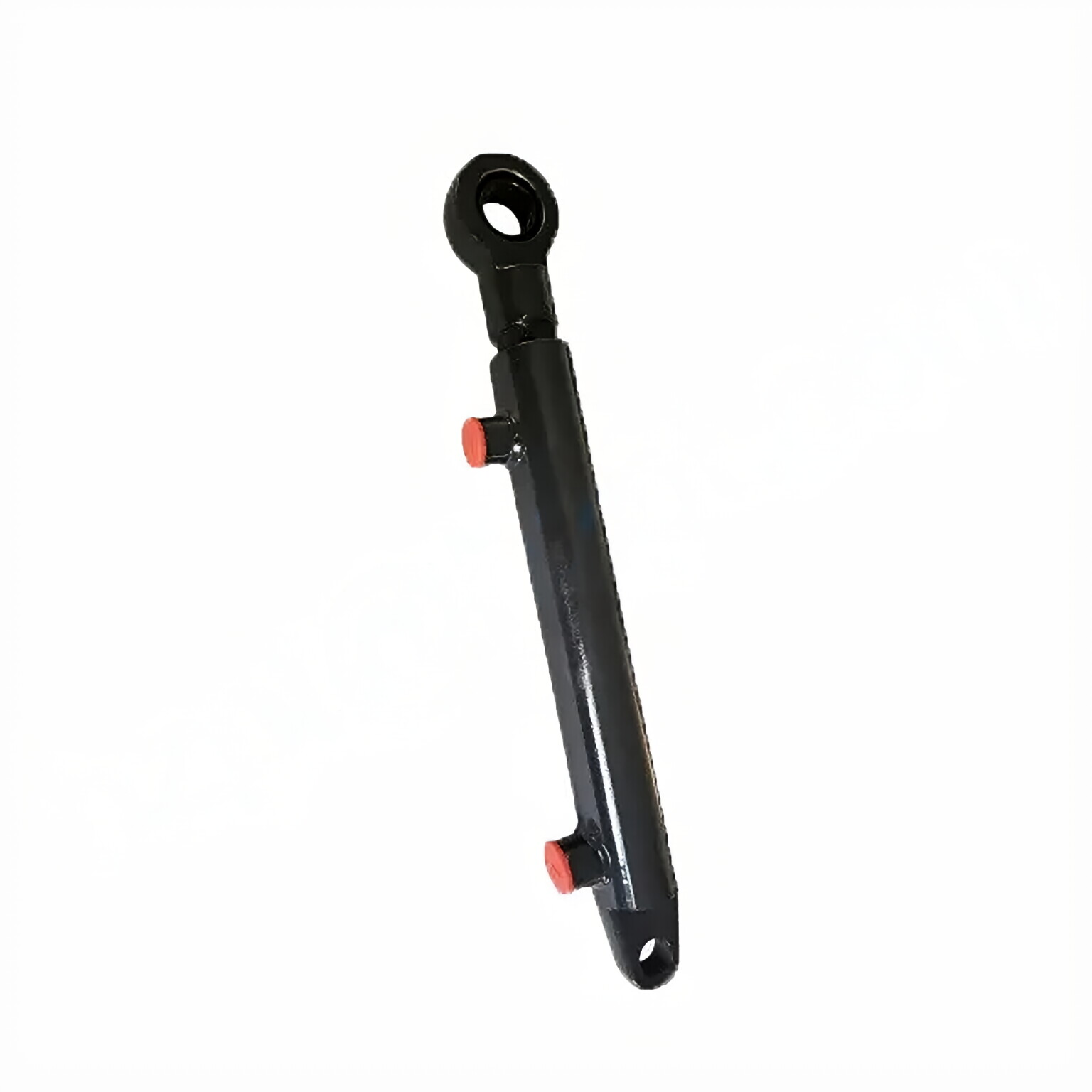
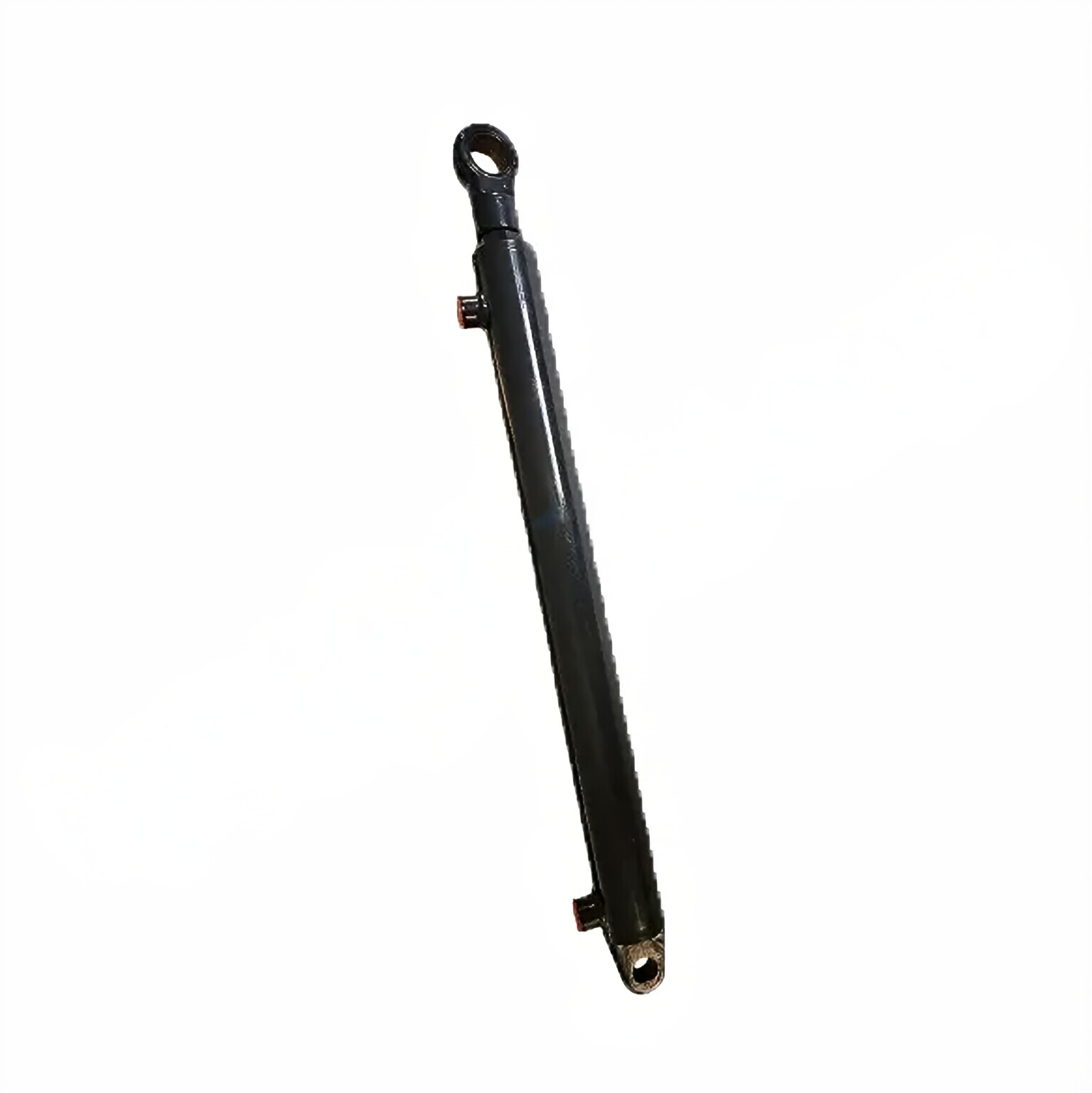
Raydafon Group baler oil cylinders are trusted in a diverse range of material processing applications:

 Raydafon