
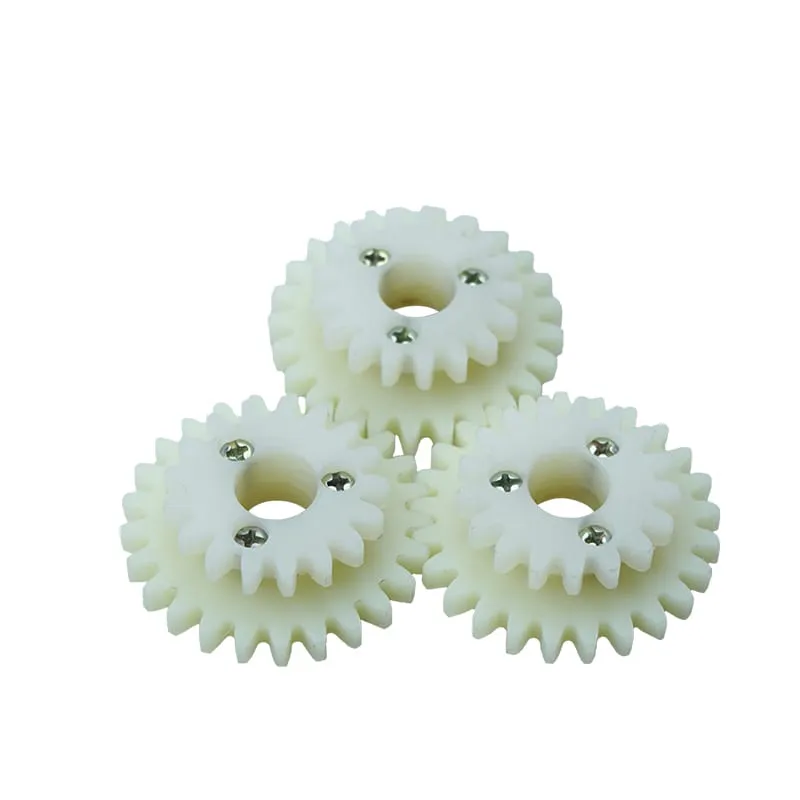
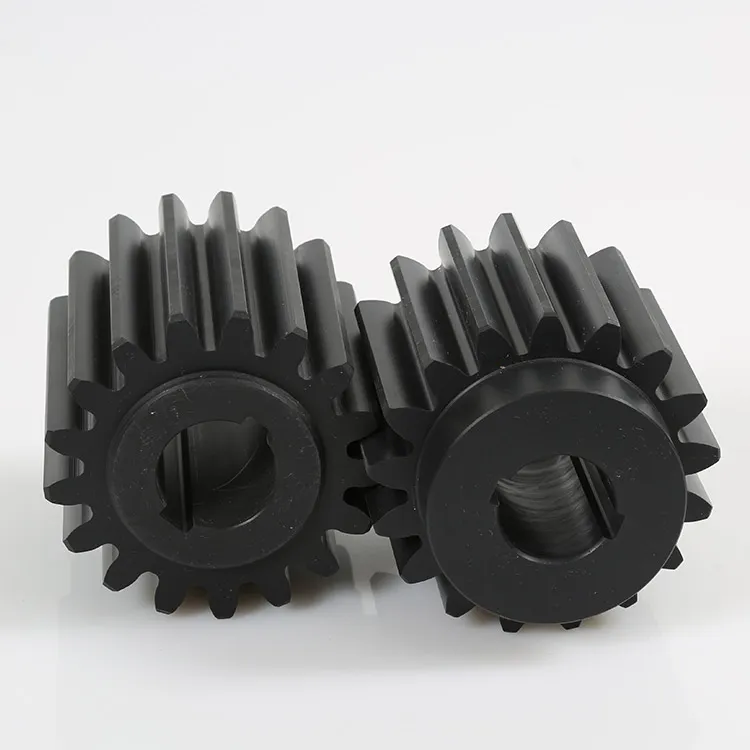
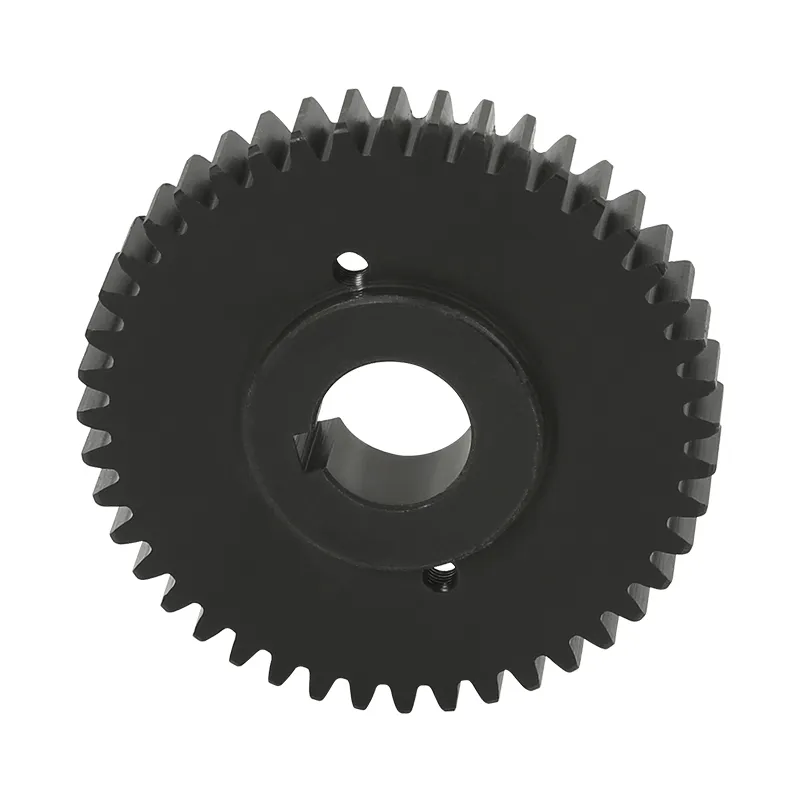
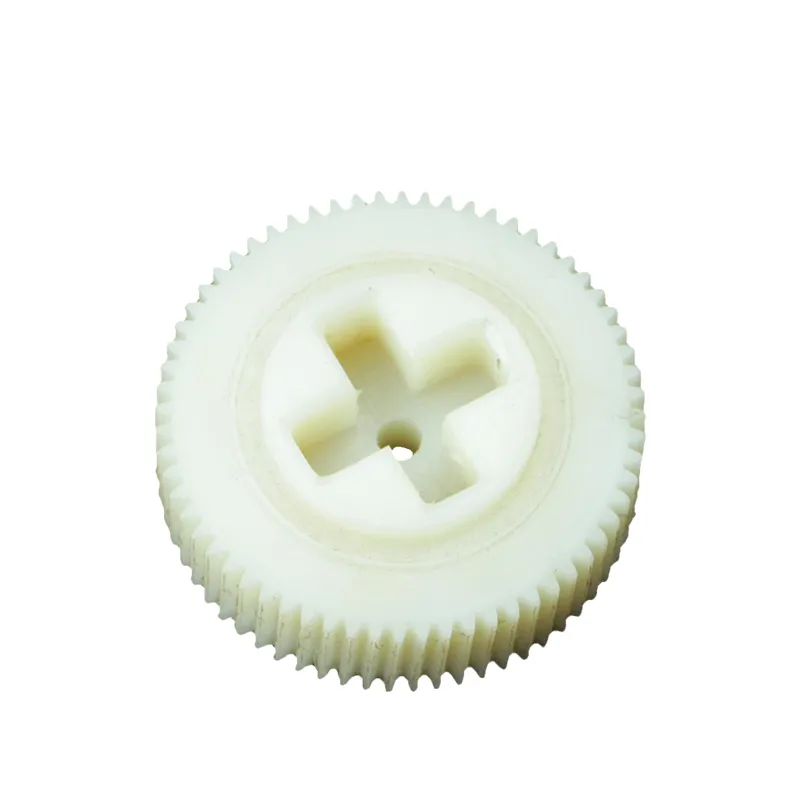
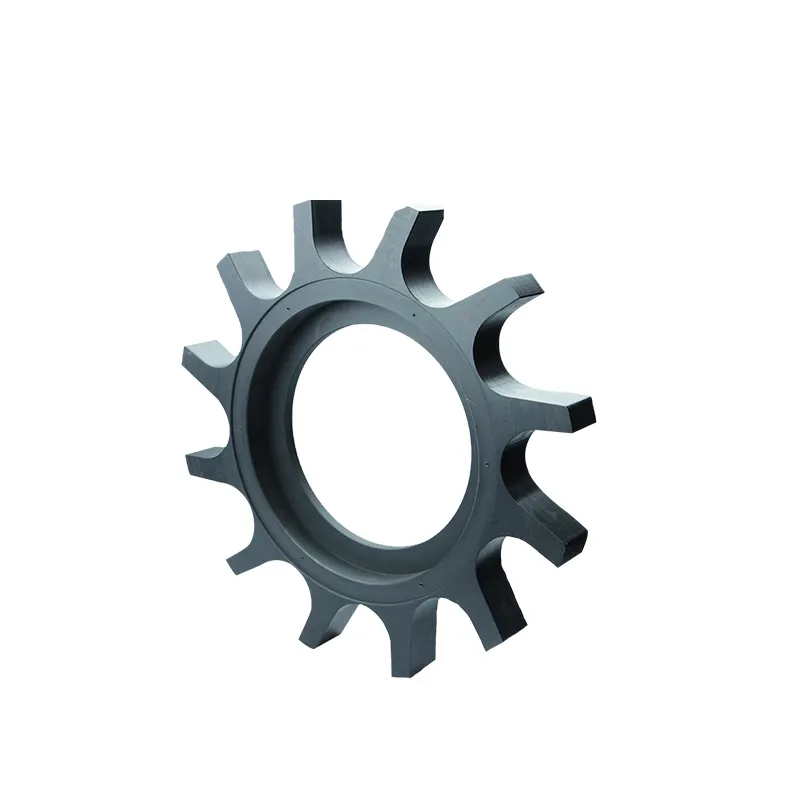
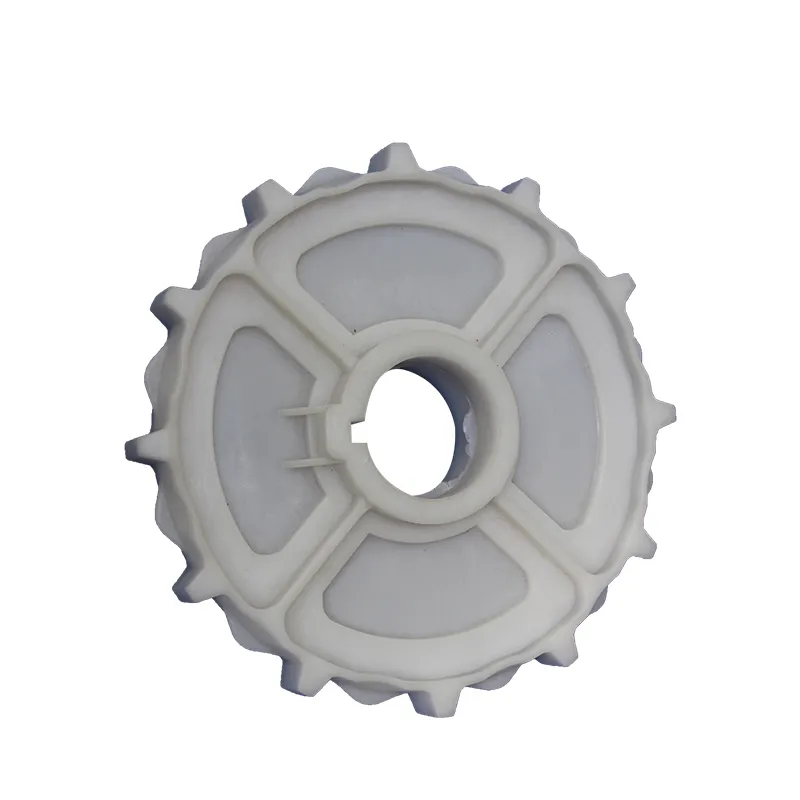
In the world of precision motion and power transmission, the selection of the right gear is paramount. While metal gears have long been the standard, advanced engineering thermoplastics have revolutionized the industry, offering unparalleled benefits in a wide range of applications. At Raydafon Group, we specialize in the design, engineering, and manufacturing of high-precision Plastic Gears that deliver exceptional performance, durability, and cost-efficiency. Our commitment to innovation and quality ensures that every gear we produce meets the most stringent requirements for noise reduction, weight savings, corrosion resistance, and operational efficiency.
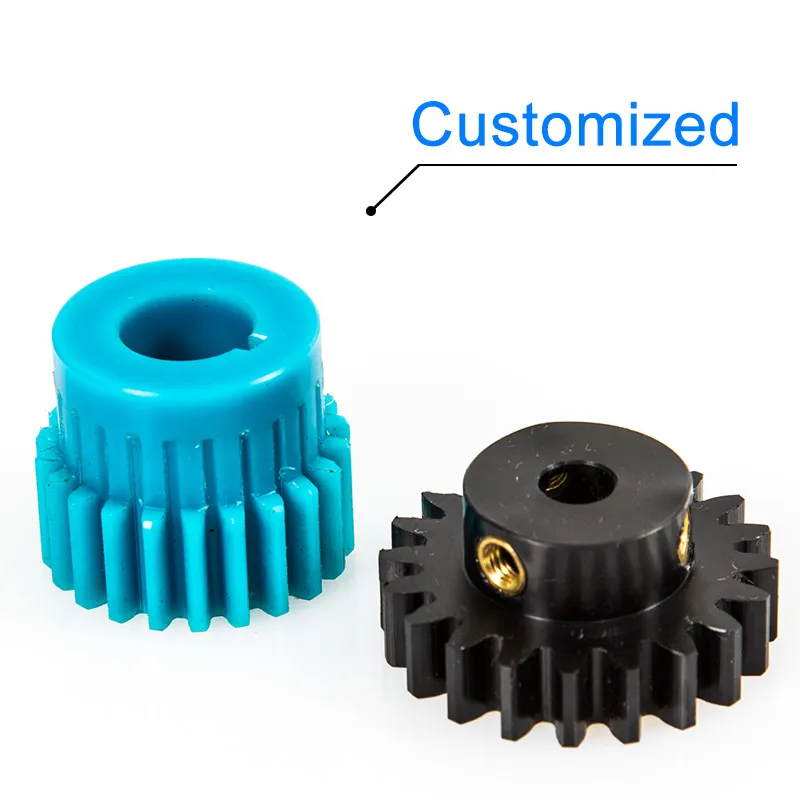
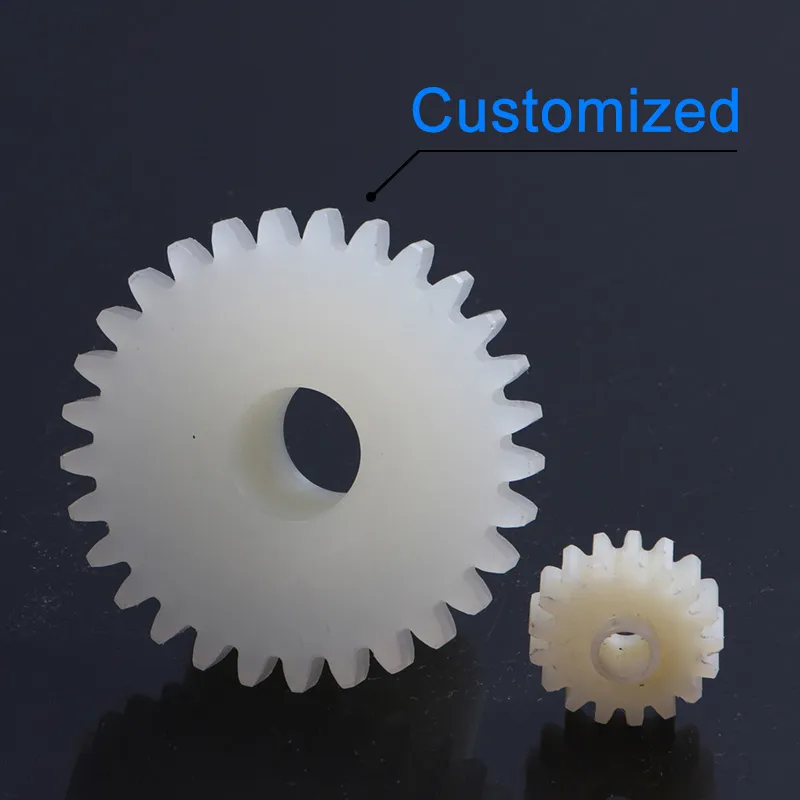
For over two decades, Raydafon Group has been at the forefront of polymer gear technology. We understand that a one-size-fits-all approach does not work in precision engineering. That's why we work closely with our clients, from concept to production, to develop custom plastic gear solutions that solve specific challenges. Whether you are in the automotive, medical device, consumer electronics, food processing, or aerospace sector, our expertise in material science and gear design can help you achieve superior product performance.
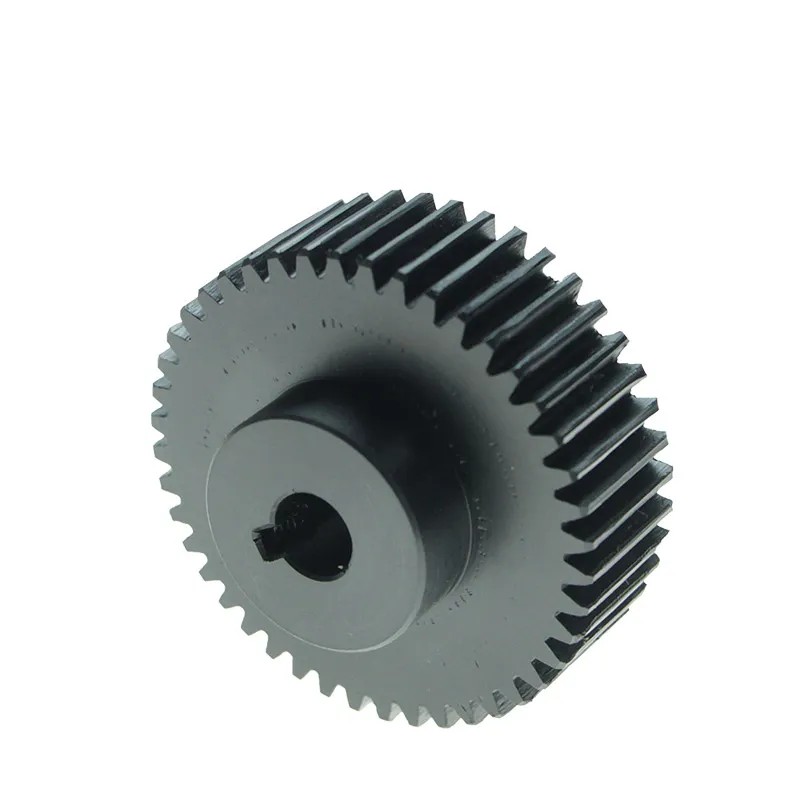
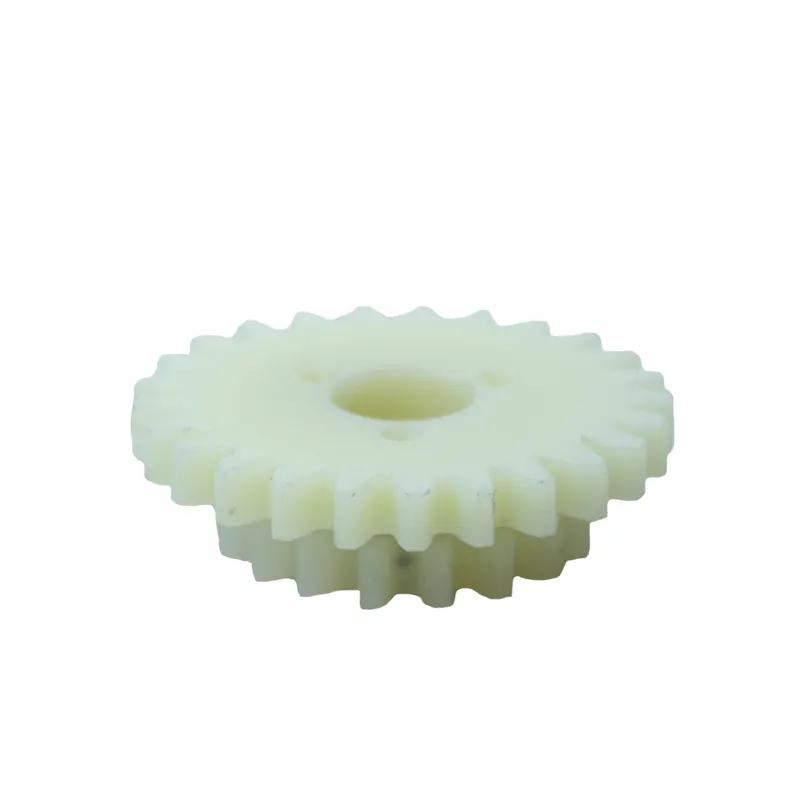
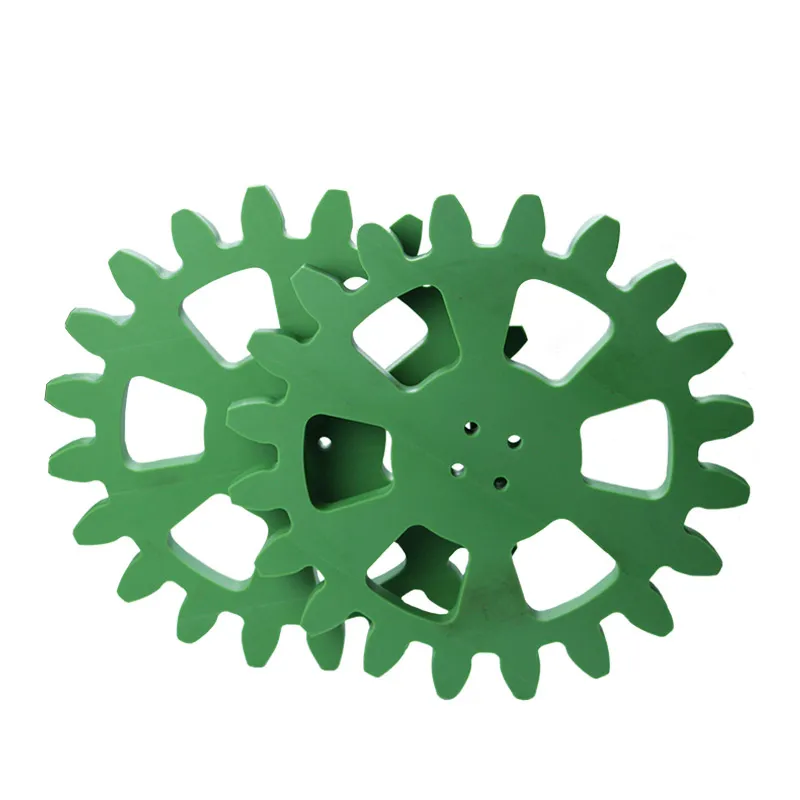
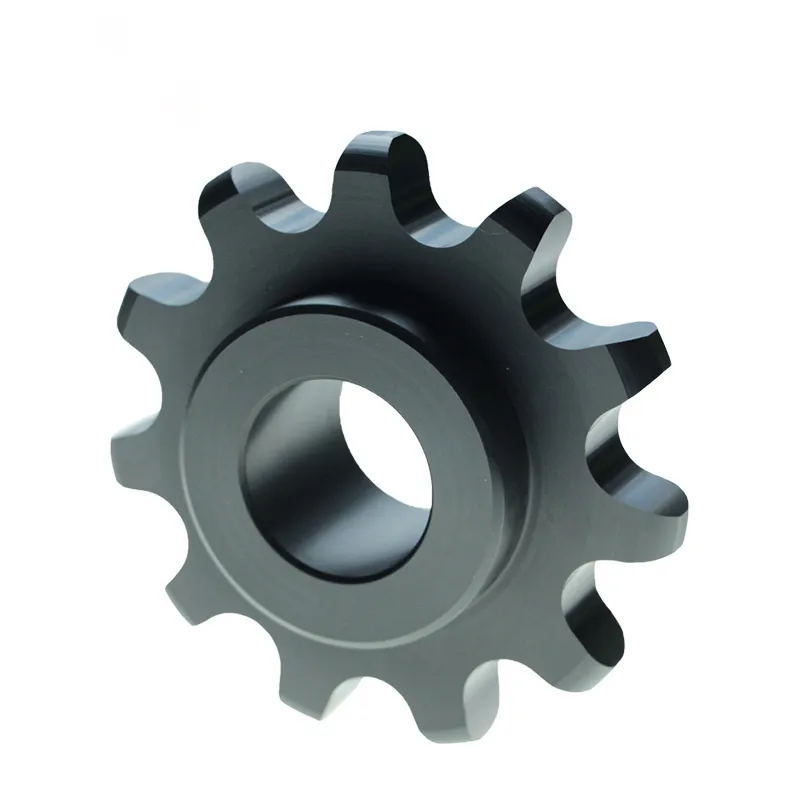
Raydafon Group manufactures a vast array of plastic gears, from miniature gears for micro-mechanisms to large-diameter gears for industrial equipment. Our capabilities are defined by the following detailed parameters.
| Material | Key Properties | Typical Applications | Max Continuous Use Temp. |
|---|---|---|---|
| Acetal (POM) | High stiffness, low friction, excellent dimensional stability, good fatigue resistance. | Precision gears, automotive components, conveyor systems, fluid handling. | 90°C (194°F) |
| Nylon (PA 66, PA 12) | Tough, good wear resistance, self-lubricating, absorbs moisture which affects dimensions. | Power tools, textile machinery, light-load drives, agricultural equipment. | 120°C (248°F) |
| Polycarbonate (PC) | High impact strength, transparency, good dimensional stability. | Clear gears, light-duty applications, displays, where visibility is needed. | 115°C (239°F) |
| Polyphenylene Sulfide (PPS) | Excellent chemical and heat resistance, inherent flame retardancy, high rigidity. | Under-hood automotive, high-temperature actuators, chemical pumps. | 220°C (428°F) |
| Polyetheretherketone (PEEK) | Exceptional mechanical properties, very high heat and chemical resistance, high cost. | Aerospace, oil & gas, high-performance automotive, medical sterilization. | 250°C (482°F) |
| Ultra-High Molecular Weight Polyethylene (UHMW-PE) | Extremely low friction, high impact strength, excellent abrasion resistance. | Conveyor gears, food processing machinery, low-speed high-wear environments. | 80°C (176°F) |
| Parameter | Standard Range | Precision / Custom Capability | Notes |
|---|---|---|---|
| Module (Metric) | 0.3 to 4.0 | Down to 0.1 | Defines tooth size. Lower module = finer teeth. |
| Diametral Pitch (Imperial) | 8 to 120 DP | Up to 200 DP | Imperial equivalent of module. |
| Gear Diameter | 5 mm to 500 mm | Up to 1000 mm | Outside diameter (OD) range. |
| Face Width | 2 mm to 50 mm | Custom as required | Width of the gear tooth. |
| AGMA / ISO Quality Grade | Q10 to Q8 | Up to Q6 | Lower number indicates higher precision (e.g., Q6 is very precise). |
| Backlash | Standard per AGMA | Precision-controlled to micron level | Critical for smooth meshing and positioning accuracy. |
| Surface Finish (Ra) | 0.8 µm | 0.4 µm or better | Smother finish reduces friction and noise. |
| Tolerances | ±0.05 mm on critical dimensions | ±0.01 mm or tighter | Dependent on material, size, and geometry. |
Q: When should I choose a plastic gear over a metal gear?
A: Choose plastic gears when your application prioritizes weight reduction, corrosion resistance, quiet operation, or operates in a non-lubricated environment. They are also ideal for cost reduction in high-volume production and when part consolidation (molding features into the gear) is beneficial. For extreme high-torque, high-temperature, or where extreme dimensional stability under thermal load is critical, metal may still be preferred, though advanced thermoplastics like PEEK are closing this gap.
Q: How do I select the right plastic material for my gear?
A: Material selection is a critical engineering decision based on multiple factors. You must consider the operational load (torque and bending forces), speed, continuous and peak temperatures, environmental exposure (chemicals, moisture, UV), required wear life, and regulatory needs (FDA, USP, UL). Our engineers at Raydafon Group routinely perform stress analysis and wear simulations to recommend the optimal material, such as Acetal for general precision, Nylon for toughness, or PPS/PEEK for high heat.
Q: Are plastic gears strong enough for industrial applications?
A> Absolutely. Modern engineering thermoplastics, when properly designed, can handle significant loads. The strength of a plastic gear is not just a function of the material, but of the entire design: tooth geometry, root fillet optimization, hub design, and reinforcement with fibers or additives. We design plastic gears to manage specific stress levels, ensuring they meet the fatigue life and torque requirements of industrial drives, automotive actuators, and power tools.
Q: What about thermal expansion and moisture absorption in plastics?
A> These are important considerations. Thermoplastics have a higher coefficient of thermal expansion (CTE) than metals and some, like Nylon, absorb moisture which causes swelling. Our design process accounts for these factors. We use precise molding techniques to condition the gear, calculate running clearances at operating temperature, and select materials with low moisture affinity (like POM or PPS) for critical dimensional applications. Proper design ensures stable performance across the intended operating environment.
Q: Can you produce plastic gears that mesh with existing metal gears?
A> Yes, this is a common hybrid drive scenario. The design must be carefully engineered to account for the differences in material stiffness, wear characteristics, and thermal expansion. Typically, the plastic gear is designed with a slightly modified tooth profile to ensure smooth load transfer and compensate for deflection. We often recommend a hardened metal pinion mating with a wear-resistant plastic gear like Acetal or Nylon for an optimal balance of strength and quiet operation.
Q: What are the key steps in developing a custom plastic gear with Raydafon Group?
A> Our process is collaborative and thorough: 1) Application Review: We analyze your torque, speed, space, environment, and life cycle needs. 2) Conceptual Design: Our engineers propose gear type, material, and preliminary geometry. 3) Engineering Analysis: We use FEA and simulation software to validate tooth strength, root stress, and thermal performance. 4) Prototyping: We produce functional prototypes for your testing and validation. 5) Tooling & Production: Upon approval, high-precision molds are built, followed by full-scale, quality-controlled manufacturing.
Q: What quality assurance measures do you have in place?
A> Raydafon Group adheres to a rigorous quality management system. Every production batch is subject to stringent checks. This includes First Article Inspection (FAI) with full CMM (Coordinate Measuring Machine) reports for dimensional accuracy, gear rolling testers to verify tooth profile and noise characteristics, and material certification. We maintain full traceability from raw material resin lot to the finished gear, ensuring consistent, reliable quality in every order.
Our state-of-the-art manufacturing facilities house advanced injection molding machines capable of micro-precision molding for miniature components as well as large-tonnage presses for bigger gears. We utilize high-precision, hardened steel molds crafted by expert toolmakers. Furthermore, our post-molding capabilities include machining for critical bore tolerances, ultrasonic welding for assembly, and laser marking for part identification. Raydafon Group also offers a range of secondary operations and custom services:

 Raydafon