
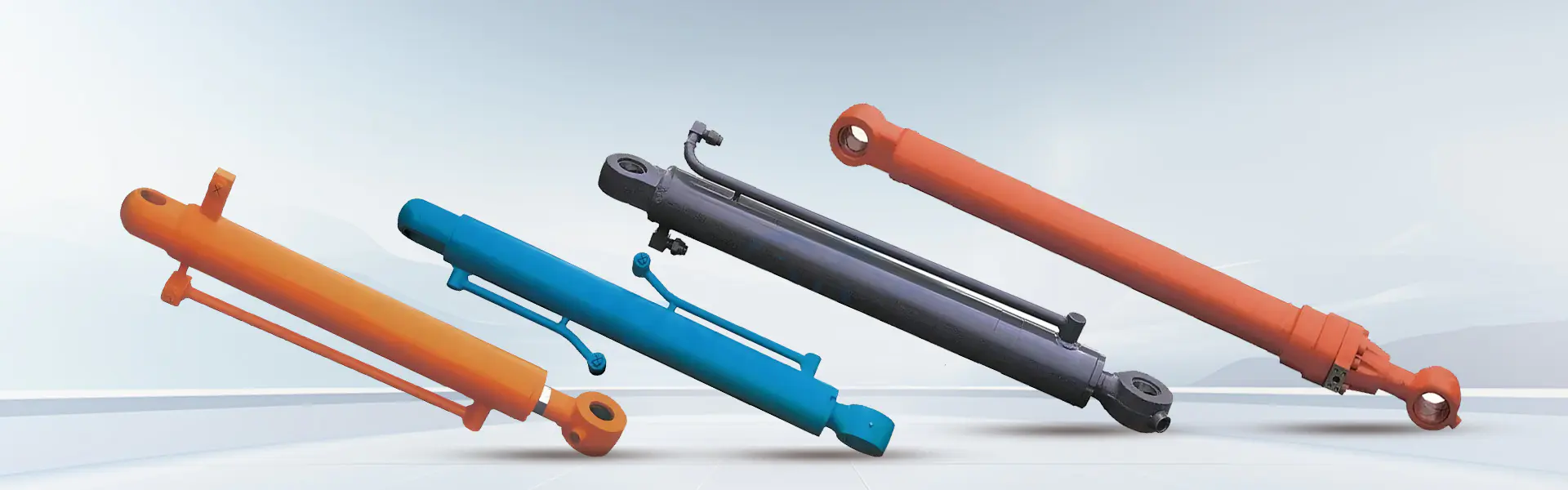
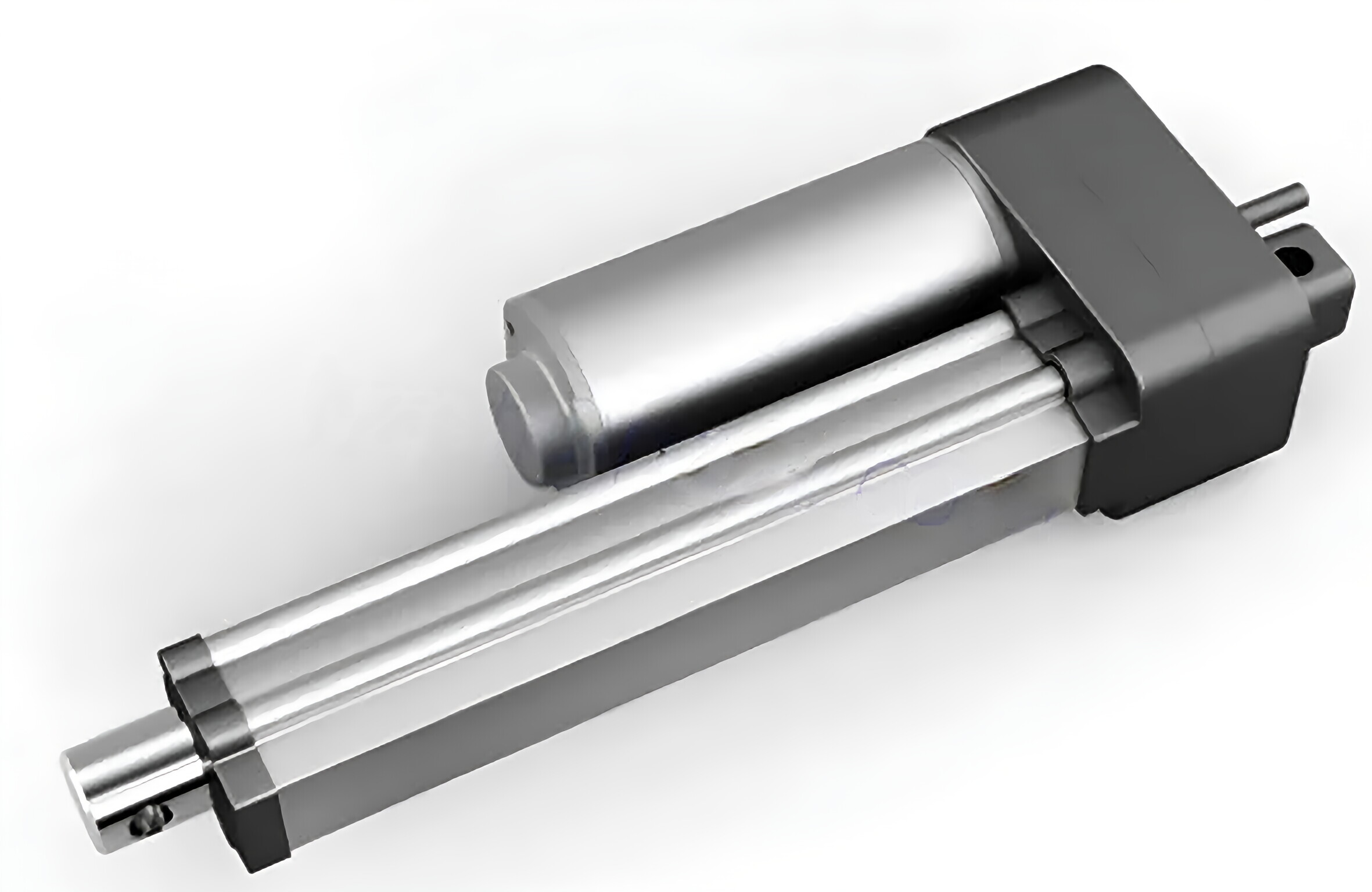
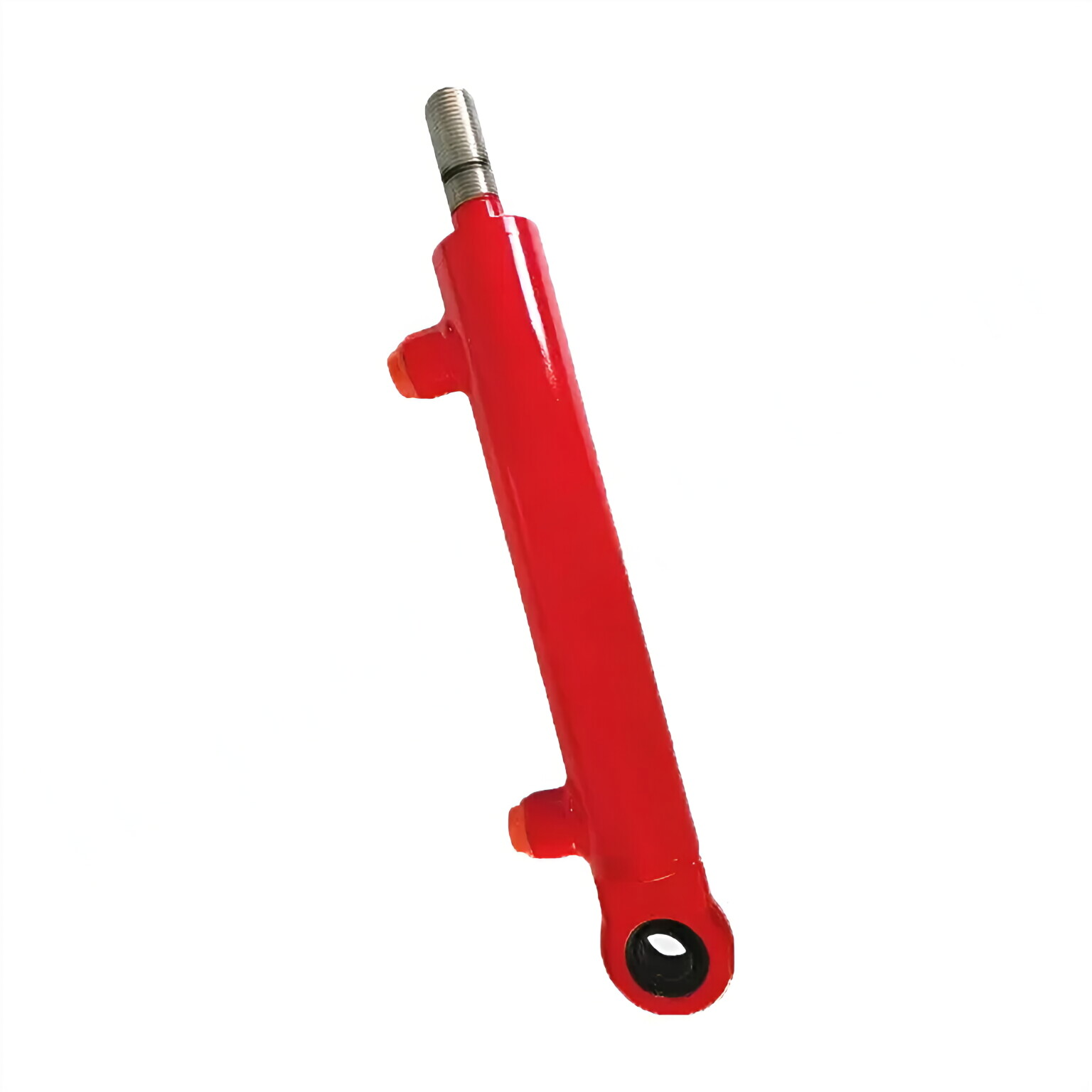
In the demanding world of industrial automation, manufacturing, and heavy machinery, consistent and reliable linear motion is non-negotiable. At the heart of countless mechanical systems, from hydraulic presses to complex packaging lines, lies a critical yet often understated component: the industrial push rod. Also known as a thrust rod or actuator rod, an industrial push rod is a rigid linear component designed to transmit force in a pushing motion, converting rotary or hydraulic/pneumatic energy into precise linear displacement. This fundamental function makes it indispensable for applications requiring controlled movement, positioning, clamping, or force application.
Raydafon Group has been at the forefront of precision-engineered motion control solutions for decades. Our deep understanding of industrial dynamics informs every industrial push rod we manufacture. We recognize that a push rod is more than just a metal bar; it is a vital link in your operational chain. Its failure can lead to costly downtime, reduced product quality, and safety concerns. Therefore, our engineering philosophy centers on creating push rods that offer unparalleled durability, exact dimensional accuracy, and seamless integration into your specific application, ensuring your systems operate at peak efficiency and reliability.
Selecting the correct industrial push rod requires careful consideration of several key technical parameters. At Raydafon Group, we provide comprehensive specifications to ensure you find the perfect match for your mechanical needs. Below is a detailed breakdown of our standard and customizable parameters.
| Parameter | Standard Range | Custom Capability | Importance |
|---|---|---|---|
| Rod Diameter | 6 mm to 150 mm | Up to 300 mm | Determines buckling strength and load capacity. |
| Length | 100 mm to 3000 mm | Up to 6000 mm+ | Defines the stroke length of the application. |
| Straightness Tolerance | 0.1 mm per 300 mm | Up to 0.05 mm per 300 mm | Critical for smooth operation and seal longevity in cylinders. |
| Surface Roughness (Ra) | 0.2 - 0.8 μm | Mirror finishes (<0.1 μm) available | Affects seal wear, friction, and corrosion resistance. |
| Thread Specifications | Metric (M), UNC, UNF standard | Any custom thread form/pitch | Ensures secure attachment to pistons, clevises, or load. |
| Load Capacity (Compressive) | 1 kN to 1500+ kN | Engineered for specific dynamic/static loads | The maximum force the rod can withstand without yielding. |
| Operating Temperature | -20°C to +120°C (standard) | -50°C to +400°C with special materials | Defines the environmental scope of the component. |
A critical aspect of push rod functionality is its interface with other components. Raydafon Group offers a vast array of end fitting options, which can be machined integrally or attached via welding or threading.
The versatility of a well-engineered industrial push rod allows it to serve in a multitude of sectors. Raydafon Group components are trusted in:
Q: What is the main difference between a standard rod and a precision-ground industrial push rod?
A: A standard rod may have wider tolerances on diameter, straightness, and surface finish. A precision-ground push rod, like those from Raydafon Group, undergoes rigorous grinding and polishing processes to achieve extremely tight tolerances (e.g., h9 or better), superior straightness, and a very low surface roughness (Ra). This precision is essential for applications using high-performance seals in hydraulic cylinders, as it minimizes wear, reduces friction, and prevents fluid leakage, significantly extending the service life of the entire assembly.
Q: How do I determine the correct material for my push rod application?
A: Material selection depends on the operating environment and load requirements. For general industrial use with high strength needs, hardened carbon steel (AISI 4140/4340) is standard. If the rod is exposed to moisture, chemicals, or outdoor weather, stainless steel (AISI 304 or 316) is necessary to prevent rust and corrosion. For applications involving high fatigue loads or impact, alloy steels with higher toughness are chosen. Always consider factors like operating temperature, presence of abrasive contaminants, and required hardness. Raydafon Group's engineering team can provide a detailed material recommendation based on your specific operating conditions.
Q: What causes an industrial push rod to fail, and how can it be prevented?
A: Common failure modes include bending/buckling (from excessive compressive load), wear/galling of the surface (from poor lubrication or misalignment), corrosion (from unsuitable material in the environment), and fatigue fracture (from cyclic loading). Prevention starts with proper selection: ensure the rod diameter is sufficient for the load with an appropriate safety factor, select a material and coating resistant to the environment, and specify a surface finish compatible with the seal material. Correct installation is equally crucial; ensuring the rod is properly aligned and not subjected to side loads will dramatically increase its lifespan. Regular inspection for signs of wear, pitting, or bending is key to predictive maintenance.
Q: Can Raydafon Group manufacture push rods with custom geometries beyond a simple cylindrical shape?
A: Absolutely. While cylindrical rods are most common, many applications require specialized profiles. We routinely manufacture push rods with square, hexagonal, or keyed sections to prevent rotation. We can also produce rods with stepped diameters, internal cooling channels, or with specific flats and grooves machined along the length. Our advanced CNC machining and fabrication capabilities allow us to create virtually any geometry from your drawing or CAD model, ensuring a perfect fit and function in your unique mechanism.
Q: What information do I need to provide to get a quote for a custom industrial push rod?
A: To ensure an accurate and timely quote from Raydafon Group, please provide the following details: 1) Detailed dimensional drawings or CAD files (preferred), 2) Required material specification and any hardening/coating needs, 3) Quantities (prototype and annual volume), 4) Critical tolerances (diameter, straightness, surface finish), 5) Type and specifications of end fittings, and 6) Details about the application (load type—static/dynamic, operating environment, cycle rate). The more information you can share, the better we can engineer a solution that optimizes performance, durability, and cost-effectiveness for your project.
Q: Why is surface finish (Ra value) so important for a hydraulic cylinder push rod?
A: The surface finish, measured as Roughness average (Ra), is critical for sealing performance and longevity. A finish that is too rough will rapidly abrade the rod seal, leading to premature leakage and failure. A finish that is too smooth (like a mirror polish) may not retain enough lubricant film, potentially causing stick-slip motion and increased wear. An optimal Ra value (typically between 0.2μm and 0.4μm for hydraulic applications) creates micro-grooves that hold lubricant, ensuring a consistent oil film between the rod and seal. This reduces friction, minimizes wear on both the rod and seal, and maintains a reliable fluid barrier. Raydafon Group meticulously controls the Ra value to match the seal manufacturer's recommendations.

 Raydafon