
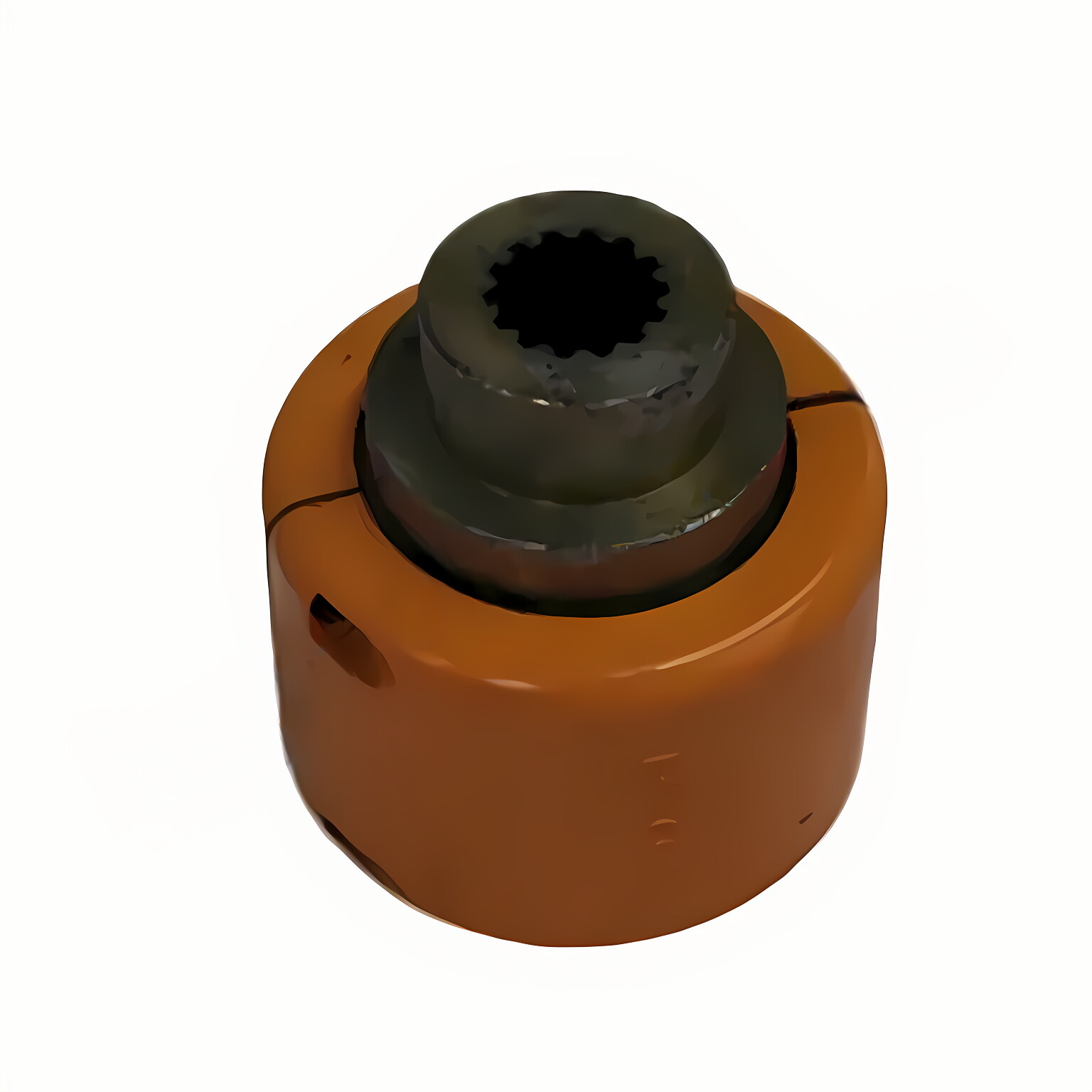
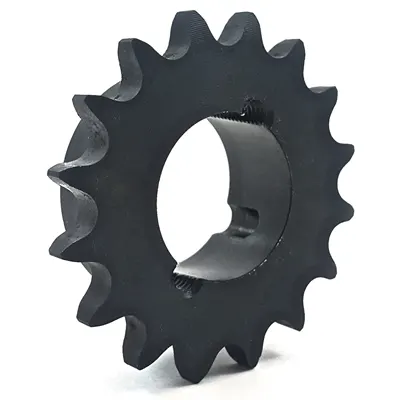
A Chain Couplings is a robust mechanical device used to transmit torque between two shafts. It consists of two sprockets, one on each shaft, connected by a double-strand roller chain. This design accommodates angular and parallel misalignment while providing an effective and economical solution for power transmission in a wide range of industrial applications. By enveloping the chain with a split cover, lubrication is retained, and safety is ensured, protecting personnel from moving parts.
Raydafon Group's chain couplings are engineered for durability and performance. Key benefits include:
The precision-machined sprockets and high-quality alloy steel chain ensure smooth operation and extended service life, making Raydafon Group a trusted name in power transmission.
Our chain couplings are available in a comprehensive range of sizes to meet diverse application requirements. Below are the detailed parameters for our standard series.
| Model Size | Bore Range (in.) | Max. Torque (lb-ft) | Max. RPM | Max. Angular Misalignment | Max. Parallel Misalignment (in.) |
|---|---|---|---|---|---|
| CC-25 | 1/2 - 1 1/8 | 180 | 5000 | 1° | 0.010 |
| CC-50 | 7/8 - 2 | 950 | 3600 | 1° | 0.012 |
| CC-75 | 1 1/2 - 2 7/8 | 2200 | 2800 | 1° | 0.015 |
| CC-100 | 2 1/4 - 3 3/4 | 4500 | 2000 | 0.5° | 0.017 |
| CC-150 | 3 1/4 - 5 | 9000 | 1500 | 0.5° | 0.020 |
To select the correct Raydafon Group chain coupling, consider the following:
Proper installation and maintenance are critical for optimal performance and longevity.
Q: What is the main advantage of a chain coupling over a gear coupling?
A: While both handle misalignment, chain couplings are generally simpler, require less precise lubrication systems, and are easier to disassemble for inspection and maintenance without axial movement of the shafts. They offer a very cost-effective solution for many standard industrial applications.
Q: How do I know when my chain coupling needs to be replaced?
A: Key signs include excessive noise or vibration, visible wear or "hooking" on the sprocket teeth, permanent slack in the chain that cannot be taken up by re-tensioning, and grease leakage indicating seal or cover damage. Regular measurement of chain pitch elongation is the most reliable method; replacement is typically recommended when elongation exceeds 2-3%.
Q: Can Raydafon Group chain couplings be used in vertical shaft applications?
A: Yes, they can. However, for vertical applications, special attention must be paid to lubrication. Raydafon Group can provide guidance on proper grease types and potentially modified covers or sealing arrangements to ensure lubricant is retained around the lower sprocket.
Q: What lubrication is required, and why is it so important?
A: A high-quality, extreme-pressure (EP) lithium soap-based grease is typically recommended. Lubrication reduces friction and wear between the chain rollers and sprocket teeth, prevents corrosion, and helps dissipate heat. Insufficient or degraded lubrication is the primary cause of premature chain coupling failure.
Q: Does Raydafon Group offer custom bore sizes or special materials?
A: Absolutely. While our standard catalog covers a wide range, Raydafon Group provides full engineering support for custom requirements. This includes special bore sizes and keyways, different materials like stainless steel for corrosive environments, and specialty coatings or finishes.
Q: How do I properly align a chain coupling?
A: While chain couplings tolerate misalignment, proper initial alignment extends life. Use dial indicators or laser alignment tools. First, achieve rough alignment. Then, mount the indicators and measure angular and parallel misalignment at the coupling faces or shaft sleeves, adjusting the machine until values are within the coupling's specified limits provided in the technical table.
Q: Are spare parts like chains and covers readily available?
A> Yes, Raydafon Group maintains a full inventory of spare components for all our coupling models. We recommend replacing the chain and both sprockets as a set for optimal performance, but individual parts like covers, gaskets, and fasteners are also available for quick shipment to minimize downtime.

 Raydafon