
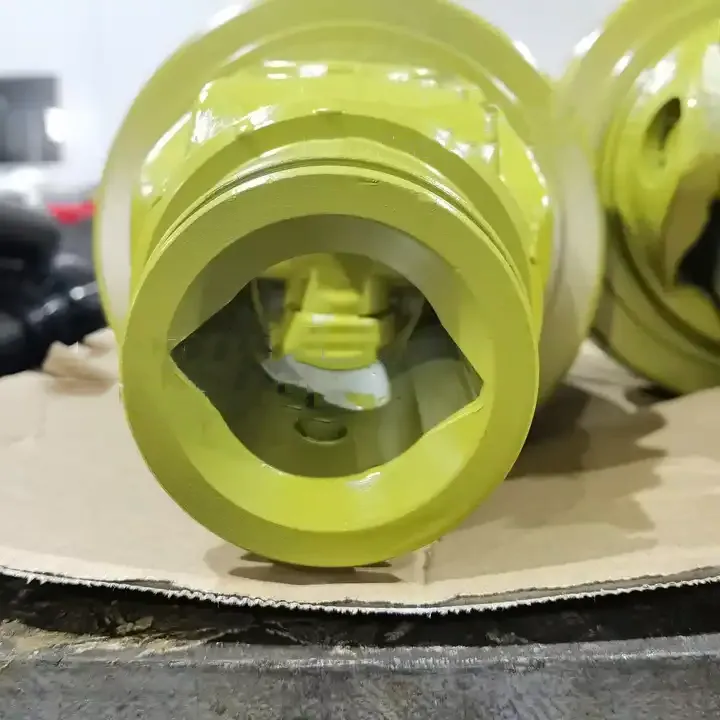
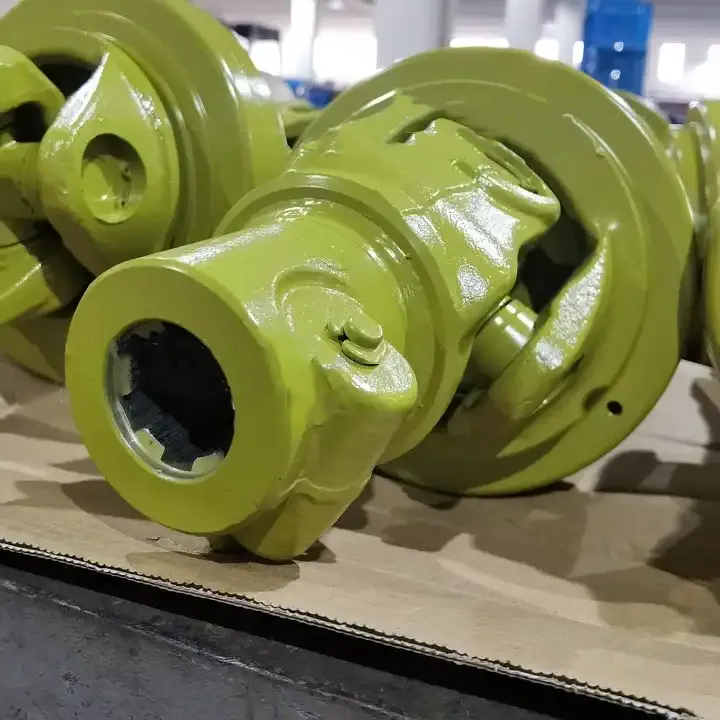
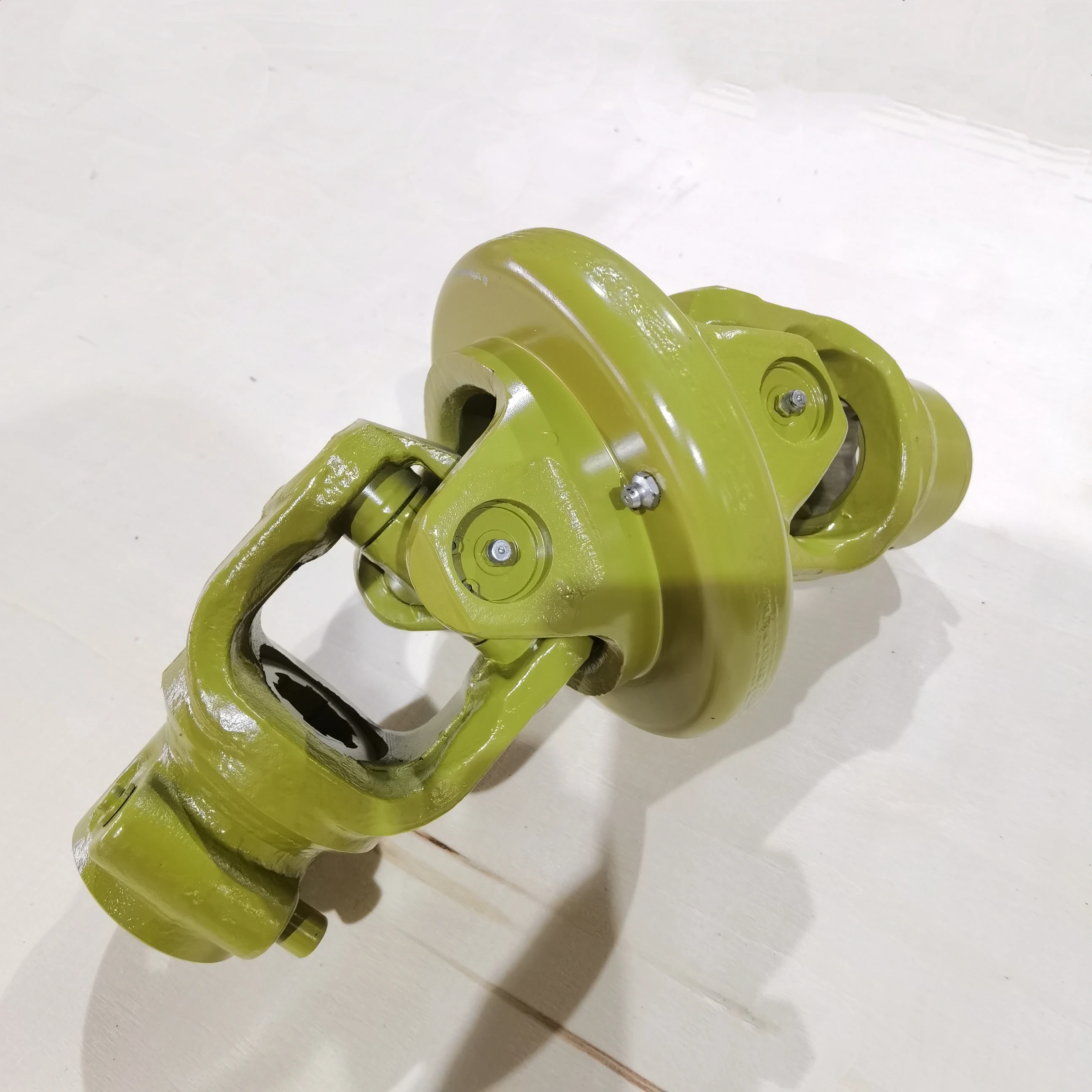
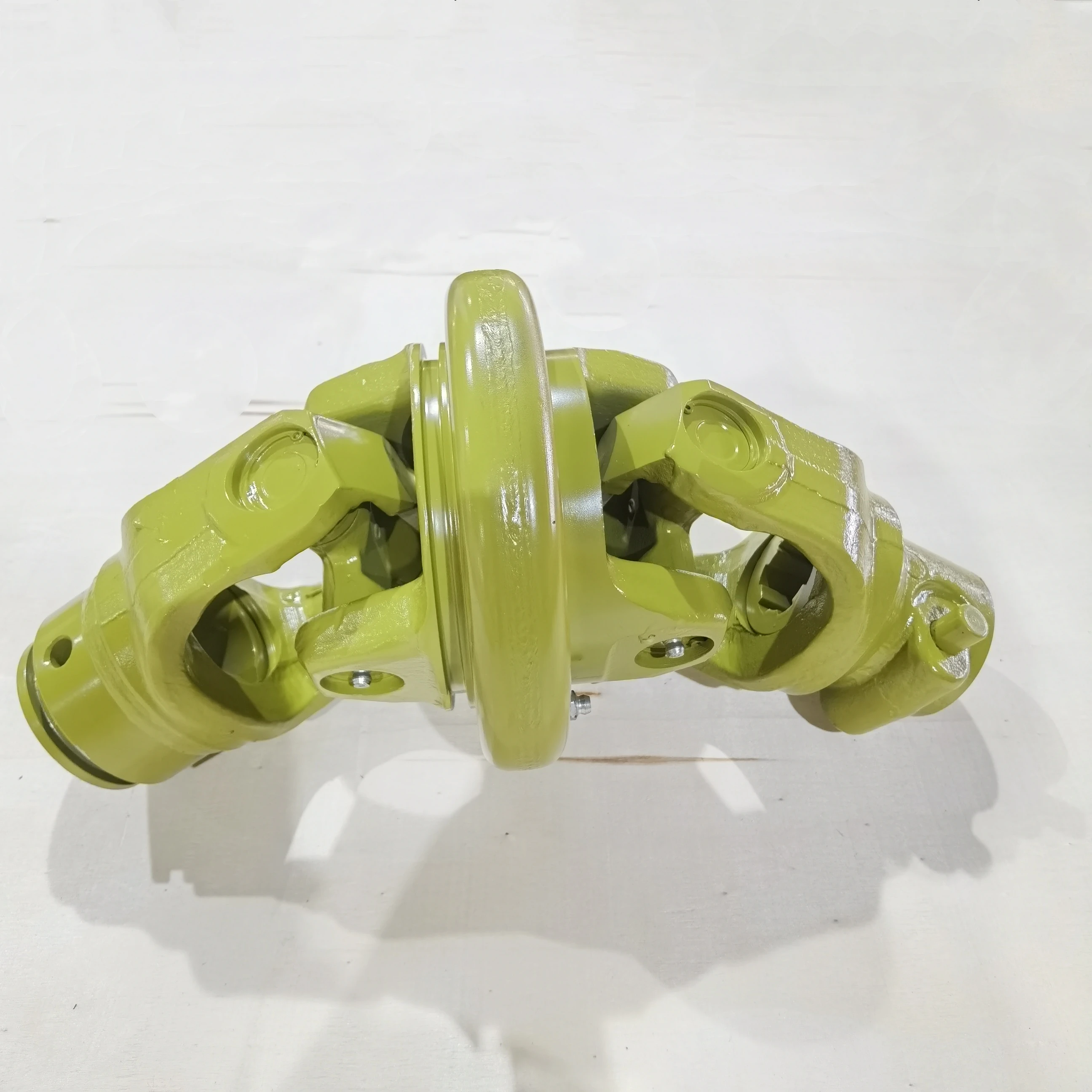
In the realm of mechanical power transmission, few components are as fundamental and versatile as the universal joint. Often called a U-joint or Cardan joint, this ingenious mechanical device is designed to connect two rotating shafts at an angle, allowing for the efficient transfer of torque and rotary motion even when the shafts are not perfectly aligned. The core principle involves a cross-shaped bearing assembly that connects two yokes—one on each shaft. This cross pivots within the yokes, compensating for angular misalignment and enabling smooth rotation despite the bend in the drive system. This functionality is critical in countless applications where perfect alignment is impossible or undesirable, such as in vehicle drivetrains connecting the transmission to the rear axle, industrial machinery, agricultural equipment, and marine propulsion systems.
At Raydafon Group, we have dedicated decades to mastering the science and craft of power transmission. Our universal joints are not merely components; they are engineered solutions built for reliability, durability, and peak performance under demanding conditions. We utilize advanced metallurgy, precision machining, and rigorous quality control to produce U-joints that exceed industry standards. Whether for high-speed applications, heavy-load scenarios, or corrosive environments, our product range is designed to deliver unwavering power transmission, minimizing vibration and wear to extend the operational life of your entire mechanical system.
Selecting the correct universal joint is paramount for system efficiency and safety. Our products are characterized by a comprehensive set of engineering specifications. Below is a detailed breakdown of the key parameters we specify for our universal joints, ensuring you have the data needed for an informed selection.
| Series Model | Bore Range (mm) | Rated Torque (Nm) | Max RPM | Max Dynamic Angle | Key Features & Typical Application |
|---|---|---|---|---|---|
| RD-HEAVY | 30 - 120 | 1,200 - 25,000 | 2,500 | 15° | Forged yokes, heavy-duty needle bearings. For steel mills, mining equipment, heavy-duty pumps. |
| RD-PRECISION | 10 - 50 | 50 - 1,500 | 8,000 | 25° | Precision ground, dynamically balanced to G2.5. For CNC machinery, robotics, high-speed spindles. |
| RD-MARINE | 25 - 80 | 800 - 10,000 | 3,500 | 20° | Stainless steel or coated components, sealed against saltwater. For marine propulsion, deck machinery. |
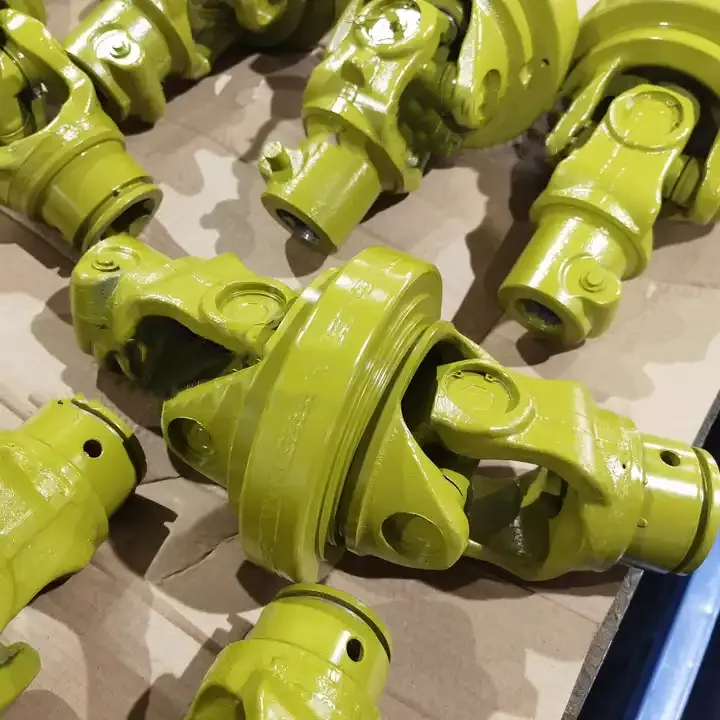
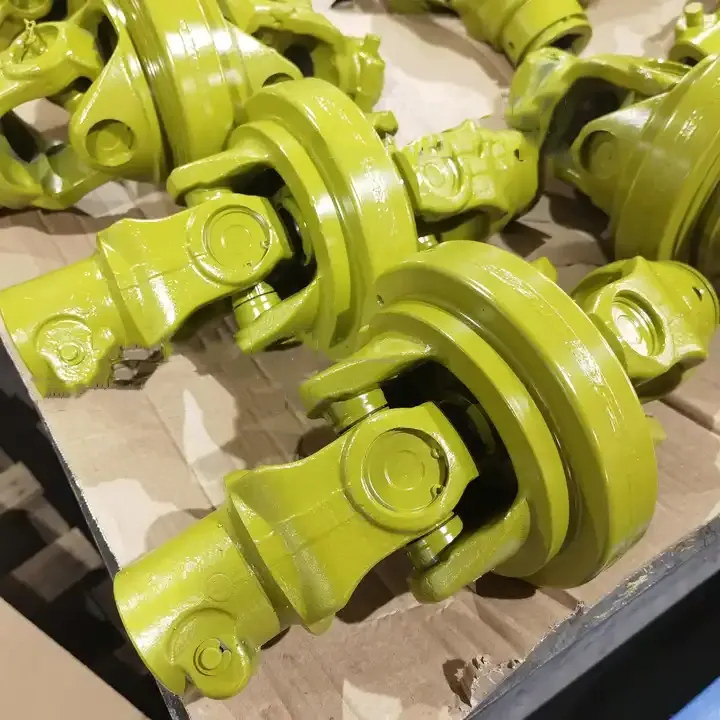
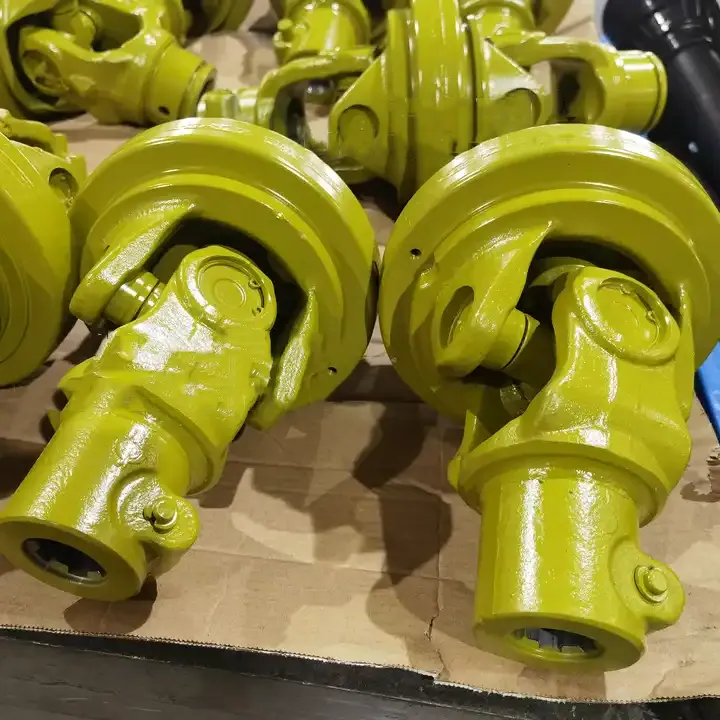
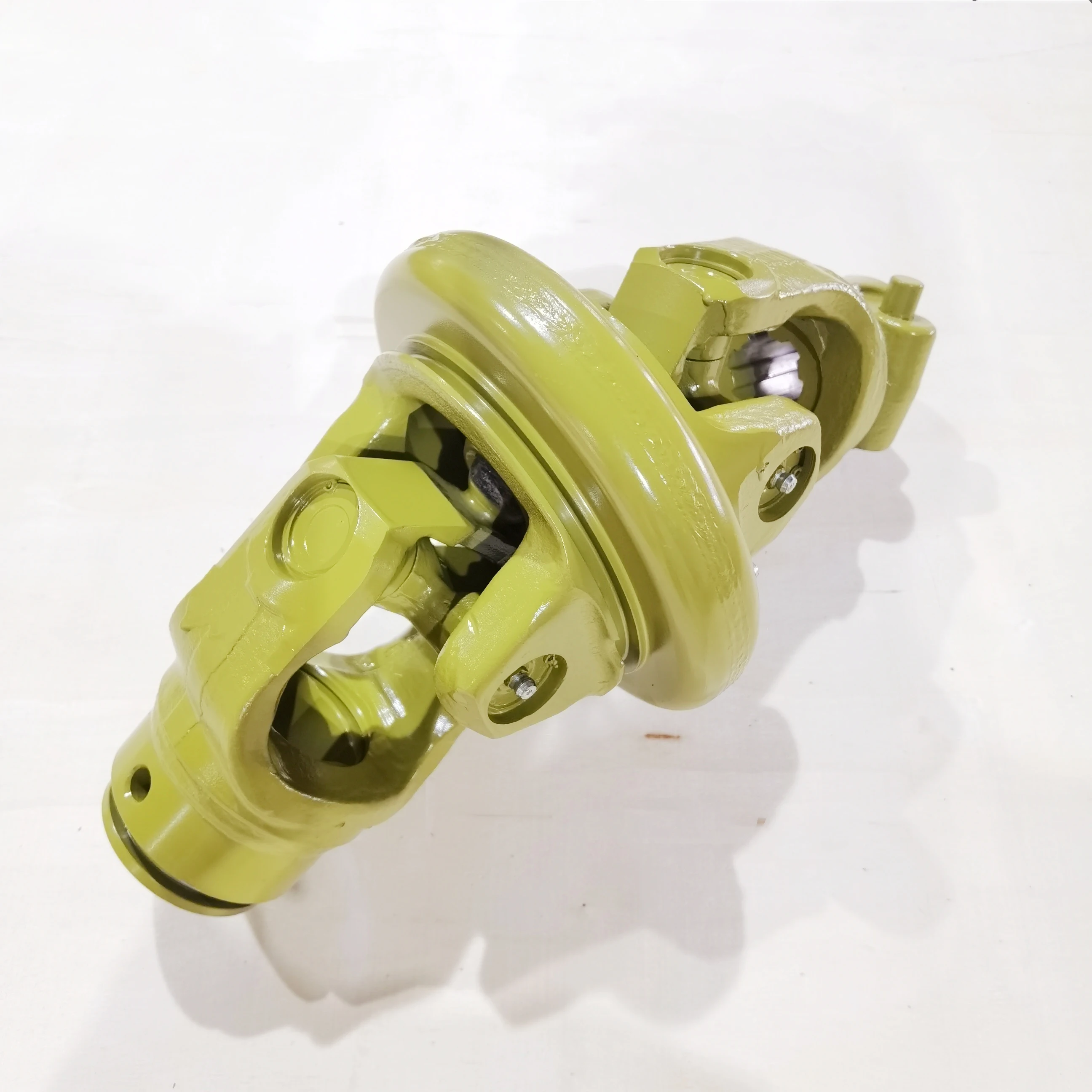
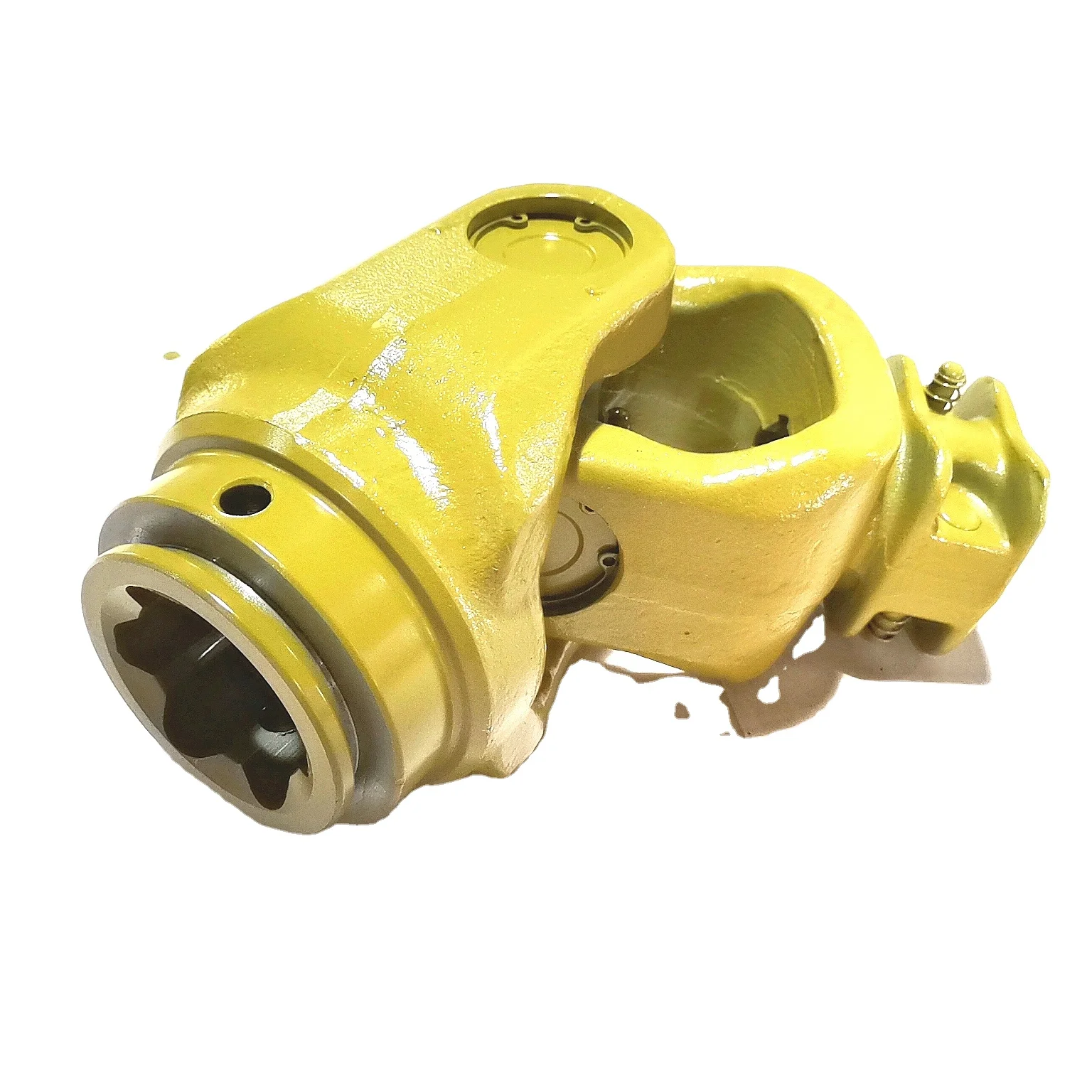
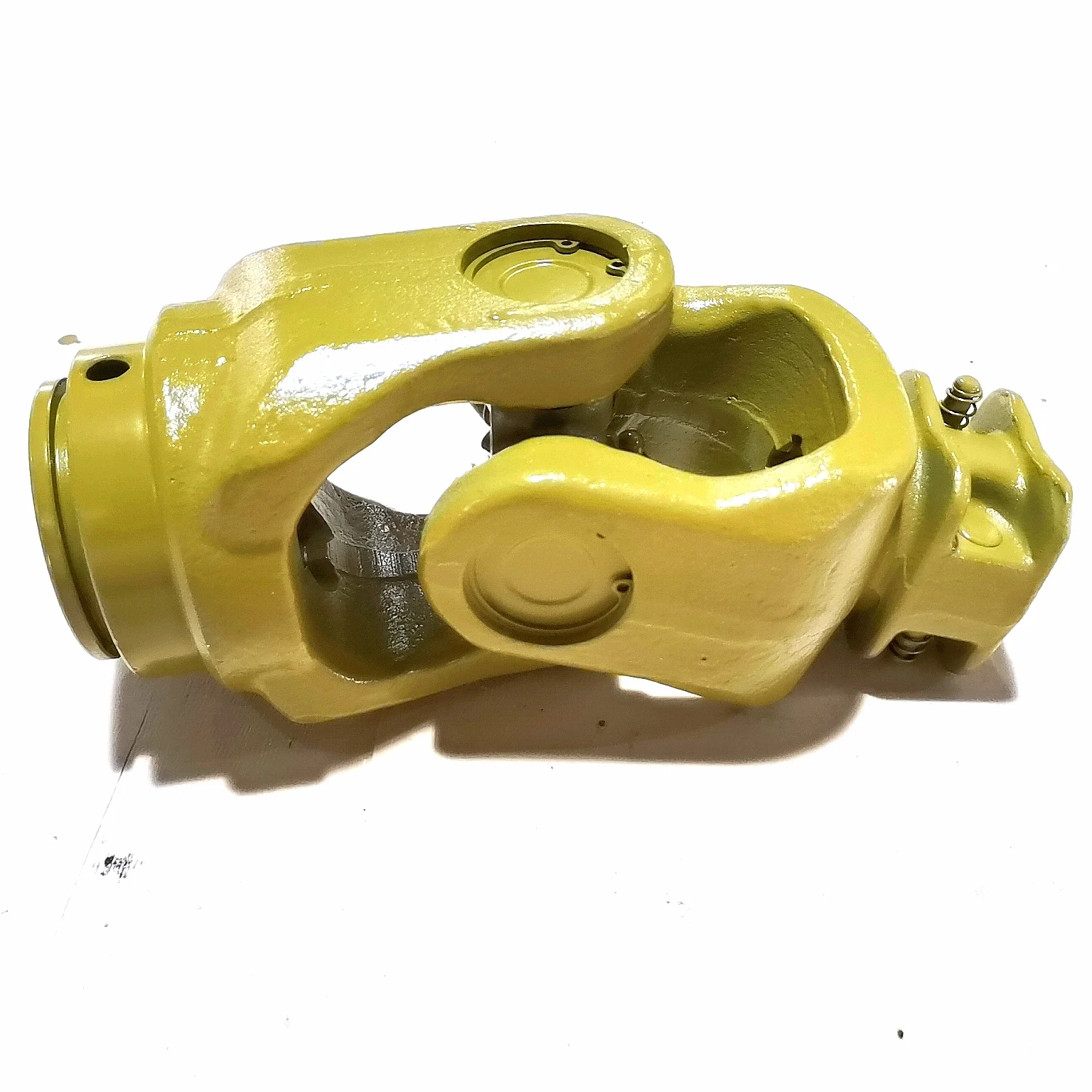
| RD-AGRI | 20 - 70 | 400 - 8,000 | 4,000 | 30° | Robust seal design, high misalignment tolerance. For tractor PTO shafts, harvesters, irrigation systems. |
| RD-STANDARD | 15 - 60 | 200 - 5,000 | 5,000 | 20° | Cost-effective, versatile design with grease fittings. General industrial use, conveyors, fans. |
What is the primary purpose of a universal joint?
The primary purpose of a universal joint is to transmit rotational torque between two shafts that are not aligned in a straight line. It allows for angular misalignment while the shafts are rotating, making it a crucial component in drivetrains and machinery where perfect alignment is impractical.
How often should I lubricate my universal joint?
Lubrication intervals depend entirely on the joint type, operating speed, load, and environment. Joints with grease (zerk) fittings typically require lubrication every 50 to 100 operating hours under normal conditions. High-speed or high-load applications may need more frequent service. Sealed, maintenance-free joints from Raydafon Group are lubricated for life under their specified operating conditions. Always consult the manufacturer's manual for specific guidelines.
What are the signs of a failing universal joint?
Common signs include: 1) A noticeable clunking or knocking sound, especially when shifting from drive to reverse or under initial acceleration. 2) Excessive vibration felt through the vehicle or machine, often increasing with speed. 3) Visible rust or grease flung around the joint area, indicating a broken seal. 4) Physical play or looseness when manually checking the joint (with the system powered down and safe).
Can a universal joint handle both angular and parallel misalignment?
A single universal joint is designed primarily for angular misalignment (shafts meeting at an angle). It does not compensate for parallel offset misalignment (shafts running parallel but not collinear). For applications with parallel offset, a double universal joint assembly or a different coupling type like a jaw coupling or gear coupling is required.
What is the difference between a single and double universal joint assembly?
A single universal joint connects two shafts. However, it creates a non-uniform output speed if the input speed is constant, which can cause vibration. A double universal joint assembly uses two joints connected by an intermediate shaft. When properly phased (yokes aligned), this setup cancels out the velocity fluctuations, providing a smooth, constant velocity output, provided the input and output shafts are parallel.
How do I select the right universal joint for my application?
Key selection criteria involve: 1) Torque & Speed: Calculate the required torque and maximum RPM. 2) Shaft Size & Connection: Measure the shaft diameter and determine the needed connection type. 3) Misalignment: Determine the maximum operating angle between shafts. 4) Environment: Consider exposure to dust, moisture, chemicals, or extreme temperatures. 5) Balance & Life: For high-speed apps, specify balance quality; for cyclic loading, check dynamic load ratings. The Raydafon Group engineering team can assist with this critical process.
Are Constant Velocity (CV) Joints and Universal Joints the same thing?
While both transmit power at an angle, they are different. A standard universal joint (Hooke's joint) produces a cyclic variation in output speed and torque, leading to vibration at higher angles/speeds. A Constant Velocity (CV) joint, as used in front-wheel-drive axles, is designed to transmit power at a constant rotational speed without variation, even at sharp angles, by using a ball and cage mechanism.
What materials are Raydafon Group's universal joints made from?
We use material grades selected for the application. Our standard and heavy-duty joints typically use high-carbon or alloy steel, often case-hardened for a hard, wear-resistant surface over a tough, ductile core. Our RD-MARINE series utilizes austenitic stainless steel (e.g., AISI 316) or advanced protective coatings to resist corrosion. Special alloys are available for extreme temperature or chemical exposure.
What maintenance is required for a sealed, maintenance-free universal joint?
Truly maintenance-free joints, like some in the Raydafon Group range, are pre-lubricated with high-quality grease and feature permanent seals designed to last the service life of the joint. The primary maintenance is regular visual inspection for damage, seal integrity, and signs of excessive wear. They are not intended to be regreased or disassembled.
Can I replace a universal joint myself, or do I need a professional?
Replacement feasibility depends on the application complexity. For a simple PTO shaft on farm equipment or a standard industrial setup with proper access, a competent individual with the right tools (snap ring pliers, press, etc.) can perform the replacement by carefully following the manufacturer's instructions. For critical applications like automotive drivelines or high-speed machinery, or if special pressing/balancing equipment is needed, it is strongly recommended to have the replacement performed by a qualified technician to ensure safety, correct phasing, and balance.

 Raydafon