
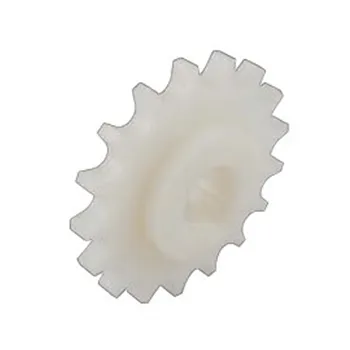
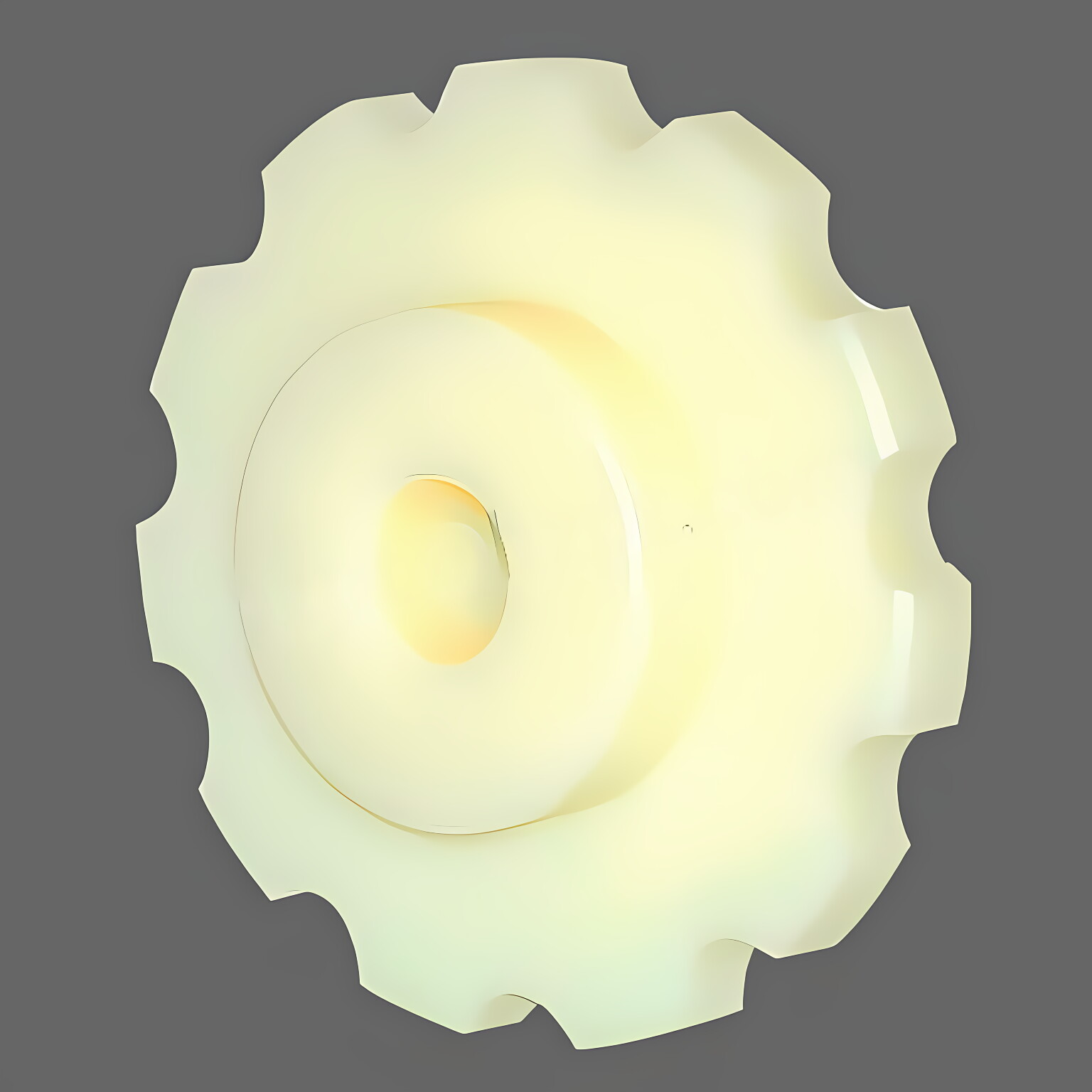
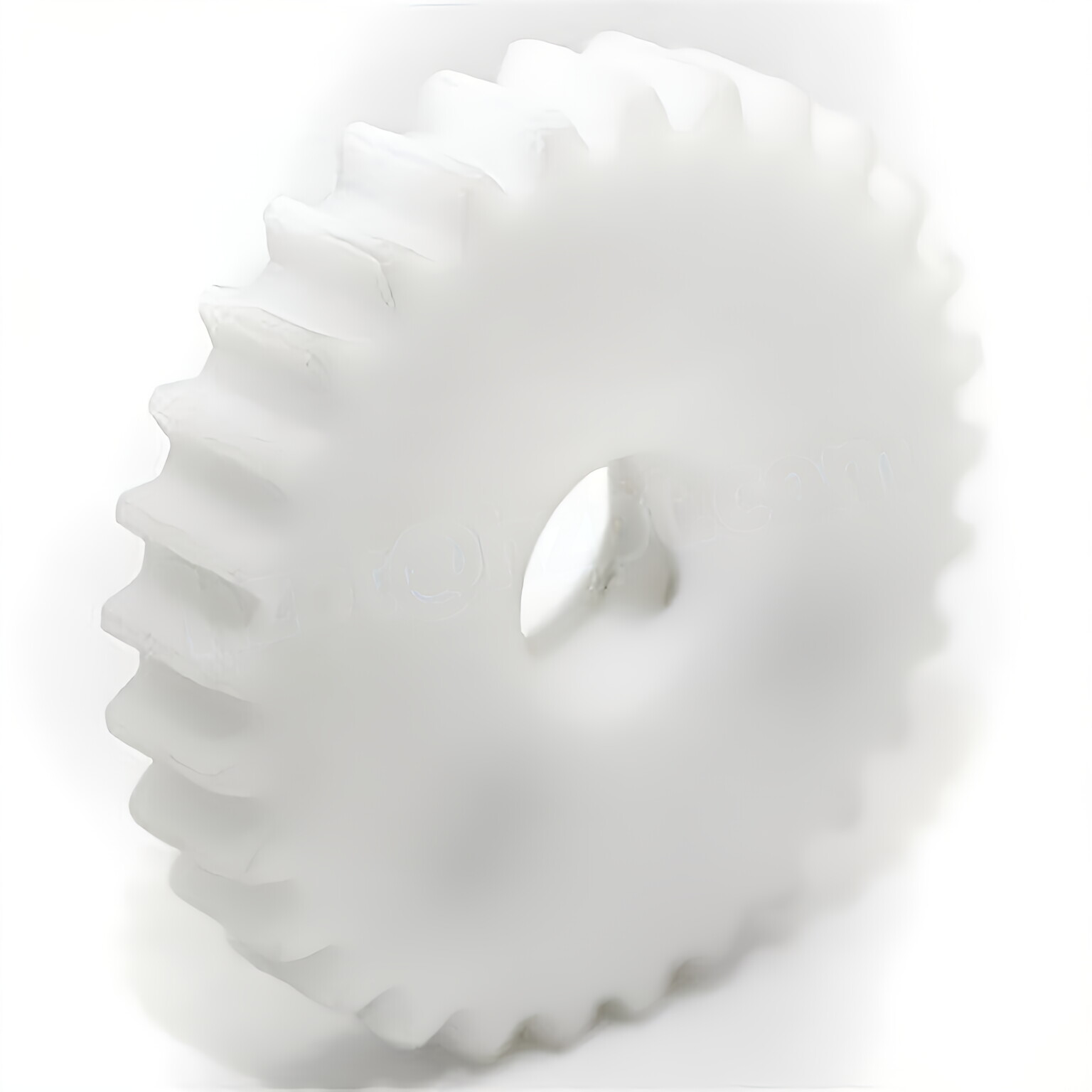
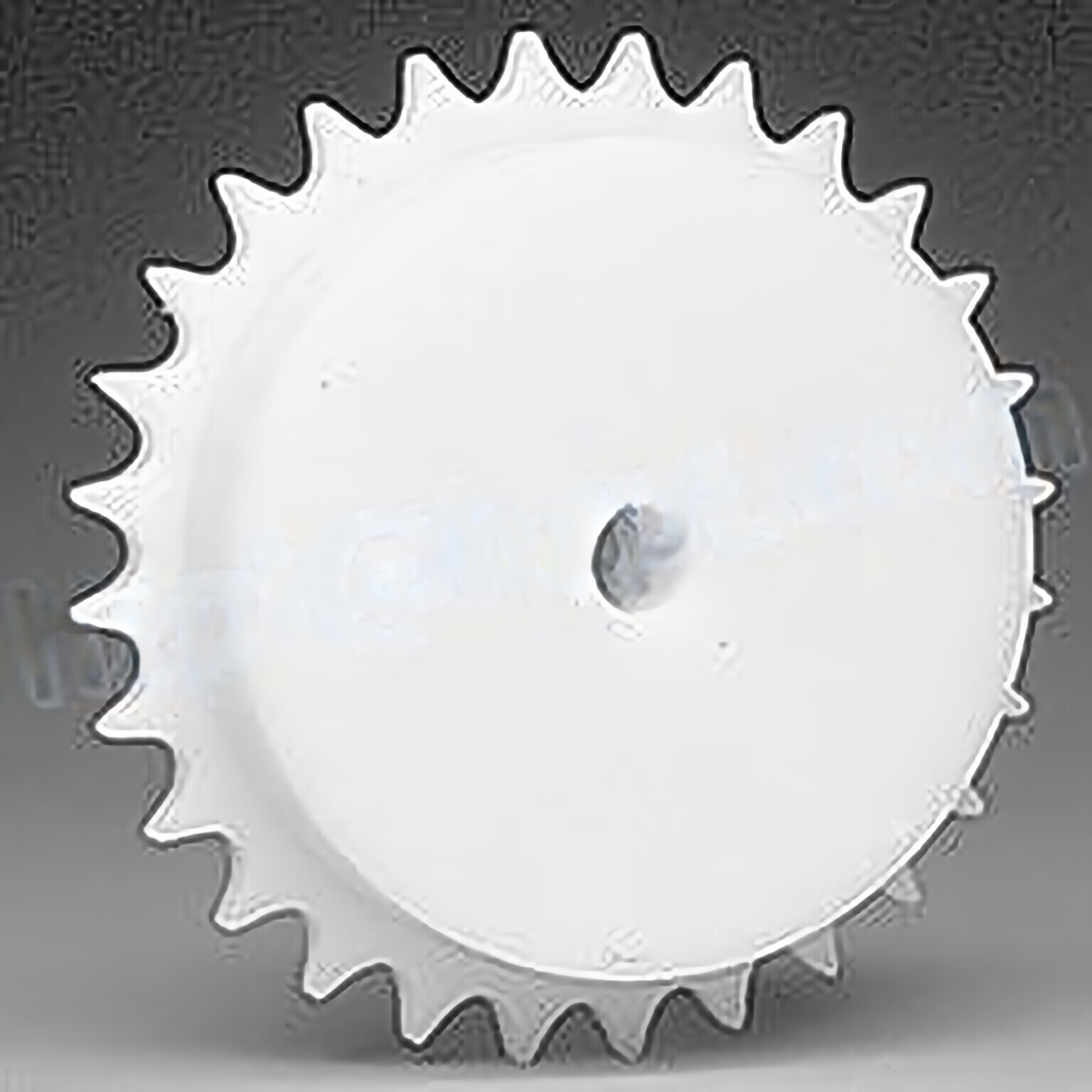
In the world of precision motion control and power transmission, the choice of components is critical to the efficiency, longevity, and noise levels of your machinery. Among these components, Plastic Sprockets have emerged as a superior alternative to traditional metal sprockets in countless applications. Engineered for performance and durability, these sprockets offer a unique combination of lightweight construction, corrosion resistance, and cost-effectiveness. At Raydafon Group, we specialize in the design and manufacture of high-performance plastic sprockets that meet the rigorous demands of modern industry. This guide delves into the technical specifications, advantages, and applications of our products, providing you with the detailed information needed to make an informed decision for your next project.
Plastic sprockets are not merely substitutes for metal; they are often the optimal choice for specific operational environments. Their inherent material properties offer distinct benefits:
Raydafon Group manufactures plastic sprockets to exacting standards, using high-grade engineering polymers. Our product range is characterized by precision molding, consistent quality, and reliable performance. Below are the key parameters that define our offerings.
We utilize several advanced polymers, each selected for specific property advantages:
The following table outlines the standard specifications for our most common plastic sprocket series. Custom designs are available upon request.
| Parameter | Specification Range / Description | Standards |
|---|---|---|
| Pitch | #25, #35, #40, #41, 0.375", 0.5", 0.625", 0.75", 1.0", Metric Pitches (e.g., 8mm, 10mm, 12.7mm) | ANSI, ISO, BS, DIN |
| Number of Teeth | 6 to 60 teeth (standard), up to 120 teeth for custom designs | Customer specified |
| Bore Type | Plain Bore, Finished Bore (with keyway and set screws), Taper-Lock® Bushings, QD Bushings | ANSI, Metric, Custom |
| Bore Diameter Range | 1/4" to 2" (Imperial), 6mm to 50mm (Metric) | - |
| Hub Configuration | Plain, Single Hub, Double Hub, Extended Hub with Flange | - |
| Face Width | Standard, Double Wide | - |
| Operating Temperature | -40°C to +120°C (-40°F to +250°F) depending on material | - |
| Tensile Strength | 50 - 180 MPa (varies by material and reinforcement) | ASTM D638 |
| Color | Natural (White/Beige), Black, Blue (Food-Grade options available) | - |
Q: What are the main limitations of plastic sprockets compared to steel sprockets?
A: While offering numerous benefits, plastic sprockets have specific limitations. Their primary constraints are lower maximum operating temperatures and reduced load-bearing capacity compared to high-strength steel. They are generally not suitable for extremely high-torque applications or environments with continuous exposure to temperatures above their heat deflection point. Additionally, certain chemicals or solvents may degrade specific plastics, so material selection must consider the full chemical environment.
Q: How do I select the right material for my plastic sprocket application?
A: Material selection is based on a thorough assessment of your operating conditions. Key factors include: the load (tension and shock load), speed (RPM), operating temperature range, environmental exposure (moisture, chemicals, UV light), required wear life, and need for lubrication-free operation. For example, choose Acetal (POM) for low-friction, precision drives; Nylon for general wear resistance; UHMW-PE for high-impact applications; and Polypropylene for harsh chemical exposure. Raydafon Group's engineering team can assist in this critical selection process.
Q: Can plastic sprockets be used with metal chains?
A: Yes, absolutely. Plastic sprockets are commonly and effectively paired with standard roller chains (both steel and stainless steel). The interaction is typically smooth, and the plastic's self-lubricating properties can reduce wear on the metal chain. It is crucial to ensure the chain pitch and the sprocket pitch are perfectly matched. Using a chain that is too worn can accelerate sprocket wear.
Q: What is the typical service life of a Raydafon Group plastic sprocket?
A: Service life is highly variable and depends on the "PV" (Pressure-Velocity) factor of the application—the combination of load and speed. Under normal, well-aligned conditions within the rated load and speed limits, our sprockets can last for thousands of hours of operation. Life is extended in clean, cool, and properly tensioned systems. We provide PV rating charts for our materials to help engineers predict wear life during the design phase.
Q: Are your plastic sprockets suitable for food and beverage or pharmaceutical applications?
A: Yes. Raydafon Group offers several solutions for these sensitive industries. We manufacture sprockets from FDA-compliant and EU 10/2011 compliant materials (such as specific grades of Polypropylene and Acetal). We also offer sprockets in easy-to-clean designs (e.g., with radiused edges) and in distinctive blue color for HACCP compliance, ensuring they meet stringent hygiene and safety standards for direct or incidental food contact.
Q: Do you offer custom plastic sprocket designs?
A: Customization is a core strength at Raydafon Group. We can engineer and manufacture plastic sprockets to meet virtually any requirement. This includes non-standard pitches, unique tooth profiles, special hub and bore configurations, integrated components (like gears or pulleys), and sprockets made from custom-compounded materials with specific additives for conductivity, static dissipation, or enhanced UV stability. Our in-house tooling and molding capabilities allow for efficient prototyping and production.
Q: How do I properly install and maintain a plastic sprocket drive system?
A: Proper installation is key to maximizing performance and lifespan. Ensure precise alignment between the driver and driven shafts using a laser or straightedge alignment tool. Maintain correct chain tension—avoid over-tensioning, as this induces excessive bearing load and wear. Although many plastic sprockets run dry, a light application of a compatible dry-film or silicone-based lubricant can further reduce friction and wear in some high-cycle applications. Regularly inspect the system for signs of abnormal wear, cracks, or accumulated debris.
The versatility of our plastic sprockets makes them indispensable across diverse sectors:

 Raydafon