
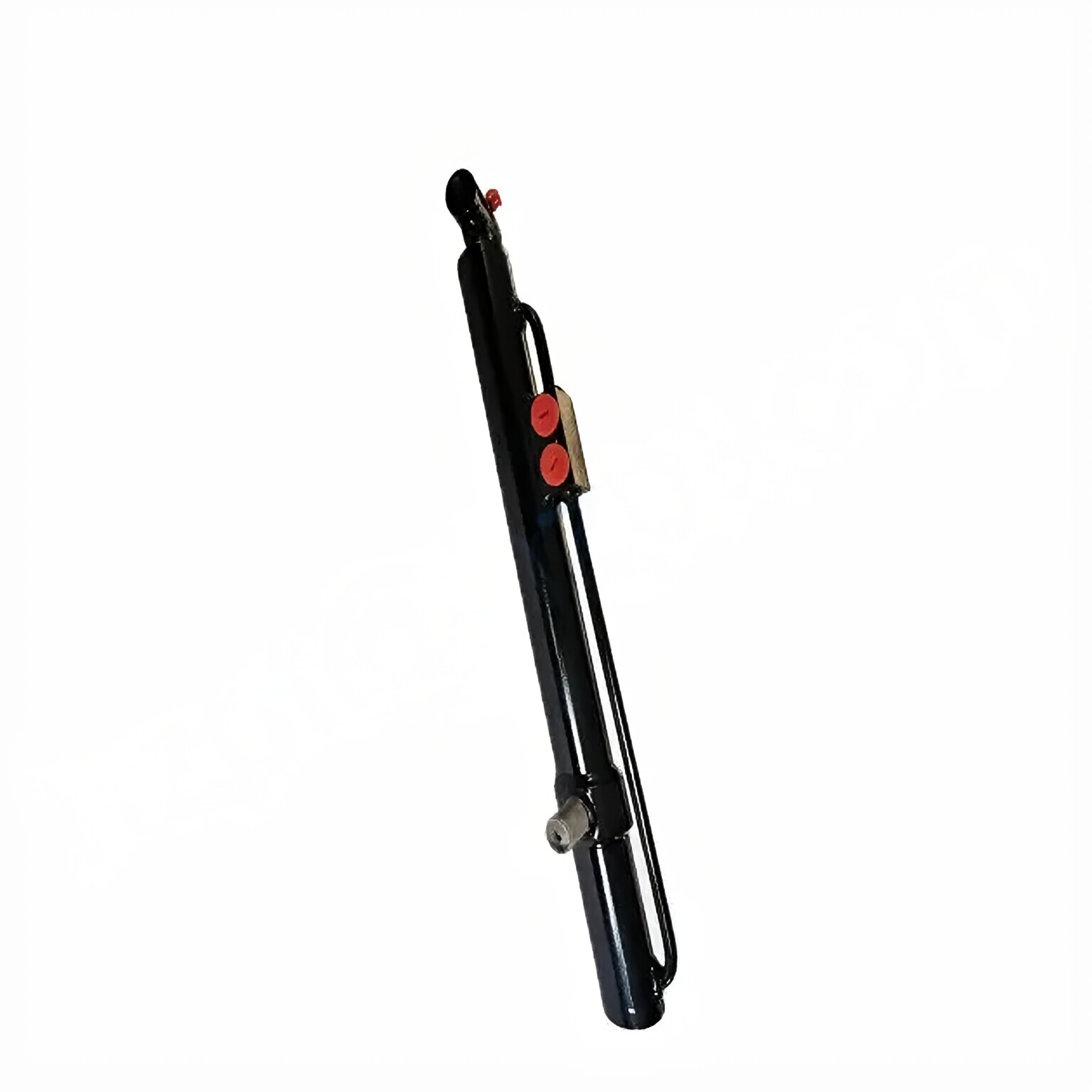
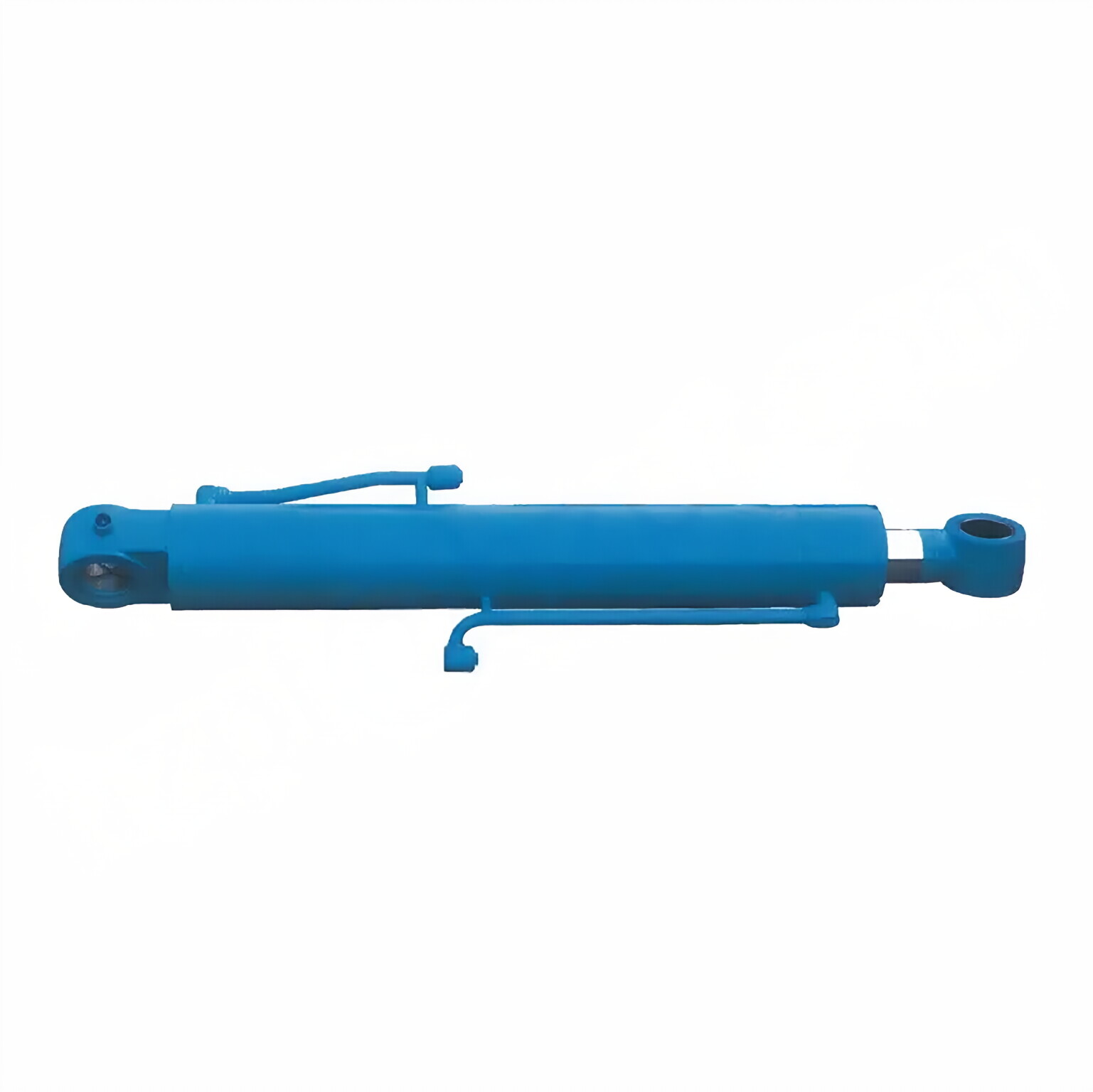
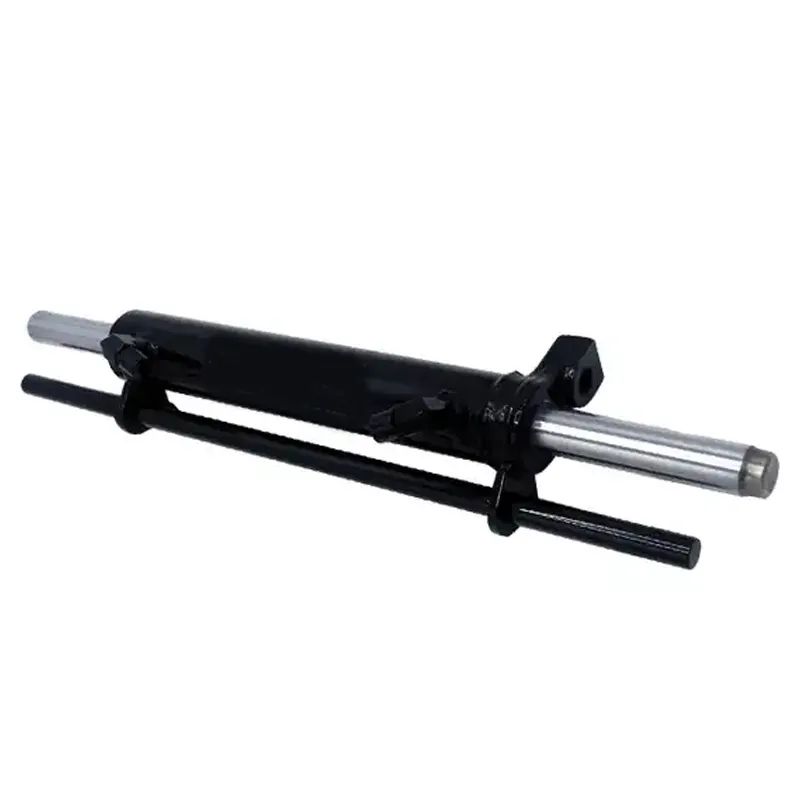
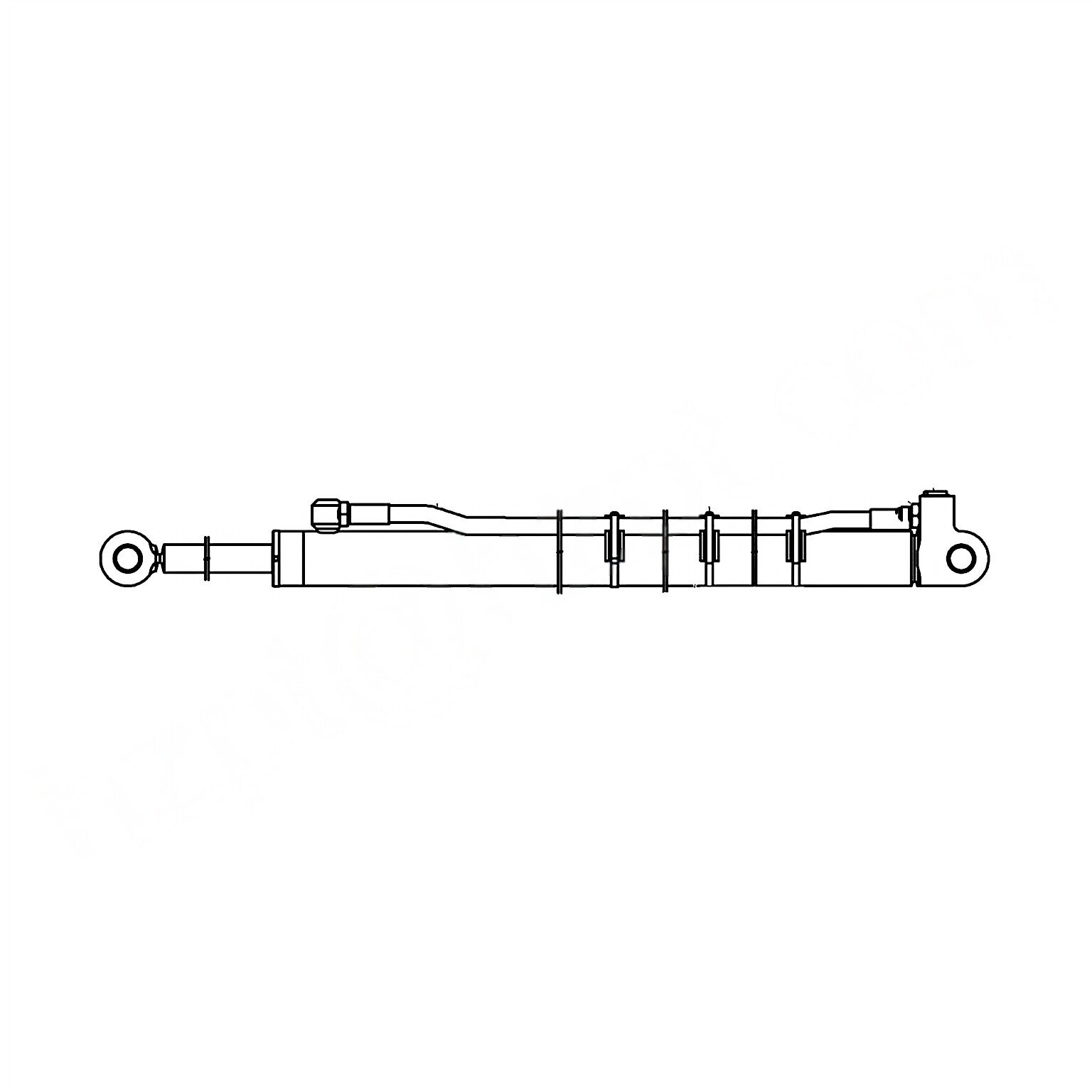
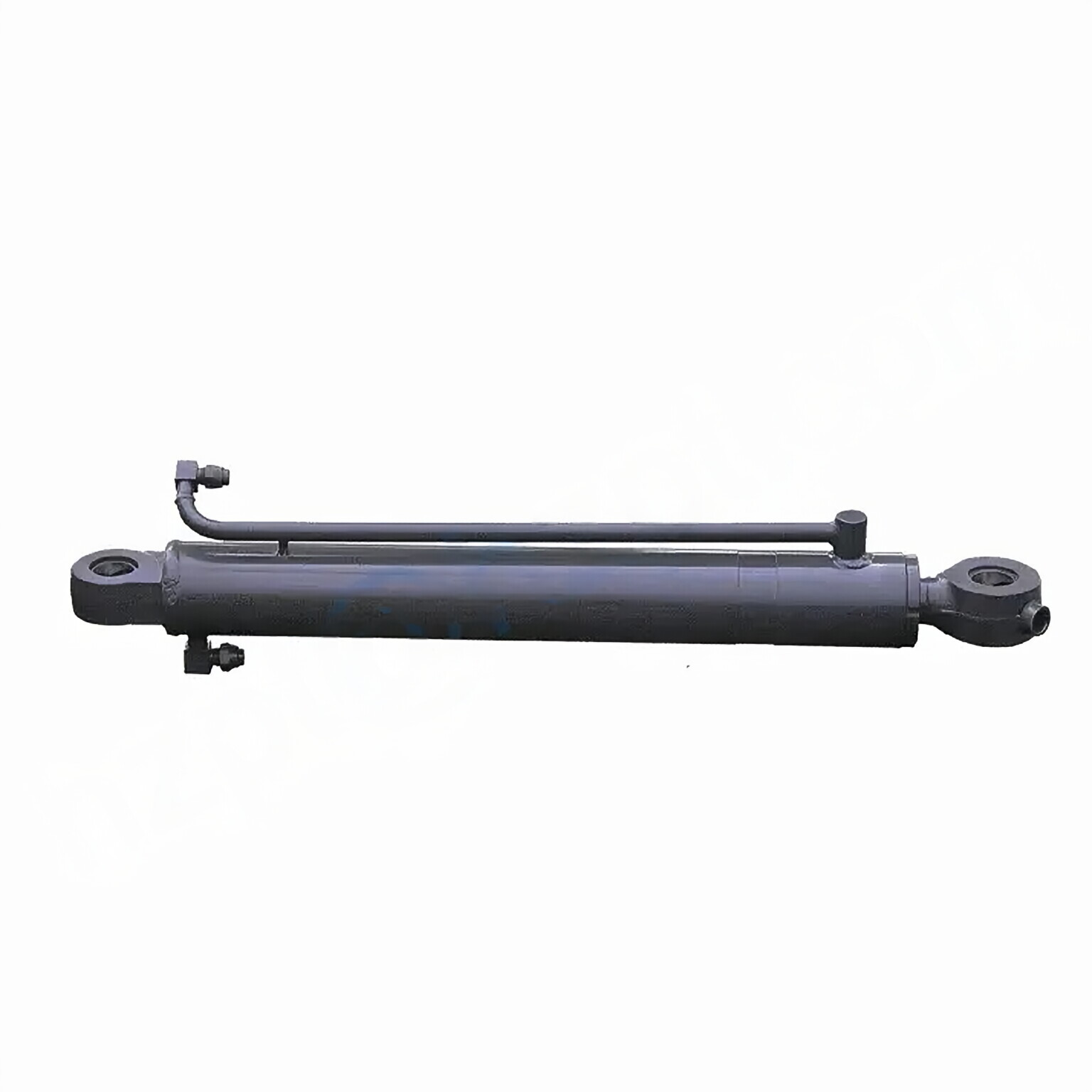
How do hydraulic oil cylinders integrate with the overall hydraulic system of a crawler transport vehicle? Imagine a massive, fully loaded crawler transport vehicle navigating a rugged, muddy construction site or a steep mining incline. Its immense weight and the challenging terrain demand precise, powerful, and reliable control for lifting, tilting, and steering. This control is orchestrated by the vehicle's hydraulic system, where hydraulic oil cylinders act as the critical 'muscles' that convert hydraulic fluid pressure into the linear mechanical force needed for all major movements. These cylinders do not operate in isolation; they are the core executive components integrated into a sophisticated hydraulic circuit comprising pumps, valves, filters, and reservoirs. Their seamless integration dictates the vehicle's efficiency, safety, and productivity. For procurement professionals sourcing these vital parts, understanding this integration is key to specifying components that ensure system harmony and avoid costly downtime. Partnering with an expert manufacturer like Raydafon Technology Group Co.,Limited guarantees cylinders engineered for perfect system integration, delivering the durability and performance that heavy-duty applications demand.
Article Outline
In the demanding world of heavy machinery, a crawler transport vehicle's functionality hinges on its hydraulic system's ability to provide immense, controlled force. The hydraulic oil cylinder is the endpoint where hydraulic energy becomes useful mechanical work. Whether it's raising the cargo bed for dumping, adjusting the blade angle on a bulldozer attachment, or articulating the frame for steering, each cylinder is tasked with moving significant loads under extreme stress. A failure here doesn't just stop one function; it can cripple the entire vehicle. The integration challenge begins with ensuring the cylinder's specifications—bore size, rod diameter, stroke length, and pressure rating—are perfectly matched to the system's pump capacity and the specific force requirements of each machine function. An undersized cylinder will be slow and weak, while an oversized one can cause system inefficiency and pressure spikes.
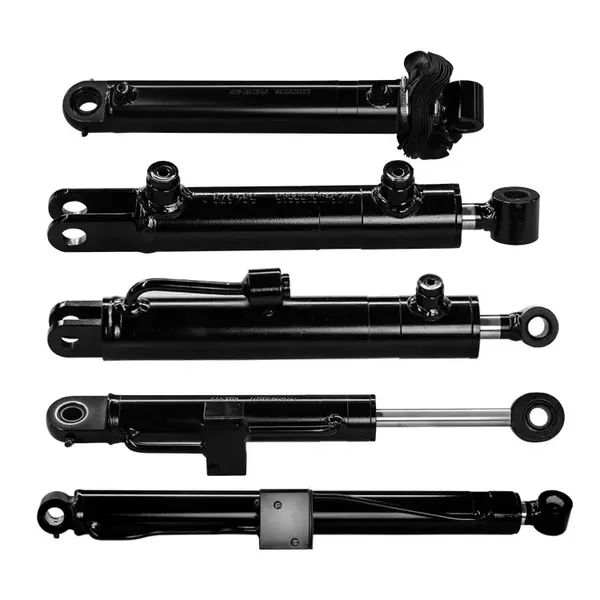
This precise matching is where Raydafon Technology Group Co.,Limited excels. We don't just sell cylinders; we provide integrated power solutions. Our engineering team begins by analyzing your vehicle's overall hydraulic system schematic and performance goals. We then design and manufacture cylinders with optimal displacement and force profiles, ensuring they work in harmony with your existing pumps and control valves. This systems-level approach prevents bottlenecks and maximizes the efficiency and responsiveness of your crawler transport vehicle.
| System Function | Cylinder Role | Typical Raydafon Specification Focus |
|---|---|---|
| Bed Hoisting/Lifting | Provides vertical lifting force for load dumping. | High tonnage capacity, robust rod design, synchronized multi-cylinder control. |
| Steering/Articulation | Controls the pivot between front and rear frames for turning. | Precise metering, side-load resistance, compact mounting design. |
| Attachment Control (e.g., blades, forks) | Positions and angles various work tools. | Custom stroke lengths, integrated position sensing, fast response times. |
Integration is more than just physical mounting. It involves seamless interaction at several critical points within the hydraulic circuit. First, the cylinder's ports and flow paths must be sized to handle the system's flow rate without causing excessive pressure drop or heat generation. Second, the cylinder's seals and materials must be compatible with the system's hydraulic fluid type and operating temperature range. Third, and most crucially, the cylinder must respond predictably to commands from the directional control valves. Any lag, jerky movement, or internal leakage translates directly into poor vehicle control and operator frustration.
A common integration failure point is the mismatch between the control valve's spool characteristics and the cylinder's volumetric needs. Raydafon addresses this by offering custom porting options and working closely with valve suppliers or designing complete valve-cylinder packages. Furthermore, our cylinders are built with premium-grade seals from leading manufacturers, ensuring long-term compatibility and leak-free operation even with biodegradable or fire-resistant hydraulic fluids often specified in sensitive environments.
| Integration Point | Challenge | Raydafon Integration Solution |
|---|---|---|
| Hydraulic Hose/Piping Connections | Improper port size or thread type causes leaks and flow restriction. | Custom port machining to match existing system standards (SAE, JIC, BSPP). |
| System Pressure & Flow | Cylinder not optimized for system's pressure/flow curve, causing inefficiency. | Performance modeling to match cylinder displacement to pump output. |
| Control Valve Interface | Cylinder response is slow or unstable due to valve-cylinder mismatch. | Providing damping recommendations or integrated pilot-operated check valves. |
Procurement managers and maintenance engineers face recurring issues when hydraulic cylinders are treated as generic commodities rather than system-integrated components. Pain Point 1: Premature Seal Failure. This often stems from using standard seals in a system with high-temperature spikes or incompatible fluid. Raydafon's solution involves a detailed application review to specify high-temperature, chemically compatible seal kits, often including wiper seals to prevent external contamination—a major cause of internal wear.
Pain Point 2: Poor Load Holding and Drift. When a raised bed slowly sinks or a steering cylinder creeps, it indicates internal leakage past the piston seals. This is a critical safety and performance issue. Raydafon cylinders are manufactured to exceptionally tight tolerances. Our honing process creates an ideal surface finish on the cylinder tube, and we pair it with precisely machined pistons and advanced seal geometries like ParoHermetic® designs to minimize leak paths, ensuring reliable load holding.
Pain Point 3: Rod and Bearing Damage from Side Loads. Crawler vehicles operate on uneven ground, imposing significant side loads on cylinders. Standard cylinders with inadequate bearing surface area will wear quickly, leading to seal damage and fluid leaks. Raydafon integrates oversized rod bearings and reinforced mounting clevises to distribute these loads, dramatically extending service life and reducing maintenance intervals.
| Pain Point | Root Cause | Raydafon's Engineered Solution |
|---|---|---|
| Frequent Seal Blow-outs | Pressure spikes, thermal degradation, fluid incompatibility. | Spike-resistant seal materials, thermal analysis, fluid compatibility testing. |
| Cylinder Drift Under Load | Internal leakage due to poor piston seal/tube finish. | Micro-finish honing, low-friction seal compounds, leak-testing every unit. |
| Bent Rods & Premature Wear | Insufficient resistance to side loads and misalignment. | Oversized rod diameters, hardened chrome plating, spherical bearing mounts. |
Selecting the right cylinder requires going beyond basic bore and stroke. For true system integration, procurement specialists must consider a holistic set of parameters. Force (both push and pull) must be calculated based on system pressure and cylinder geometry. Speed requirements dictate necessary flow rates. But equally important are the environmental and duty cycle factors: expected operating temperature range, exposure to contaminants, required cycle life, and the presence of shock loads. Providing your supplier with this complete picture is essential.
Raydafon Technology Group Co.,Limited simplifies this process. Our technical datasheets and consultation services guide you through every parameter. We help you define not just the nominal requirements but the extreme conditions your equipment will face. This allows us to recommend enhancements like hard chrome plating for corrosion resistance in salty environments, or special rod coatings for abrasive conditions, ensuring the cylinder is not just a fit but an optimized, durable component of your crawler vehicle's hydraulic system.
| Selection Parameter | Why It Matters for Integration | Key Question for Your Supplier |
|---|---|---|
| Operating Pressure Rating | Must exceed system relief valve setting to handle spikes safely. | What is your test pressure, and what safety factor do you apply? |
| Seal Material & Type | Must be compatible with fluid chemistry and operating temperature. | Can you provide seals compatible with [specific fluid type, e.g., HETG]? |
| Mounting Style | Must fit the vehicle's existing mounting geometry and absorb forces correctly. | Can you customize the mounting clevis, trunnion, or flange? |
| Rod Finish & Coating | Protects against corrosion, abrasion, and wear for long seal life. | What is the thickness and hardness of your chrome plating? |
Q: How do hydraulic oil cylinders integrate with the overall hydraulic system of a crawler transport vehicle regarding control and responsiveness?
A: Integration for control is achieved through precise matching with the hydraulic control valves. The cylinder's internal volume and required flow rate determine the valve size needed. Raydafon provides critical data like "cylinder fill volume" to help size valves correctly. Furthermore, we can integrate cushioning devices at the ends of the stroke to decelerate the load smoothly, preventing shock to the system and allowing for finer, more responsive control from the operator's joystick.
Q: When upgrading a crawler vehicle's hydraulic system for more power, how should the cylinders be integrated to ensure compatibility?
A: A system power upgrade often involves a higher-capacity pump. Simply running more flow and pressure into existing cylinders can be dangerous. Proper integration requires re-evaluating the cylinders. Raydafon engineers can assess if your current cylinders can be rebuilt to new specifications (e.g., with thicker rods or higher-pressure seals) or if new, matched cylinders are needed. We ensure the cylinders can handle the new system parameters without failure, maintaining balanced performance across all functions.
Ensuring your crawler transport vehicles operate at peak efficiency with minimal downtime requires a partner who thinks in terms of complete systems, not just components. The deep integration of hydraulic oil cylinders is a technical cornerstone of machine reliability. By focusing on the points outlined above—from specification matching to material science—you can make procurement decisions that enhance overall vehicle performance.
We invite you to share your specific integration challenges or request a consultation to optimize your hydraulic system. For procurement professionals seeking a reliable source for high-performance, system-ready hydraulic cylinders, the next step is clear.
For engineered solutions that ensure perfect hydraulic system integration, partner with Raydafon Technology Group Co.,Limited. As a leading manufacturer and supplier, we specialize in the design and production of robust, custom hydraulic cylinders for heavy-duty applications like crawler transport vehicles. Our commitment is to provide components that solve real-world integration problems, enhancing your equipment's productivity and longevity. Visit our website at https://www.raydafongroup.com to explore our capabilities, or contact our engineering and sales team directly at [email protected] for personalized support.
Zhang, Y., Li, B., & Wang, H. (2023). Dynamic Modeling and Pressure Spike Analysis in Heavy-Duty Hydraulic Cylinder Systems. Journal of Mechanical Engineering, 59(4), 245-258.
Chen, L., & Schmidt, A. (2022). The Impact of Cylinder Tube Surface Finish on Seal Life and System Efficiency. Tribology International, 165, 107289.
Kumar, S., Patel, R., & Oshima, T. (2021). Integrated Design of Hydraulic Actuators for Off-Road Vehicles Subject to High Shock Loads. Vehicle System Dynamics, 59(8), 1205-1222.
European Fluid Power Association. (2020). Compatibility Guidelines for Hydraulic Seals and Fluids in Construction Machinery. CETOP Technical Report, RP 132H.
Ibrahim, M. K., & Wang, F. (2019). Optimization of Hydraulic Cylinder Parameters for Synchronized Lifting in Multi-Cylinder Applications. Automation in Construction, 106, 102842.
Lee, J., & Kim, S. (2018). Analysis of Side Load Induced Failure in Hydraulic Cylinder Rod Bearings. Engineering Failure Analysis, 92, 240-251.
Perez, J. A., & McCandlish, G. (2017). Thermal Management in High-Pressure Hydraulic Systems for Continuous Duty Cycles. International Journal of Hydromechatronics, 1(1), 78-95.
Smith, P. J., & Jones, D. L. (2016). The Role of Pilot-Operated Check Valves in Preventing Load Drift for Mobile Equipment Safety. Proceedings of the Institution of Mechanical Engineers, Part I: Journal of Systems and Control Engineering, 230(6), 567-578.
Tanaka, H., & Yamaguchi, Y. (2015). Advanced Honing Techniques for Improving the Efficiency and Durability of Hydraulic Cylinder Tubes. Precision Engineering, 42, 321-328.
Wang, Q., & Johnson, M. (2014). Material Selection and Coating Technologies for Corrosion and Wear Resistance in Hydraulic Cylinder Rods. Surface and Coatings Technology, 258, 790-797.

 Raydafon