
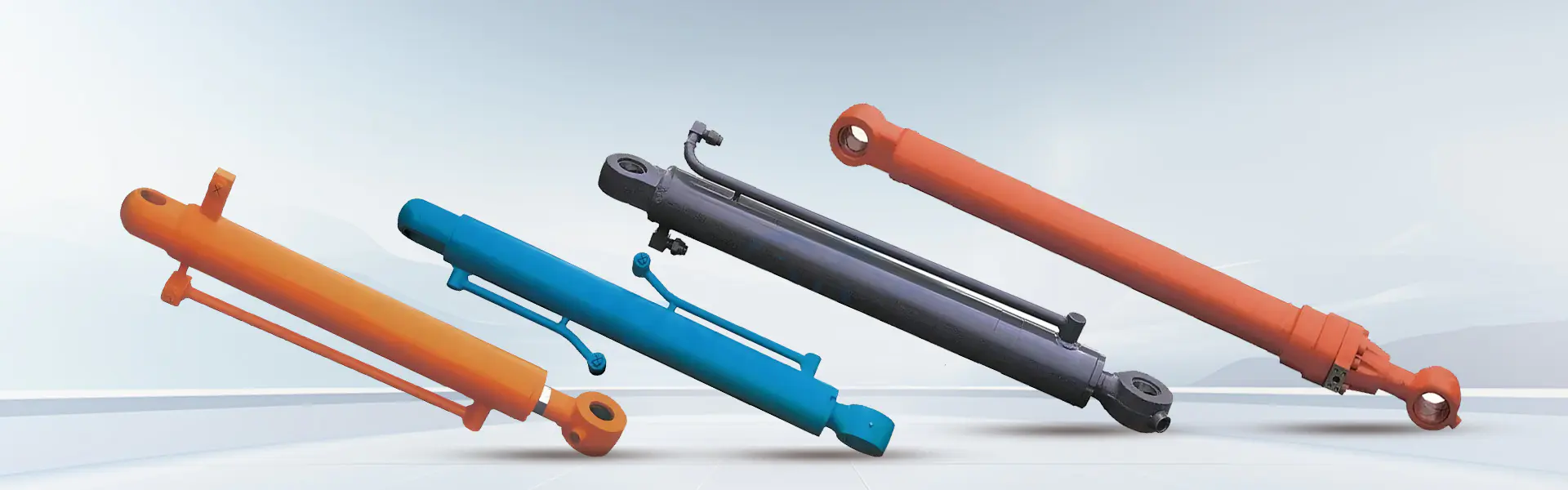
In the competitive landscape of modern manufacturing, the cornerstone of efficiency, precision, and scalability lies in the quality of your machine tools. As a leader in industrial solutions with decades of expertise, Raydafon Group understands that your machinery is more than just equipment—it's the engine of your production line and a critical investment in your company's future. We engineer and supply a comprehensive range of advanced machine tools designed to meet the rigorous demands of industries from aerospace and automotive to medical device manufacturing and beyond. Our commitment is to provide robust, reliable, and technologically sophisticated solutions that enhance productivity, ensure unparalleled accuracy, and deliver a superior return on investment.
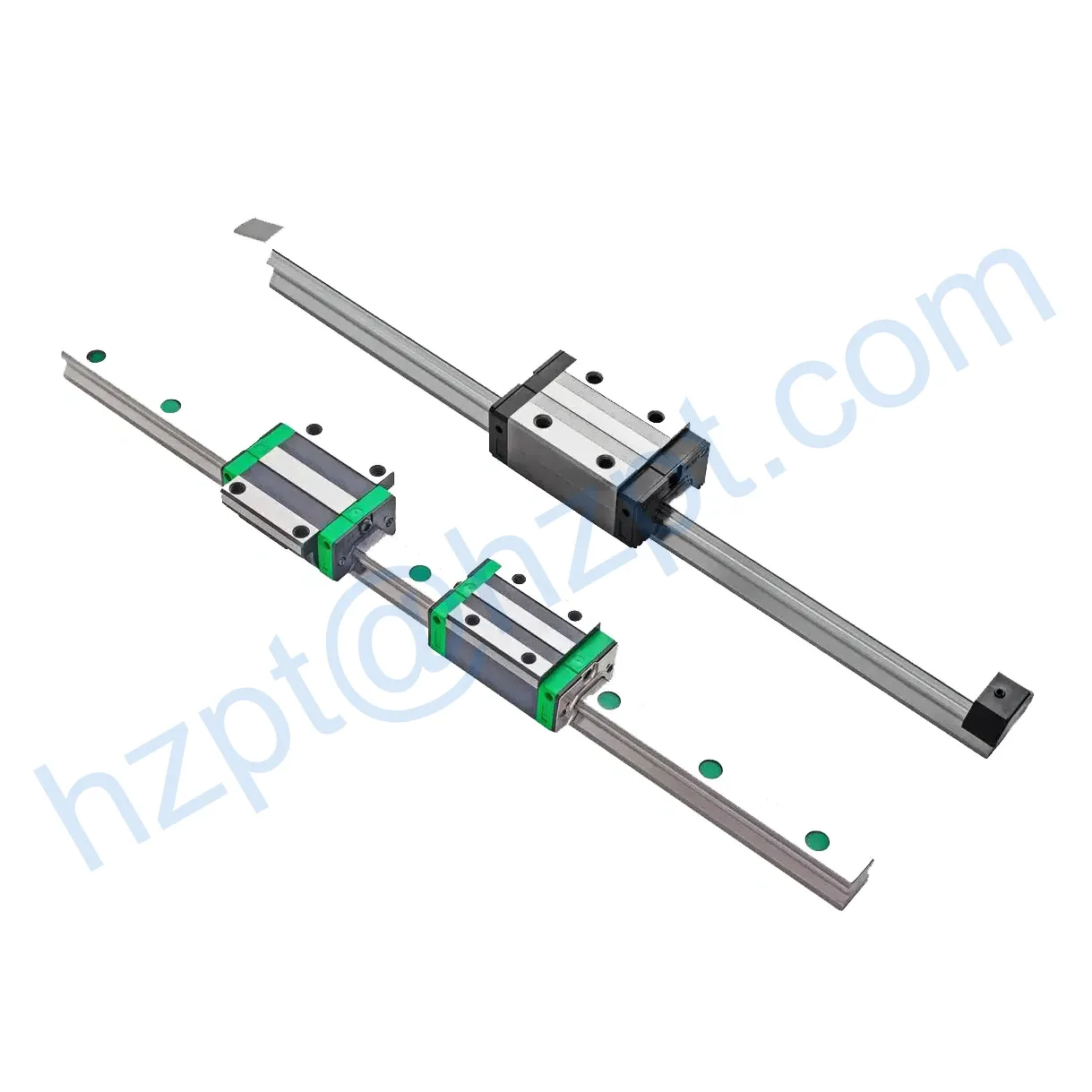
Raydafon Group's portfolio encompasses state-of-the-art CNC machining centers, lathes, milling machines, grinders, and EDM (Electrical Discharge Machining) systems. Each machine is built with a focus on rigidity, thermal stability, and user-centric design, incorporating features like linear guideways, high-torque spindle motors, and advanced CNC controls from industry leaders such as Siemens, Fanuc, and Heidenhain. This integration ensures seamless operation, reduced cycle times, and the capability to handle everything from rapid prototyping to high-volume production runs with consistent, micron-level precision.
Understanding the technical specifications of a machine tool is paramount to selecting the right asset for your workshop. Below, we detail the key parameters for two central categories in the Raydafon Group lineup: Vertical Machining Centers (VMCs) and CNC Lathes.
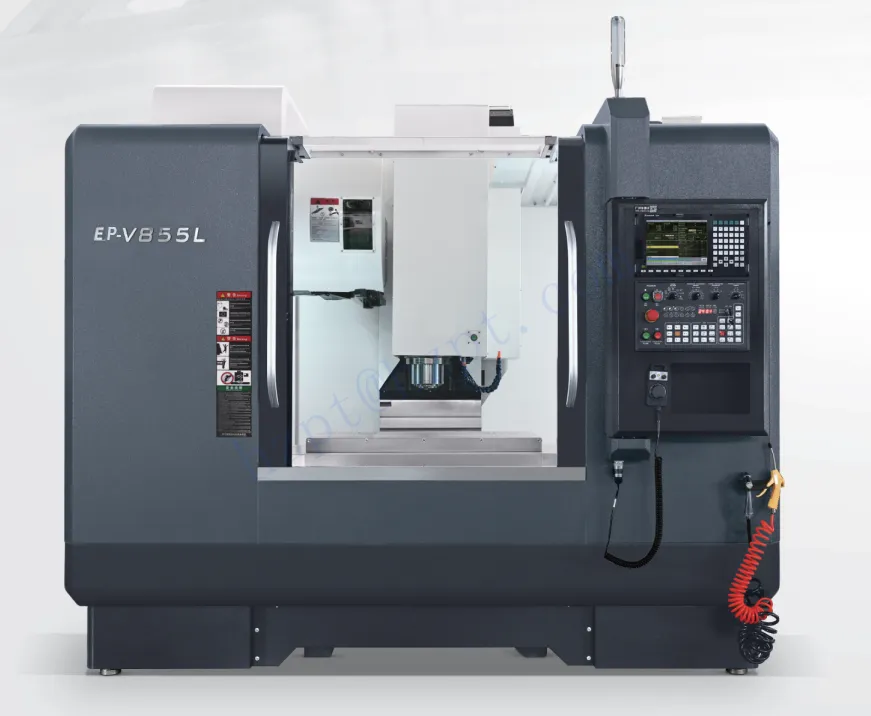
Ideal for complex 3-axis milling, drilling, and tapping operations on a wide variety of materials including steel, aluminum, titanium, and composites.
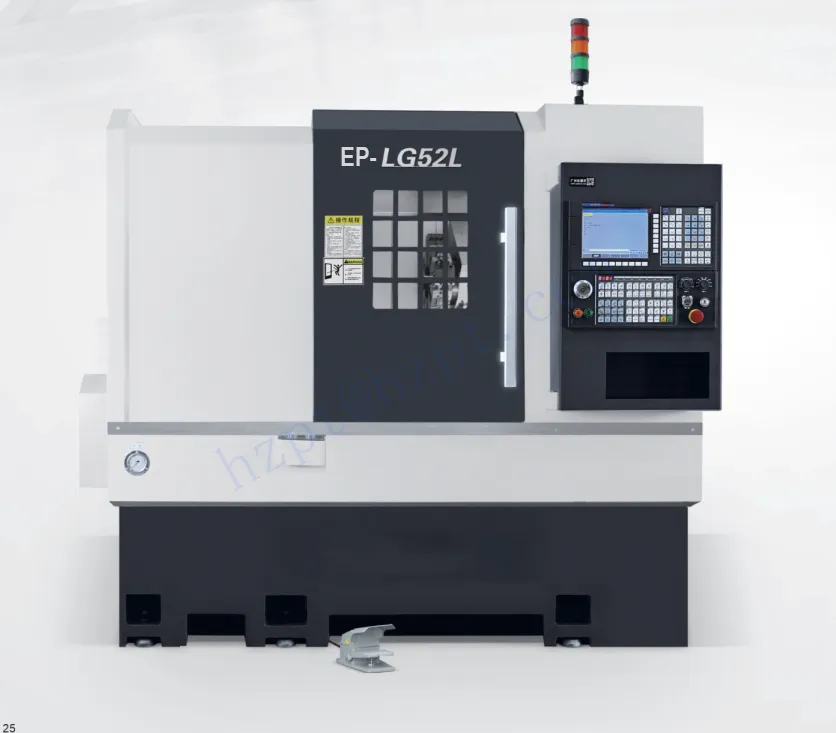
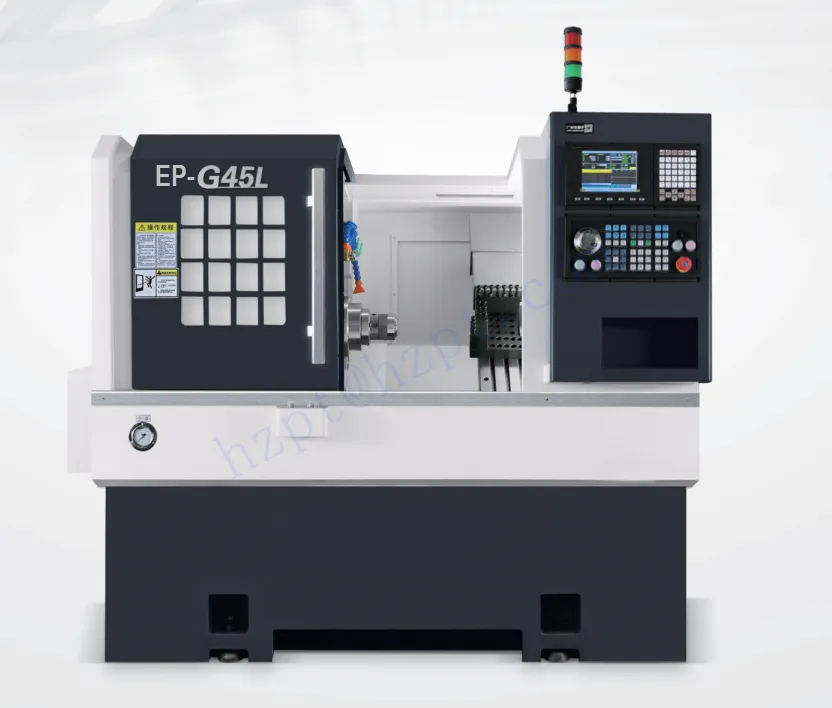
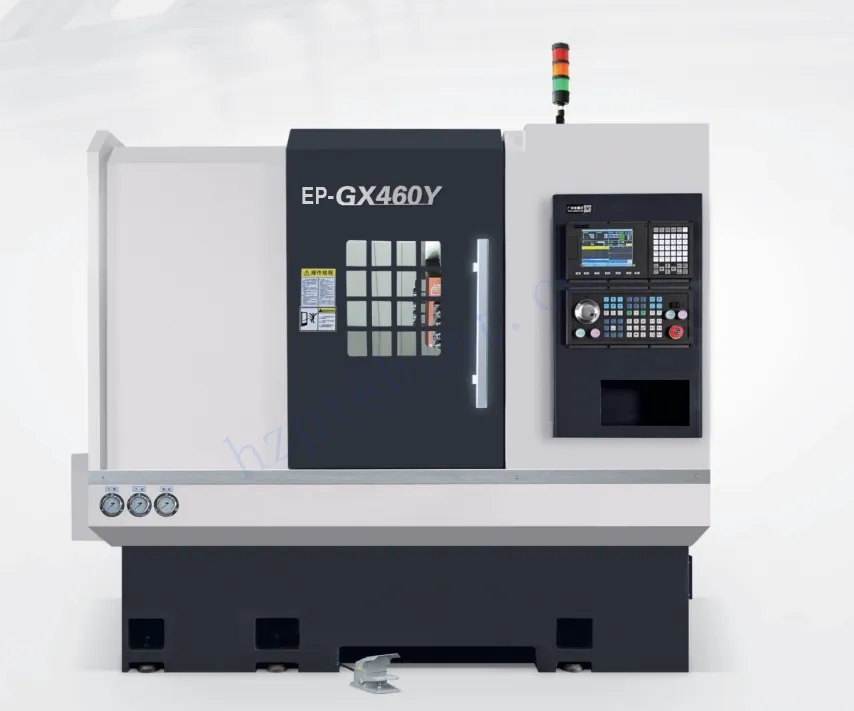
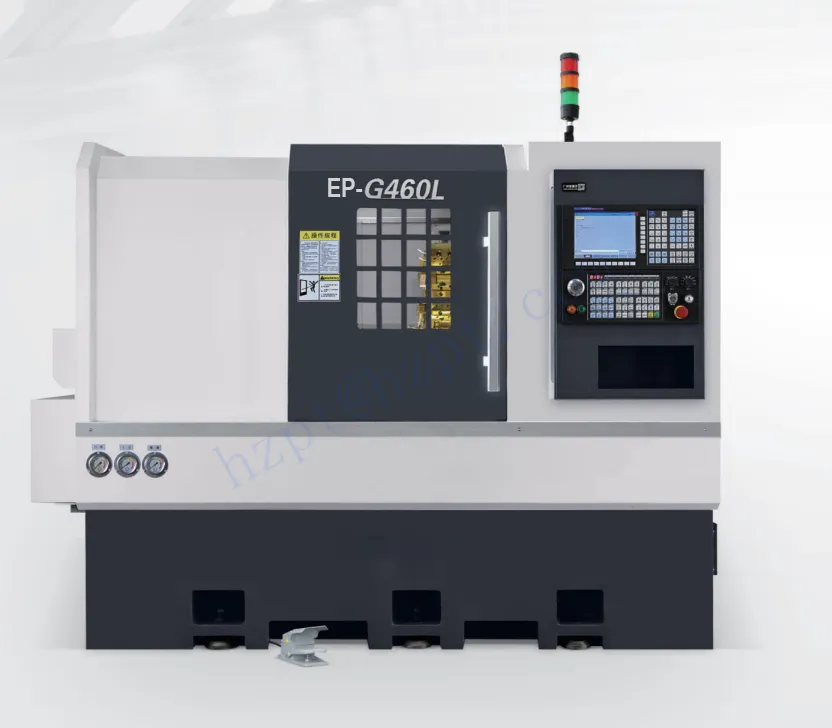
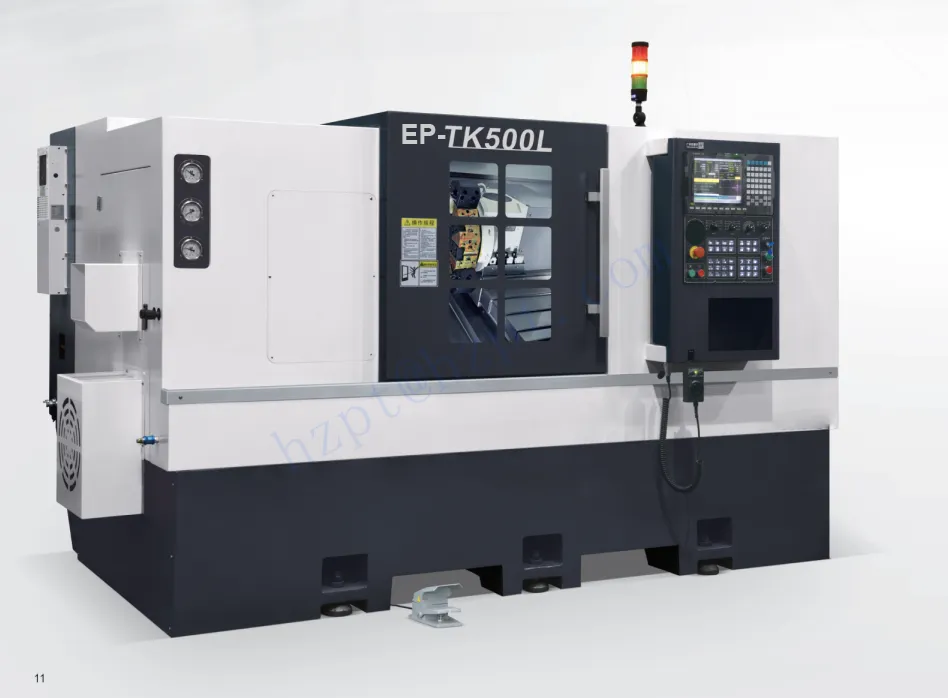
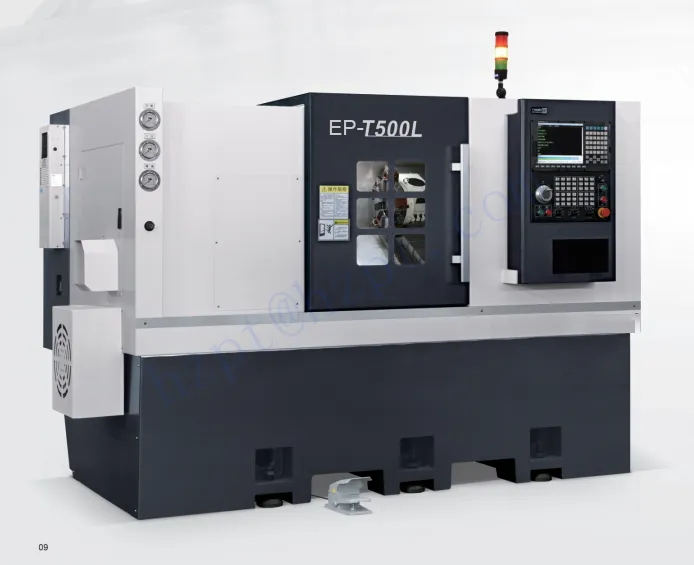
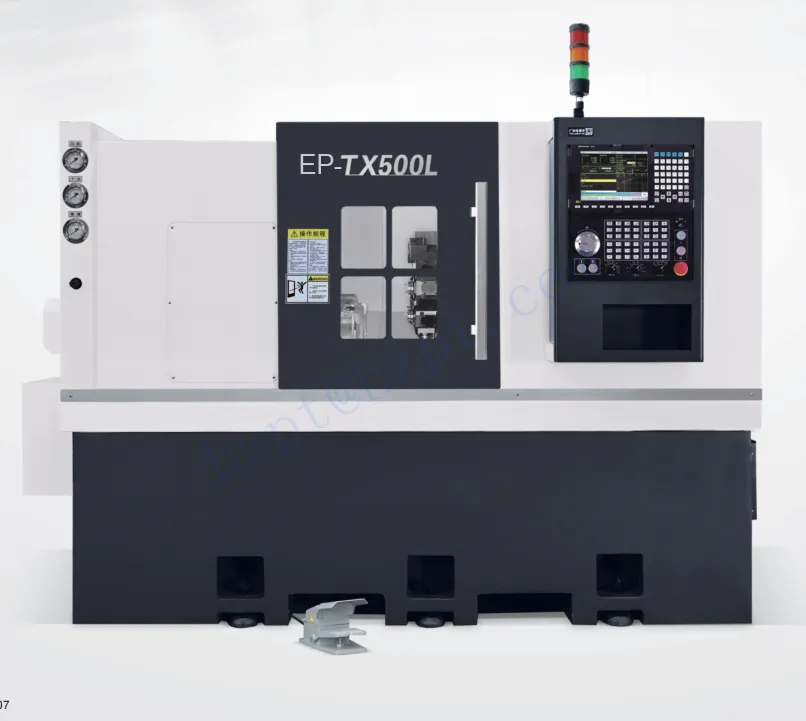
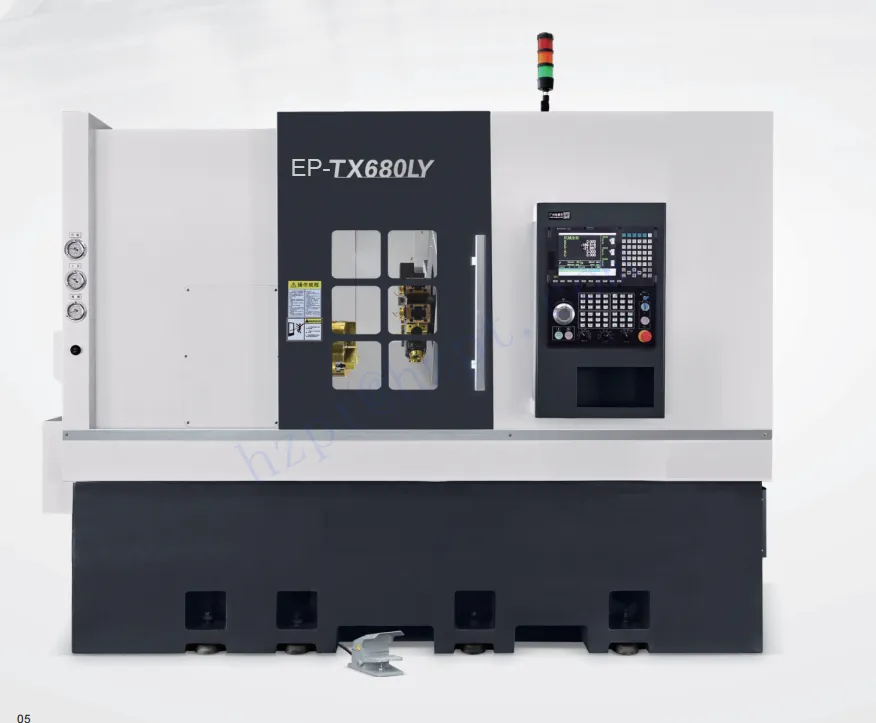
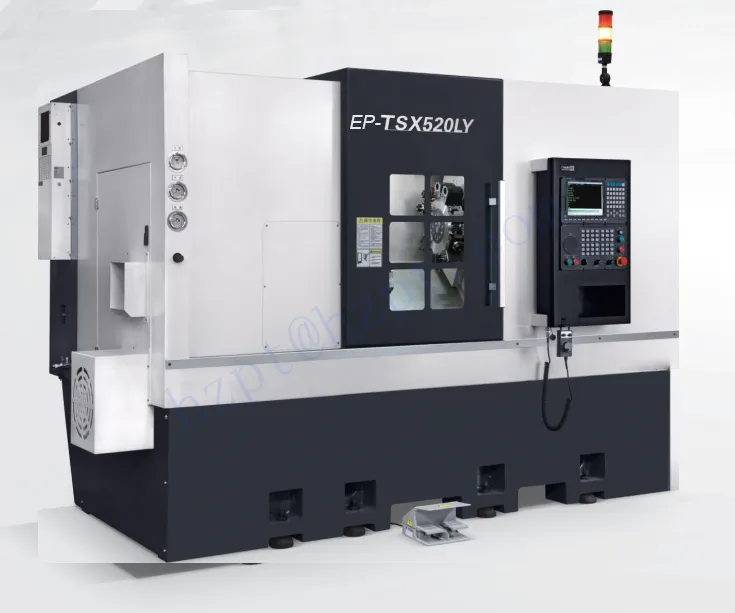
Engineered for precision turning, facing, threading, and boring, suitable for shaft, flange, and disc-type components.
| Parameter | Specification |
|---|---|
| Swing Over Bed | 520 mm |
| Maximum Turning Diameter | 320 mm |
| Distance Between Centers | 1000 mm / 1500 mm / 2000 mm |
| Spindle Bore | Φ80 mm |
| Spindle Speed | 50 - 3500 rpm (45 kW main drive) |
| Turret | 12-station servo-driven, VDI tooling |
| X/Z Axis Travel | 260 mm / 1050 mm (for 1000mm model) |
| Control System | Fanuc 0i-TF or Mitsubishi M800 |
| Driven Tool Option | C-axis and live tooling for milling/drilling (Y-axis optional) |
What factors are most critical when selecting a new CNC machine tool?
The selection process should be driven by your specific part requirements. Key factors include the machine's work envelope (must accommodate your largest part), spindle power and speed (for your material type), positioning accuracy and repeatability (for part quality), tool capacity, and control system compatibility with your existing workflow. Equally important are the machine's rigidity construction, serviceability, and the technical support provided by the manufacturer, like Raydafon Group's comprehensive after-sales network.
How does a Vertical Machining Center (VMC) differ from a Horizontal Machining Center (HMC)?
The primary difference is the orientation of the spindle. A VMC has a vertically oriented spindle, making it excellent for work on a single face of a part, ideal for mold, die, and plate work. An HMC has a horizontal spindle, allowing chips to fall away easily. HMCs often feature pallet changers for near-continuous production and are typically used for machining multiple sides of a box-shaped part in a single setup, offering higher throughput for batch production.
What are the primary maintenance routines required for a CNC machine to ensure longevity?
Consistent preventative maintenance is non-negotiable. Daily tasks include checking and topping up lubrication levels, clearing chips from critical areas, and verifying coolant concentration. Weekly, inspect filters and way covers. Monthly, check spindle runout and axis backlash. Annually, a full professional calibration and inspection by certified Raydafon Group technicians is recommended to verify geometric accuracy, ball screw condition, and system parameters, preventing costly downtime and repairs.
Can older machine tools be retrofitted with new CNC controls or automation?
Yes, retrofitting is a cost-effective strategy to extend a quality machine's life. Raydon Group offers retrofit services that replace obsolete controls with modern systems (e.g., newer Fanuc or Siemens units), often adding features like touchscreen interfaces, network connectivity, and advanced programming software. Automation integration, such as adding a robotic loader or pallet system, is also possible to create a semi-autonomous manufacturing cell, boosting productivity without a full capital investment in a new machine.
What does "5-axis machining" capability offer over standard 3-axis machines?
A 5-axis machine tool allows the cutting tool to approach the workpiece from five different directions simultaneously (linear X, Y, Z and rotary A and B axes). This enables the production of extremely complex, contoured geometries—common in aerospace, turbine, and medical implants—in a single setup. Benefits include drastically reduced setup time, improved accuracy (as the part isn't moved between multiple fixtures), better surface finish from optimal tool angles, and the ability to machine undercuts and deep cavities that are impossible on 3-axis equipment.
How important is the CNC control system, and how do I choose the right one?
The control system is the "brain" of the machine tool. It interprets the G-code program and dictates all motion, speed, and accuracy. The right choice depends on your operators' familiarity, the complexity of your parts, and your shop's ecosystem. Fanuc controls are renowned for robustness and reliability. Siemens offers powerful, user-friendly interfaces ideal for complex milling and turning. Heidenhain is favored for high-precision grinding and mold making. Raydafon Group provides training and support on all major control brands to ensure optimal utilization.
Investing in Raydafon Group machine tools means more than acquiring hardware. It initiates a partnership. Our process begins with a detailed application review to recommend the most effective solution. We provide comprehensive training for your programmers and operators. Our global service network ensures prompt technical support, with readily available spare parts to minimize operational interruptions. We also offer advanced software solutions for CAD/CAM programming and toolpath simulation to maximize your machine's capabilities from the first day of operation.
From our rugged, high-precision grinding machines for achieving mirror-like surface finishes to our multi-tasking turn-mill centers that consolidate operations, every Raydafon Group product is designed with the end-user in mind. We continuously integrate feedback from the factory floor into our R&D, ensuring our machine tools not only meet but anticipate the evolving challenges of precision manufacturing.

 Raydafon