
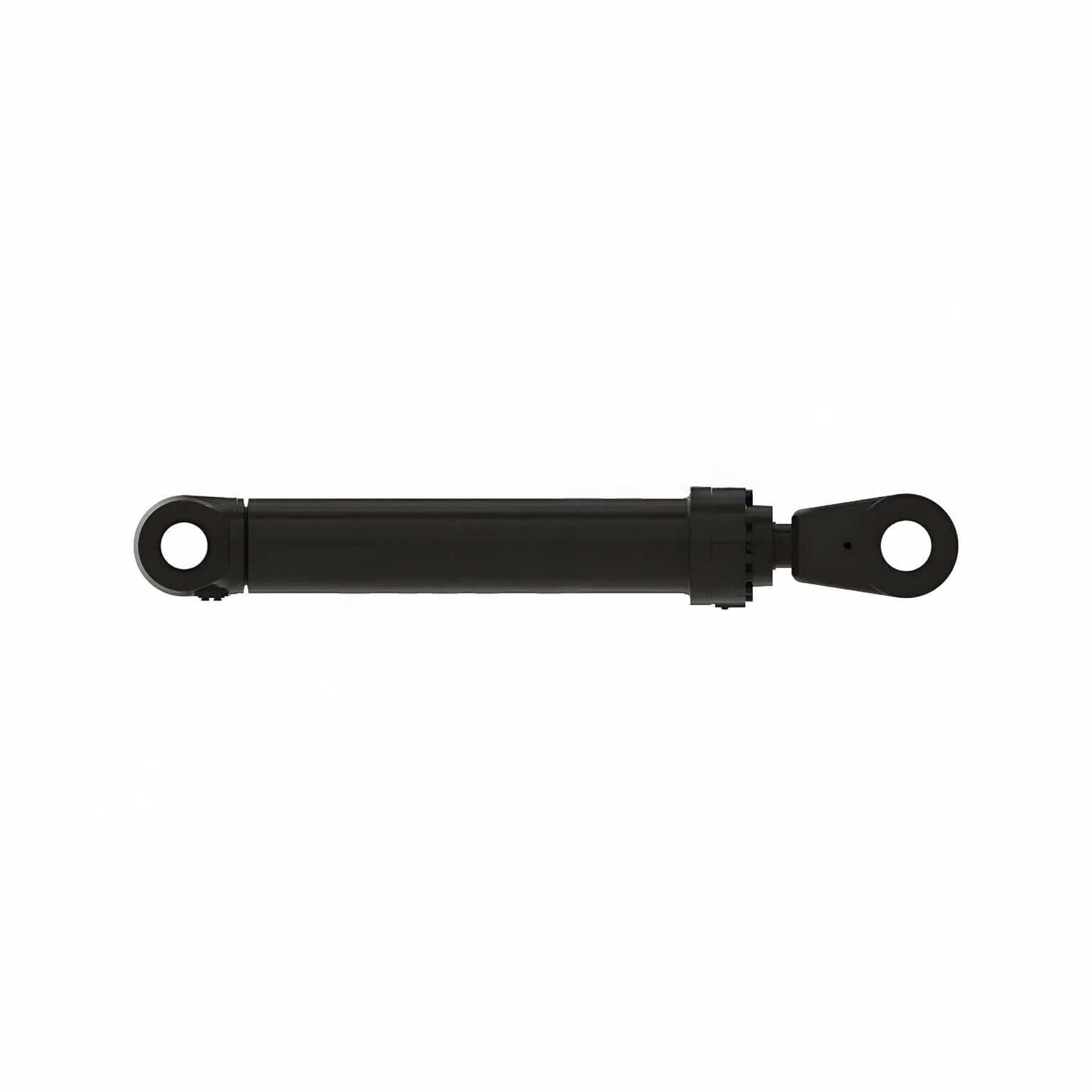
What are the safety considerations when working with lift oil cylinders? This critical question underpins the entire operation of any hydraulic lifting system. A single oversight can lead to equipment failure, costly downtime, or, far worse, serious workplace injuries. For procurement professionals sourcing these vital components, understanding these safety factors isn't just about compliance—it's about protecting your operations, your budget, and your people. This guide breaks down the essential safety landscape, providing actionable insights to ensure your hydraulic systems run reliably and safely. Partnering with a knowledgeable supplier like Raydafon Technology Group Co.,Limited, which prioritizes engineered safety into every cylinder, is the first step toward a secure and efficient operation.
Article Outline:
Imagine a critical production line halting because a lift cylinder catastrophically failed under pressure. The deafening bang, the spray of hydraulic fluid, and the immediate safety shutdown—this scenario is a procurement and operations nightmare. The core safety consideration here is managing system pressure. Exceeding a cylinder's rated pressure is the fastest route to failure. The solution lies in a multi-layered approach: specifying cylinders with a significant safety factor beyond your operational needs, ensuring proper relief valve functionality in the hydraulic system, and implementing pressure gauges for real-time monitoring. Raydafon cylinders are engineered with robust materials and precise manufacturing to withstand pressure spikes, providing a built-in safety buffer that protects your entire system.
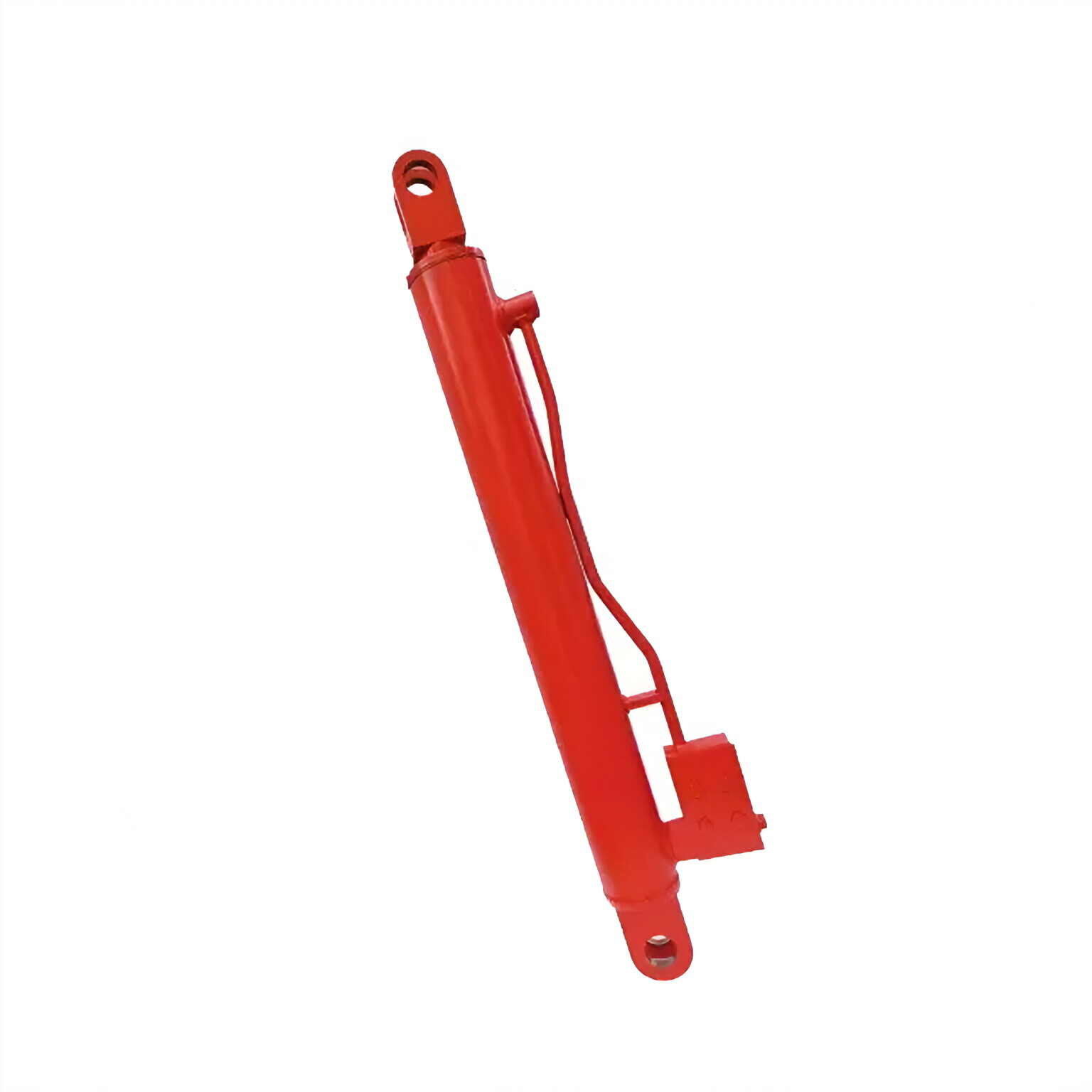
Critical Parameters for Pressure Safety:
| Parameter | Consideration | Raydafon Standard |
|---|---|---|
| Rated Working Pressure | Maximum continuous operational pressure. | Customized to application, typically with a 1.5x safety factor. |
| Burst Pressure | Pressure causing catastrophic failure. | Significantly higher than rated pressure; tested rigorously. |
| Cylinder Material Grade | Determines tensile strength and durability. | High-grade steel tubes & hardened chrome-plated rods. |
| Seal Pressure Rating | Maximum pressure seals can contain. | High-performance seals compatible with system max pressure. |
A procurement officer secures a great price on lift cylinders, but after installation, the loads begin to drift or sink slowly when stopped. This instability isn't just an annoyance—it's a major safety risk for personnel working underneath or nearby. The culprit is often internal leakage past worn or inferior piston seals, or inadequate load-holding valves. The safety consideration focuses on cylinder integrity and system design to prevent unintended movement. The solution requires specifying cylinders with precision-machined surfaces and premium seal kits designed for zero-leakage performance. Furthermore, integrating pilot-operated check valves or counterbalance valves into the system design locks the load securely in place. Raydafon addresses this by offering cylinders with ultra-finished rod and bore surfaces paired with advanced seal technology, ensuring stable, predictable, and safe load positioning.
Parameters for Load Stability and Control:
| Parameter | Consideration | Raydafon Advantage |
|---|---|---|
| Piston Seal Leakage Rate | Internal leakage leads to drift. | Near-zero leakage design with proprietary seal profiles. |
| Rod Surface Finish | Prevents seal wear and external leaks. | Hard chrome plating with mirror-finish (Ra ≤ 0.2µm). |
| Bore Surface Smoothness | Critical for seal life and low friction. | Honned to precise surface finish specifications. |
| Compatible Valving | Holds load when cylinder is not active. | Technical support for proper valve selection. |
Downtime for emergency cylinder repair is exponentially more expensive than planned maintenance. The safety consideration shifts from immediate failure to progressive degradation—ignoring contaminated fluid, minor leaks, or slight scoring on the rod eventually leads to a sudden, unsafe breakdown. The solution is a proactive, scheduled maintenance culture enabled by cylinder design that supports easy inspection and service. Look for features like accessible ports, replaceable seal cartridges, and clear documentation. Raydafon designs cylinders with serviceability in mind, providing detailed maintenance guides and offering seal kits for easy refurbishment, empowering your team to maintain peak safety and performance.
Key Maintenance & Inspection Parameters:
| Parameter | Consideration | Raydafon Support |
|---|---|---|
| Recommended Service Intervals | Based on cycle count and operating environment. | Provided in product documentation. |
| Seal Kit Availability | Speed of repair and downtime reduction. | Comprehensive seal kits readily available. |
| Fluid Contamination Tolerance | Cylinder's resilience to dirty systems. | Robust seal materials resistant to contamination. |
| Inspection Point Access | Ease of checking for wear or leaks. | Designed for visual and manual inspection. |
Even the highest-quality cylinder can fail if installed incorrectly. Misalignment, improper mounting, or incorrect port connections create unseen stresses, leading to premature seal wear, bent rods, and structural fatigue. The safety consideration is ensuring the cylinder integrates perfectly with your machine's design and dynamics. The solution is comprehensive technical support from your supplier. Detailed CAD drawings, clear installation manuals, and access to engineering consultation are invaluable. Raydafon provides full technical packages and expert support to ensure your installation is flawless, turning a potential safety hazard into a reliable, long-term asset.
Critical Installation & Integration Parameters:
| Parameter | Consideration | Raydafon Provision |
|---|---|---|
| Mounting Style & Dimensions | Ensures correct fit and force alignment. | Detailed dimensional drawings for all mount types. |
| Port Size & Thread Specification | Prevents connection leaks and flow restriction. | Precise machining to international standards (e.g., SAE, Metric). |
| Alignment Tolerance | Maximum allowable misalignment to prevent side-load. | Clear guidance provided; spherical bearing options available. |
| Cushion Adjustment (if applicable) | Prevents damaging end-of-stroke impact. | Pre-set and adjustable options with setup instructions. |
Q: What are the most critical daily safety checks for lift oil cylinders?
A: The most critical daily checks are visual. Inspect for any visible hydraulic fluid leaks around the rod seal, cylinder body, and ports. Check the cylinder rod for new scratches, dents, or corrosion that could damage seals. Listen for unusual noises during operation and observe the cylinder movement for smooth, consistent motion without jerking or drift. Ensuring the surrounding area is clean from debris is also a key safety practice.
Q: What are the safety considerations when working with lift oil cylinders in extreme temperatures?
A: Extreme temperatures demand specific considerations. In cold environments, hydraulic fluid viscosity increases, which can cause slow operation and potential seal damage from high pressure spikes. Using low-temperature hydraulic fluid and possibly rod wipers designed for cold is essential. In high-temperature environments, standard seals may degrade quickly. Specifying high-temperature seal compounds (like Viton) and ensuring the cylinder's rated pressure accounts for potential fluid thinning are crucial safety steps. Raydafon can configure cylinders with seal materials and design specifications tailored for your operating temperature range.
Ensuring the safety of your hydraulic lifting operations is a continuous journey that begins with choosing the right partner. By prioritizing engineered safety, reliability, and comprehensive support, you mitigate risk and build a foundation for operational excellence.
For over two decades, Raydafon Technology Group Co.,Limited has been a trusted partner for industrial procurement teams worldwide, specializing in high-performance hydraulic solutions. We understand that behind every component specification is a need for safety, durability, and value. Our lift oil cylinders are not just products; they are engineered systems designed with integrated safety features to address the very considerations outlined in this guide. Visit us at https://www.raydafongroup.com to explore our technical resources or contact our engineering support team directly at [email protected] to discuss your specific application requirements.
Smith, J., & Roberts, L. (2022). Failure Analysis and Fatigue Life Prediction of Hydraulic Cylinder Tubes under High-Pressure Pulsation. Journal of Pressure Vessel Technology, 144(3).
Chen, H., Wang, Y., & Zhao, P. (2021). Experimental Study on the Leakage Characteristics and Sealing Performance of Reciprocating Hydraulic Seals under Different Pressure Gradients. Tribology International, 163.
European Agency for Safety and Health at Work. (2020). Maintenance and safety of machinery containing hydraulic systems - A guide. Publications Office of the European Union.
Kumar, A., & Singh, R. (2019). Effect of Surface Roughness on the Wear of Hydraulic Cylinder Rod Seals. Wear, 426-427.
International Organization for Standardization. (2018). ISO 6020-2: Hydraulic fluid power — Mounting dimensions for single rod cylinders, series — Part 2: Compact series.
Park, S., Lee, J., & Kim, T. (2017). A Study on the Safety Evaluation of Hydraulic Cylinders for Construction Equipment Using Finite Element Analysis. Journal of Mechanical Science and Technology, 31(10).
Johnson, M. T. (2016). Hydraulic System Contamination Control: Best Practices for Preventing Component Failure. Fluid Power Journal, 23(4).
Zhang, W., et al. (2015). Dynamic Characteristics and Stability Analysis of a Hydraulic Lifting System with Counterbalance Valve. Proceedings of the Institution of Mechanical Engineers, Part I: Journal of Systems and Control Engineering, 229(9).
National Fluid Power Association. (2014). Recommended Practice for the Cleanliness Evaluation of Hydraulic Fluid Power Components and Systems. ANSI/NFP A T2.9.1 R1.
Brown, C. D. (2013). Misalignment Effects on the Service Life of Hydraulic Cylinders. Machinery Lubrication, (5).

 Raydafon