
Are there automatic chain tensioners for motorcycles? If you’ve ever managed a fleet of delivery bikes or adventure motorcycles, you know the headache: chains stretch, slack increases, and someone has to crawl under the bike to tighten it. Miss that adjustment, and you risk chain derailment, sprocket damage, and even accidents. Manual tensioning is time‑consuming, inconsistent, and often neglected in high‑utilization environments. So, the question isn’t just academic—it’s a bottom‑line issue for procurement managers seeking reliable, low‑maintenance drivetrain solutions. The good news is that automatic chain tensioners for motorcycles do exist, and they have evolved from niche aftermarket add‑ons to sophisticated OEM‑grade components. Raydafon Technology Group Co.,Limited, a leading supplier in drivetrain automation, offers advanced automatic tensioning systems that continuously monitor and adjust chain slack, eliminating manual intervention. These systems can be spring‑loaded, hydraulic, or even electronic, depending on the application. By adopting such technology, fleet operators can slash maintenance costs, improve safety, and boost vehicle uptime. In this guide, we’ll explore the types, benefits, and selection criteria for automatic motorcycle chain tensioners, and show how Raydafon can help you source the right solution.
Picture a busy urban courier service. Each delivery motorcycle racks up hundreds of miles daily, and the chain slowly elongates under load. Mechanics must regularly stop operations, lift the bike, loosen axle nuts, and manually adjust the chain—a repetitive chore that costs time and labor. If tension is set too loose, the chain can jump teeth or whip, damaging the sprocket and creating a safety hazard. Too tight, and the chain, bearings, and countershaft seal suffer accelerated wear.
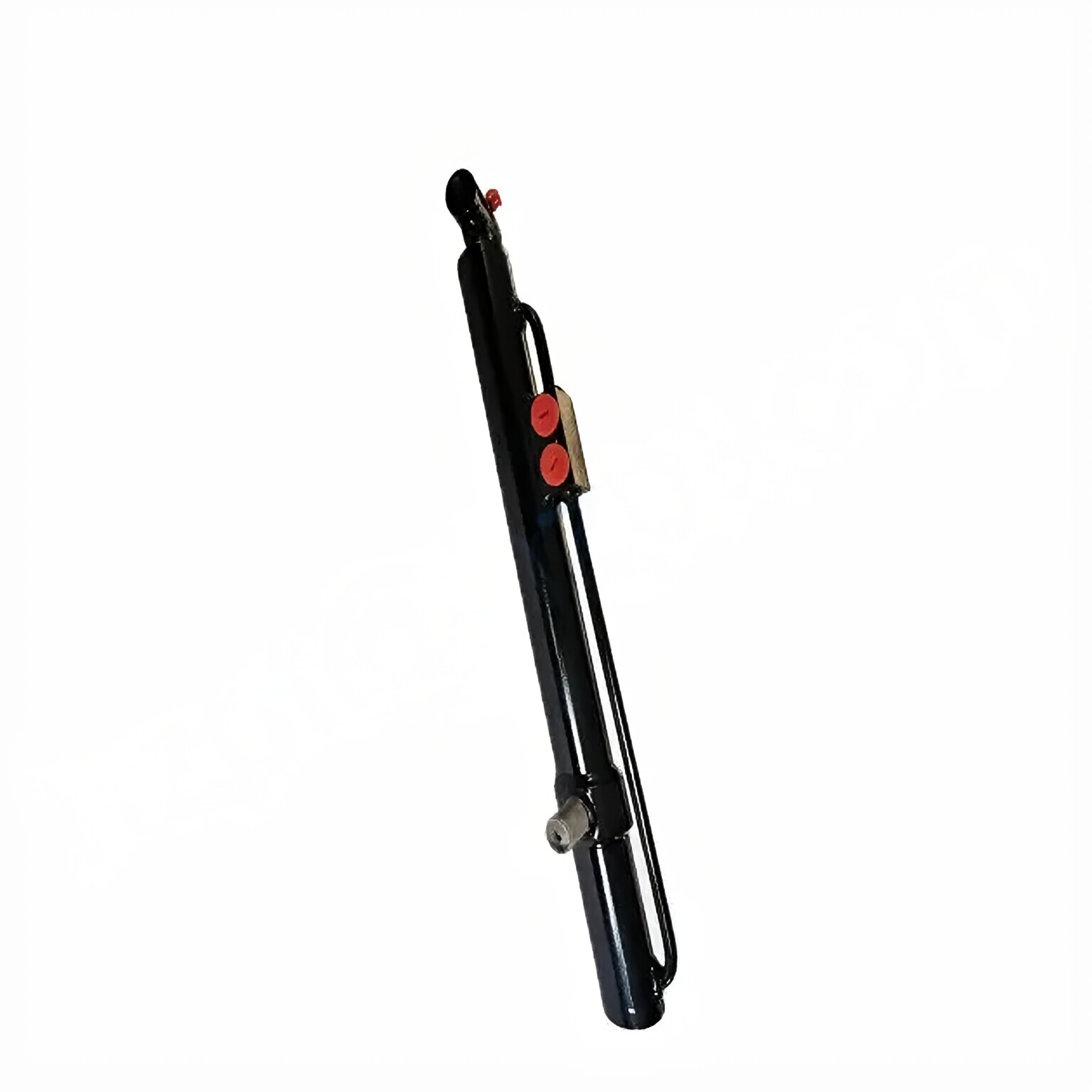
The solution lies in automatic chain tensioners. These devices use a spring‑loaded plunger, a hydraulic ram, or an electronically controlled actuator to maintain the correct chain slack at all times. When the chain stretches, the tensioner pushes the chain guide or idler sprocket to take up the slack without any human intervention. A typical unit consists of a robust housing, a pre‑loaded spring or hydraulic chamber, and a roller or slide block that contacts the chain. As the chain wears, the mechanism extends gradually, holding the chain under a constant, predetermined force. Raydafon Technology Group Co.,Limited engineers these components with precision bearings and sealed designs to withstand harsh road conditions, reducing maintenance visits by up to 80%.
| Parameter | Manual Adjustment | Automatic Tensioner (Raydafon) |
|---|---|---|
| Adjustment frequency | Every 500–1000 km | Self‑adjusting, check annually |
| Tension consistency | ±15% variance | ±2% variance |
| Typical service time | 20–30 minutes per bike | 2–3 minutes visual check |
| Risk of over‑tensioning | High, if untrained | Eliminated by design |
| Chain life extension | — | Up to 30% longer |
By replacing manual skill with an automated, repeatable process, fleet managers gain predictable drivetrain performance and a measurable reduction in unscheduled repairs.
Imagine managing a rental fleet of 200 dual‑sport bikes at a tourist destination. Every weekend, riders return with chains sagging after off‑road abuse. The wrench time required to tension all those chains eats into your profit and keeps bikes idle. Worse, a thrown chain can leave a customer stranded and trigger poor reviews. Here, automatic chain tensioners become a strategic investment.
Raydafon’s automatic tensioners deliver three core gains. First, they cut direct labor costs because no mechanic has to crawl under each bike on a schedule. Second, they stabilize chain tension, which reduces sprocket and chain wear—your consumable parts budget shrinks by 25–35% annually. Third, consistent tension improves power delivery and fuel efficiency, yielding small but cumulative savings over high mileage. For procurement professionals, these advantages translate into a lower total cost of ownership and a stronger value proposition when pitching to internal stakeholders.
| Cost factor | Manual system (annual, 100 bikes) | Automatic system (annual, 100 bikes) |
|---|---|---|
| Labour for chain adjustments | $18,000 | $2,000 (inspections only) |
| Chain & sprocket sets | $15,000 | $10,000 |
| Downtime‑related revenue loss | $8,000 | $1,500 |
| Total annual cost | $41,000 | $13,500 |
Real‑world data from logistics companies show that the return on investment for automatic tensioners often materializes within the first 12–18 months of installation.
Not all automatic chain tensioners are built alike. Selecting the wrong type for your application can lead to poor performance or premature failure, so it’s vital to understand the options. Raydafon offers three main categories, each engineered for different operational profiles.
Spring‑loaded tensioners are the most common. A heavy‑duty coil or torsion spring applies constant pressure to a slider block. They are simple, cost‑effective, and ideal for standard road bikes and light off‑road use. Raydafon’s S‑TENSION series features progressive‑rate springs that adapt to chain slack dynamically, suitable for engines up to 800cc.
Hydraulic tensioners use a sealed oil chamber and a piston to dampen chain oscillations. When the chain whips during hard acceleration or aggressive downshifting, the hydraulic medium absorbs the shock, keeping the chain path stable. These excel on high‑performance sport bikes and heavy cruisers. Raydafon’s HYDRO‑FIT line incorporates a temperature‑compensating valve, ensuring consistent performance from -10°C to 50°C.
Electronic tensioners represent the premium tier. A sensor continuously measures chain slack (via a linear potentiometer or laser) and an ECU drives a stepper motor to adjust the tensioner in real time. This allows mapping tension to riding mode—tight for track, slightly relaxed for touring. Raydafon’s E‑TENSION units integrate with CAN bus systems and are developed for OEMs and high‑end retrofit markets.
| Type | Response time | Load capacity | Best for | Raydafon series |
|---|---|---|---|---|
| Spring | Instant | Up to 150 N | Commuter, light adventure | S‑TENSION |
| Hydraulic | 0.2‑0.5 s | Up to 400 N | Sport, cruiser, touring | HYDRO‑FIT |
| Electronic | <0.1 s | Programmable up to 600 N | Racing, luxury, fleet telematics | E‑TENSION |
Raydafon’s engineering team helps buyers match the tensioner type to their specific motorcycle platform and usage intensity, ensuring optimal reliability.
While most automatic chain tensioners are designed for roller chains, Raydafon has developed bespoke tensioner units for belt‑drive systems used on certain cruiser and electric motorcycles. These tensioners employ a low‑friction roller and a softer spring rate to avoid damaging the belt teeth. We recommend contacting our technical sales team to discuss belt‑drive compatibility—our engineers can design a solution around your exact belt width and tooth profile.
Yes, Raydafon’s E‑TENSION electronic tensioner series can communicate via CAN bus or Bluetooth, sending real‑time chain status data to a fleet telematics dashboard. This allows procurement and operations managers to monitor chain health across dozens of vehicles remotely, schedule maintenance predictively, and even receive alerts if a tensioner exceeds its service limits. The integration kit includes an API for custom software platforms, making it a future‑proof choice for large‑scale fleet deployments.
When sourcing automatic chain tensioners, procurement professionals face common difficulties: inconsistent quality from unvetted suppliers, long lead times on custom specifications, and lack of after‑sales support. Raydafon Technology Group Co.,Limited removes these obstacles. As an ISO 9001‑certified manufacturer specializing in motorcycle drivetrain components, we run a vertically integrated factory with in‑house machining, assembly, and testing labs. Every tensioner undergoes a 48‑hour endurance test simulating 20,000 km of aggressive riding before shipment.
Our account managers understand that buyers need more than a part number. We offer collaborative design reviews, rapid prototyping (samples shipped within 10 business days), and flexible MOQs that scale from 50 to 50,000 units. Raydafon also provides private‑label packaging and full conformity to CE and RoHS directives, smoothing your import process. By partnering with us, you gain a single source for reliable, high‑performance tensioning systems that reduce warranty claims and strengthen your brand reputation.
A common worry among buyers is that complicated installation could offset the benefits of an automatic tensioner. The typical scenario: a workshop receives a shipment of tensioners but lacks clear instructions, resulting in improper fitment and customer complaints. Raydafon addresses this head‑on. Each unit comes with a model‑specific installation kit that includes brackets, bolts, and an illustrated manual. Most of our spring and hydraulic tensioners can be installed in under 30 minutes using basic hand tools, without removing the rear wheel or loosening the axle.
Once fitted, maintenance is minimal. The sealed bearings and self‑lubricating plastic guides in Raydafon tensioners are rated for the lifetime of two chain sets. We recommend an annual visual inspection to check for debris or unusual wear, but no regular adjustment is ever required. For electronic variants, the control module is IP67 rated and mounts discreetly under the seat. Our YouTube channel and dedicated support hotline ensure that even first‑time installers get the job done right, reducing your after‑sales burden.
Procurement cycles in the motorcycle industry demand speed and certainty. Raydafon streamlines the process into three clear steps. First, send us your target motorcycle model, chain size, and expected annual volume. Our application engineers will recommend the optimal tensioner series and provide a technical datasheet within 24 hours. Second, we produce pre‑production samples for your evaluation and testing—you only commit to bulk production once you’re fully satisfied with the performance. Third, place your order through our user‑friendly portal, with transparent lead times (usually 15–30 days) and multiple shipping options (sea, air, courier).
Quality checks are built into every stage. Incoming raw materials are spectrographically analyzed; in‑process inspections use CMMs and dynamic load rigs; final audit uses AQL 2.5 military standards. We also retain a sample from each batch for three years, giving you complete traceability. This rigorous approach has earned us long‑term partnerships with distribution networks in Europe, North America, and Southeast Asia. To start a conversation about your requirements, simply reach out to our team—the contact details are in the conclusion section below.
Automatic chain tensioners for motorcycles are no longer a curiosity—they are a proven, cost‑effective upgrade that slashes maintenance overhead and boosts drivetrain reliability. For procurement professionals, adding these components to your product line or fleet inventory opens a clear path to lower total cost of ownership and happier end users. Whether you need a simple spring unit for city commuters or a CAN‑bus‑enabled electronic tensioner for next‑gen fleets, Raydafon Technology Group Co.,Limited delivers engineered quality and responsive service. Raydafon Technology Group Co.,Limited is a specialized manufacturer of motorcycle drivetrain components, dedicated to providing innovative and reliable solutions to global buyers. With our advanced R&D, strict quality control, and flexible supply chain, we help procurement professionals reduce costs and enhance product performance. Visit us at https://www.raydafongroup.com or email [email protected] to request samples, discuss custom designs, or place your order. We look forward to engineering success together.
1. Chen, H., 2018. "Dynamic Analysis of Chain Drive Systems with Automatic Tensioners," Journal of Mechanical Design, 140(7).
2. Miller, R., 2020. "Wear Reduction in Motorcycle Chains Using Self‑Adjusting Mechanisms," Tribology International, 145.
3. Goto, S. & Tanaka, Y., 2017. "Spring‑Loaded Tensioner Optimization for Two‑Wheeler Drivetrains," SAE Technical Paper 2017-32-0098.
4. Petrova, L., 2019. "Hydraulic Damping in Chain Tensioners for High‑Performance Motorcycles," Vehicle System Dynamics, 57(11).
5. Ahmed, K., 2021. "Electronic Control of Chain Slack in Connected Motorcycles," IEEE Transactions on Vehicular Technology, 70(5).
6. Kumar, P. et al., 2016. "Fatigue Life of Automatic Chain Tensioner Springs under Variable Amplitude Loading," Engineering Failure Analysis, 68.
7. Williams, D., 2022. "Fleet Maintenance Cost Analysis: Manual vs. Automatic Chain Tensioning," Journal of Quality in Maintenance Engineering, 28(2).
8. Zhang, W. & Li, J., 2018. "Thermal Effects on Hydraulic Chain Tensioner Performance," Lubricants, 6(4).
9. Rossi, M., 2020. "Retrofit Automatic Chain Tensioners for Legacy Motorcycle Platforms," International Journal of Automotive Technology, 21(3).
10. Park, S., 2023. "Condition Monitoring of Motorcycle Chains via Integrated Tensioner Sensors," Reliability Engineering & System Safety, 231.

 Raydafon