
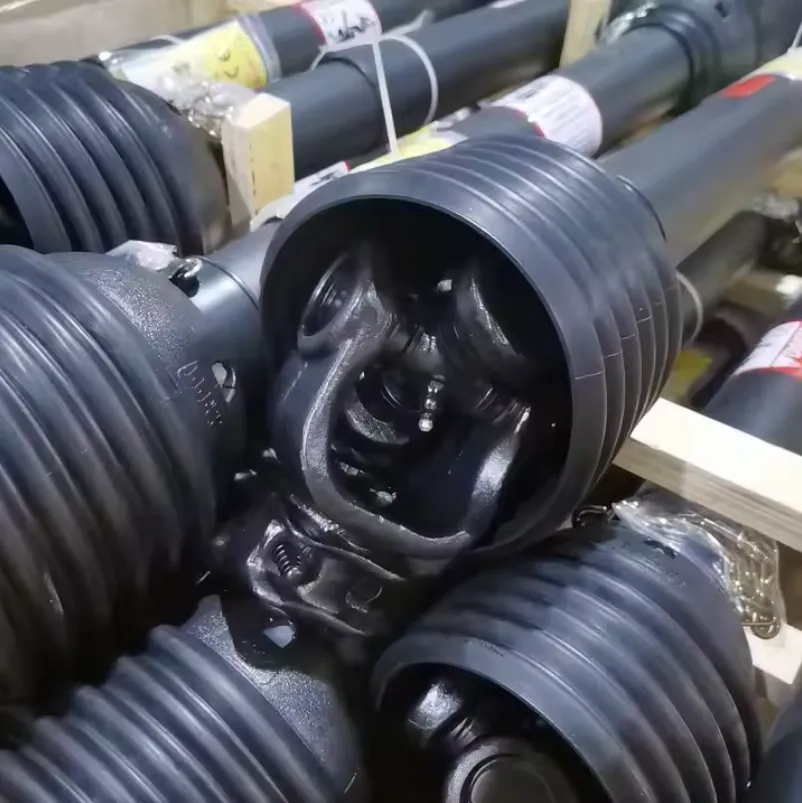
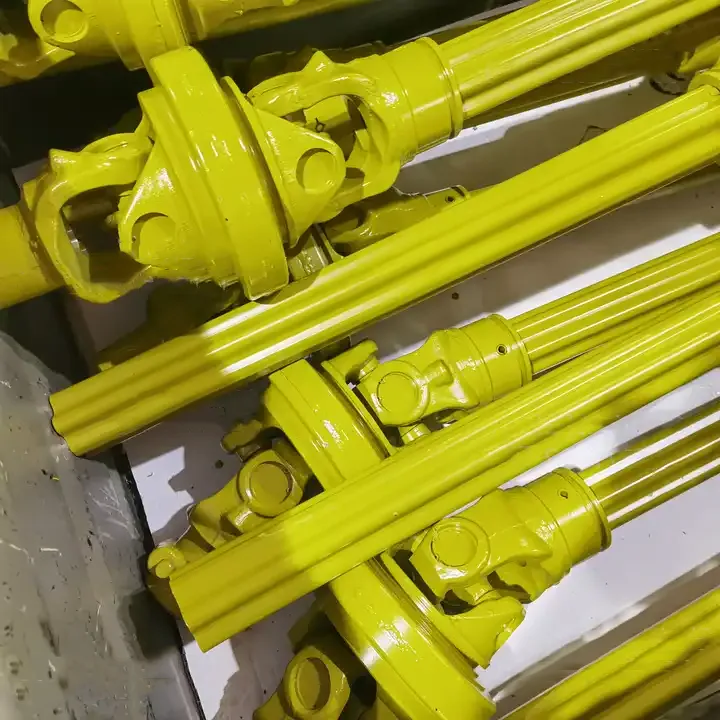
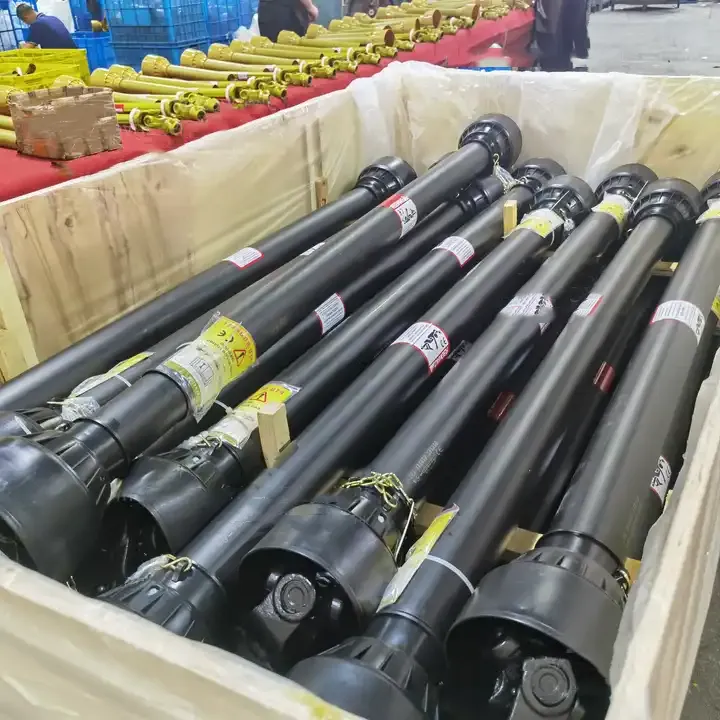
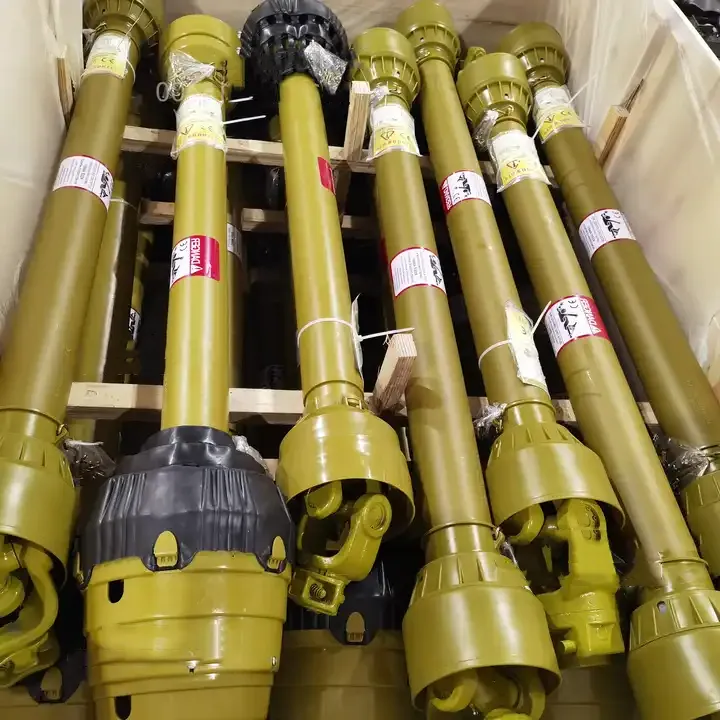
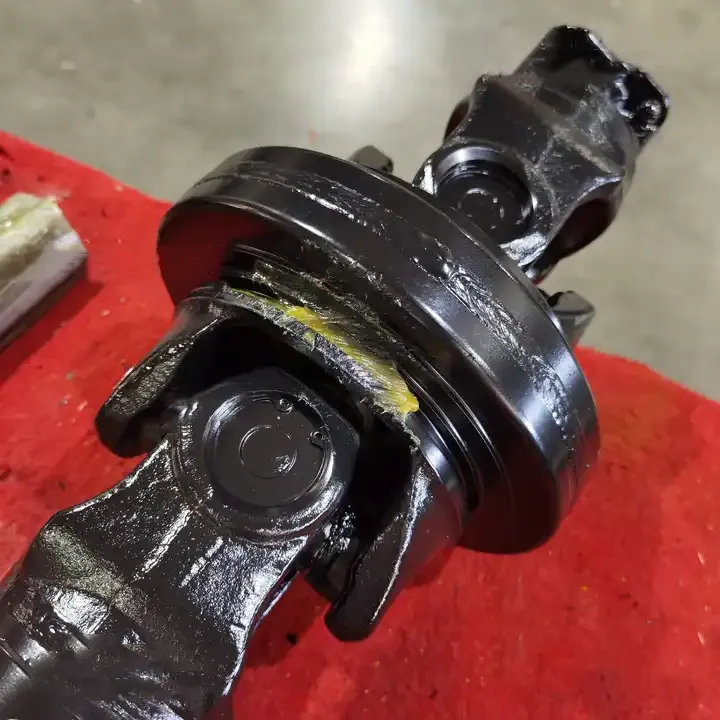
In the world of agricultural and industrial machinery, the transfer of power from a tractor or engine to an implement is a fundamental operation. This crucial task is performed by the Power Take-Off shaft, commonly known as a PTO shaft or drive line. A PTO shaft is a mechanical component that connects the power source to a separate piece of equipment, enabling the driven machine to perform its function, such as tilling soil, baling hay, or pumping liquids. At Raydafon Group, we understand that the reliability and efficiency of your entire operation can hinge on the quality and compatibility of this single component. A robust, well-designed PTO shaft ensures maximum power transmission with minimal loss, protects both the tractor and implement from damage due to misalignment or overload, and directly contributes to operational safety and productivity.
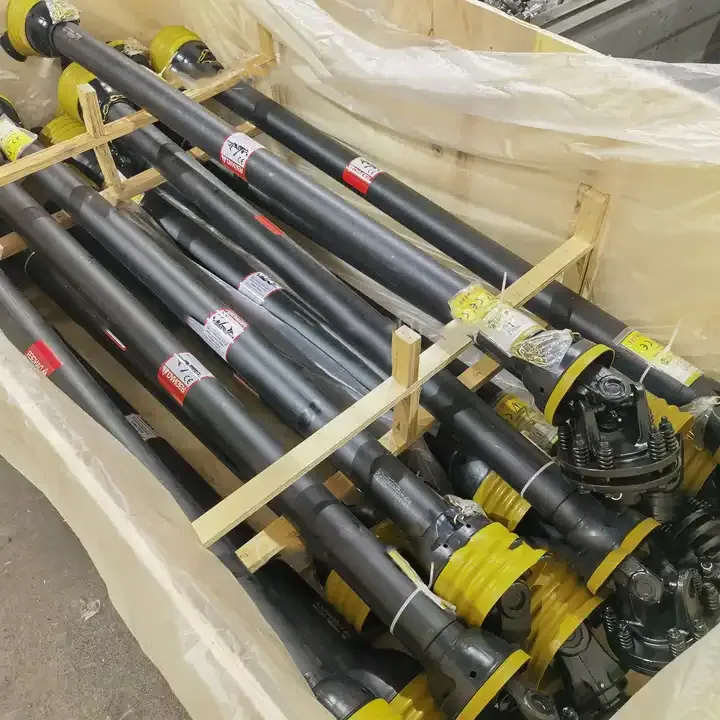
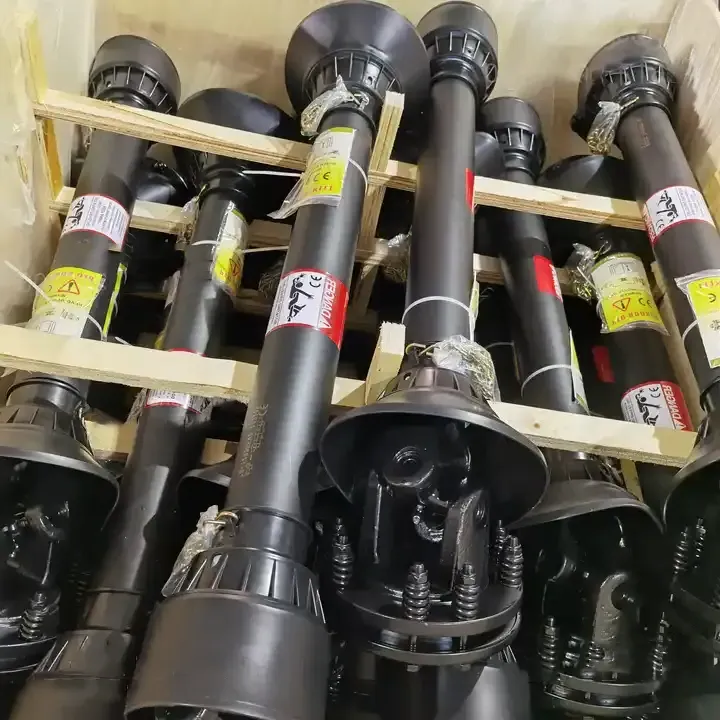
Raydafon Group has established itself as a trusted leader in the design and manufacturing of premium power transmission components. Our PTO shafts are not mere commodities; they are precision-engineered solutions built to withstand the most demanding conditions. We utilize high-grade materials, advanced manufacturing techniques, and rigorous quality control to produce drive lines that offer superior strength, longevity, and performance. Whether you are operating a compact utility tractor or heavy-duty industrial equipment, Raydafon Group provides a PTO shaft solution that matches your specific torque requirements, speed ratings, and dimensional standards. Our commitment is to deliver products that minimize downtime and maximize your return on investment.
Selecting the correct PTO shaft requires careful attention to technical parameters. Below are the key specifications for our core product series. Always consult your machinery manuals and our technical team for the final selection.
This table provides a quick reference for matching Raydafon Group shafts with common tractor and implement standards.
| PTO Shaft Type (ISO Standard) | Spline Size | Nominal Speed (RPM) | Max. Power (HP/kW) * | Recommended Raydafon Series |
|---|---|---|---|---|
| Type 1 | 1-1/8" 6-spline | 540 | 60 HP / 45 kW | SA-6 |
| Type 2 | 1-3/8" 6-spline | 540 / 1000 | 100 HP / 75 kW | SA-10, HDI-20 |
| Type 3 | 1-3/4" 6-spline | 1000 | 180 HP / 135 kW | SA-15, HDI-30 |
| Type 4 (Industrial) | 1-3/4" 20-spline | 1000 | 300 HP / 225 kW | HDI-45 |
* Power ratings are approximate and depend on operational conditions. Always verify with specific product data sheets from Raydafon Group.
Q: How do I choose the correct PTO shaft for my tractor and implement?
A: Selecting the right shaft involves four key steps. First, identify the tractor's PTO type (spline size and speed: 540 or 1000 RPM). Second, check the implement's input requirements, which should be stamped on its yoke. Third, measure the required working length: with the implement lowered and the tractor hitch raised, measure the distance between the two shafts. The PTO shaft should be slightly shorter at its minimum telescoped length to prevent binding. Finally, match these parameters with the correct series from Raydafon Group, considering the torque demands of your application. Our technical support team can assist with this process.
Q: Can I use a PTO shaft with a higher torque rating than my tractor produces?
A: Yes, and it is often recommended for safety and durability. Using a shaft rated for a higher torque (e.g., selecting an SA-15 for an application that an SA-10 could technically handle) provides a greater safety margin. It means the shaft's components are more robust and better able to handle shock loads, misalignment stresses, and wear over time, reducing the risk of failure. The critical factor is that the spline size and speed must match; the shaft's torque capacity should meet or exceed the maximum torque output of your power source.
Q: What are the critical safety steps when installing and using a PTO shaft?
A: PTO safety is paramount. Always follow these rules: 1. Completely shut off the tractor engine and remove the key before connecting or disconnecting the shaft. 2. Ensure the master shield on the tractor and the implement's input shield are intact and in place. 3. Slide the telescoping tubes together to the correct working length and secure the locking pins or collars. 4. Connect the implement end first, then the tractor end, ensuring both are securely fastened. 5. Before starting, make sure the shaft is free to rotate and has adequate clearance from all obstructions. 6. Never step over or wear loose clothing near a rotating PTO shaft.
Q: How often should I lubricate my PTO shaft, and what type of grease should I use?
A: Regular lubrication is essential for smooth operation and long life. For most Raydafon Group agricultural shafts, grease the universal joints and the telescoping splines every 10-20 hours of operation or at least once per season. In dusty or muddy conditions, increase the frequency. Use a high-quality, lithium-based multi-purpose grease. Apply grease until you see fresh grease purging from the joint seals, which ensures old, contaminated grease is displaced. Wipe away excess grease to prevent dirt accumulation.
Q: What are the signs that my PTO shaft needs maintenance or replacement?
A: Be alert to these warning signs: Vibration or wobbling during operation indicates possible imbalance, worn universal joints, or a bent tube. Difficulty telescoping suggests dirt buildup on the splines or lack of lubrication. Clicking or knocking sounds often point to worn cross bearings in the universal joints. Visible damage such as cracks in the guards, dents in the tube, or missing safety decals require immediate attention. If a shear bolt breaks repeatedly under normal load, check for implement binding or misalignment. Raydafon Group offers repair kits for many common wear parts.
Q: My PTO shaft seems to be the right length, but it separates when I lift the implement. Why does this happen?
A: This is a dangerous situation known as "over-extension" or "separation." It occurs when the distance between the tractor and implement PTO points increases beyond the maximum extended length of the shaft. This can happen if the hitch geometry allows the implement to swing too far away. The solution is to check your hitch setup and potentially use a shaft with a longer maximum extended length or a different type of hitch (like a rigid top link). Never operate equipment if the PTO shaft can separate, as the spinning shaft can cause catastrophic damage and severe injury.
Q: What makes Raydafon Group PTO shafts different from other brands on the market?
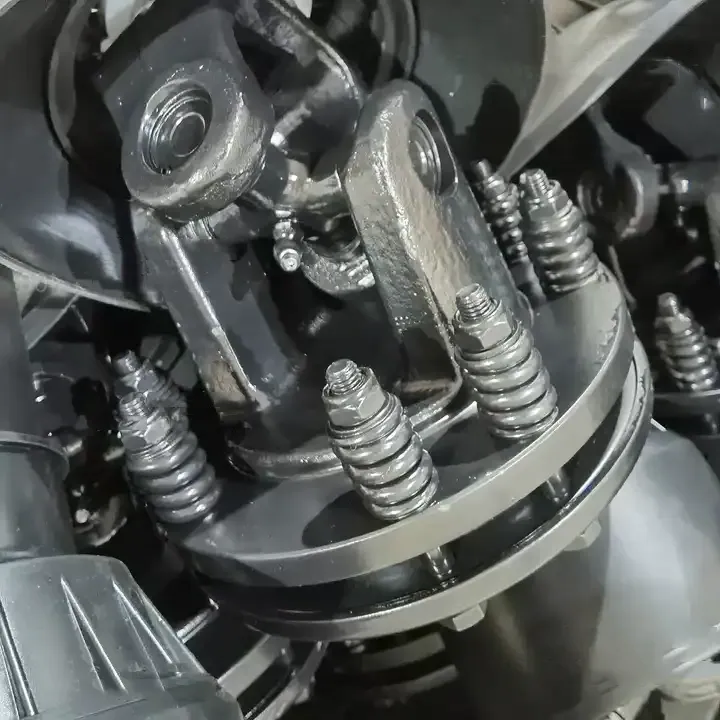
A: Raydafon Group distinguishes itself through a focus on precision engineering and material quality. Our shafts feature forged yokes for superior strength compared to cast alternatives. The telescoping tubes undergo a precise machining and hardening process to resist wear and maintain a smooth slide. We use high-capacity, sealed bearing joints that retain lubrication and keep contaminants out. Furthermore, every shaft undergoes a dynamic balancing procedure to minimize vibration. Our comprehensive range, from light agricultural to severe industrial duty, is backed by detailed technical data and accessible customer support, ensuring you get a solution, not just a part.
Q: Does Raydafon Group offer custom PTO shaft solutions for unique applications?
A: Absolutely. While our standard series covers the majority of applications, we recognize that specialized machinery often requires tailored solutions. Raydafon Group's engineering department can design and manufacture custom PTO shafts with specific length requirements, unique yoke or flange configurations, special coatings for corrosive environments, and higher torque capacities. We can also integrate custom safety devices or guarding. Contact our technical sales team with your application details, including drawings, torque loads, speed, and space constraints, for a custom product consultation.

 Raydafon