
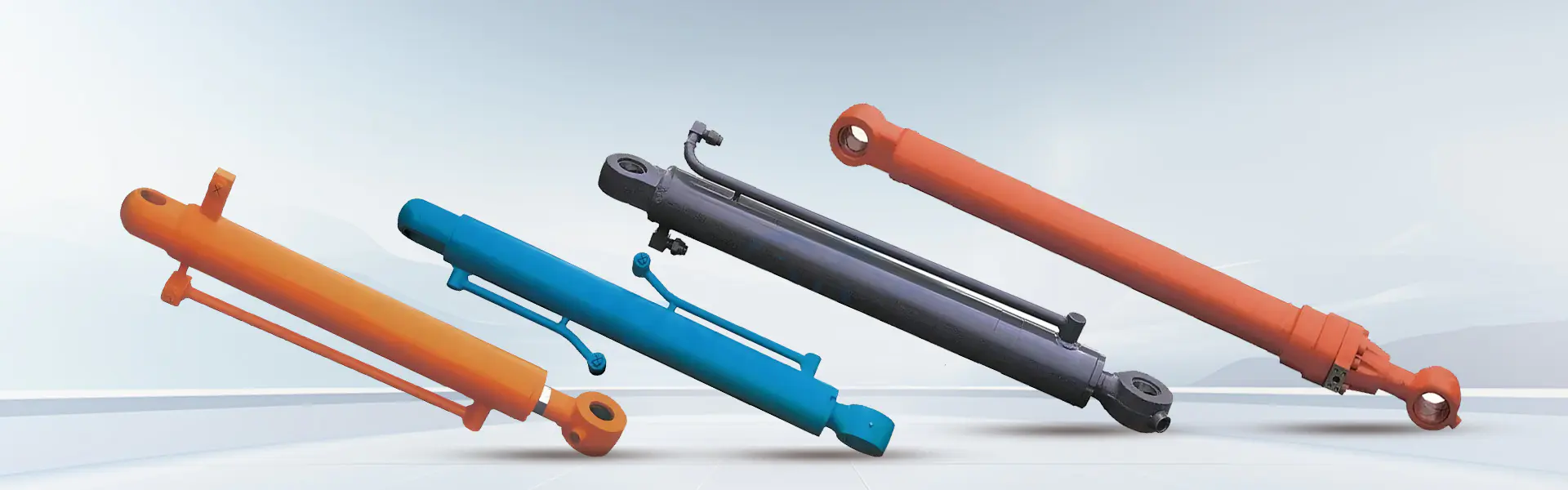
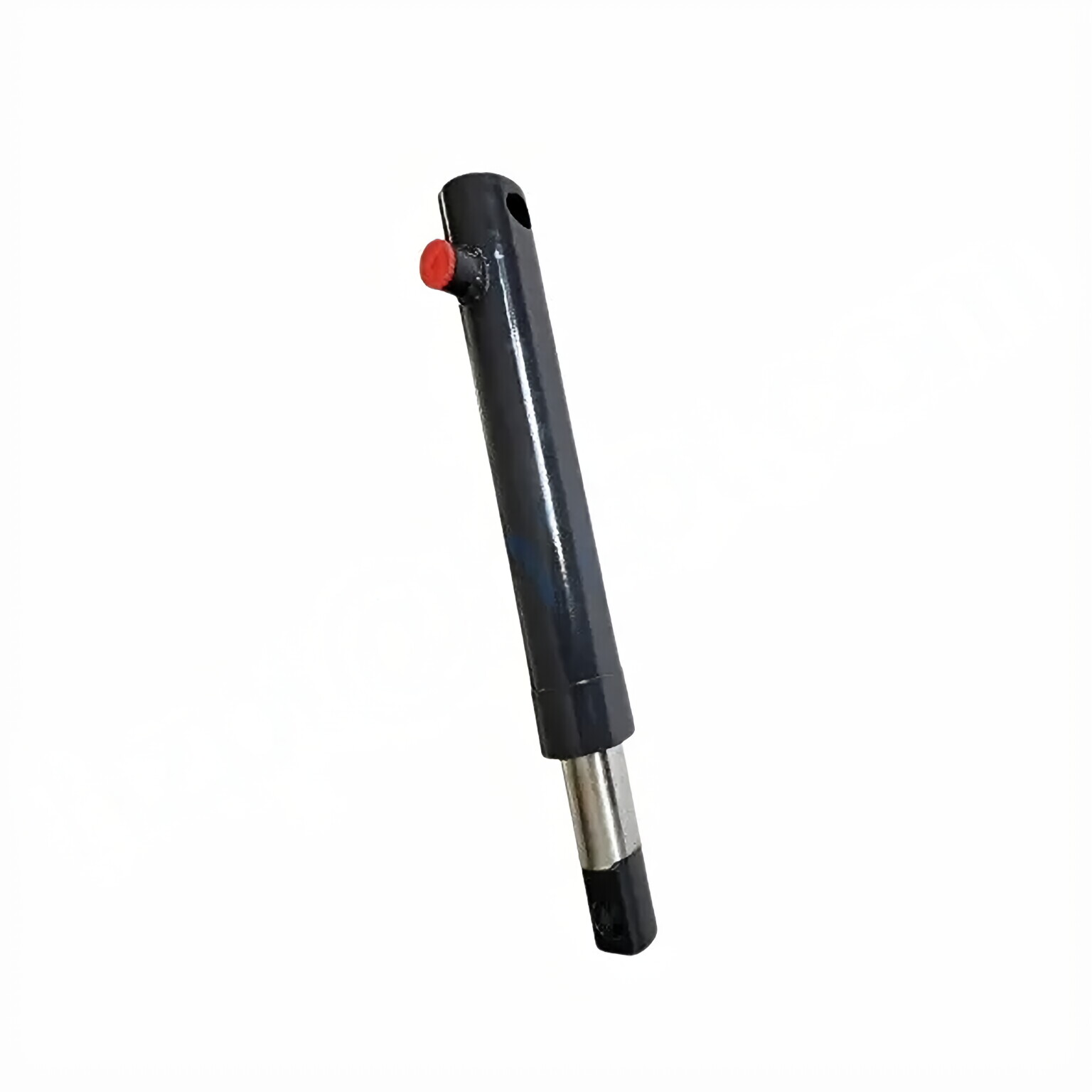
In the demanding world of modern agriculture, downtime is not an option. The efficiency and reliability of your combine harvester directly impact your yield, timeline, and bottom line. At the core of this complex machinery's critical functions—header control, reel adjustment, sieve operation, and steering—lies a vital component: the hydraulic cylinder. Not just any cylinder, but a precision-engineered harvester oil cylinder designed to withstand relentless pressure, contamination, and cyclical stress. Raydafon Group has been at the forefront of this precision engineering for decades, developing hydraulic solutions that power productivity from seed to harvest.
Understanding the specifications and capabilities of your harvester's hydraulic cylinders is the first step toward proactive maintenance and informed replacement. A failure during harvest season can be catastrophic. This guide delves into the essential parameters, technical data, and common questions surrounding harvester hydraulic cylinders, providing you with the knowledge to ensure your equipment operates at peak performance.
Selecting the correct cylinder is more than matching a bore size. It involves a holistic view of the application's demands. Here are the key parameters every operator and maintenance manager should evaluate:
Raydafon Group offers a comprehensive range of cylinders engineered specifically for the harsh environment of combine harvesters. Our series are built with high-tensile strength steel tubes, hardened and chromed piston rods, and premium seal technology. Below is a technical overview of our primary harvester-dedicated series.
| Series Model | Bore Diameter (mm) | Rod Diameter (mm) | Standard Stroke Range (mm) | Max Operating Pressure (bar) | Primary Mounting Style | Key Application in Harvester |
|---|---|---|---|---|---|---|
| RHC-50 Series | 40, 50, 63 | 20, 25, 28 | 100 - 400 | 210 | Clevis, Flange | Reel Height Control, Auger Adjustment |
| RHC-80 Series | 63, 80, 100 | 32, 40, 45 | 150 - 600 | 250 | Trunnion, Clevis | Header Lift & Tilt, Grain Tank Unloading |
| RHC-120 Series | 100, 120, 140 | 50, 63, 70 | 200 - 800 | 200 | Heavy-Duty Clevis, Tangential | Steering Cylinders, Main Frame Leveling |
| RHC-Telescopic Series | Multi-Stage | Stage-Dependent | Up to 2500 (collapsed) | 180 | Custom Flange | Grain Tank Extension, Unloading Auger |
Note: All Raydafon Group cylinders feature standard port sizes SAE-8 to SAE-16, with metric options available. Custom strokes, ports, and mountings can be engineered to match OEM specifications or retrofit needs.
To illustrate the depth of our engineering, here is a closer look at our most popular series for mainstream combine harvester models.
| Parameter | Specification | Test Standard / Note |
|---|---|---|
| Material (Tube) | Precision Honed Steel, Grade ST52 | Seamless, internal surface roughness Ra ≤ 0.4μm |
| Material (Rod) | Chrome-Plated Steel, Hardness 50-55 HRC | Double-chromed for corrosion resistance |
| Seal System | Multi-Lip Polyurethane + Nitrile Buffer Seals | Compatible with mineral oil, HFA/HFB fluids; Temp range: -30°C to +110°C |
| Piston Design | Integral welded with wear bands | Minimizes internal leakage, reduces friction |
| Cushioning Option | Adjustable on both ends (Optional) | Reduces shock and vibration at stroke ends |
| Proof Pressure | 1.5 x Max Operating Pressure | Ensures structural integrity and safety margin |
How do I know if my harvester oil cylinder is failing?
Common signs include visible hydraulic fluid leakage around the rod or ports, a "drifting" cylinder that cannot hold a position (e.g., header slowly dropping), jerky or uneven movement, and excessive noise during operation like knocking or chattering. Reduced harvesting speed or power in specific functions can also point to a cylinder not generating full force.
Can I rebuild a harvester hydraulic cylinder, or must I replace it?
Many harvester oil cylinders, especially those from quality manufacturers like Raydafon Group, are designed for rebuildability. If the cylinder barrel and rod are not deeply scored, bent, or corroded, a rebuild with a genuine seal kit is a cost-effective solution. However, replacement is recommended if critical structural components are damaged or if the cylinder is an older model where parts are obsolete.
What is the most critical factor when choosing a replacement cylinder?
While dimensions and pressure ratings are paramount, the seal material compatibility with your specific hydraulic fluid is often the most overlooked yet critical factor. Using incompatible seals leads to rapid swelling, shrinkage, or degradation, causing quick failure. Always confirm fluid type (mineral oil, biodegradable, fire-resistant) with the cylinder supplier.
Why do cylinder rods get scored or pitted, and how can it be prevented?
Scoring is primarily caused by external abrasive particles (dust, crop residue) adhering to the rod and being drawn into the seal. Pitting is usually from corrosion due to moisture in the environment or fluid. Prevention includes using and maintaining the rod wiper seal effectively, implementing regular cleaning of the exposed rod, and specifying cylinders with superior rod surface finishes and corrosion-resistant plating, such as Raydafon's double-chroming process.
Are custom stroke lengths and mountings available for older or specialized harvester models?
Yes. Reputable manufacturers like Raydafon Group specialize in providing custom hydraulic solutions. By providing the exact dimensions, operating pressure, port type, and a photo or sketch of the mounting, engineers can manufacture a direct replacement or performance-upgraded cylinder that fits perfectly, often eliminating the need for machine modification.
How important is the operating pressure rating?
It is a fundamental safety and performance specification. Operating a cylinder above its rated pressure can lead to catastrophic failure, including barrel rupture or rod buckling. Always select a cylinder whose maximum operating pressure exceeds your harvester's system relief valve setting. The Raydafon Group ratings include a built-in safety factor for pressure spikes common in hydraulic systems.
What maintenance can extend the life of my harvester's cylinders?
Regular visual inspection for leaks and damage, keeping rods clean, checking and maintaining proper hydraulic fluid level and cleanliness (using in-line filters), and ensuring all hydraulic connections are tight are essential. Periodically checking for misalignment or loose mounting hardware can prevent damaging side loads. Following the harvester manufacturer's recommended service intervals for the hydraulic system is crucial.
Beyond specifications on paper, the real-world performance of a harvester oil cylinder depends on manufacturing consistency, material quality, and rigorous testing. Raydafon Group employs state-of-the-art CNC machining for dimensional accuracy, 100% pressure testing of every unit before shipment, and traceability for all core components. Our engineering team understands the dynamic load profiles and environmental extremes faced by harvesters across North America, Europe, and Australia. This application-specific knowledge is built into every RHC series cylinder, ensuring not just a replacement part, but a reliability upgrade for your most valuable harvesting equipment. When your harvest depends on every hour of operation, the robustness of your hydraulic systems cannot be left to chance.
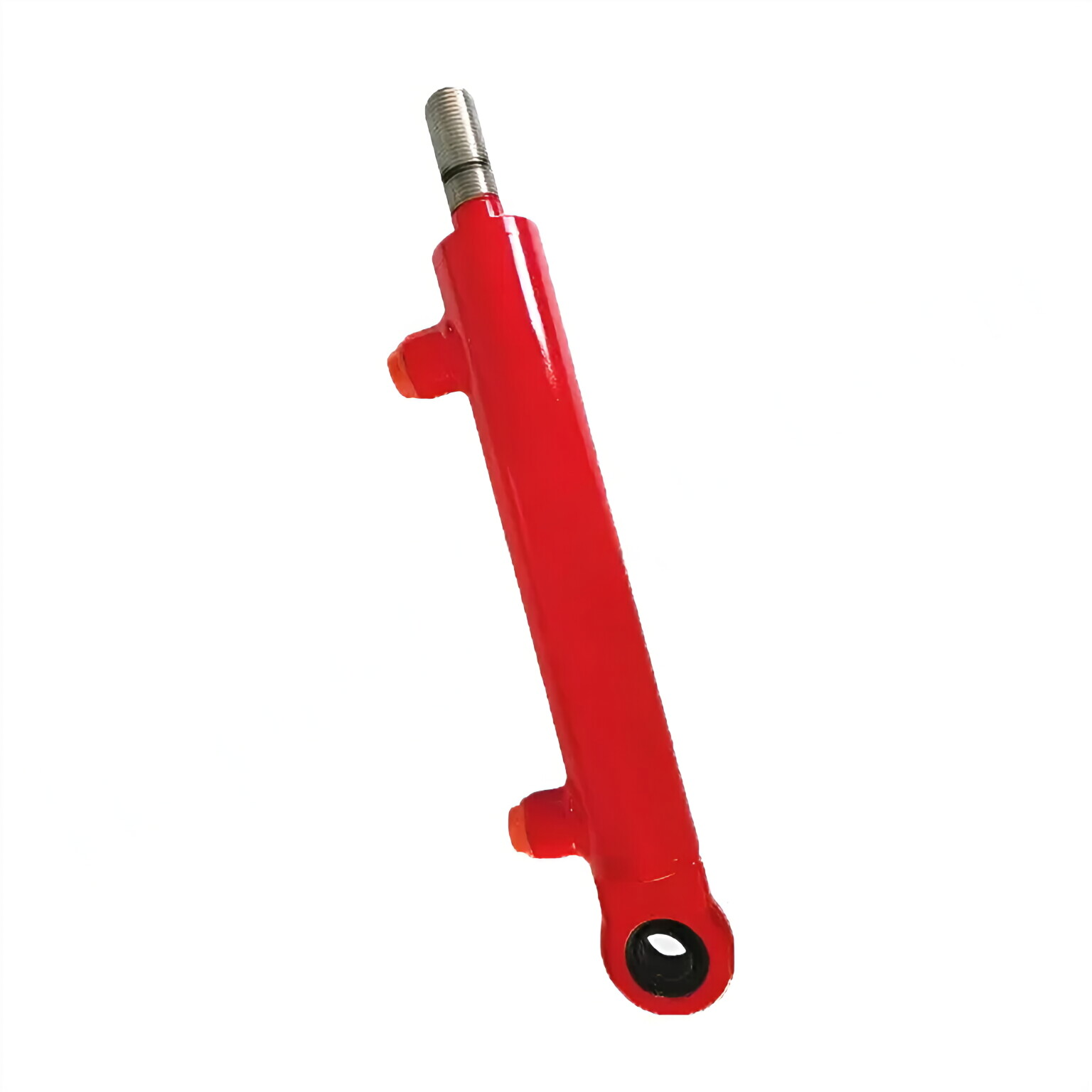
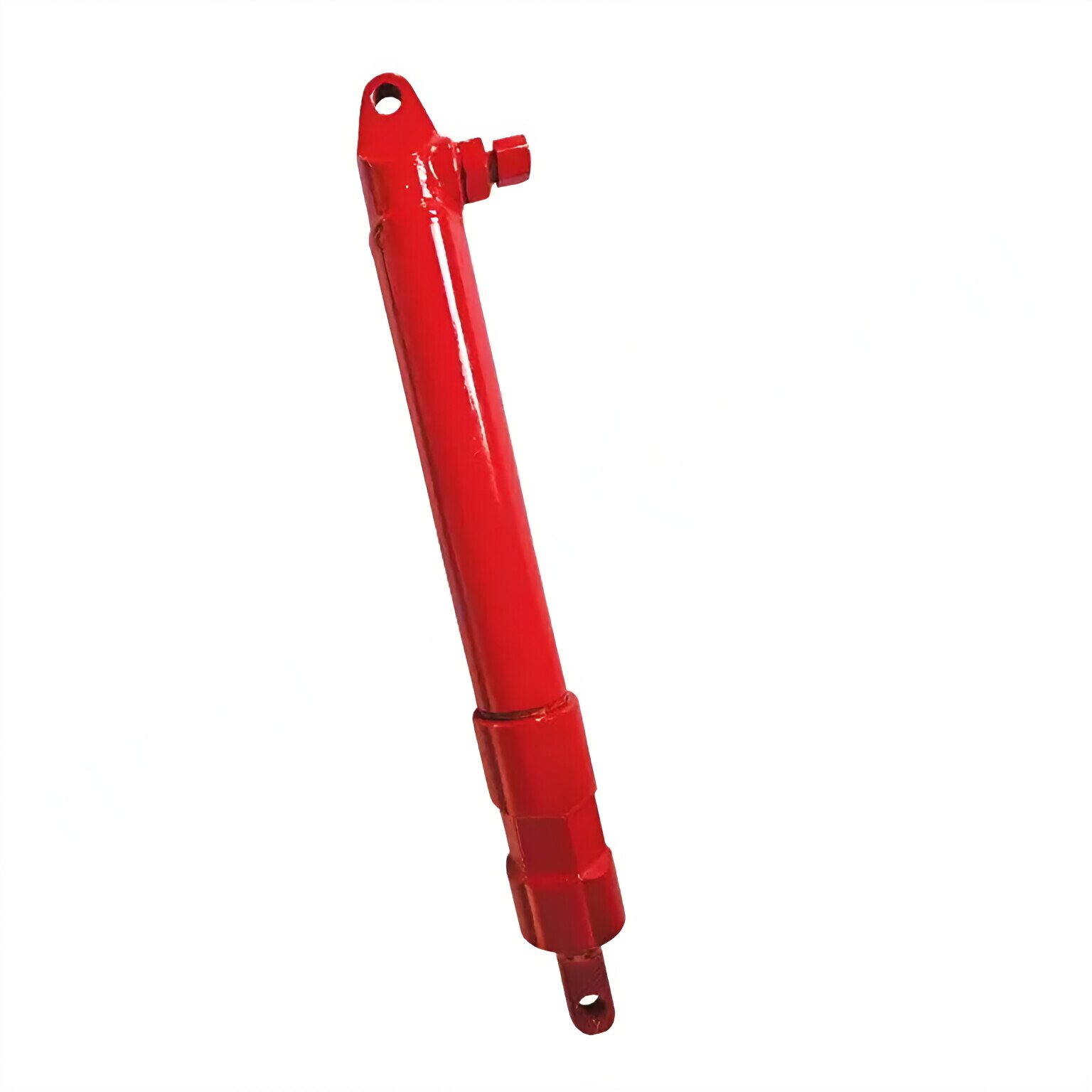
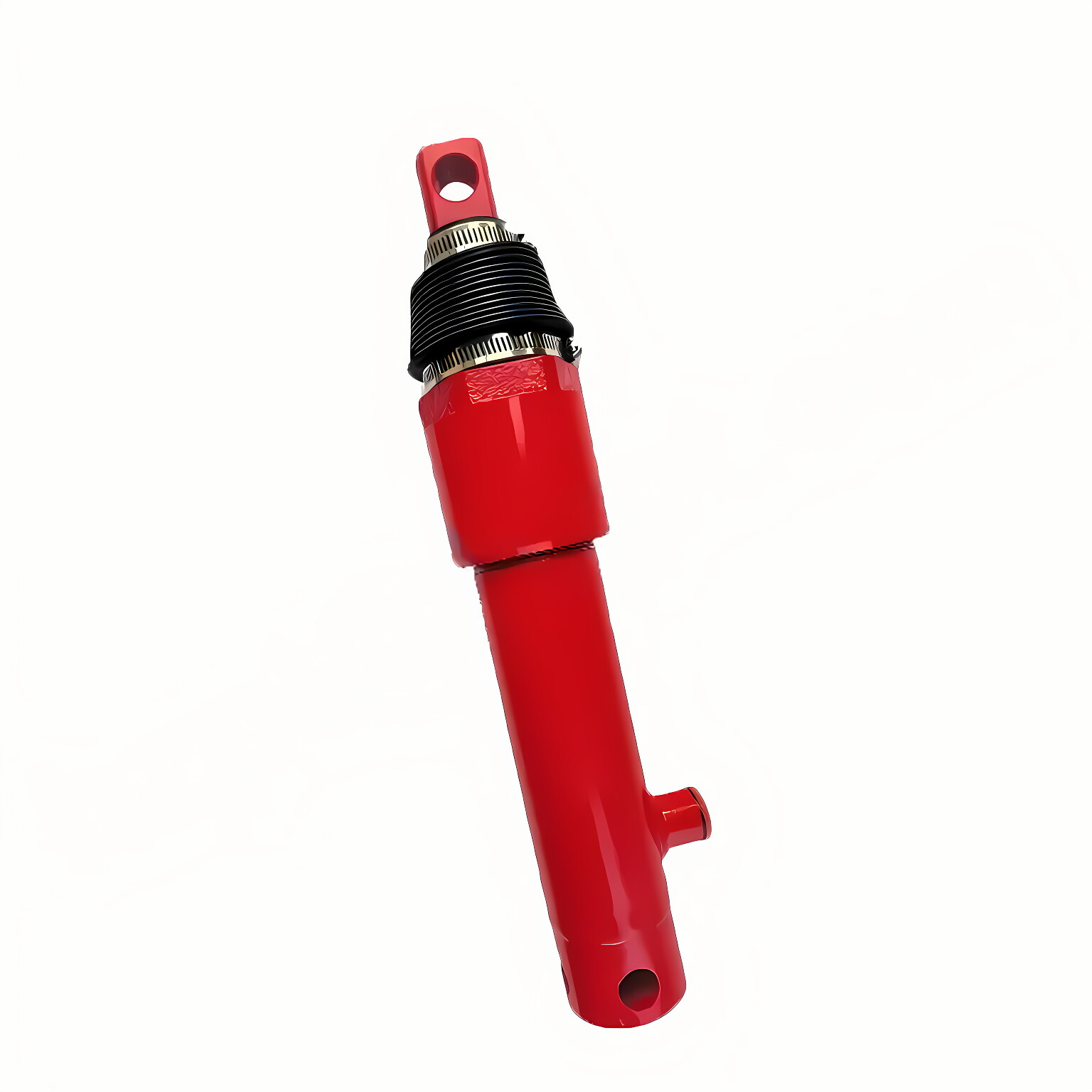

 Raydafon