
In the world of mechanical power transmission, few components are as fundamental yet as critical as the couplings. These devices serve as the indispensable link between two rotating shafts, transmitting torque while accommodating for various types of misalignment and movement. The proper selection and application of a coupling can mean the difference between a smooth-running, efficient operation and a system plagued by premature failure, excessive vibration, and costly downtime. For over four decades, Raydafon Group has been at the forefront of coupling technology, engineering robust solutions that set the standard for reliability and performance across global industries.
A coupling's primary duty is to transmit power from a driver (like a motor or engine) to a driven component (like a pump, compressor, or conveyor). However, its role extends far beyond simple connection. High-quality couplings must perform several key functions simultaneously:
Selecting the right coupling requires a careful analysis of your application's specific parameters. Engineers must consider:
Raydafon Group manufactures a comprehensive range of coupling types, each designed to excel in specific operational conditions. Our product development is driven by precision engineering, high-grade materials, and rigorous testing.
| Series | Model Prefix | Primary Material | Max Torque Range (Nm) | Max Speed (RPM) | Max Parallel Misalignment (mm) | Max Angular Misalignment (Deg) | Key Application |
|---|---|---|---|---|---|---|---|
| Jaw/Flexible Spacer | RDF-JS | Steel Hub, NBR/ Polyurethane Spider | 10 - 25,000 | 12,000 | 0.4 - 1.5 | 1.5° | Electric Motors, Pumps, Generators |
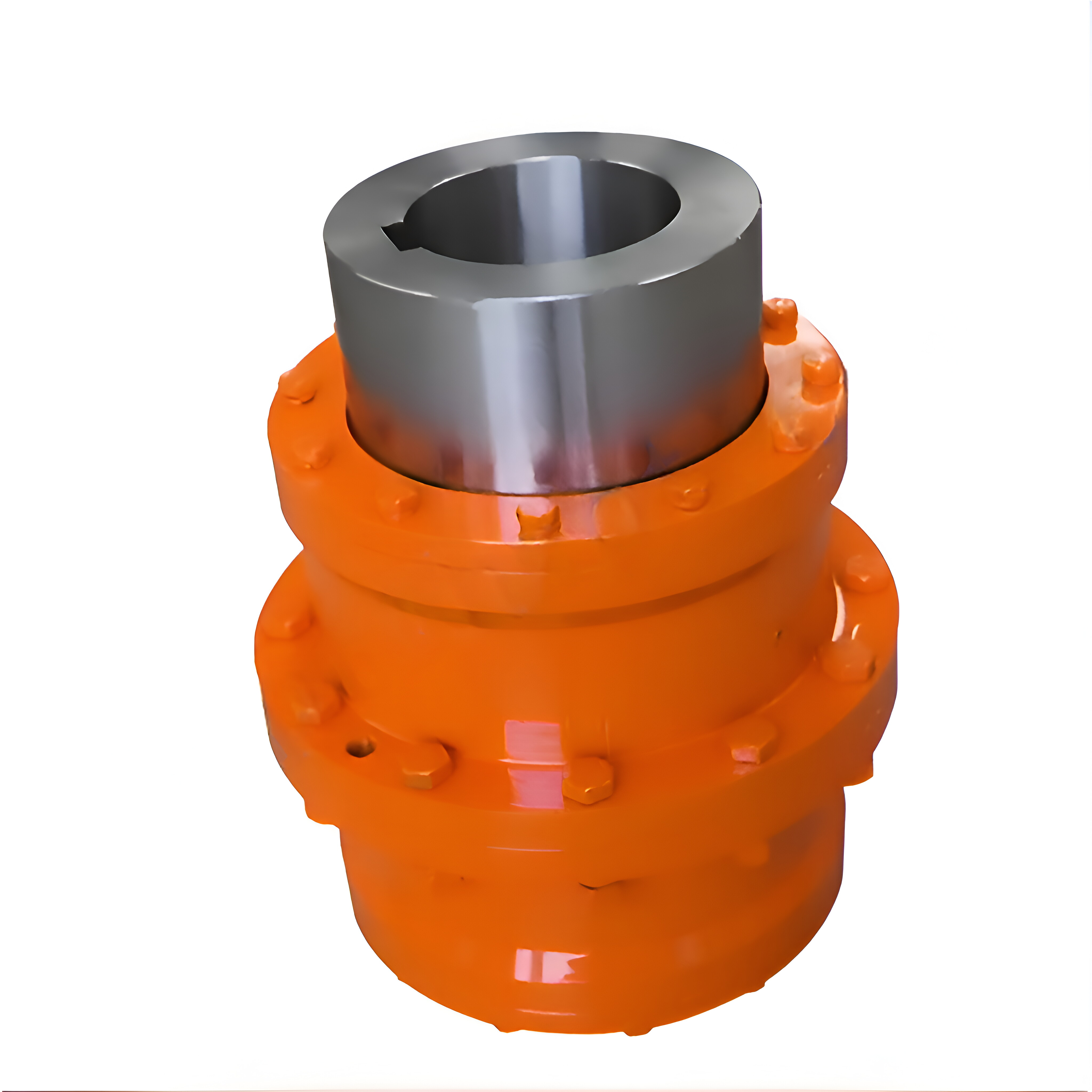
| High-Performance Gear | RDF-GH | Alloy Steel, Crowned Gear Teeth | 500 - 500,000 | 20,000+ | Up to 3.0 | Up to 1.5° | Turbines, Heavy Compressors, Rolling Mills |
| Single Disc Pack | RDF-DS | Stainless Steel Discs, Aluminum Hubs | 50 - 18,000 | 30,000+ | 0.5 - 1.2 | Up to 1.0° | High-Speed Pumps, Precision Spindles |
| Grid Coupling | RDF-GC | Cast Iron/Steel Hubs, Alloy Steel Grid | 1,000 - 200,000 | 6,500 | Up to 2.3 | Up to 1.5° | Crushers, Mixers, Punch Presses |
| High-Misalignment Elastomeric | RDF-EM | Steel, Hytrel/ EPDM Element | 5 - 8,000 | 8,000 | Up to 6.0 | Up to 4.0° | Conveyors, Marine Drives, Agitators |
Correct installation is paramount to achieving the designed service life and performance of any coupling. Raydafon Group provides detailed mounting instructions with each product. Universal best practices include:
A proactive maintenance schedule is essential. This typically involves regular visual inspections for signs of wear, corrosion, or loose hardware, checking for unusual vibration or noise, and, for certain types, periodic re-lubrication or element replacement. Raydafon Group couplings are designed for ease of maintenance, with many elastomeric element types allowing for "spider" or "donut" replacement without moving the connected machinery.
Q: What is the main consequence of installing a coupling with a torque rating lower than my application requires?
A: Installing an under-rated coupling is a primary cause of premature failure. The coupling will be subjected to stresses beyond its design capacity, leading to rapid wear, fracture of components (like jaws, discs, or grids), and catastrophic separation. This not only destroys the coupling but can cause severe secondary damage to the connected shafts, bearings, and machine housings, resulting in extensive downtime and repair costs.
Q: How often should I inspect and maintain my Raydafon Group coupling?
A: The inspection interval depends heavily on the coupling type and the severity of the application. As a general guideline, a visual inspection for loose hardware, oil leaks (on gear couplings), and element deterioration should be conducted during routine machine maintenance, often every 3 to 6 months. High-speed or critical applications may require more frequent checks. Elastomeric element couplings should have their flexible parts inspected for cracking, hardening, or permanent set every 6-12 months. Gear couplings require periodic re-lubrication per the intervals specified in the manual, which are based on operating speed and conditions.
Q: Can a coupling compensate for severe misalignment, and if so, which type is best?
A> While all flexible couplings are designed to handle some misalignment, they are not a substitute for proper initial shaft alignment. They are meant to accommodate residual misalignment and dynamic movement during operation. For applications with inherently higher misalignment (e.g., on floating shaft drives or equipment with thermal growth), types like Raydafon's RDF-EM High-Misalignment Elastomeric or double engagement gear couplings offer superior capacity. However, consistently operating a coupling at its maximum misalignment limit will significantly reduce its service life and efficiency.
Q: What is the difference between a flexible coupling and a rigid coupling?
A: A flexible coupling incorporates an element (elastomer, metal grid, disc pack, gear mesh) that allows it to flex, thereby absorbing vibration and compensating for misalignment between two shafts. A rigid coupling, such as a sleeve or flanged design, physically locks two shafts together as if they were a single solid shaft. They transmit torque with zero backlash but cannot tolerate any misalignment whatsoever. Perfect, permanent shaft alignment is mandatory for rigid couplings, making them suitable only for very specific, precision applications like some torque measurement test stands or aligned sections of a long line shaft.
Q: How do I determine the correct size of a coupling for my application?
A> Sizing a coupling is a critical engineering task. The primary steps involve: 1) Calculating the design torque, which includes the service factor (based on the driven equipment type and duty cycle) multiplied by the nominal torque. 2) Checking the bore capacity to ensure the coupling can accommodate the shaft diameters of both the driver and driven machine. 3) Verifying that the maximum operational speed (RPM) does not exceed the coupling's rated speed. 4) Confirming that the expected misalignment falls within the coupling's published limits. Raydafon Group provides detailed sizing software and engineering support to assist customers in making the perfect selection.
Q: Are Raydafon Group couplings customizable for special applications?
A: Yes. While our standard catalog covers a vast majority of industrial needs, Raydafon Group's engineering team specializes in developing custom coupling solutions. This can include special materials for corrosive or high-temperature environments, unique bore and keyway configurations, modified lengths for spacer couplings, special balance grades for ultra-high-speed applications, and coatings for enhanced protection. We work directly with OEMs and end-users to solve unique power transmission challenges.

 Raydafon