
For decades, industrial heating processes relied on methods that were often inefficient, inconsistent, and environmentally taxing. The advent of induction heating technology revolutionized this landscape, offering unparalleled precision, speed, and energy efficiency. At the forefront of this technological evolution stands the Raydafon Group, a name synonymous with reliability, innovation, and engineering excellence. Our commitment is not just to manufacture equipment but to provide integrated thermal solutions that empower industries worldwide. This guide delves into the core of our flagship technology—the Induction Heater—detailing its operation, specifications, and the tangible benefits it delivers across various sectors.
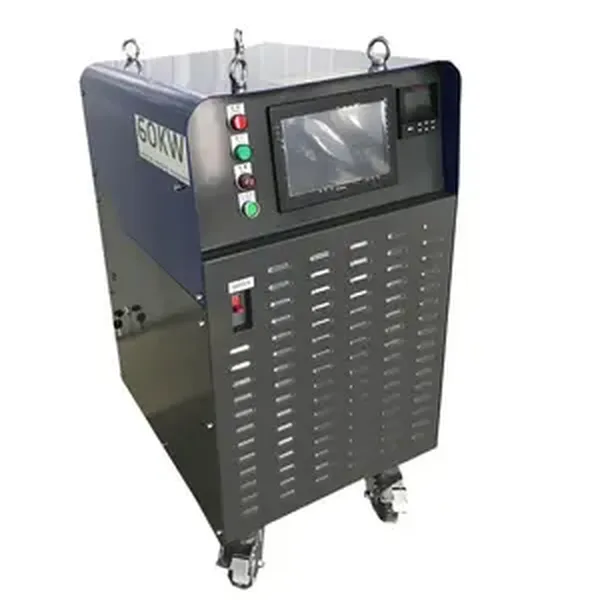
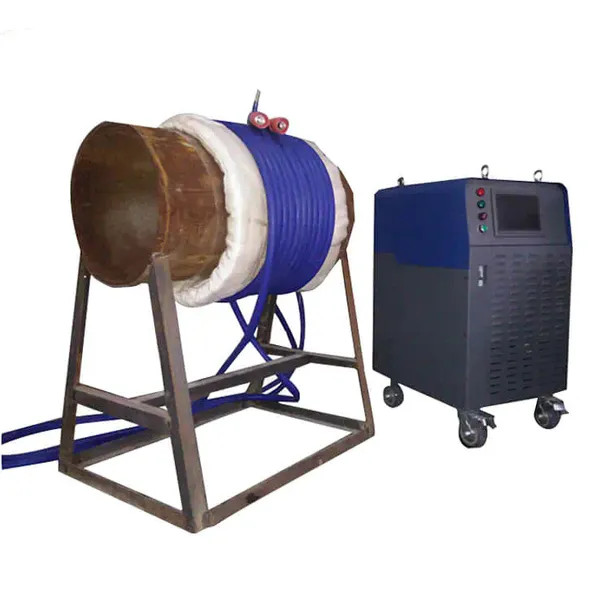
The principle behind an induction heater is elegant yet powerful. It utilizes electromagnetic induction to generate heat directly within a conductive material, typically metals. A high-frequency alternating current passes through a copper coil, creating a rapidly alternating magnetic field. When a workpiece is placed within this field, eddy currents are induced on its surface. The resistance of the material to these currents results in precise, localized, and instantaneous heating. Unlike traditional flame or oven heating, the induction heater does not rely on external heat transfer, eliminating losses and allowing for exceptional control.
Choosing a Raydafon induction heater translates into direct operational and financial advantages. Here are the key benefits that define our systems:
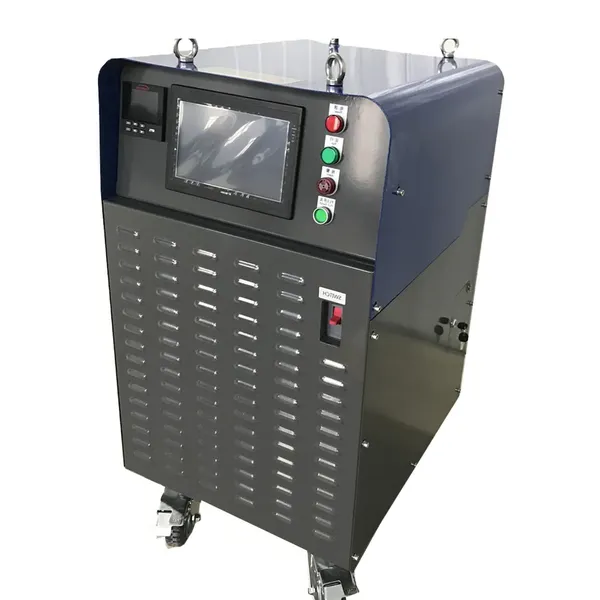
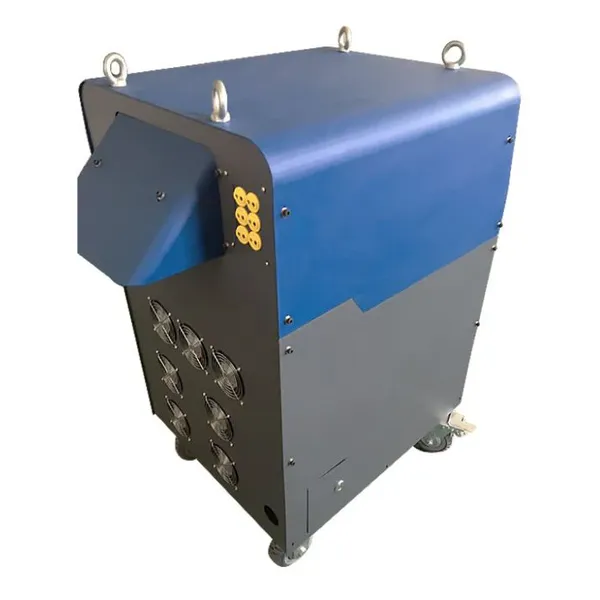
Our product range is built to cater to diverse industrial demands, from delicate laboratory work to heavy-duty forging. Below are the detailed parameters for our standard series of induction heating power supplies.
| Model Series | Power Output (kW) | Frequency Range (kHz) | Input Voltage (VAC) | Cooling Method | Typical Applications |
|---|---|---|---|---|---|
| RFG-ECO | 5 - 30 | 30 - 80 | 380 - 480, 3-Phase | Air-Cooled | Brazing, Soldering, Small Part Annealing |
| RFG-PRO | 35 - 120 | 10 - 50 | 380 - 480, 3-Phase | Water-Cooled | Surface Hardening, Forging, Melting (Non-Ferrous) |
| RFG-ULTRA | 150 - 500 | 0.5 - 10 | 480 - 690, 3-Phase | Closed-Loop Water System | Deep Case Hardening, Heavy Forging, Pipe Welding |
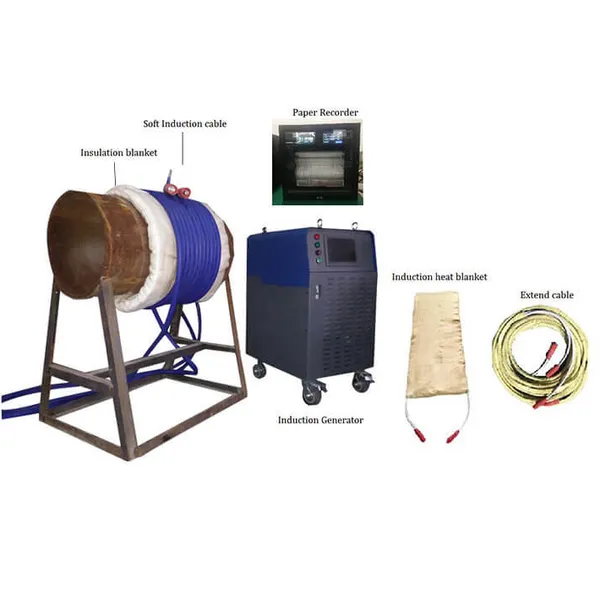
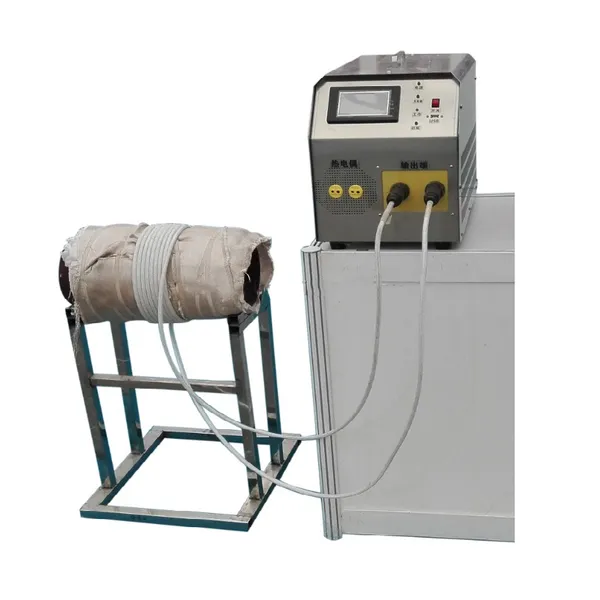
The power supply is only one component. The induction coil and workstation are tailored to the specific part geometry and process. Raydafon provides a complete system solution.
What materials can be heated using an induction heater?
Induction heating is primarily effective on electrically conductive materials. Ferrous metals like steel and iron heat exceptionally well due to their magnetic properties. Non-ferrous metals such as aluminum, copper, and brass can also be heated efficiently, though they often require higher frequency settings. Materials that are not electrically conductive, like plastics, wood, or glass, cannot be heated directly via induction unless a conductive susceptor is used.
How do I determine the right power (kW) and frequency (kHz) for my application?
The power requirement is driven by the mass of the part, the desired temperature rise, and the required cycle time. A simple formula involves calculating the kilowatt-hours needed to heat the mass. Frequency selection is more nuanced. As a rule of thumb: higher frequencies (10-500 kHz) provide shallow penetration (skin effect), ideal for surface hardening or heating thin materials. Lower frequencies (0.5-10 kHz) provide deeper thermal penetration, necessary for through-heating large cross-sections for forging or annealing. Raydafon's application engineers perform detailed simulations to recommend the optimal configuration.
What is the difference between air-cooled and water-cooled systems?
Air-cooled systems use internal fans and heat sinks to dissipate heat generated by the power supply's electronics. They are simpler to install, require less maintenance, and are suitable for lower duty cycles and power outputs (typically up to 30kW). Water-cooled systems use a recirculating chiller or plant water to cool both the power supply's internal components and the induction coil itself. This is essential for high-power systems (>35kW) and continuous, high-duty-cycle operations, as it provides far superior heat removal, ensuring stability and longevity.
Can an induction heater be used for plastic welding or packaging?
Absolutely. This is a specialized application where induction heats a metallic implant or foil layer embedded in or sealed behind the plastic. The localized heat melts the surrounding plastic, creating a weld or seal. Raydafon offers high-frequency, precise-control systems specifically designed for this clean and fast process, commonly used in automotive, medical device, and food packaging industries.
How does induction hardening work, and what are its benefits?
Induction hardening is a process where only a specific area of a steel part (like a gear tooth or shaft bearing surface) is rapidly heated into the austenitizing range and then immediately quenched. This transforms the microstructure to martensite, creating an extremely hard, wear-resistant surface layer while retaining a softer, tougher core. Benefits include minimal part distortion, precise pattern control, repeatability, and the ability to harden specific areas without masking, leading to superior part performance and fatigue life.
What safety precautions are necessary when operating an induction heater?
While inherently safer than open-flame systems, key precautions must be observed: Always use proper personal protective equipment (PPE) like heat-resistant gloves and face shields when handling hot workpieces. Ensure all safety interlocks on guarding are functional. Keep flammable materials away from the work area. For water-cooled systems, monitor flow and temperature to prevent overheating. Ensure the system is properly grounded to prevent electrical hazards. Raydafon systems include built-in fault protection for over-current, over-temperature, and water flow.
What is the typical maintenance required for a Raydafon induction system?
Maintenance is minimal but crucial. Daily/Weekly: Visually inspect coils for wear, cracks, or scale buildup; check water coolant levels and quality (if applicable); ensure air filters on air-cooled units are clean. Monthly/Quarterly: Check and tighten electrical connections; verify calibration of temperature sensors. Annually: A full system inspection by a qualified technician is recommended. The primary consumable is the induction coil, which may need refurbishment or replacement based on usage intensity.
The versatility of Raydafon induction heaters makes them indispensable in modern manufacturing.
Selecting an induction heating partner is a strategic decision. Raydafon Group distinguishes itself through a holistic approach. Our process begins with an in-depth application analysis, often involving sample part testing in our lab. We design and manufacture both the power supply and the application-specific tooling in-house, ensuring perfect compatibility and performance. Our global service network provides installation, training, and prompt technical support. We don't just sell a machine; we deliver a guaranteed thermal process, backed by decades of engineering expertise and a commitment to driving efficiency and quality in your production line.

 Raydafon