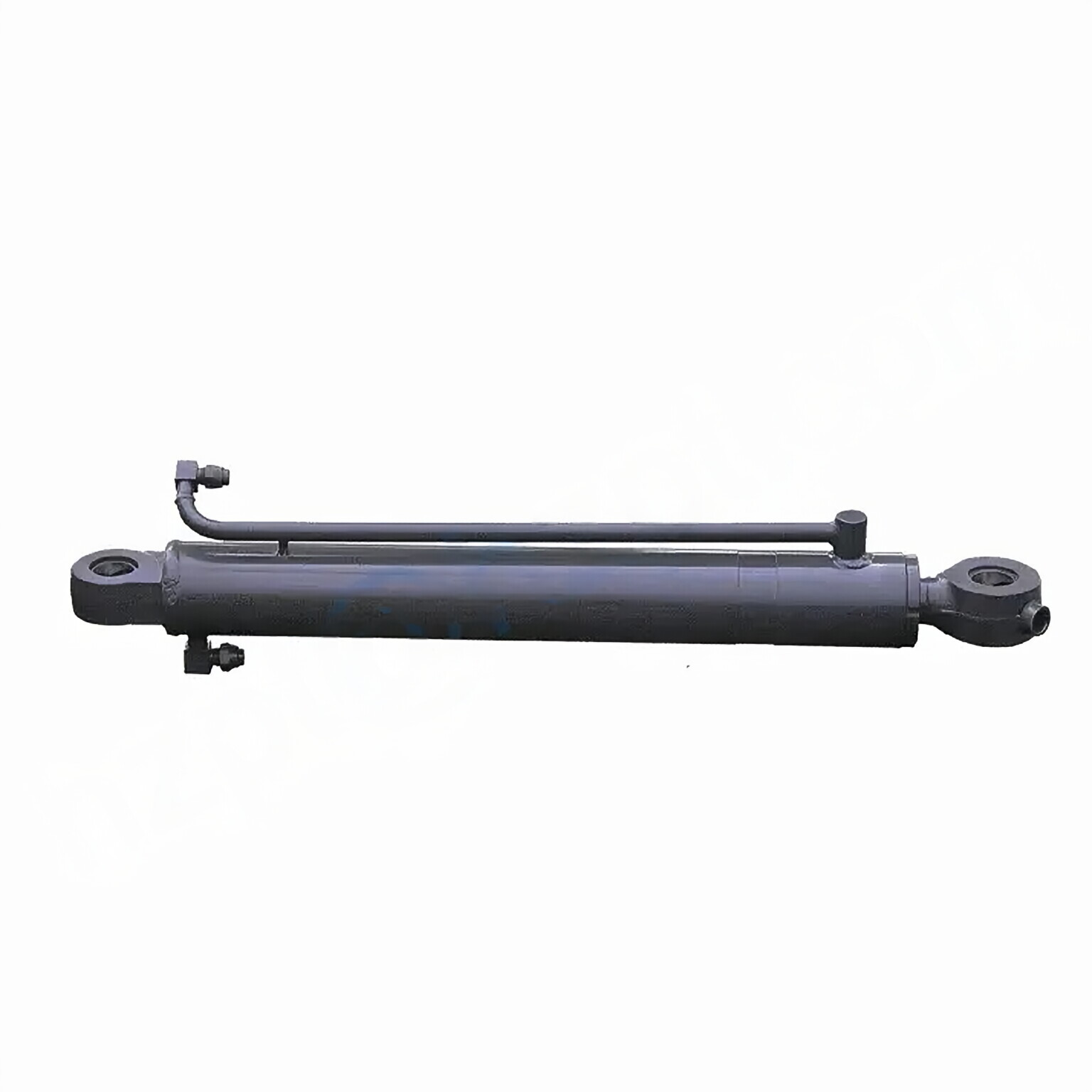
Hydraulic tie rod cylinders are the workhorses of countless industrial and mobile applications, prized for their robust construction, versatility, and cost-effectiveness. As a fundamental actuator, they convert hydraulic fluid pressure into linear mechanical force and motion. At Raydafon Group, with decades of engineering excellence, we have refined the design and manufacturing of these critical components to deliver unparalleled reliability and performance across diverse sectors, from manufacturing and material handling to construction and agriculture.
### Core Design and Operational Principle
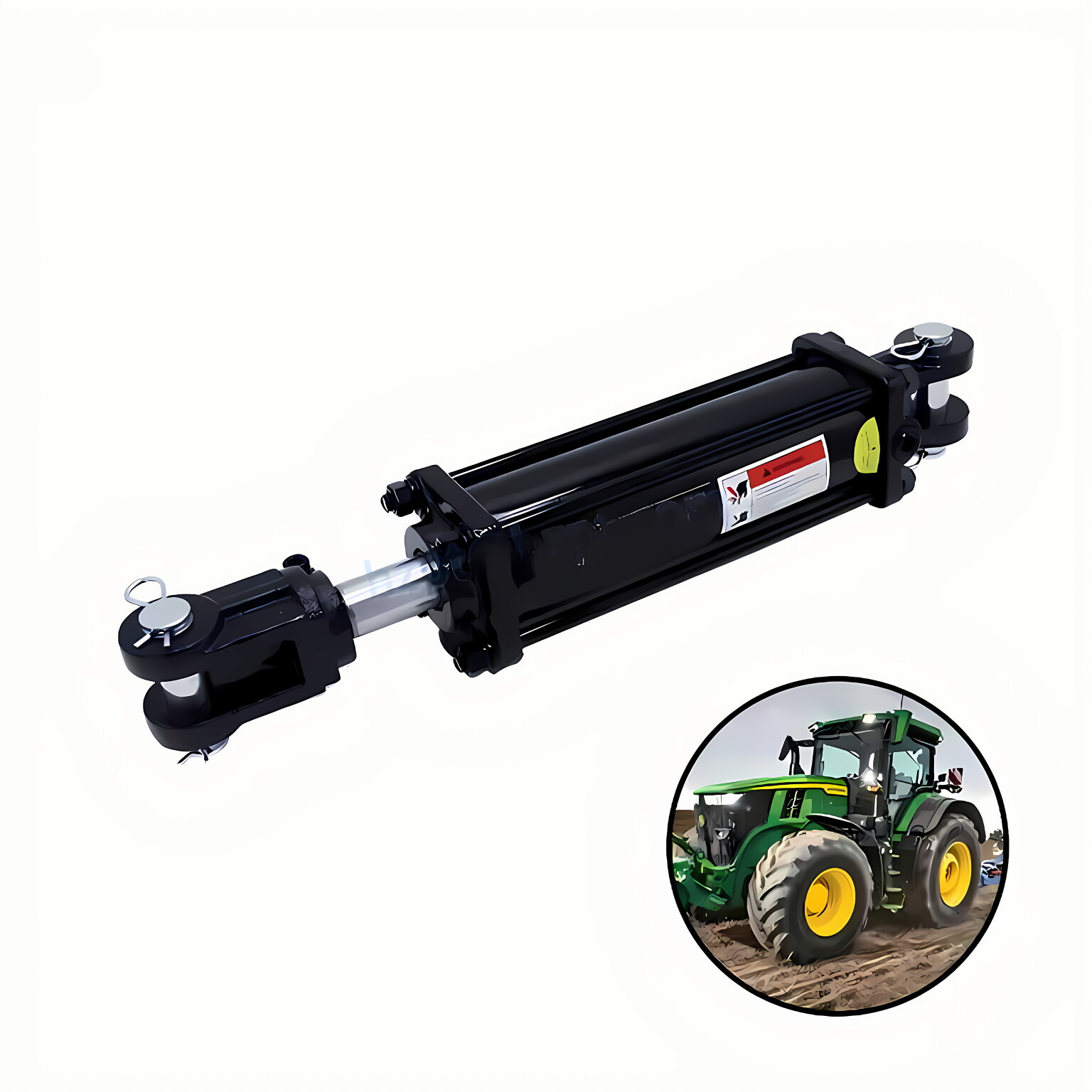
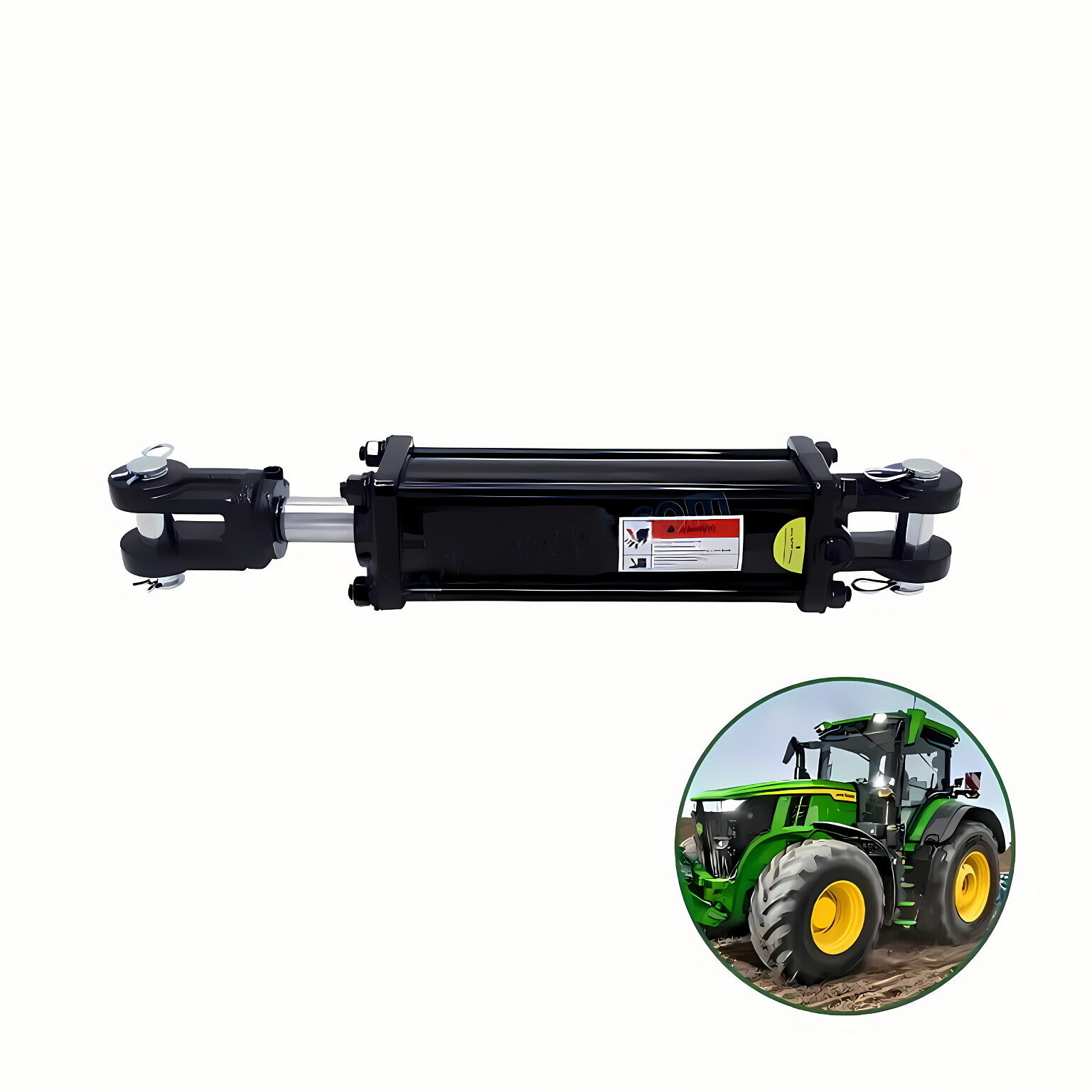
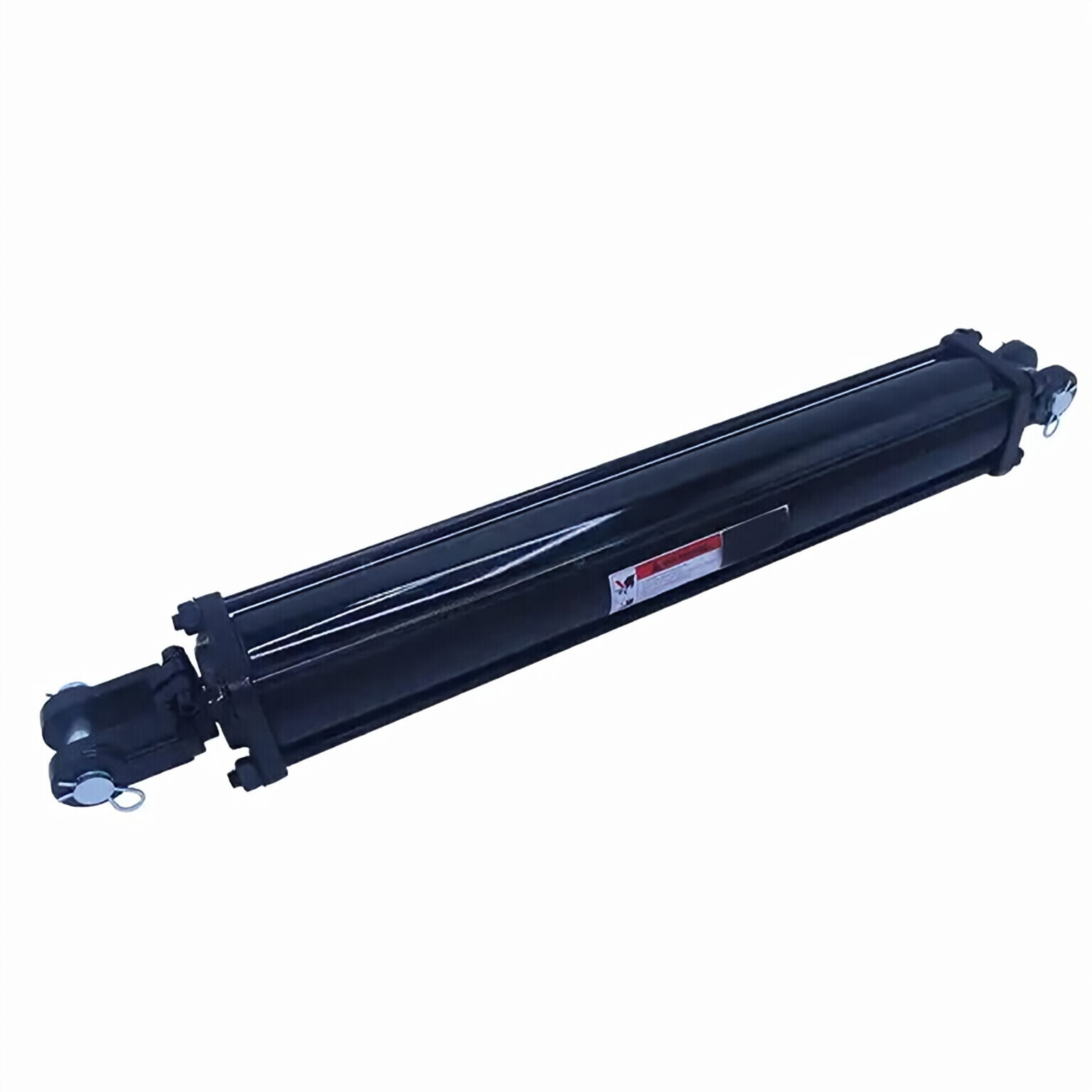
The defining characteristic of a tie rod cylinder is its construction method. The cylinder barrel is held securely between end caps by high-strength, threaded tie rods that run the length of the assembly. This design offers significant advantages:
* **Ease of Maintenance:** The assembly can be disassembled and reassembled relatively easily for seal replacement or servicing.
* **Cost-Effective Manufacturing:** The design allows for standardized components and efficient production processes.
* **Structural Integrity:** Properly torqued tie rods create a robust housing capable of withstanding high operating pressures.
Operation is straightforward: pressurized hydraulic fluid is ported into one side of the cylinder (the cap end or rod end), acting upon the piston's surface area. This pressure creates a force (Force = Pressure x Area) that moves the piston and attached piston rod in a linear direction. Fluid from the opposite side is simultaneously ported back to the reservoir.
### Raydafon Group Product Parameters and Specifications
Our hydraulic tie rod cylinders are engineered to meet rigorous international standards. We offer a comprehensive range of sizes, mounting styles, and customizations to fit your precise application needs.
**Standard Construction Features:**
* **Cylinder Tubing:** Precision honed, high-strength steel tubing with superior surface finish for optimal seal life and performance.
* **Piston Rod:** Hard-chromed, high-tensile steel rods, ground and polished for maximum resistance to wear, corrosion, and scoring.
* **Seals:** High-performance polyurethane or nitrile seals are standard, selected for compatibility with various hydraulic fluids and operating temperatures.
* **End Caps & Tie Rods:** Manufactured from high-grade steel, with heat-treated alloy steel tie rods for exceptional tensile strength.
* **Mounting Styles:** A wide array of standard mounts including front flange, rear flange, side-mounted clevis, centerline trunnion, and foot mounts.
* **Pressure Ratings:** Standard series are rated for operating pressures up to 3,000 PSI (207 bar). High-pressure models are available.
**Detailed Product Specification Table**
The table below outlines key specifications for our NFPA (National Fluid Power Association) interchangeable series. Custom dimensions and features are available upon request.
| Parameter / Feature | Series 2H (Light Duty) | Series 3H (Medium Duty) | Series 4H (Heavy Duty) | Custom High-Pressure Series |
| :--- | :--- | :--- | :--- | :--- |
| **Bore Diameter Range** | 1.5" to 8" (38 to 203 mm) | 1.5" to 14" (38 to 356 mm) | 2" to 20" (50 to 500 mm) | 1" to 10" (25 to 250 mm) |
| **Rod Diameter Range** | Standard & oversized options available per NFPA standards. | Standard & oversized options available per NFPA standards. | Standard & oversized options available per NFPA standards. | Engineered per application. |
| **Stroke Length** | Up to 20 ft (6 m) | Up to 24 ft (7.3 m) | Up to 30 ft (9 m) | Up to 15 ft (4.5 m) |
| **Standard Operating Pressure** | Up to 2,500 PSI (172 bar) | Up to 3,000 PSI (207 bar) | Up to 3,000 PSI (207 bar) | Up to 5,000 PSI (345 bar) |
| **Test Pressure** | 1.5 x Operating Pressure | 1.5 x Operating Pressure | 1.5 x Operating Pressure | 2.0 x Operating Pressure |
| **Standard Seal Kit** | Buna-N (Nitrile) | Buna-N (Nitrile) / Polyurethane | Polyurethane | Fluorocarbon (Viton) / Polyurethane |
| **Standard Rod Finish** | Hard Chrome Plated | Hard Chrome Plated | Hard Chrome Plated with additional corrosion protection | Super-finish Hard Chrome |
| **Typical Applications** | Packaging, light presses, agricultural gates. | Industrial automation, material handling, dump trailers. | Construction equipment, heavy presses, marine applications. | Oil & gas, steel mills, testing equipment. |
**Available Options from Raydafon Group:**
* **Cushions:** Adjustable hydraulic cushions on one or both ends to decelerate the piston smoothly at stroke ends.
* **Position Sensing:** Integration of magnetostrictive or LVDT transducers for precise rod position feedback.
* **Special Coatings:** Phosphate, paint, or nickel plating for enhanced corrosion resistance.
* **Port Sizes & Configurations:** SAE, NPT, or BSPP ports in various sizes and locations.
* **Rod End Attachments:** Threaded, clevis, or spherical bearing ends.
### Frequently Asked Questions (FAQ) about Hydraulic Tie Rod Cylinders
**What are the main advantages of a tie rod cylinder design?**
The primary advantages are serviceability and cost. The tie rod construction allows for easier disassembly in the field for seal changes or piston repair compared to welded body cylinders. They are also generally more economical to manufacture for standard bore and stroke combinations, offering a lower initial cost.
**How do I select the correct bore and rod size for my application?**
Selection is based on the required force, system pressure, and rod column strength (to prevent buckling). First, calculate the needed force (in pounds or Newtons). Bore size is then determined by the formula: Bore Area = Force / System Pressure. Rod size is selected based on the cylinder's duty cycle, mounting style, and stroke length to ensure sufficient strength and stability. Raydafon Group's engineering team can assist with these calculations.
**What is the difference between a single-acting and double-acting tie rod cylinder?**
A single-acting cylinder uses hydraulic pressure to move the piston in one direction only (extend or retract). The return stroke is accomplished by an external force like a spring or gravity. A double-acting cylinder uses hydraulic pressure to both extend and retract the piston rod, providing controlled force in both directions, which is the most common configuration.
**What maintenance do tie rod cylinders require?**
Regular maintenance includes checking for external fluid leaks, inspecting the piston rod for scratches or corrosion, ensuring mounting bolts are tight, and monitoring for abnormal noise or jerky movement. The most common maintenance task is the periodic replacement of rod seals and piston seals, which is facilitated by the tie rod design.
**Can tie rod cylinders be used in high-cycle applications?**
Yes, but proper specification is critical. For high-cycle duties, specify oversized piston rods for better column strength, high-quality polyurethane seals, and hard-chromed rods with a superior surface finish. Optional features like rod wipers and bearing strips also enhance longevity in demanding cycles. Raydafon Group offers cylinders specifically engineered for high-cycle automation.
**What causes a hydraulic cylinder to drift or creep?**
Internal leakage past the piston seals is the most common cause of drift. This can be due to worn seals, scored cylinder walls, or contaminated fluid. In some cases, leakage past the valve spool controlling the cylinder can also be the culprit. Investigation should start with checking the condition of the cylinder's seals.
**How do I identify the correct replacement seal kit for my cylinder?**
The safest method is to use the cylinder's model number and serial number, which Raydafon Group can cross-reference. If this is unavailable, precise measurements of the old seals, piston groove dimensions, bore diameter, and rod diameter are required. Providing the cylinder's manufacturer name, if known, is also helpful.
**What are the signs that my hydraulic tie rod cylinder needs rebuilding?**
Key signs include visible hydraulic fluid leakage past the rod seal, reduced force or speed (indicating internal leakage), a scored or pitted piston rod, the cylinder failing to hold a load (drift), or the presence of metallic particles in the hydraulic fluid.
**Can I customize a standard tie rod cylinder for my unique application?**
Absolutely. At Raydafon Group, customization is a core strength. We regularly provide custom stroke lengths, special port sizes/locations, unique mounting configurations, custom paint or plating for corrosion resistance, and integration of sensors. We work directly with your engineering team to develop the optimal solution.
**Why should I choose Raydafon Group for my hydraulic cylinder needs?**
Raydafon Group combines decades of hydraulic expertise with modern manufacturing technology. We offer not just standardized products but deep engineering support, rigorous quality control from raw material to finished product, and a commitment to providing reliable, durable solutions backed by responsive customer service and technical assistance. Our cylinders are built to perform consistently, reducing downtime and total cost of ownership for your operations.


 Raydafon