
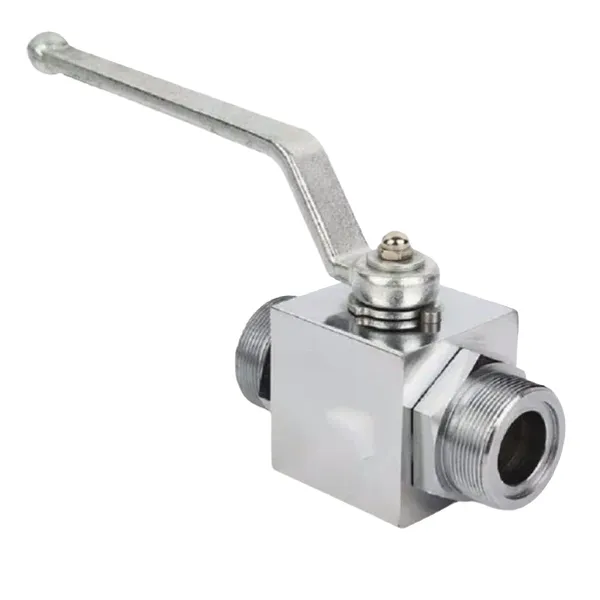
In the demanding world of hydraulic systems, reliable control is paramount. At the heart of many of these systems lies a critical component: the hydraulic ball valve. Engineered for precise on/off and directional control of high-pressure fluid flow, these valves are indispensable across numerous industries. The Raydafon Group, a leader in precision fluid control solutions, has been at the forefront of designing and manufacturing high-performance hydraulic ball valves that meet the rigorous standards of modern engineering. This guide delves into the specifics of what makes these components vital, their technical parameters, and best practices for selection and maintenance.
A hydraulic ball valve operates on a simple yet highly effective principle. It features a spherical disc (the ball) with a bore drilled through its center. The ball is seated within a valve body and connected to an external actuator (lever, handle, pneumatic, or electric). When the actuator is turned, typically a quarter-turn (90 degrees), the ball rotates. In the open position, the bore aligns with the flow path, allowing fluid to pass through with minimal restriction. A quarter-turn to the closed position rotates the bore perpendicular to the flow, blocking it completely. This design offers several key advantages:
Selecting the correct hydraulic ball valve requires a detailed understanding of its specifications. Raydafon Group valves are characterized by a robust set of parameters engineered for durability and performance under pressure.
The construction materials determine the valve's compatibility, pressure rating, and longevity.
| Component | Common Materials | Raydafon Standard | Key Properties & Applications |
|---|---|---|---|
| Valve Body | Carbon Steel, Stainless Steel (304, 316), Brass, Ductile Iron | Forged Carbon Steel A105, Stainless Steel 316 | High tensile strength, corrosion resistance. A105 for general hydraulics; 316 for corrosive environments. |
| Ball | Chrome-plated Steel, Stainless Steel, Brass | Chrome-plated A105 Steel or 316 SS | Hard, smooth surface for excellent sealing and wear resistance. Chrome plating enhances durability. |
| Seats & Seals | PTFE (Teflon), Nylon, PEEK, Metal (for high temp) | Reinforced PTFE, Nylon 12 | Provide low-friction, bubble-tight shut-off. Compatible with a wide range of hydraulic fluids (petroleum-based, HFA, HFB, HFC). |
| Stem | Stainless Steel, Carbon Steel | 17-4PH Stainless Steel or AISI 4140 | High shear strength to withstand operating torque without twisting. Often includes blow-out proof design. |
| Seals (O-rings, Packing) | NBR (Buna-N), FKM (Viton), EPDM | FKM (Viton) Standard; NBR & EPDM optional | FKM offers superior resistance to high temperatures and a broad range of hydraulic fluids and chemicals. |
These parameters define the valve's operational limits and physical integration into a system.
| Parameter | Typical Range | Raydafon Group Example (1/2" 2-way Valve) | Notes |
|---|---|---|---|
| Pressure Rating | Up to 10,000 PSI (690 bar) | 6,000 PSI (414 bar) Working Pressure | Rated for both working and proof pressure. Always check system max pressure. |
| Temperature Range | -20°F to 400°F (-29°C to 204°C) | -20°F to 250°F (-29°C to 121°C) with FKM seals | Limited by seat and seal material. PTFE seats handle higher temps than elastomers. |
| Port Sizes (NPT, BSP, SAE) | 1/8" to 2" | 1/4", 3/8", 1/2", 3/4", 1" NPT & SAE Straight Thread | Critical for leak-free connections. Match thread type and size to existing system ports. |
| Flow Coefficient (Cv) | Varies by size and design | Cv ~ 5.0 for 1/2" full port | Measures flow capacity. A higher Cv indicates less flow restriction. Full port valves have Cv close to pipe Cv. |
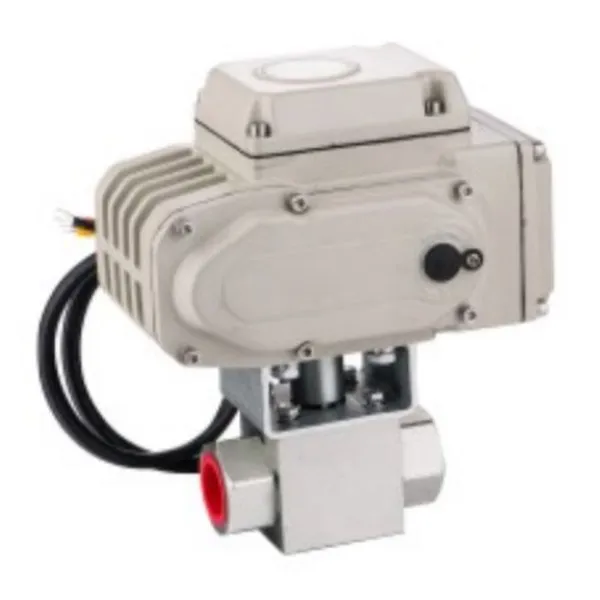
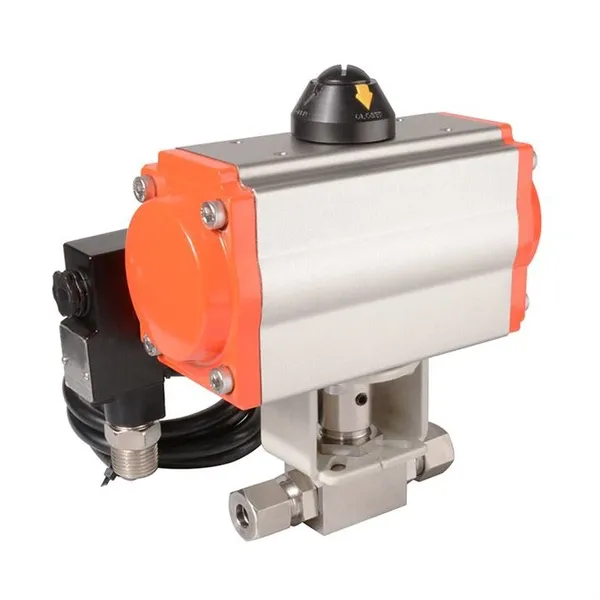
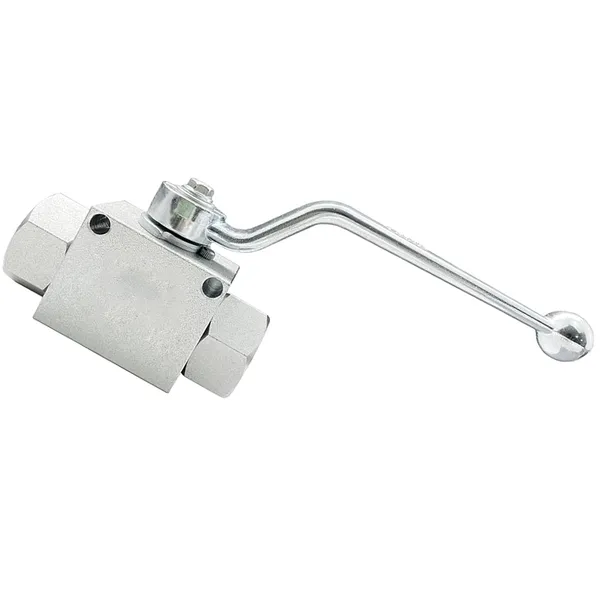
| Actuation Type | Lever, Handle, Pneumatic, Electric | Lockable Lever Standard; Pneumatic & Electric Actuators Available | Manual levers for simple control; automated actuators for remote or process control systems. |
| Valve Configuration | 2-way, 3-way, 4-way, Manifold Mounted | 2-way and 3-way L-port & T-port | 2-way for simple on/off; 3-way for switching between circuits or pressure/ tank. |
The robustness and versatility of high-quality hydraulic ball valves make them suitable for a vast array of applications. Raydafon Group valves are trusted in environments where failure is not an option.
Q: What is the main difference between a standard ball valve and a hydraulic ball valve?
A: While they operate on the same basic principle, hydraulic ball valves are specifically engineered for high-pressure fluid systems. They are constructed from heavier-duty materials (like forged steel), have higher pressure ratings (often thousands of PSI), feature precision-machined components for minimal leakage, and use seal materials compatible with hydraulic oils and fire-resistant fluids. A standard plumbing ball valve would likely fail quickly under hydraulic system pressures.
Q: How do I choose between a floating ball design and a trunnion-mounted ball design?
A: This is a crucial design choice. A floating ball valve relies on system pressure to push the ball against the downstream seat to create a seal. It is cost-effective and excellent for lower to medium pressures. A trunnion-mounted ball valve has the ball fixed on a stem (trunnion) at the top and bottom. The seats are spring-loaded, and the ball does not float. This design dramatically reduces operating torque, minimizes seat wear, and is mandatory for larger sizes and higher-pressure applications (typically above 1000-1500 PSI). For most industrial hydraulic systems, trunnion-mounted designs from manufacturers like Raydafon Group offer superior longevity and performance.
Q: Can hydraulic ball valves be used for flow control or throttling?
A: It is generally not recommended. Hydraulic ball valves are designed as isolation valves for fully open or fully closed service. Partial opening (throttling) can cause high-velocity flow to impinge on a small portion of the seat, leading to rapid erosion, cavitation, and premature seal failure. For flow control, a dedicated needle valve, globe valve, or proportional control valve should be used.
Q: What maintenance do hydraulic ball valves require?
A: High-quality hydraulic ball valves are designed for minimal maintenance. Primary tasks involve periodic external inspection for leaks, ensuring the actuator operates smoothly, and checking for any external damage. If a leak develops at the stem seals, some models allow for in-line packing adjustment or replacement. Internal seat replacement typically requires removing the valve from the line. Following system cleanliness protocols (using clean fluid, proper filtration) is the best preventative maintenance to extend valve life significantly.
Q: What does "full port" vs. "standard port" mean?
A: A full port (or full bore) valve has a ball bore diameter that is essentially the same as the pipe's inner diameter, resulting in virtually no flow restriction and very low pressure drop. A standard port (or reduced bore) valve has a ball bore that is one pipe size smaller than the valve's port size (e.g., the bore in a 1/2" valve is roughly 3/8"). Standard port valves are more compact and economical but create a higher pressure drop. In hydraulic systems where pressure loss is critical, full port valves are often preferred.
Q: How do I ensure I select the right seal material for my hydraulic fluid?
A: Fluid compatibility is non-negotiable. Always consult the valve manufacturer's chemical compatibility charts. As a general guide: Standard NBR (Buna-N) seals work well with standard petroleum-based hydraulic oils. For fire-resistant fluids like water-glycols (HFC), phosphate esters (HFDR), or water-in-oil emulsions (HFB), FKM (Viton) or EPDM seals are usually required. PTFE seats are generally compatible with almost all fluids but have different temperature and pressure limits. Raydafon Group provides detailed compatibility data with every product specification.
Proper installation is key to achieving the performance and service life engineered into the valve.
Engineering a reliable hydraulic system demands components that offer precision, durability, and safety. The hydraulic ball valve, with its efficient quarter-turn operation and robust sealing, remains a cornerstone of fluid control. By understanding the detailed parameters—from material grades and pressure ratings to port configurations and seal compatibility—engineers and maintenance professionals can make informed selections. The Raydafon Group's commitment to precision manufacturing and rigorous testing ensures that each valve delivers consistent performance, meeting the complex demands of industries worldwide. When specifying your next hydraulic system or upgrade, considering these technical details will lead to optimal system integrity and operational efficiency.

 Raydafon