A Comprehensive Guide to Taper Lock Bushings: Specifications, Selection, and FAQs
In the realm of power transmission and mechanical power transfer, ensuring a secure, reliable, and precise connection between a shaft and a mating component is paramount. This is where the
Taper Lock Bushing system stands out as an industry-preferred solution. As a cornerstone component in countless industrial, agricultural, and manufacturing applications, its ingenious design offers unparalleled versatility and ease of installation. The Raydafon Group, with its deep commitment to engineering excellence and quality manufacturing, produces a comprehensive range of these bushings designed to meet the most demanding operational requirements.
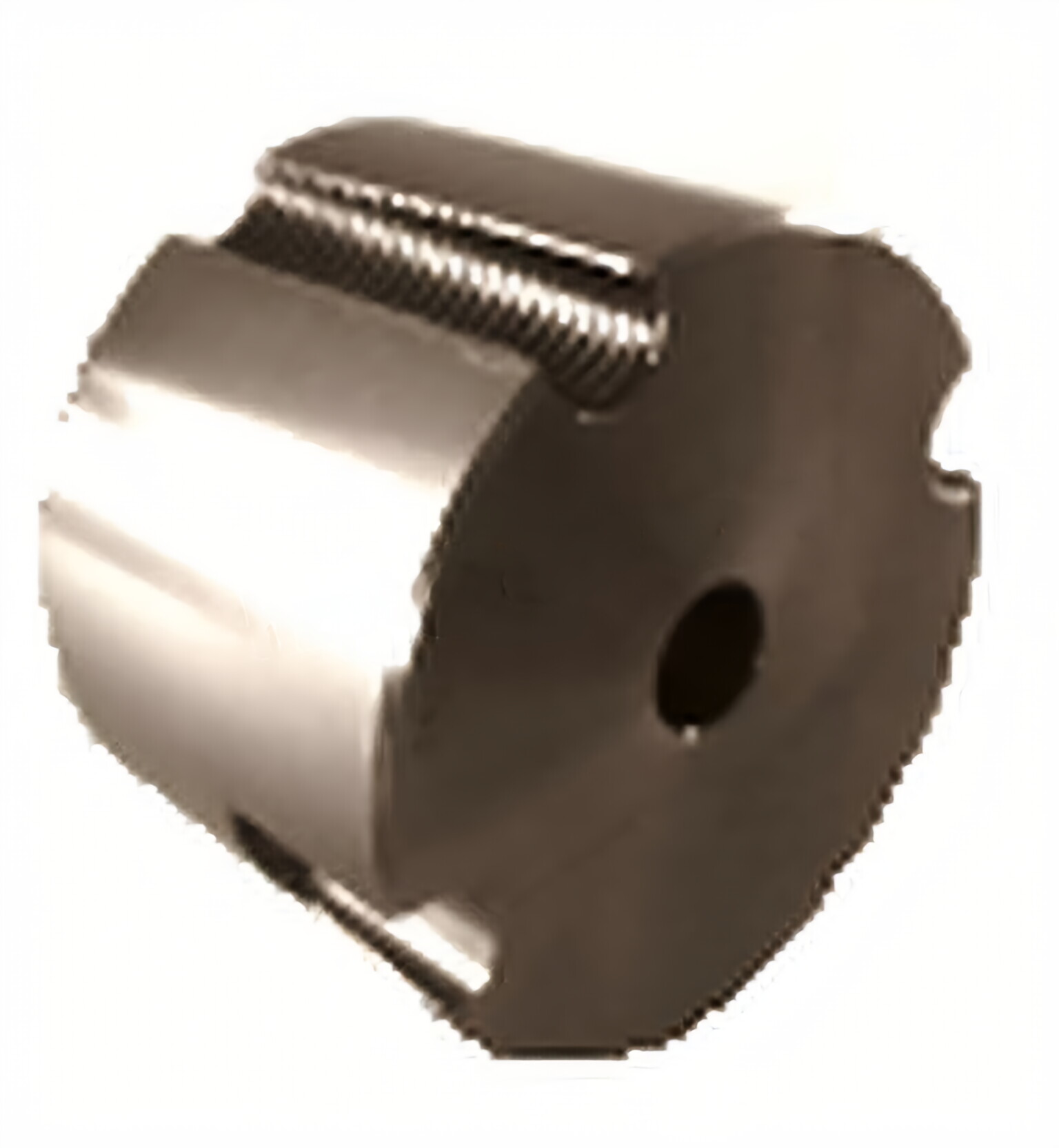
The fundamental principle behind a Taper Lock Bushing is its tapered, split design. It consists of two primary parts: the flanged bushing itself, which has a tapered outer surface and a straight bore, and a set of locking screws. The bushing is inserted into a similarly tapered bore in the hub of a sprocket, sheave, pulley, or coupling. As the screws are tightened, the bushing is drawn into the hub, causing it to compress uniformly onto the shaft. This creates an immense frictional grip and a true clamp-fit connection without requiring any modifications to the shaft, such as keyways (though keyways are often used in conjunction for absolute positive drive and added security).
**Key Advantages of the Taper Lock System:**
* **Shaft Versatility:** A single bushing size accommodates a range of shaft diameters, simplifying inventory.
* **Easy Installation and Removal:** Requires only standard tools and no heavy pressing or heating.
* **Excellent Grip & Concentricity:** Provides a true clamp fit, minimizing vibration and ensuring accurate alignment.
* **Positive Drive:** Typically incorporates a keyway for transmitting torque without slippage.
* **Hub Standardization:** Allows for standardized hub bores across different component manufacturers.
* **Reduced Maintenance Time:** Enables quick component changes on the shaft.
### Raydafon Group Taper Lock Bushing: Detailed Product Parameters
Raydafon Group manufactures Taper Lock Bushings to exacting international standards (compatible with standard Taper Lock series 1008, 1108, 1210, 1215, 1310, 1610, 1615, 2012, 2517, 2525, 3020, 3030, 3525, 3535, 4030, 4040, 4535, 4545, 5040, 5050). Our bushings are crafted from high-grade steel, precision-machined, and often treated for corrosion resistance to ensure durability and long service life.
**Standard Dimension Table for Raydafon Taper Lock Bushings**
The following table outlines the critical dimensions for our standard range. The "Bushing Size" refers to the industry-standard code.
| Bushing Size | Nominal Bore Range (Inches) | A (Flange OD) | B (Length Through Bore) | C (Pilot Diameter) | D (Flange Thickness) | Standard Keyway (Inch) | Number of Locking Screws |
|--------------|-----------------------------|---------------|--------------------------|--------------------|----------------------|------------------------|--------------------------|
| 1008 | 1/2" to 3/4" | 2.44" | 1.69" | 1.88" | 0.31" | 1/8 x 1/16 | 2 |
| 1108 | 1/2" to 3/4" | 2.69" | 1.88" | 2.06" | 0.31" | 3/16 x 1/16 | 2 |
| 1210 | 3/4" to 1-1/4" | 3.00" | 2.19" | 2.38" | 0.38" | 1/4 x 1/8 | 2 |
| 1215 | 3/4" to 1-1/2" | 3.00" | 2.19" | 2.38" | 0.38" | 1/4 x 1/8 | 2 |
| 1610 | 1" to 1-1/2" | 3.88" | 2.69" | 3.25" | 0.44" | 3/8 x 3/16 | 3 |
| 1615 | 1" to 1-1/2" | 3.88" | 2.69" | 3.25" | 0.44" | 3/8 x 3/16 | 3 |
| 2012 | 1-1/8" to 1-3/4" | 4.75" | 3.19" | 4.00" | 0.50" | 1/2 x 1/4 | 3 |
| 2525 | 1-3/8" to 2-1/2" | 5.94" | 4.00" | 5.00" | 0.56" | 5/8 x 5/16 | 4 |
| 3030 | 1-3/4" to 3" | 7.13" | 4.69" | 6.00" | 0.69" | 3/4 x 3/8 | 4 |
| 3535 | 2" to 3-1/2" | 8.31" | 5.31" | 7.00" | 0.75" | 7/8 x 7/16 | 4 |
| 4545 | 2-1/2" to 4-1/2" | 10.69" | 6.56" | 9.00" | 0.94" | 1 1/4 x 5/8 | 6 |
| 5050 | 3" to 5" | 11.88" | 7.25" | 10.00" | 1.00" | 1 1/2 x 3/4 | 6 |
*Note: All dimensions are in inches. Metric series are also available from Raydafon Group. Dimensions are for reference; always consult the official Raydafon engineering catalog for precise specifications before installation.*
**Material and Performance Specifications List**
* **Material:** High-quality carbon steel (Grade 1045 or equivalent), providing an optimal balance of strength and machinability.
* **Surface Treatment:** Standard finish is a protective phosphate coating (zinc or manganese phosphate) to inhibit rust and enhance lubricity during installation. Optional zinc plating or black oxide finishes are available for specific environmental resistances.
* **Hardness:** The bushing is typically hardened to a range of HRC 30-35 to resist wear from the locking screws and maintain structural integrity under clamp load.
* **Locking Screws:** High-tensile grade 8.8 (metric) or Grade 5 (imperial) hex socket cap screws are supplied. Higher-grade screws (10.9 / Grade 8) are available for high-vibration or critical applications.
* **Torque Values:** Each bushing size has specified torque values for its locking screws. Under-torquing can lead to slippage; over-torquing can damage the bushing threads or flange. Raydafon provides clear torque specifications with each product.
* **Concentricity Tolerance:** Manufactured to tight tolerances, typically within 0.001" - 0.003" TIR (Total Indicator Runout) to ensure smooth, vibration-free operation.
* **Load Capacity:** The design is capable of transmitting high torque and handling substantial overhung loads, with values defined by the specific bushing size and associated component.
### Taper Lock Bushing Frequently Asked Questions (FAQ)
**Q: How do I select the correct Taper Lock Bushing size for my application?**
A: Selection is based on two primary factors: the shaft diameter and the bore size of the component (sprocket, pulley, etc.) you are mounting. First, measure your shaft diameter accurately. Then, check the bore of your component—it will be machined to a standard Taper Lock size (e.g., 2012, 2525). Cross-reference these two pieces of information with the manufacturer's tables (like the one Raydafon provides above). The bushing size (e.g., 2525) must match the hub, and its nominal bore range must include your shaft diameter.
**Q: What is the proper procedure for installing a Taper Lock Bushing?**
A: Correct installation is critical. Clean the shaft and the hub bore thoroughly. Slide the bushing into the hub. Insert the assembly onto the shaft, aligning any key with the keyway. Hand-tighten all locking screws to seat the bushing. Then, using a calibrated torque wrench in a crisscross or star pattern, tighten the screws to the manufacturer's specified torque value in incremental steps (e.g., 50%, 75%, 100% of final torque). This ensures even drawing and clamping.
**Q: Can I reuse a Taper Lock Bushing?**
A: Yes, Taper Lock Bushings are generally designed for reuse, provided they have not been damaged. During removal, it is vital to back out the locking screws evenly and use the provided jacking screws (if equipped) or a puller to dislodge the bushing from the hub. Inspect the bushing for cracks, deformed threads, or excessive wear on the tapered surface or keyway before reinstalling.
**Q: My shaft is slightly undersized for the bushing's bore range. Can I still use it?**
A: It is strongly discouraged. The bushing is designed to clamp securely within its specified bore range. An undersized shaft will not allow the bushing to close properly, resulting in insufficient grip, potential slippage, rapid wear, and possible damage to both the shaft and bushing. Always select a bushing where your shaft diameter falls squarely within its listed range.
**Q: Do I need to use a key with a Taper Lock Bushing?**
A: While the primary holding power comes from the frictional clamp force, using the correct key is considered essential for most applications. The key provides a positive drive to transmit torque, acts as a safety backup against slippage if clamping force is compromised, and helps with initial alignment and anti-rotation during installation. Raydafon recommends always using the appropriate key sized for the bushing's keyway.
**Q: How do I prevent my Taper Lock Bushing from corroding or seizing on the shaft?**
A: Proper surface preparation and lubrication are key. Before installation, apply a thin, even coat of anti-seize compound or a light machine oil to the shaft, the bushing's bore, and its tapered outer surface. This prevents galling and corrosion welding, making future removal much easier. Avoid using grease, which can trap debris. For harsh environments, specify Raydafon bushings with enhanced corrosion-resistant coatings.
**Q: What maintenance does a Taper Lock Bushing require?**
A: The main maintenance is periodic re-torquing of the locking screws, especially after the first few hours of operation during the initial "run-in" period, as settling may occur. Establish a routine check schedule as part of your preventive maintenance program. Visually inspect for signs of fretting, rust, or loose components.
**Q: Why should I choose Raydafon Group for my Taper Lock Bushing needs?**
A: Raydafon Group distinguishes itself through rigorous quality control, material traceability, and precision manufacturing. Our bushings are not just generic components; they are engineered for reliability. We offer full technical support, comprehensive sizing data, and a commitment to providing solutions that reduce downtime and maintenance costs for our clients globally. Our product range ensures compatibility while our quality ensures performance.


 Raydafon