
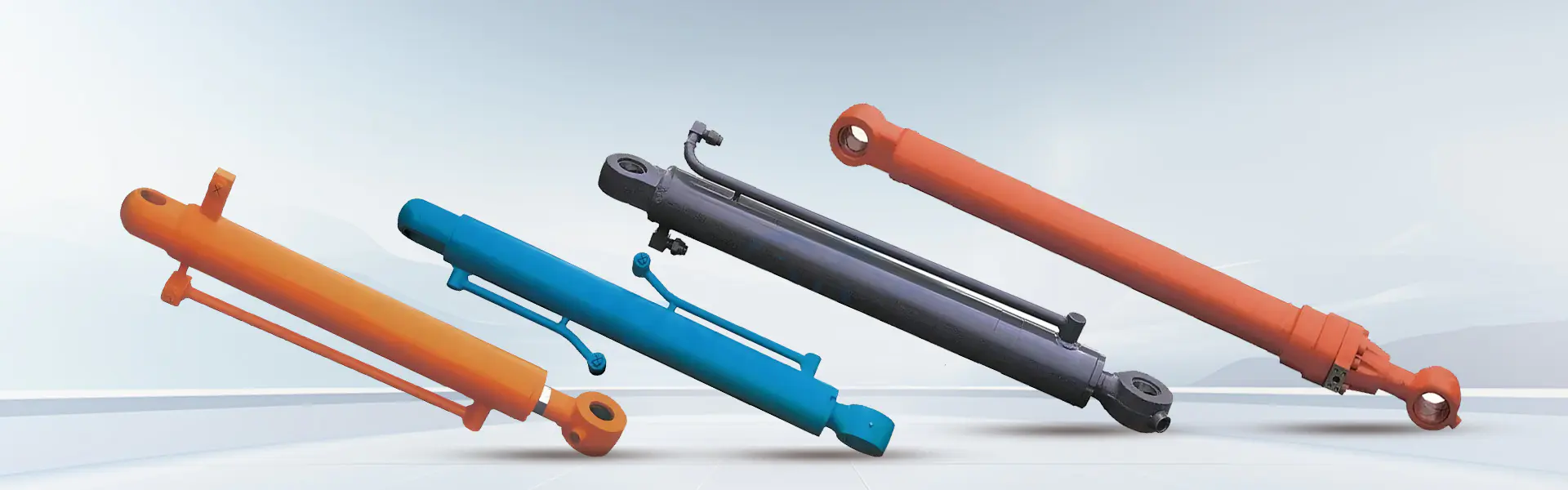
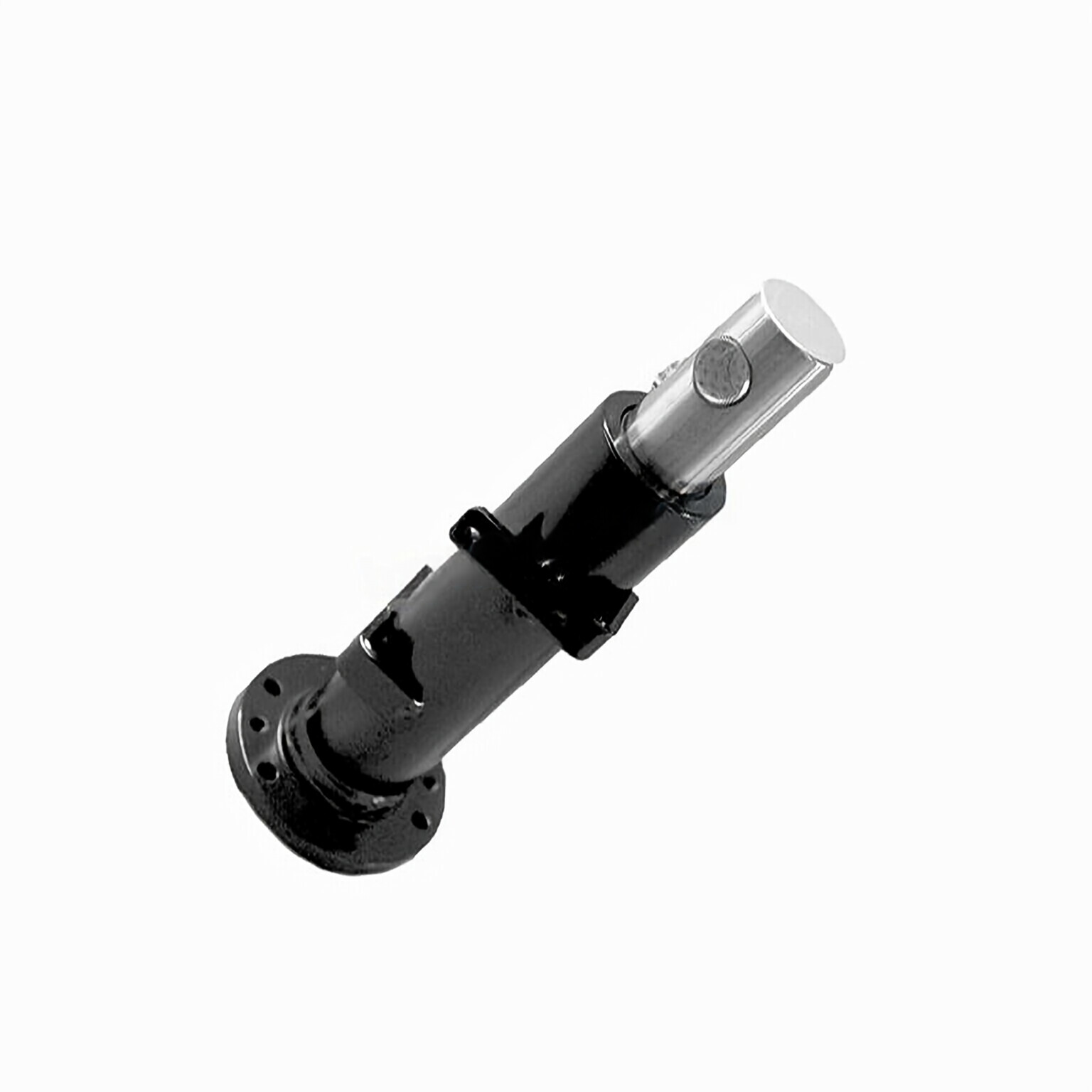
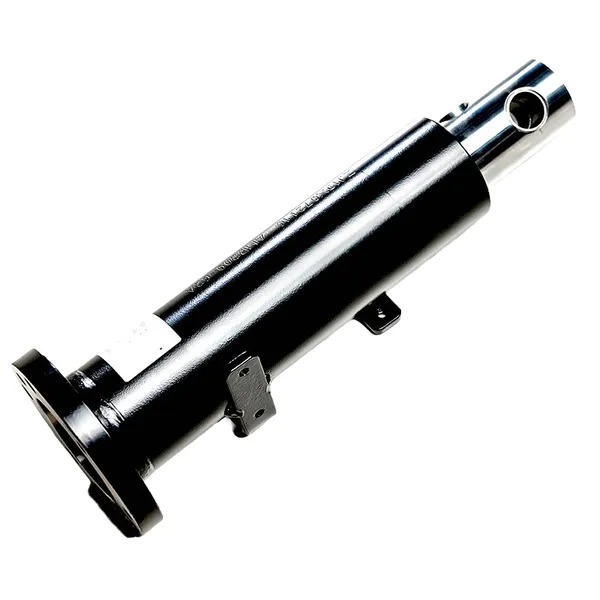
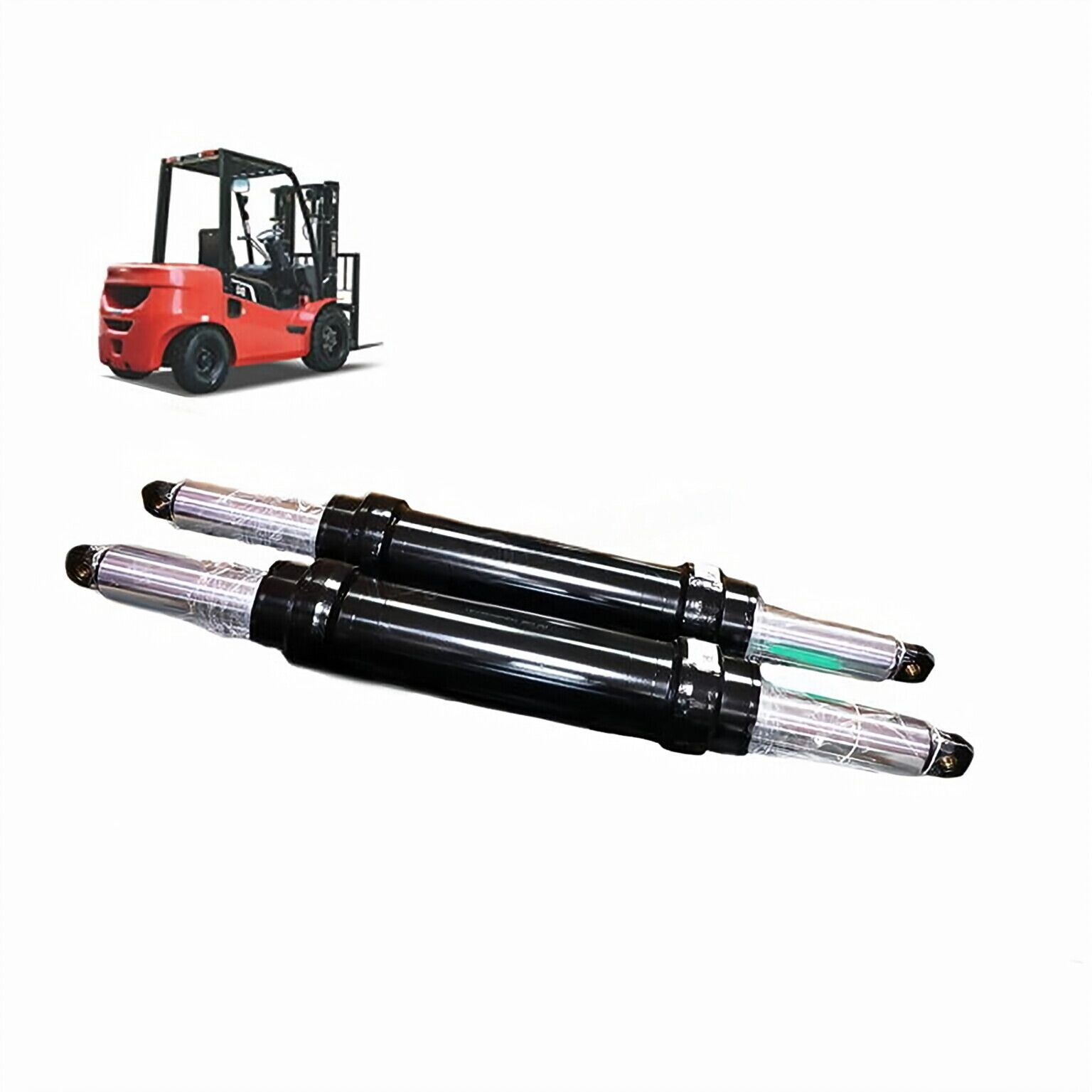
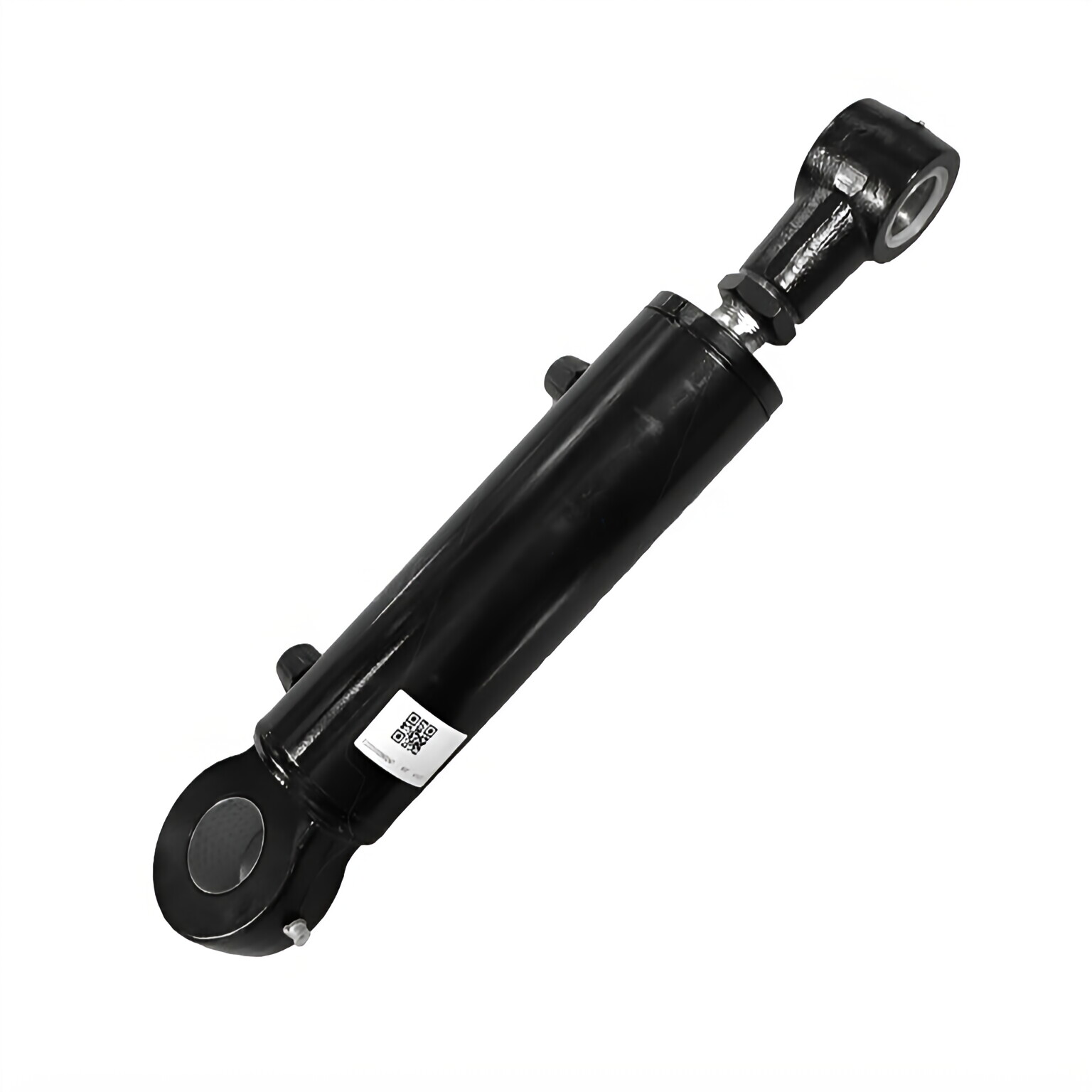
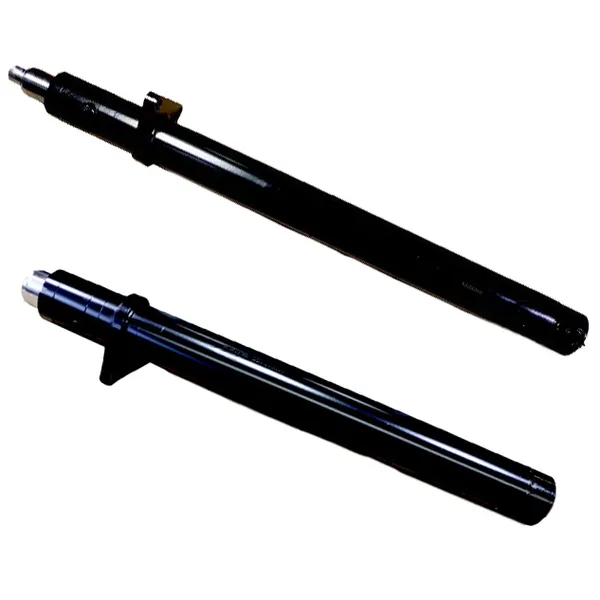
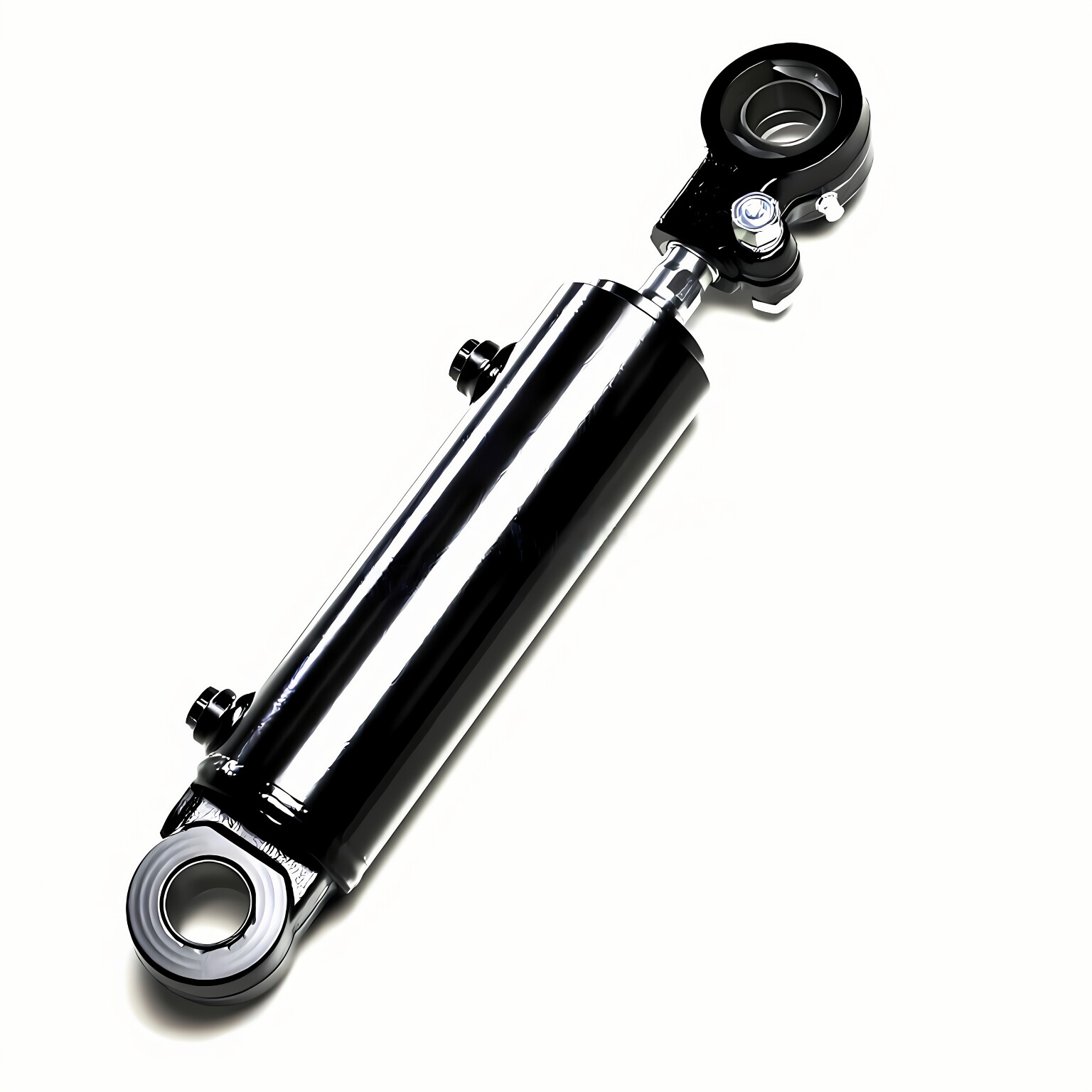
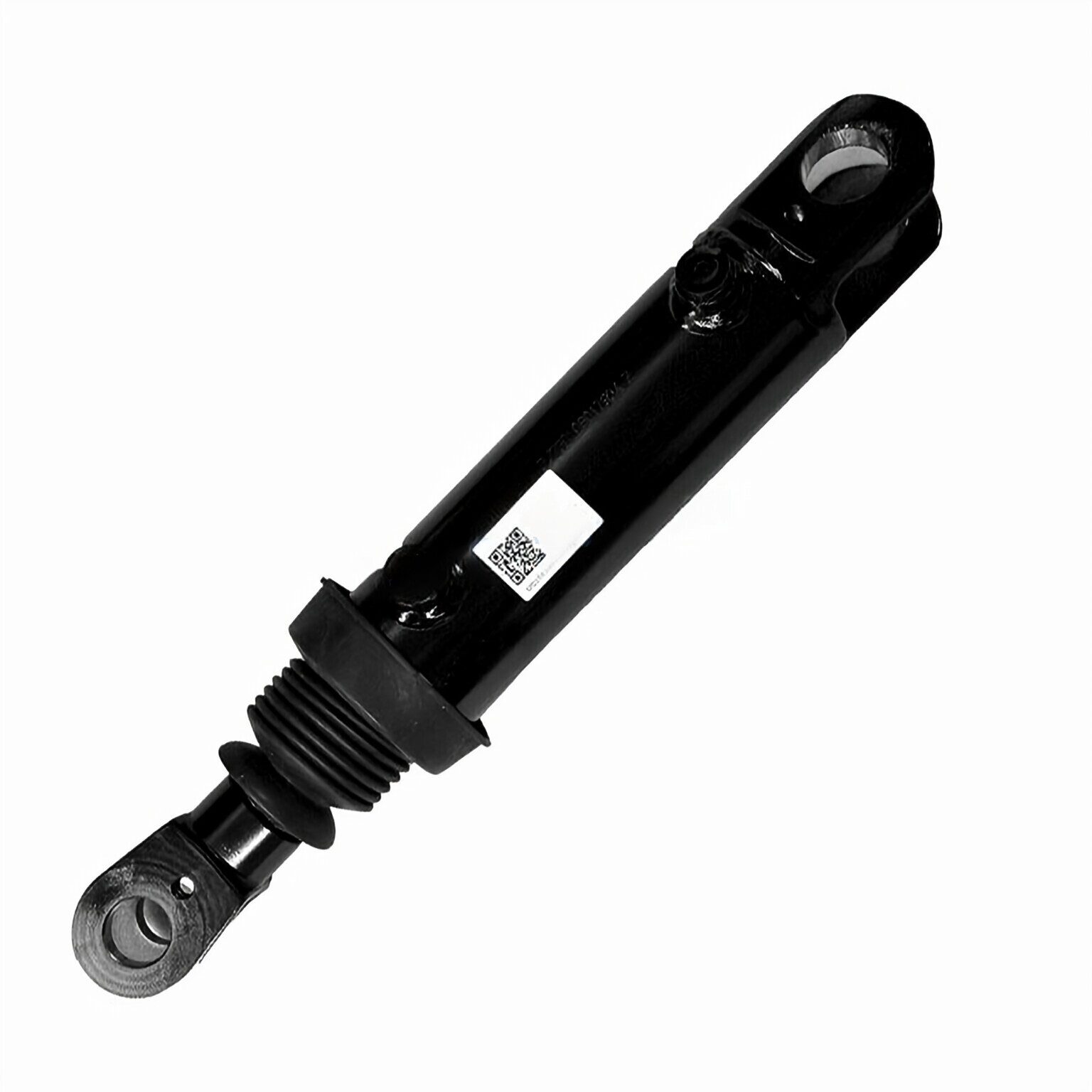
At the core of countless industrial systems, from massive metal presses to sophisticated robotic arms, lies a fundamental component: the Industrial Engineering Hydraulic Cylinder. These are not simple actuators; they are precisely engineered devices that convert fluid power into controlled, forceful linear motion. For industries demanding reliability, power, and precision under extreme conditions, selecting the right hydraulic cylinder is critical to operational efficiency, safety, and profitability. As a leader in fluid power solutions, Raydafon Group designs and manufactures a comprehensive range of high-performance cylinders built to withstand the rigors of the most demanding applications worldwide.
Raydofon Group cylinders are synonymous with durability and performance. Utilizing superior-grade materials, advanced sealing technologies, and rigorous quality control, each cylinder is engineered for long service life and minimal maintenance. Our product portfolio is designed to meet diverse requirements, offering both standard and fully custom solutions.
Understanding the key parameters is essential for selecting the optimal cylinder for your application. Below are the critical specifications that define Raydafon Group's industrial cylinder line.
| Component | Standard Material | Optional/Upgrade Materials | Treatment/Finishing |
|---|---|---|---|
| Cylinder Tube (Barrel) | Cold drawn, honed steel tubing | Stainless steel, chrome-plated brass, aluminum | Internal honing to precise surface finish (Ra 4-16 µin), hard chrome plating available |
| Piston Rod | High-tensile carbon steel | Stainless steel (304/316), chrome-plated steel | Hard chrome plating (minimum 0.001" thickness), polished finish for superior seal life |
| Piston | Precision machined carbon steel | Ductile iron, aluminum, stainless steel | Wear bands/glands installed; various seal groove configurations |
| End Caps (Heads & Glands) | High-grade steel castings or forgings | Ductile iron, aluminum | Machined to NFPA/ISO dimensional tolerances, threaded or bolted construction |
| Rod Eyes & Clevis | Forged steel | Heat-treated alloy steel | Precision bored and bushed with bronze or composite bearings |
Raydafon Group specializes in cylinders for challenging environments. Our engineering team can tailor designs to meet specific operational demands.
Q: What factors are most critical when selecting an Industrial Engineering Hydraulic Cylinder?
A: The five most critical factors are: 1) Force Requirement (calculated from bore size and system pressure), 2) Stroke Length (determining the cylinder's extended length), 3) Mounting Style (which affects load alignment and force absorption), 4) Operating Environment (temperature, presence of contaminants, corrosive elements), and 5) Duty Cycle (how frequently and intensively the cylinder will operate). An incorrect match in any of these areas can lead to premature failure. Raydafon Group’s application engineers can assist in this selection process.
Q: How do I calculate the force my hydraulic cylinder can generate?
A: The theoretical force output is calculated using the formula: Force (lbs) = Pressure (PSI) x Area (in²). The area is based on the piston's bore diameter for extension force. For retraction force, use the annular area (piston area minus rod area). For example, a 4" bore cylinder at 2,500 PSI generates: Area = π * (2")² = 12.57 in²; Force = 2500 * 12.57 = 31,425 lbs of extending force. Always consider system efficiency (typically 85-95%) for real-world expectations.
Q: What are the signs that my hydraulic cylinder needs servicing or repair?
A: Common indicators include: Visible fluid leakage past the rod seal or gland, indicating worn seals. Erratic or jerky movement, which can signal internal bypass due to worn piston seals or a bent rod. Inability to hold load (drift), often caused by worn piston seals or a faulty holding valve. Visible scoring or pitting on the piston rod, which will quickly damage rod seals. Excessive play or misalignment at mounting points. Proactive maintenance based on operating hours is recommended to avoid unscheduled downtime.
Q: Can Raydafon Group provide cylinders for corrosive environments like marine or chemical plants?
A: Absolutely. We offer extensive corrosion-resistant solutions. These can include stainless steel (304 or 316) piston rods and tubes, special nickel or composite coatings on barrels, and seal materials compatible with saltwater or aggressive chemicals. It is crucial to specify the exact chemical agents, concentrations, and temperatures involved so our engineers can recommend the appropriate material and plating specifications.
Q: What is the difference between a "tie-rod" and a "welded" cylinder construction, and which is better?
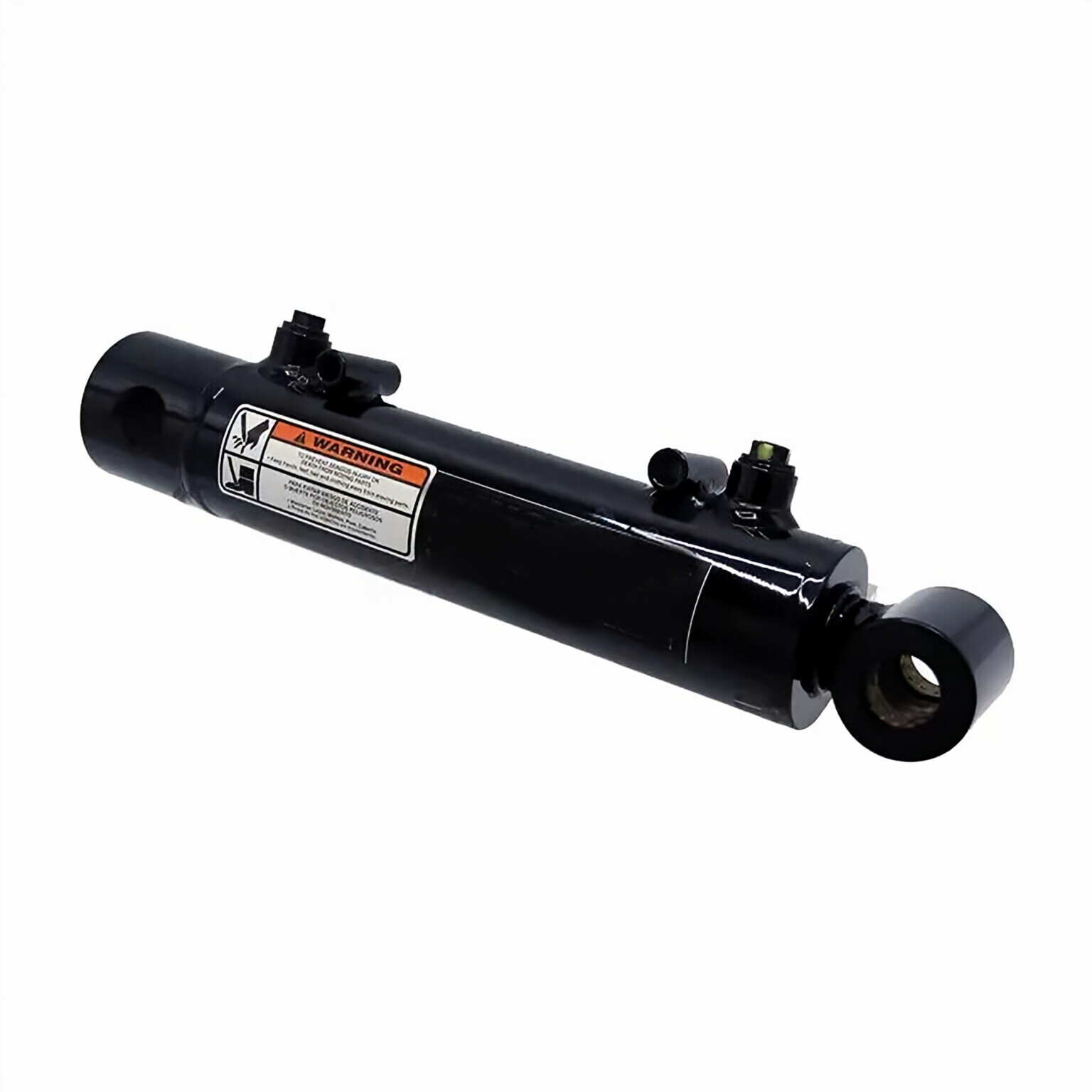
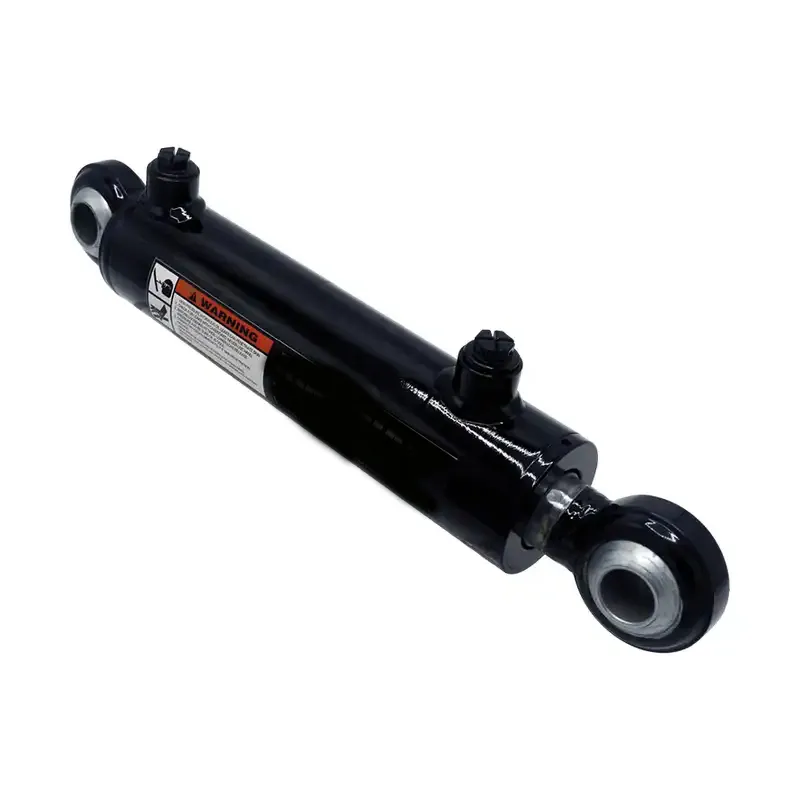
A: Both have distinct advantages. Tie-Rod Cylinders use high-strength threaded rods to hold the end caps to the barrel. They are typically more cost-effective for standard sizes, easier to disassemble for maintenance/repair, and widely available. Welded Cylinders have the end caps directly welded to the barrel, resulting in a more compact, rigid body with a better strength-to-weight ratio. They are ideal for high-pressure applications, mobile equipment with space constraints, and harsh environments where the tie rods could be vulnerable. The "better" choice depends entirely on the application's priority: serviceability and cost (tie-rod) vs. compactness and durability (welded). Raydafon Group manufactures both types.
Q: How important is the piston rod surface finish, and what is "hard chrome plating"?
A: The rod surface finish is critical for reliable seal performance and longevity. A polished, smooth finish (typically between 4-16 micro-inches Ra) minimizes friction and wear on the rod seal. Hard Chrome Plating is an electrolytic process that deposits a layer of chromium onto the steel rod. This layer provides exceptional hardness (around 70 HRC), superior corrosion resistance, and a very low-friction surface. It protects the rod from scratches, rust, and abrasive particles. Raydafon Group applies a controlled, high-adhesion chrome plating as standard on carbon steel rods to ensure maximum service life.
Q: Do you offer custom engineering for unique or prototype applications?
A: Yes, custom engineering is a cornerstone of Raydafon Group's service. Our design team works directly with clients to develop solutions for non-standard strokes, extreme pressures, unique mounting configurations, specialized materials, or integration with other system components. We can work from your drawings or collaborate to create a design from your performance requirements. Prototype development and testing services are also available to validate performance before full-scale production.


 Raydafon