
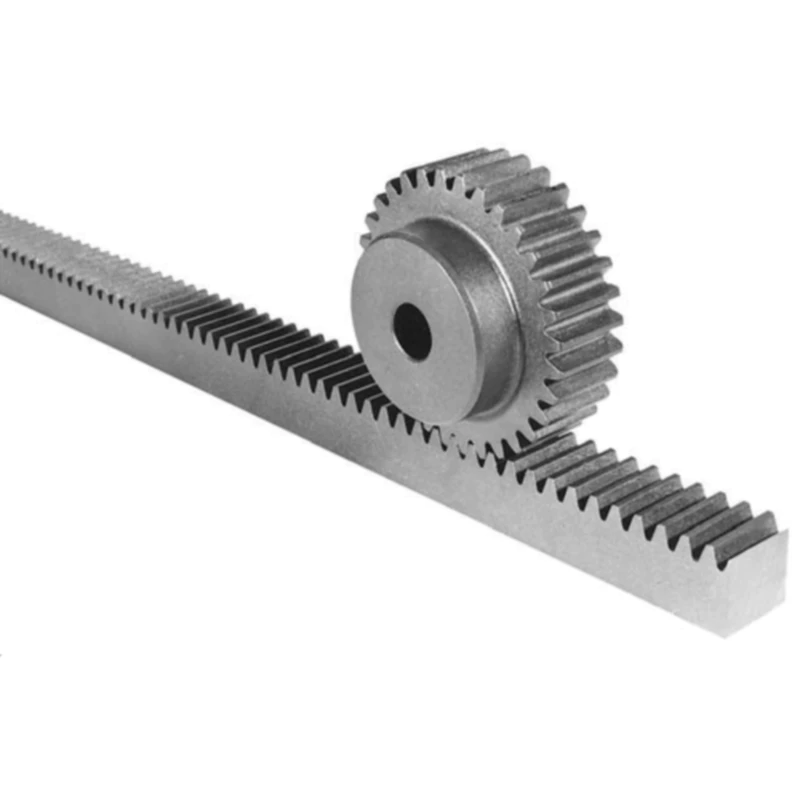
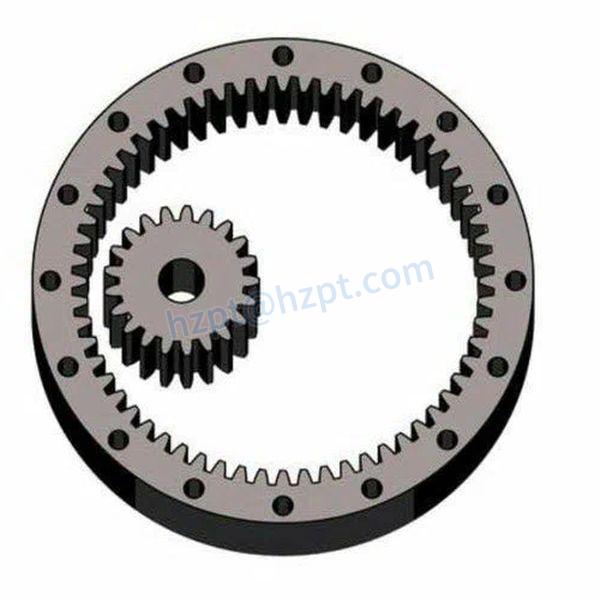
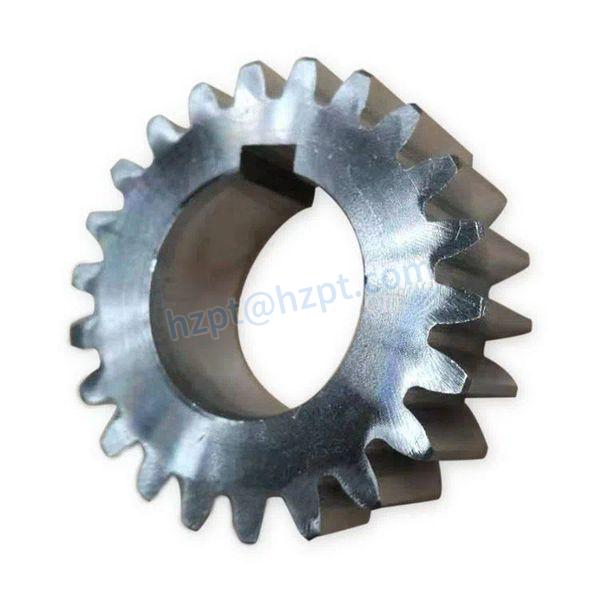
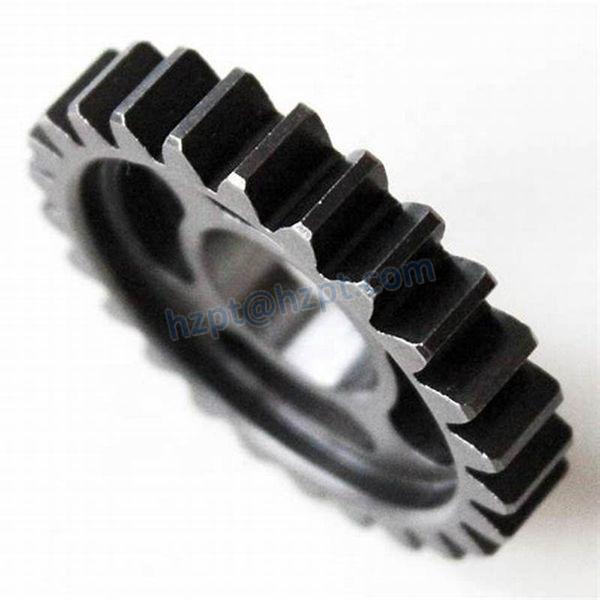
In the realm of mechanical power transmission, few components are as fundamental, reliable, and widely utilized as the spur gear. Characterized by their straight teeth cut parallel to the axis of rotation, spur gears serve as the cornerstone for countless industrial, automotive, and consumer applications. At Raydafon Group, we have dedicated decades to mastering the engineering and manufacturing of these critical components, ensuring optimal performance, durability, and efficiency for our global clientele. This guide delves into the specifics of spur gears, presents our product parameters with precision, and answers common industry questions.
Raydafon Group stands as a leader in the manufacturing of high-precision mechanical components. Our expertise in spur gear production is backed by state-of-the-art CNC machinery, rigorous quality control protocols, and a team of seasoned engineers. We understand that the integrity of a gear system hinges on the quality of its individual parts. Therefore, every spur gear from Raydafon Group is crafted from superior materials, undergoes meticulous inspection, and is designed to meet or exceed international standards, ensuring seamless integration and long-term reliability in your applications.
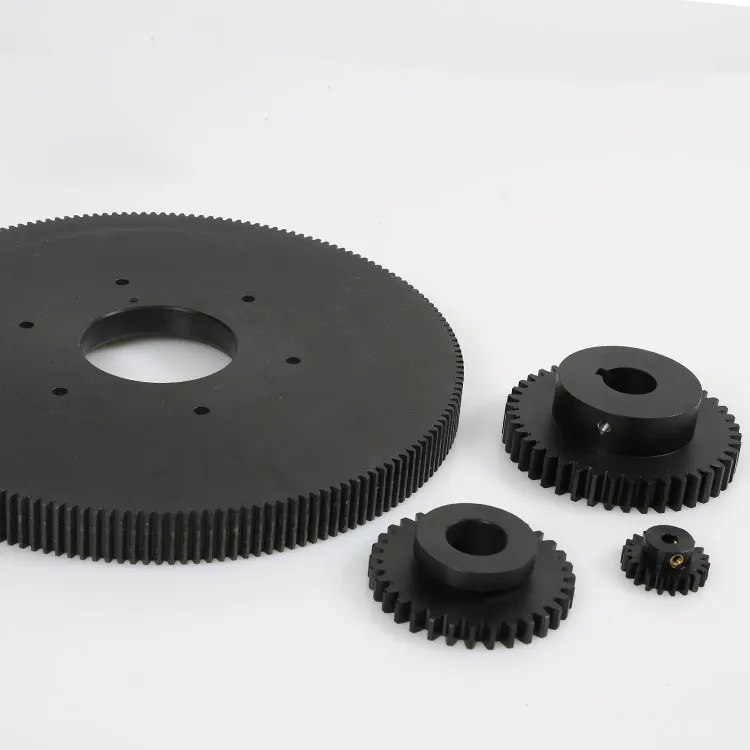
Our spur gears are available in a vast array of configurations to suit diverse operational requirements. Below is a detailed breakdown of our standard and custom offerings.
| Parameter | Range / Standard Options | Description |
|---|---|---|
| Module (Metric) | 0.5 to 10 mm | Defines the tooth size. A key dimension for metric gear design. |
| Diametral Pitch (Imperial) | 20 to 3 DP | Defines tooth size for imperial gears (teeth per inch of pitch diameter). |
| Pressure Angle | 14.5°, 20°, 25° | 20° is the modern standard, offering stronger teeth and reduced undercutting. |
| Number of Teeth | 12 to 150+ | Custom tooth counts are available to achieve specific gear ratios. |
| Face Width | 5 mm to 150 mm | The axial length of the gear tooth. Affects load capacity. |
| Bore Diameter | 3 mm to 100 mm (Standard) | Precision reamed or ground bore. Keyways, set screws, or custom mounting solutions available. |
| Quality Grade (AGMA/ISO) | Q6 to Q12 (AGMA), 6 to 10 (ISO) | Defines manufacturing tolerances. Higher grades offer quieter operation and higher efficiency. |
| Heat Treatment | Case Hardening, Through Hardening, Nitriding | Applied to steel gears to increase surface durability and fatigue strength. |
| Surface Finish | Black Oxide, Zinc Plating, Nickel Plating, Powder Coating | Provides corrosion protection and aesthetic appeal. |
The simplicity and effectiveness of spur gears make them suitable for a wide range of industries:
Q: What are the primary advantages of using spur gears?
A: Spur gears offer several key advantages: High efficiency in power transmission (often 98-99%), simplicity in design and manufacturing leading to cost-effectiveness, ease of assembly and maintenance, and the ability to provide constant velocity ratio. Their straightforward geometry makes them predictable and reliable for parallel shaft applications.
Q: What are the main limitations or disadvantages of spur gears?
A: The primary limitation is noise, especially at high speeds, due to the single line of contact between teeth which can cause vibration. They are also only suitable for connecting parallel shafts. Axial thrust loads are not generated, which can be both an advantage and a disadvantage depending on the bearing system design. They can be prone to stress concentration at the root of the tooth.
Q: How do I select the correct material for my spur gear application?
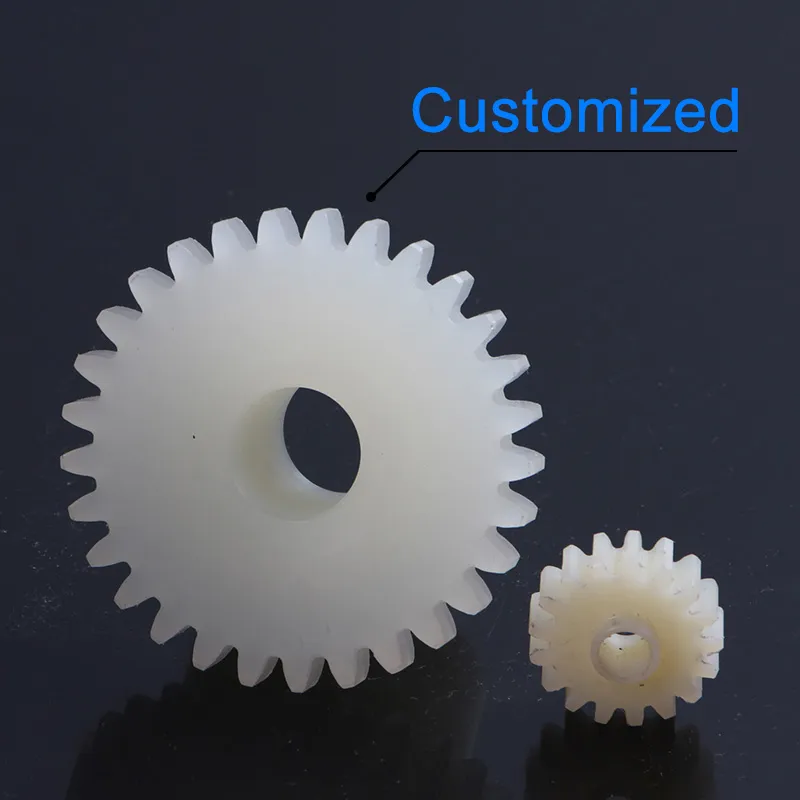
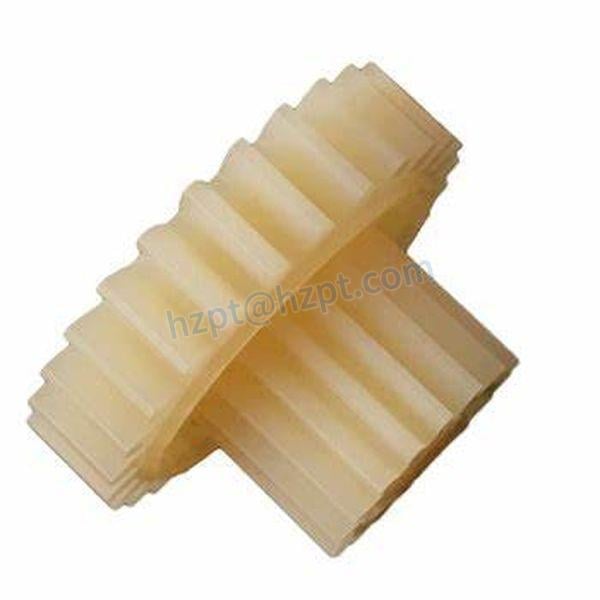
A: Material selection depends on load, speed, operating environment, and required lifespan. For high-load, high-wear applications, hardened steel alloys are standard. For corrosive environments (food processing, marine), stainless steel or plastics are preferred. For low-noise, low-load scenarios (consumer electronics), engineered plastics like acetal or nylon are excellent choices. Raydafon Group's engineering team can provide material consultation based on your specific operating conditions.
Q: What is the difference between module and diametral pitch?
A: Module (metric) and Diametral Pitch (imperial) are two different but analogous ways to specify tooth size. Module is defined as the pitch diameter in millimeters divided by the number of teeth (Module = D/N mm). Diametral Pitch is the number of teeth per inch of pitch diameter (DP = N/D inches). They are inversely related: Module (mm) ≈ 25.4 / DP.
Q: Why is the pressure angle important, and which one should I choose?
A: The pressure angle affects the tooth shape and strength. A 14.5° pressure angle was common historically but has largely been replaced. The 20° pressure angle is the modern standard as it provides stronger teeth at the root (reducing bending stress), allows for pinions with fewer teeth without undercutting, and offers better load-carrying capacity. A 25° pressure angle offers even greater strength but results in slightly reduced efficiency and higher bearing loads.
Q: What does "AGMA Quality" mean, and how does it impact performance?
A: AGMA (American Gear Manufacturers Association) Quality numbers define the tolerances for tooth profile, pitch, and runout. A higher quality number (e.g., Q10) indicates tighter tolerances and higher precision. High-quality gears run more quietly, with less vibration, higher efficiency, and longer life. They are essential for high-speed applications. Standard industrial applications often use Q8-Q9, while precision robotics or aerospace may require Q10 or above.
Q: Can Raydafon Group manufacture custom spur gears that are not in your standard parameter table?
A: Absolutely. While our standard table covers common requirements, our core strength lies in custom manufacturing. We can produce gears with non-standard modules/DP, extreme face widths, unique bore configurations, specialized materials, and any required heat treatment or finish. We work from customer drawings or can assist in the design phase to develop an optimal gear solution for your unique application.
Q: How do I ensure proper lubrication for my spur gears to maximize lifespan?
A: Proper lubrication is critical to reduce friction, wear, and heat generation. For enclosed gearboxes, an oil bath or splash lubrication is common. For open gearing, a high-viscosity grease or adhesive oil is applied regularly. Factors to consider include operating speed, temperature, and load. Selecting a lubricant with appropriate extreme pressure (EP) additives is crucial for high-load applications. Raydafon Group can provide recommendations based on the gear material and operating environment.


 Raydafon