

Precision Engineered Industrial Components for Demanding Applications
At Raydafon Group, we understand that the reliability and efficiency of your entire operation hinge on the performance of its smallest parts. For decades, we have been at the forefront of designing, manufacturing, and supplying high-performance industrial components that meet the rigorous demands of modern industry. Our commitment extends beyond mere supply; we provide engineered solutions that enhance productivity, ensure safety, and reduce total cost of ownership. From heavy machinery and automation systems to processing plants and energy infrastructure, Raydafon Group components are the trusted choice for engineers and procurement specialists worldwide.
Core Product Categories & Technical Specifications
Our comprehensive portfolio is built on a foundation of precision engineering and stringent quality control. Below is an overview of our key product families and their defining parameters.
1. High-Precision Linear Motion Systems
Designed for automation, CNC machinery, and precision measurement equipment, our linear systems ensure smooth, accurate, and reliable movement.
- Linear Guide Rails & Blocks: Manufactured from high-carbon chromium bearing steel, hardened to HRC 58-62. Available in multiple accuracy classes (Normal, High, Precision, Ultra-Precision).
- Ball Screws: Ground thread ballscrews with leads from 1mm to 50mm. Precise lead accuracy grades: C3, C5, C7. Anti-backlash nuts available.
- Linear Actuators: Electric actuators with thrust capacities from 500N to 50,000N. Stroke lengths customizable up to 3000mm. IP65 protection standard.
2. Power Transmission Components
The backbone of any drive system, our components are engineered for maximum efficiency and durability under load.
| Component Type | Key Materials | Load/Bearing Capacity | Standard Sizes | Special Features |
|---|---|---|---|---|
| Deep Groove Ball Bearings | Chrome Steel (SAE 52100), Ceramic Hybrid | Dynamic: 5.8 kN - 125 kN Static: 2.6 kN - 65 kN |
Bore: 10mm - 150mm | Shielded/Sealed, High-Temp, Corrosion-Resistant |
| Tapered Roller Bearings | Case-Hardened Steel, Through-Hardened Steel | Dynamic: 22 kN - 450 kN Static: 22 kN - 530 kN |
Bore: 15mm - 320mm | Single/Double Row, Matched Sets for Mounting |
| Precision Gears (Spur & Helical) | 4140 Alloy Steel, Carburized & Hardened | Torque Range: 100 Nm - 15,000 Nm | Module: 1 - 10 Pressure Angle: 20° |
AGMA Quality 10-12, Custom Tooth Profiling |
| V-Belts & Timing Belts | Neoprene/Chloroprene, Polyurethane, Fiberglass Cords | HP per Belt: Up to 600 HP | Classical Sections: A, B, C, D Pitch: 3mm, 5mm, 8mm, 14mm |
Oil & Heat Resistant, Static Conducting |
3. Fluid Power & Hydraulic Components
Built to withstand high pressures and harsh environments, ensuring consistent power delivery and control.
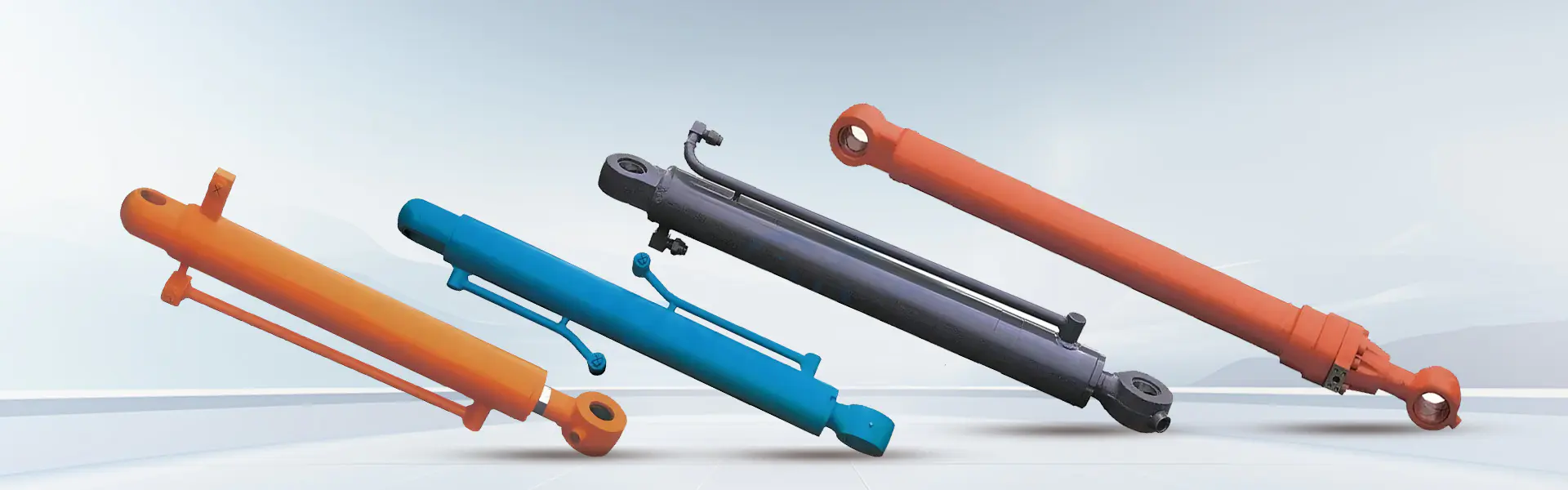
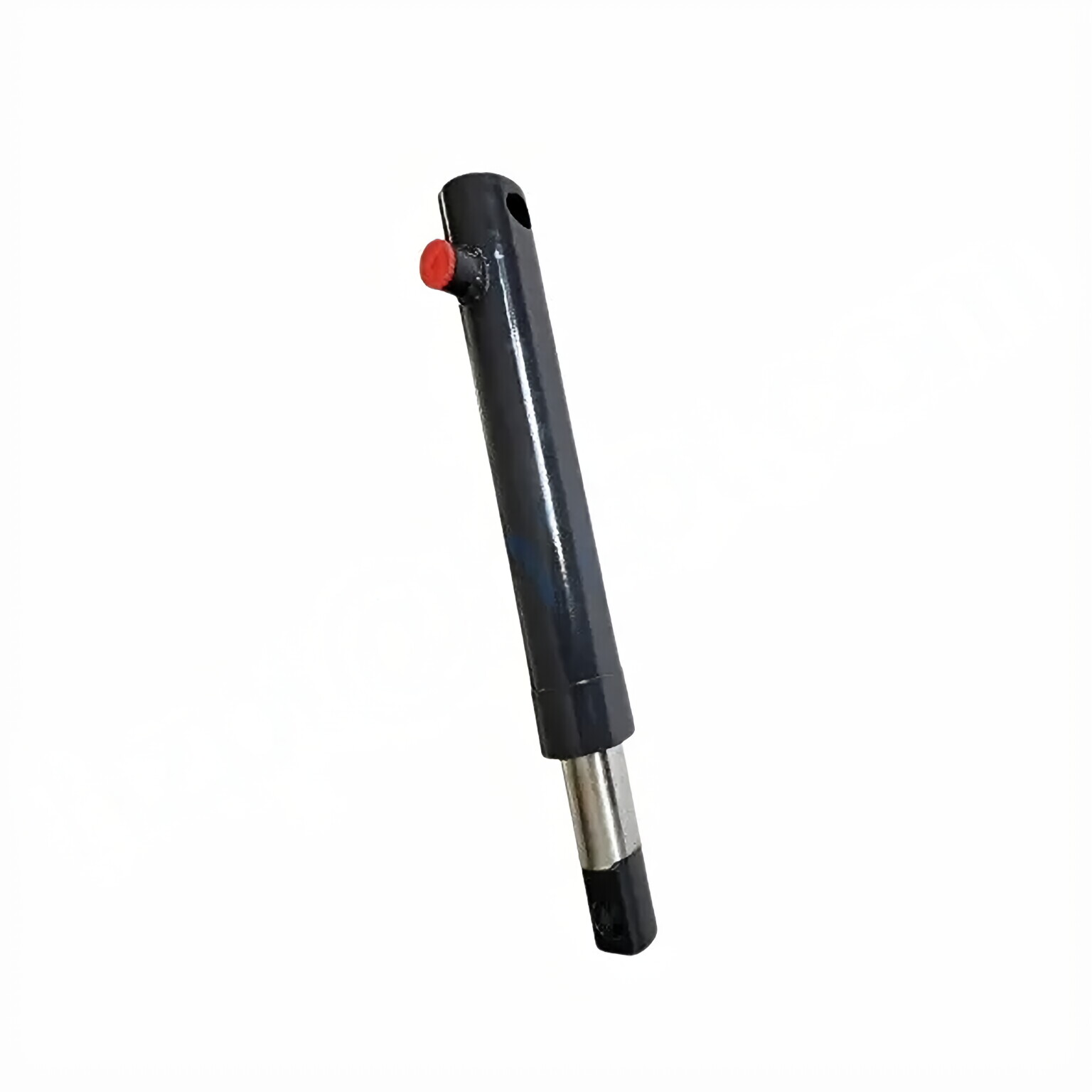
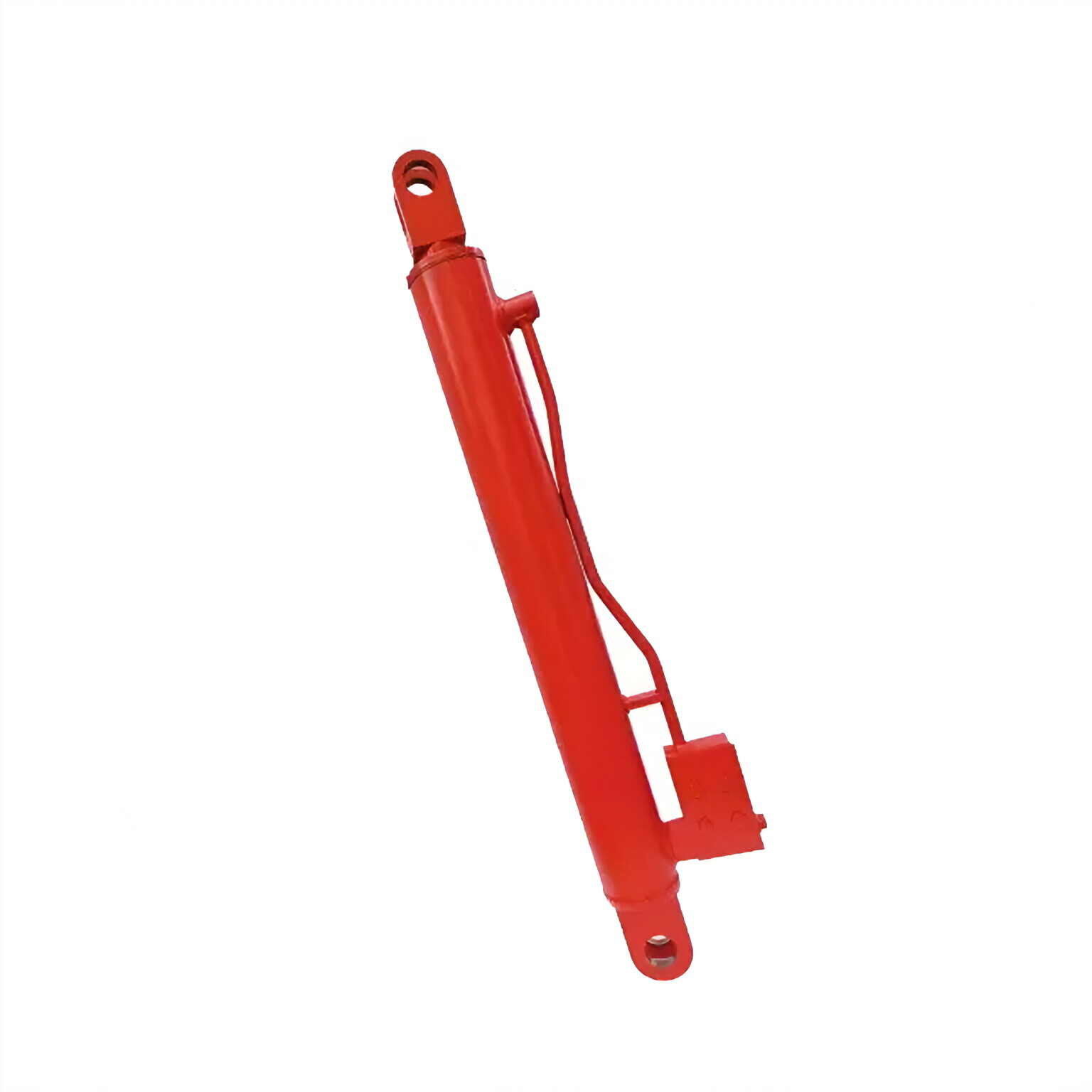
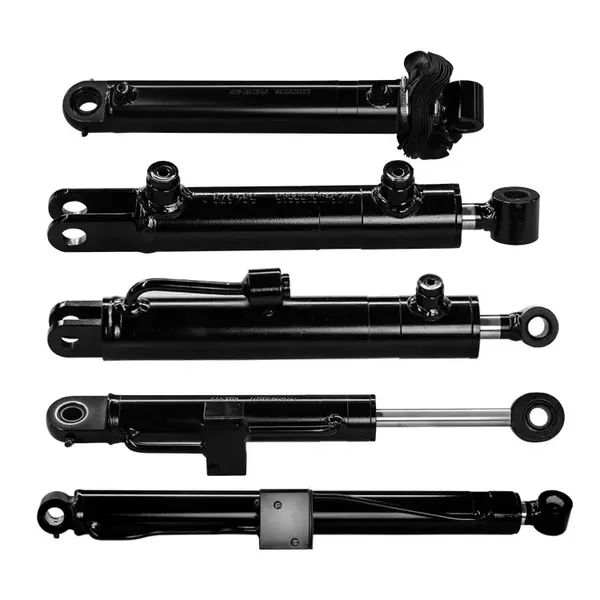
- Hydraulic Cylinders: Bore sizes: 32mm to 500mm. Rod diameters: 16mm to 360mm. Pressure rating up to 350 Bar. Mounting styles: Flange, Foot, Trunnion, Clevis.
- Directional Control Valves: Solenoid operated, pressure rating to 315 Bar. Port sizes: 1/4" NPT to 1-1/2" NPT. Spool types: 2/2, 3/2, 4/2, 4/3.
- Pneumatic FRL Units (Filter, Regulator, Lubricator): Port sizes: 1/8" to 1". Filtration: 5 micron to 40 micron. Automatic drain options.
4. Sealing & Gasketing Solutions
Critical for preventing leaks and contamination, our seals are designed for specific media and temperature ranges.
| Seal Type | Primary Material | Temperature Range | Pressure Range | Common Applications |
|---|---|---|---|---|
| O-Rings | Nitrile (NBR), Viton® (FKM), EPDM, Silicone (VMQ) | -40°C to +225°C (dependent on material) | Up to 1500 PSI (Static) | Hydraulic fittings, Pumps, Static face seals |
| Mechanical Seals | Carbon, Ceramic (Alumina), Silicon Carbide, Tungsten Carbide | -100°C to +400°C | Up to 100 Bar | Centrifugal Pumps, Mixers, Compressors |
| Hydraulic Rod & Piston Seals | Polyurethane (AU), PTFE Compounds, NBR | -30°C to +110°C (PU) | Up to 600 Bar | Hydraulic Cylinders, Presses |
Raydafon Group Manufacturing & Quality Standards
Every component bearing the Raydafon Group name is a product of a vertically integrated manufacturing process. We control every stage, from raw material sourcing and forging to precision machining, heat treatment, and final assembly. Our facilities are certified to international quality standards, ensuring traceability and consistency.
- ISO 9001:2015 Certified: A robust Quality Management System governs all processes.
- Material Traceability: Full documentation from mill test certificates to final part.
- Advanced Metrology: CMM (Coordinate Measuring Machines), laser scanners, and surface finish analyzers for dimensional verification.
- Performance Testing: In-house test rigs for life cycle, load, fatigue, and leak tests.
Frequently Asked Questions (FAQ) About Industrial Components
Q: How do I select the right bearing for my application?
A: Selecting the correct bearing involves analyzing several factors: the type and magnitude of load (radial, axial, or combined), required rotational speed, operating temperature, environmental conditions (presence of moisture, dust, chemicals), and desired service life. For heavy radial loads, consider cylindrical roller bearings. For combined loads, angular contact ball bearings or tapered roller bearings are suitable. Always consult Raydafon Group's engineering catalogs which provide detailed load ratings and life calculation formulas, or contact our technical support team for a personalized recommendation.
Q: What is the difference between a mechanical seal and a gland packing?
A: Gland packing is a traditional sealing method using braided rings of material compressed around a rotating shaft to prevent leakage. It requires adjustment and allows a small amount of leakage for lubrication and cooling. Mechanical seals are precision devices with two flat faces (one rotating, one stationary) held in contact by springs. They offer near-zero leakage, require less maintenance, reduce shaft wear, and are more efficient. Raydafon Group recommends mechanical seals for applications where product loss, environmental safety, or efficiency are critical.
Q: How often should I replace preventive maintenance components like filters and seals?
A: There is no universal interval; it depends entirely on operating hours, environmental contamination levels, and system pressure. A hydraulic return line filter might need element changes every 500-1000 operating hours, while a suction filter may last longer. Seals should be replaced at the first sign of leakage or during major overhauls. Raydafon Group advises implementing condition-based monitoring where possible—using pressure gauges across filters to indicate clogging or periodic fluid analysis. Our maintenance guides provide general intervals, but a customized schedule based on your specific operating data is ideal.
Q: Can Raydafon Group provide custom-engineered components?
A: Absolutely. A significant part of our business is developing custom solutions for OEMs (Original Equipment Manufacturers) with unique requirements. We routinely engineer components with non-standard dimensions, special material grades, unique heat treatments, or proprietary coatings. The process begins with a detailed consultation on your application's load case, environment, and performance goals. Our engineering team then uses CAD and FEA (Finite Element Analysis) to design and validate the component before prototyping and production.
Q: What are the benefits of using ground gears over cut gears?
A: Ground gears undergo a finishing process after hardening, where the tooth flanks are precision ground. This results in superior dimensional accuracy, improved surface finish (reducing noise and wear), and higher load-carrying capacity compared to cut (or hobbed) gears. They offer tighter tolerances on tooth profile, lead, and pitch. While more expensive, ground gears from Raydafon Group are essential for high-speed applications, precision positioning systems, and scenarios demanding quiet operation and long life, such as in robotics, aerospace, and high-performance automotive systems.
Q: How do I ensure compatibility when sourcing replacement hydraulic components?
A: Compatibility is critical for safety and performance. Key parameters to match include: Pressure Rating: The component must meet or exceed the system's maximum operating pressure. Flow Rate: Port sizes and internal passages must handle the required flow without excessive pressure drop. Thread Standards: Confirm port thread type (e.g., NPT, BSPP, SAE O-ring) and size. Fluid Compatibility: Seal materials must be compatible with the hydraulic fluid used (mineral oil, water-glycol, phosphate ester, etc.). Always provide the OEM part number, and Raydafon Group's cross-reference team can identify an exact or superior performance equivalent.
Partnering with Raydafon Group
Choosing Raydafon Group means more than purchasing a component; it's gaining a strategic partner dedicated to your operational success. Our global distribution network ensures timely delivery, while our technical support team provides expert application assistance. We invest in continuous research and development to bring innovative materials and designs to market, helping you stay ahead of efficiency and regulatory demands.
 Raydafon