
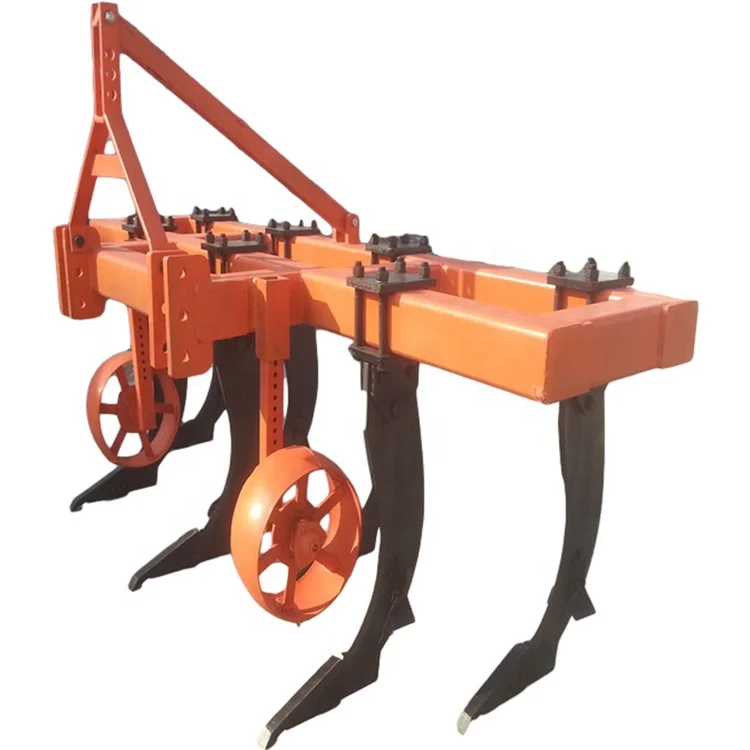
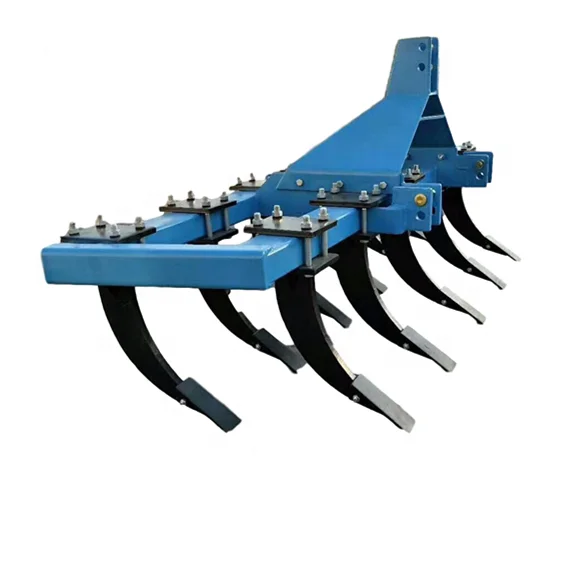
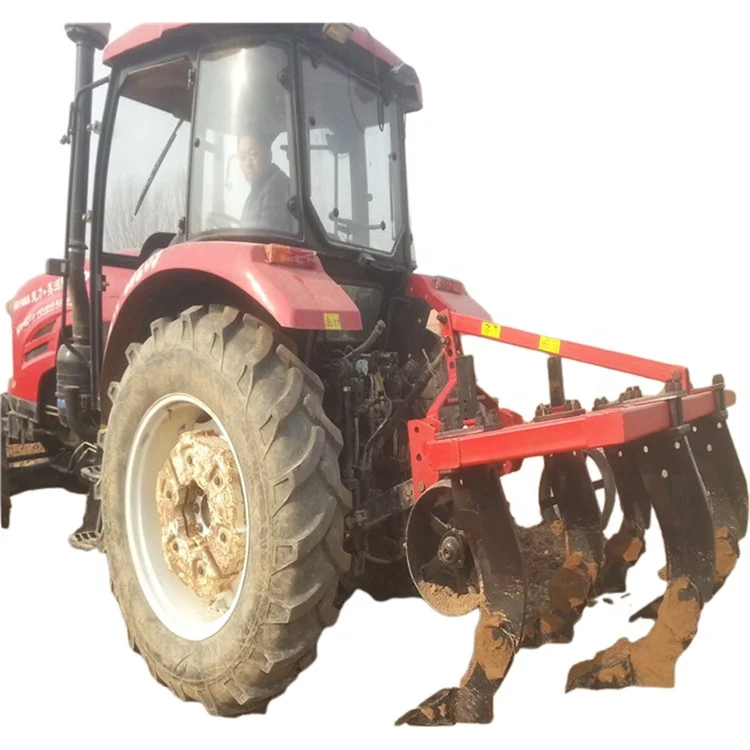
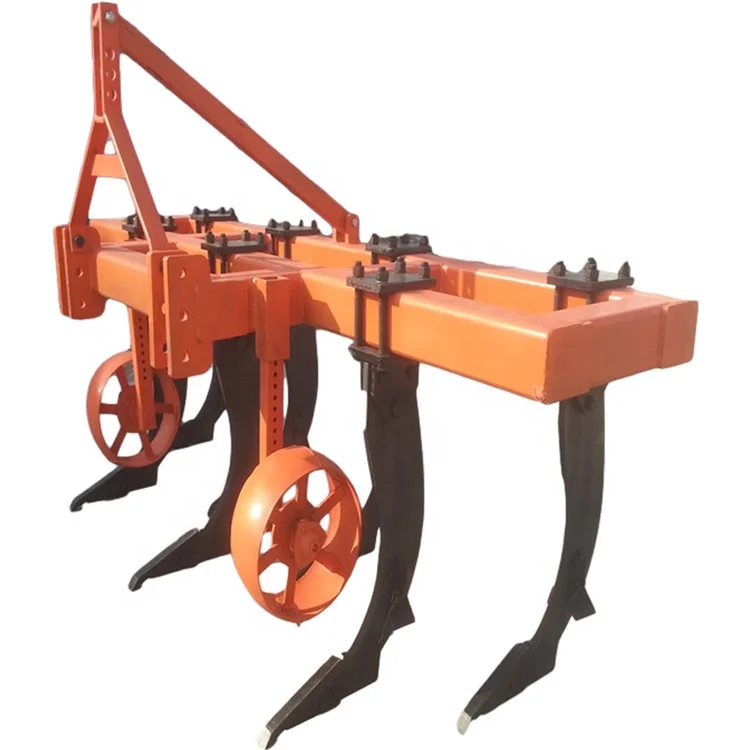
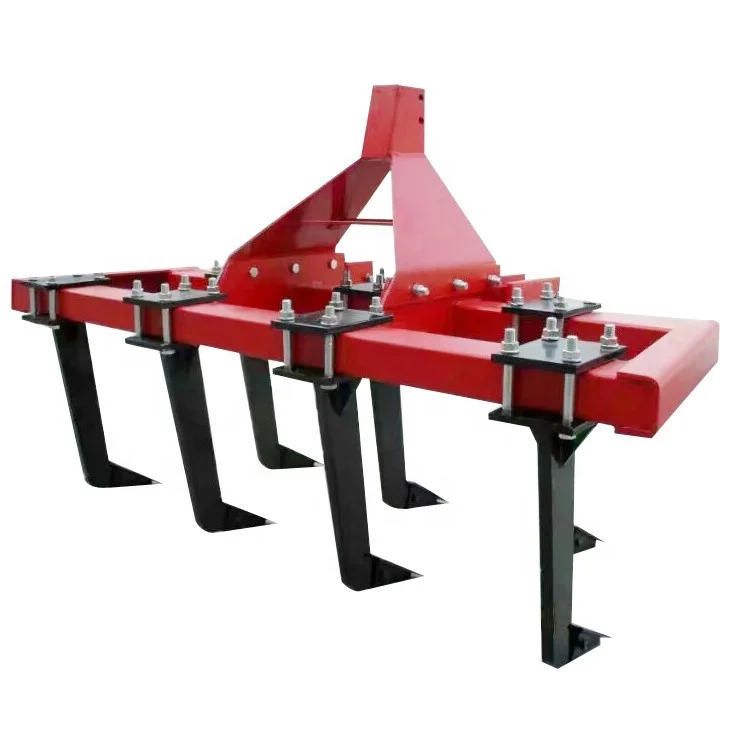
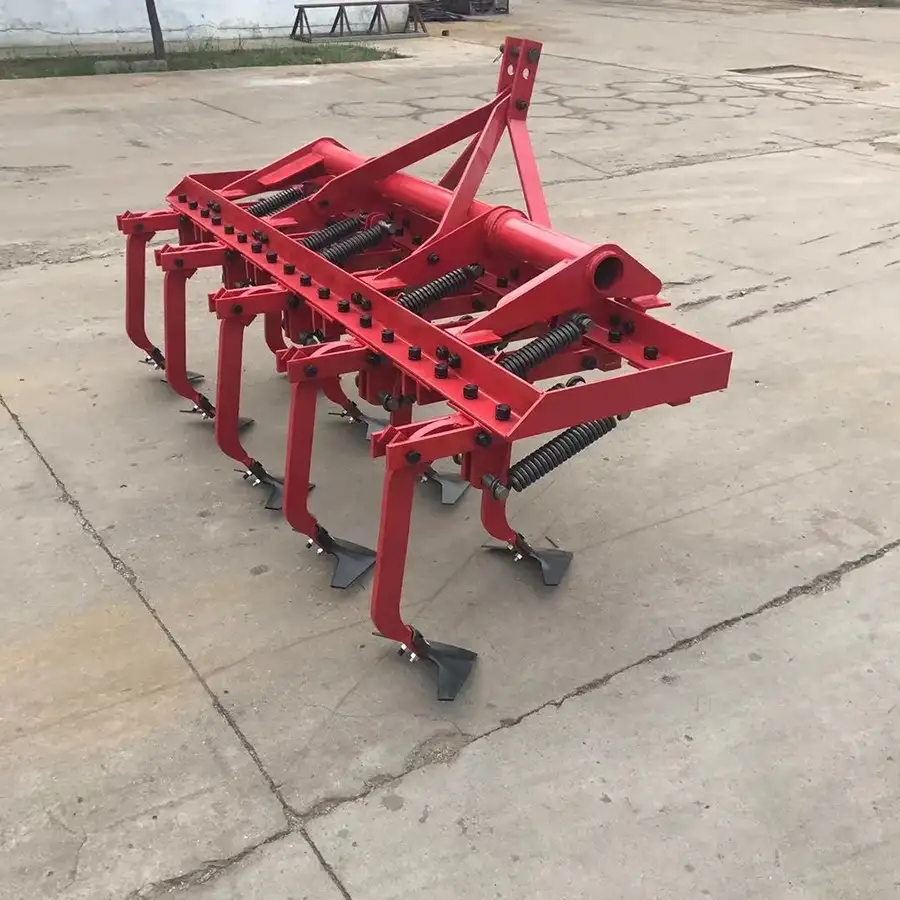
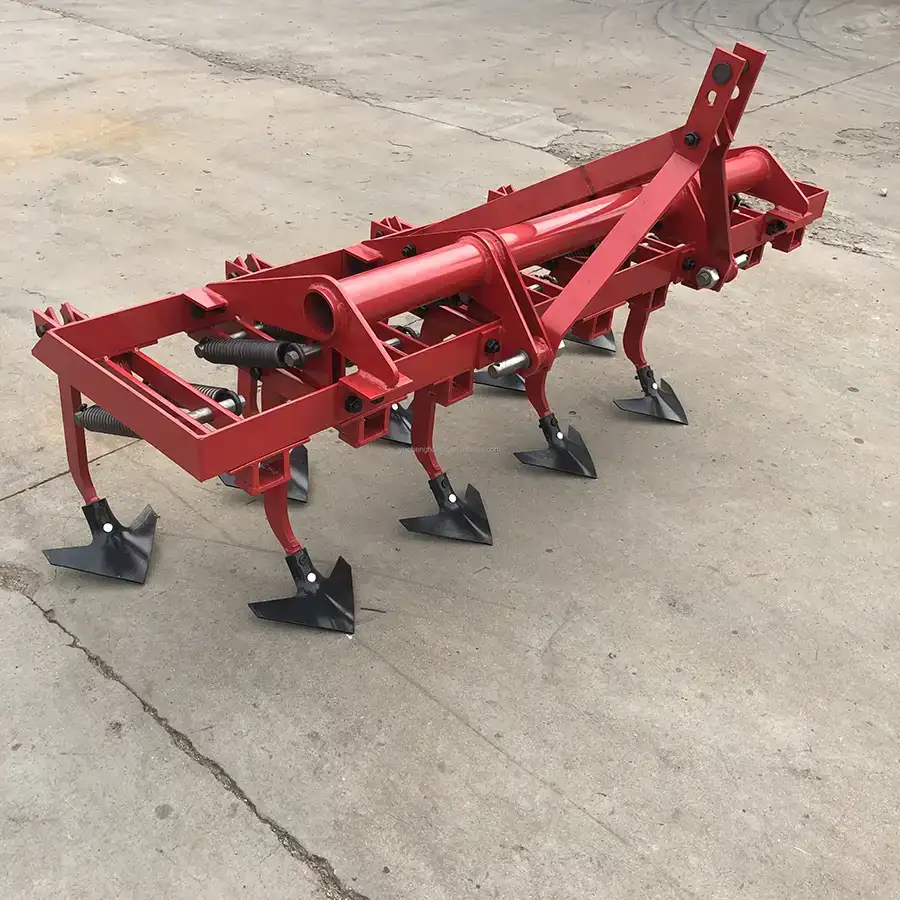
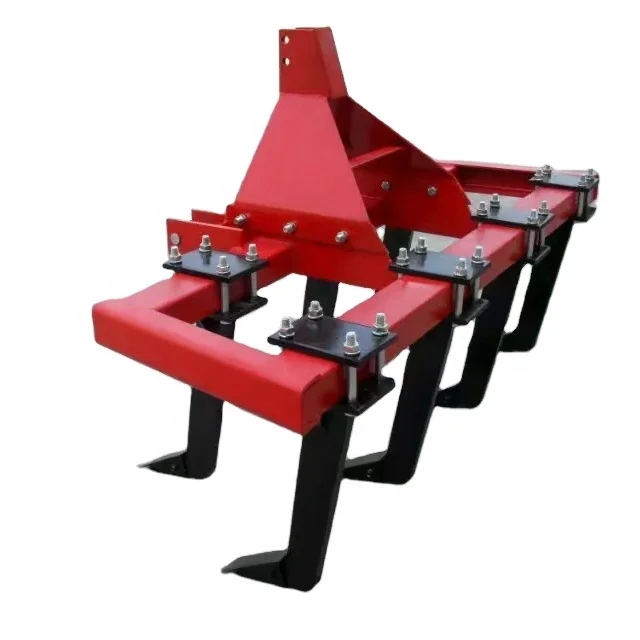
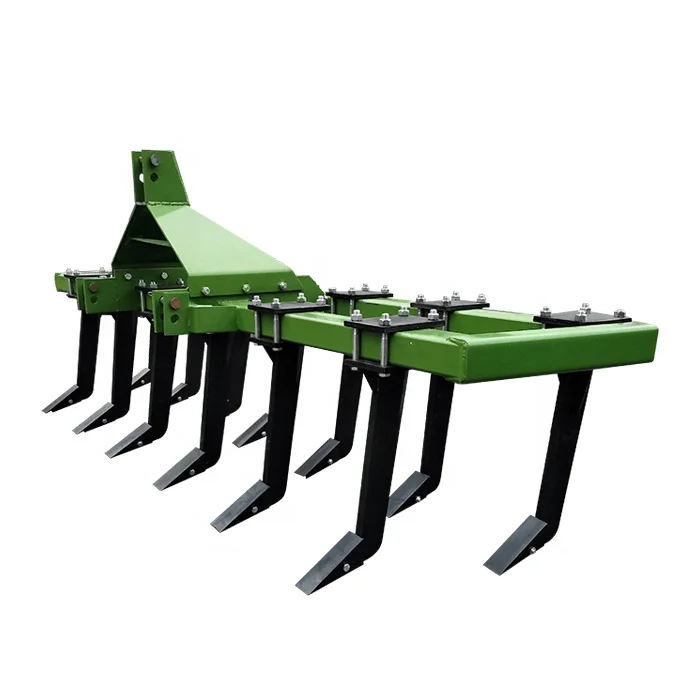
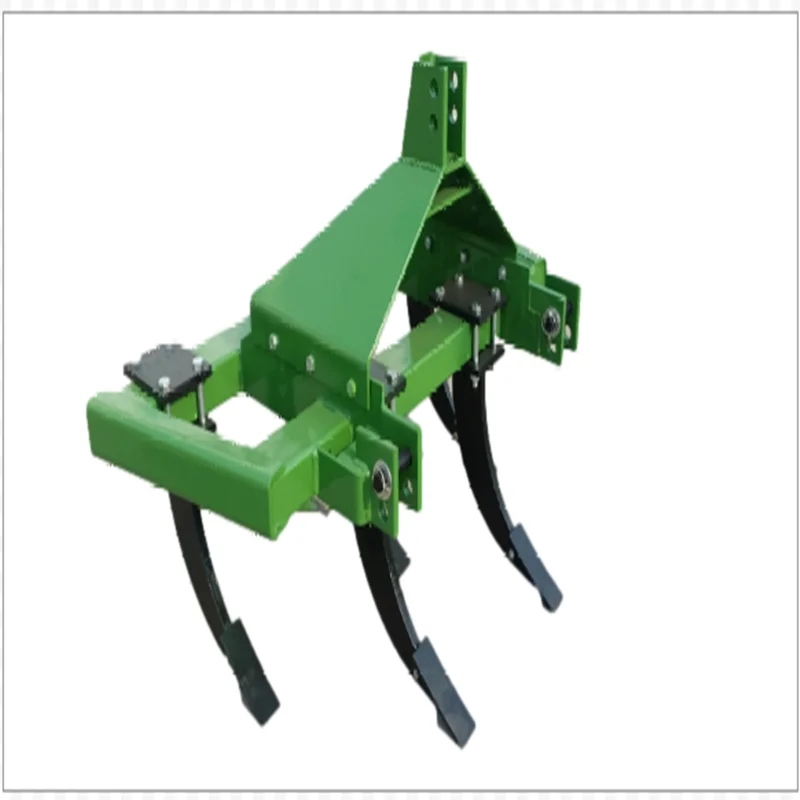
A Subsoiler is a critical agricultural implement designed for deep tillage, specifically to break up compacted subsoil layers without inverting or disturbing the topsoil. Often referred to as a "deep ripper" or "subsoil ripper," it features a strong, narrow shank with a pointed foot or wing that penetrates well below the plow layer, typically between 12 to 24 inches deep. This process alleviates soil compaction, improves water infiltration and drainage, enhances root penetration for crops, and ultimately leads to healthier plants and increased yields. The Subsoiler is an essential tool for modern, sustainable farming practices aimed at maintaining long-term soil health.
Raydafon Group engineers its Subsoiler units with a focus on durability, efficiency, and farmer profitability. Our design philosophy integrates robust construction with intelligent features to handle the toughest subsoil conditions.
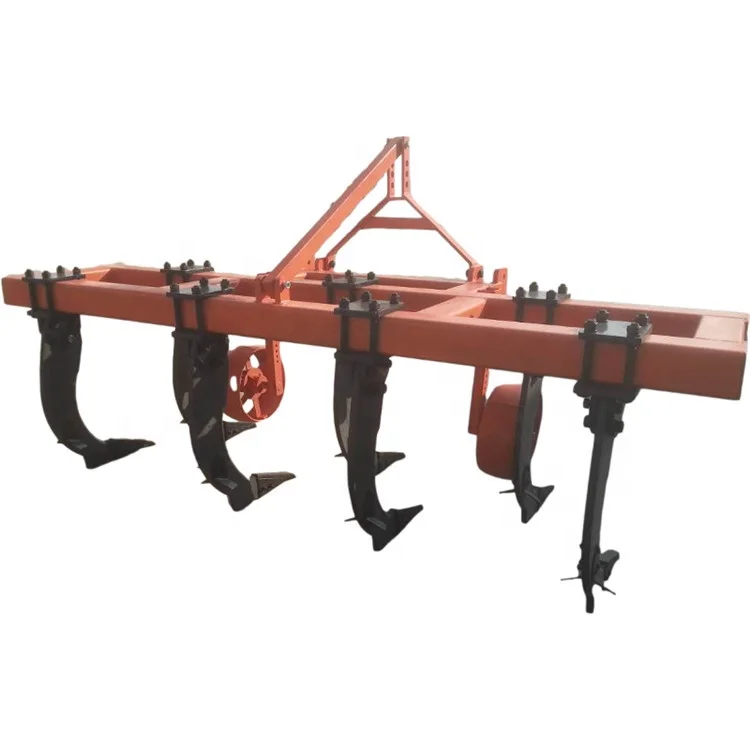
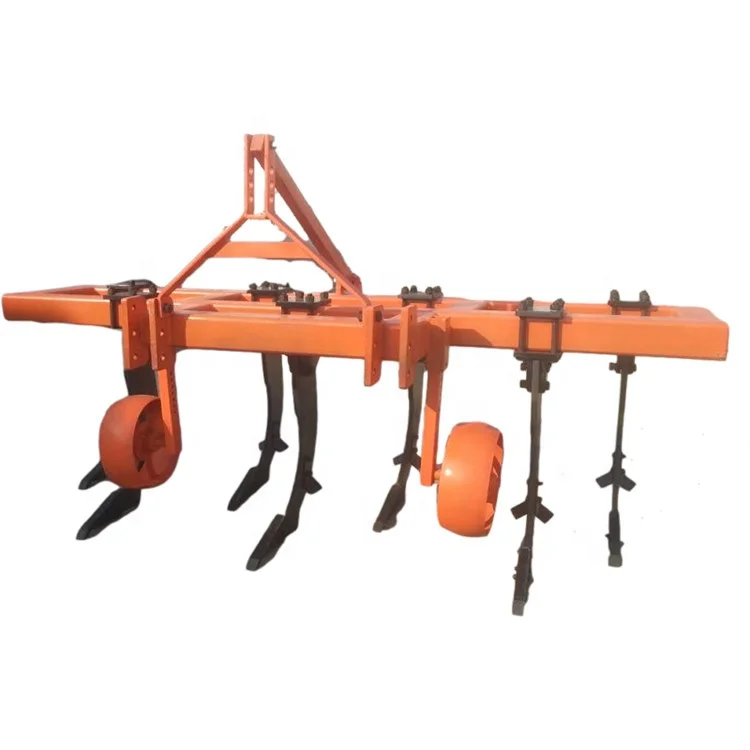
Raydafon Group offers a range of Subsoiler models to suit various farm sizes and tractor horsepower. The specifications below detail our flagship model, the RS-5 Series.
| Parameter Category | Specification Details |
|---|---|
| Model Series | Raydafon RS-5 |
| Recommended Tractor HP | 180 - 350 HP |
| Working Width (Max) | 20 feet |
| Number of Shanks | 5 (Standard), options for 3 or 7 |
| Shank Spacing | Adjustable from 24" to 36" |
| Maximum Working Depth | 24 inches |
| Shank Type | Parabolic, heat-treated alloy steel |
| Foot Type | Replaceable, 8-inch wide wing foot |
| Frame Construction | 8" x 8" rectangular steel tubing, 1/2" wall thickness |
| Depth Control | Hydraulically adjustable gauge wheels with depth markers |
| Transport Width | 12 feet (with folding wing option) |
| Weight (Approx.) | 4,850 lbs |
| Hitch Category | Category IV/IVN Quick Hitch |
| Component | Material & Specification | Expected Service Life* |
|---|---|---|
| Main Shank | AISI 4140 Steel, Hardened to 450 BHN | 5,000+ acres |
| Wing Foot (Point) | Tungsten Carbide Tipped, Bolt-On | 800 - 1,200 acres |
| Shear Bolt | Grade 5, 1-inch diameter | Replacement Item |
| Shank Protector | Hardfaced AR400 Steel Plate | 10,000+ acres |
*Service life estimates are based on average soil conditions. Abrasive or rocky soils may reduce component life.
Q: How do I know if my field needs subsoiling?
A: Signs of subsoil compaction include persistent water ponding after rain, stunted or uneven crop growth despite good surface conditions, hard layers that are difficult to penetrate with a soil probe, and excessive surface runoff. A penetrometer test is the most reliable method to scientifically confirm compaction layers below the topsoil.
Q: What is the best time of year to use a subsoiler?
A: The ideal time is when the subsoil is dry enough to fracture properly but the surface soil moisture is adequate. This is typically in late summer after harvest or in early fall before the ground freezes. Subsoiling when the soil is too wet can create smearing and worsen compaction. Avoid subsoiling in spring if possible, as it can dry out the seedbed.
Q: What tractor horsepower is required to pull a Raydafon RS-5 Subsoiler?
A: We recommend a minimum of 180 PTO horsepower for a 5-shank configuration at moderate depths (16-18 inches). For maximum depth (24 inches) or in very hard conditions, 250-350 HP is advisable. Adequate tractor weight and tire traction are equally important to maintain effective pull and control.
Q: How deep should I set my subsoiler?
A: The shank should penetrate 1 to 2 inches below the identified compacted layer, known as the "plow pan" or "hardpan." This is typically between 14 and 20 inches deep in conventionally tilled fields. Our adjustable gauge wheels allow you to set and maintain a precise depth for consistent results.
Q: Will subsoiling destroy my tile drainage lines?
A: There is a risk if not done carefully. It is crucial to know the exact location and depth of your drainage tiles before subsoiling. Always operate the subsoiler at a depth that is at least 2 to 3 inches above the tile lines. Using a subsoiler with a parabolic shank that lifts soil upwards, rather than a straight shank, also helps direct force away from buried tiles.
Q: How does the shear bolt protection system work on Raydafon models?
A: Each shank is mounted to the tool bar via a bracket secured with a specifically graded shear bolt. When a shank encounters a large rock or immovable object, the bolt is designed to shear (break) cleanly. This allows the shank to pivot backward, preventing damage to the shank, main frame, and tractor driveline. The shank can be reset by simply installing a new, recommended-grade shear bolt.
Q: What maintenance does a subsoiler require?
A: Regular maintenance is simple but essential. After each use, clean off soil and debris. Before storage, grease all pivot points and check for loose bolts. Periodically inspect shanks, points, and wear plates for excessive wear or cracks. Always replace shear bolts in pairs and use only the bolt grade specified by Raydafon Group to ensure the protection system functions correctly.
Q: Can I use a subsoiler in no-till or conservation tillage systems?
A: Yes, selectively. This practice is often called "zone tillage" or "strip tillage." A subsoiler can be used to fracture compaction in the root zone directly below the future crop row while leaving the inter-row soil and surface residue largely undisturbed. This combines the benefits of deep tillage with the soil conservation advantages of no-till. Raydafon offers narrow, low-disturbance points suitable for such systems.
The engineering behind a Raydafon Group Subsoiler provides distinct advantages in the field. Our parabolic shank design is a key differentiator. Unlike straight shanks that primarily drag through the soil, the parabolic curve creates a lifting action. As the shank travels forward, the curve gradually lifts the compacted soil upward until it reaches the foot, where the soil is fractured and then gently settled back. This action requires less draft horsepower than a straight shank, reduces surface upheaval, and creates a more stable fracture pattern that resists re-compaction.
Furthermore, our commitment to using premium, heat-treated steels and offering tungsten carbide on critical wear parts like the foot ensures that farmers experience less downtime for replacements and lower long-term operating costs. The modularity of the system means that a single frame can be adapted for different row spacings or converted for other deep tillage applications, protecting your investment for years to come.

 Raydafon