
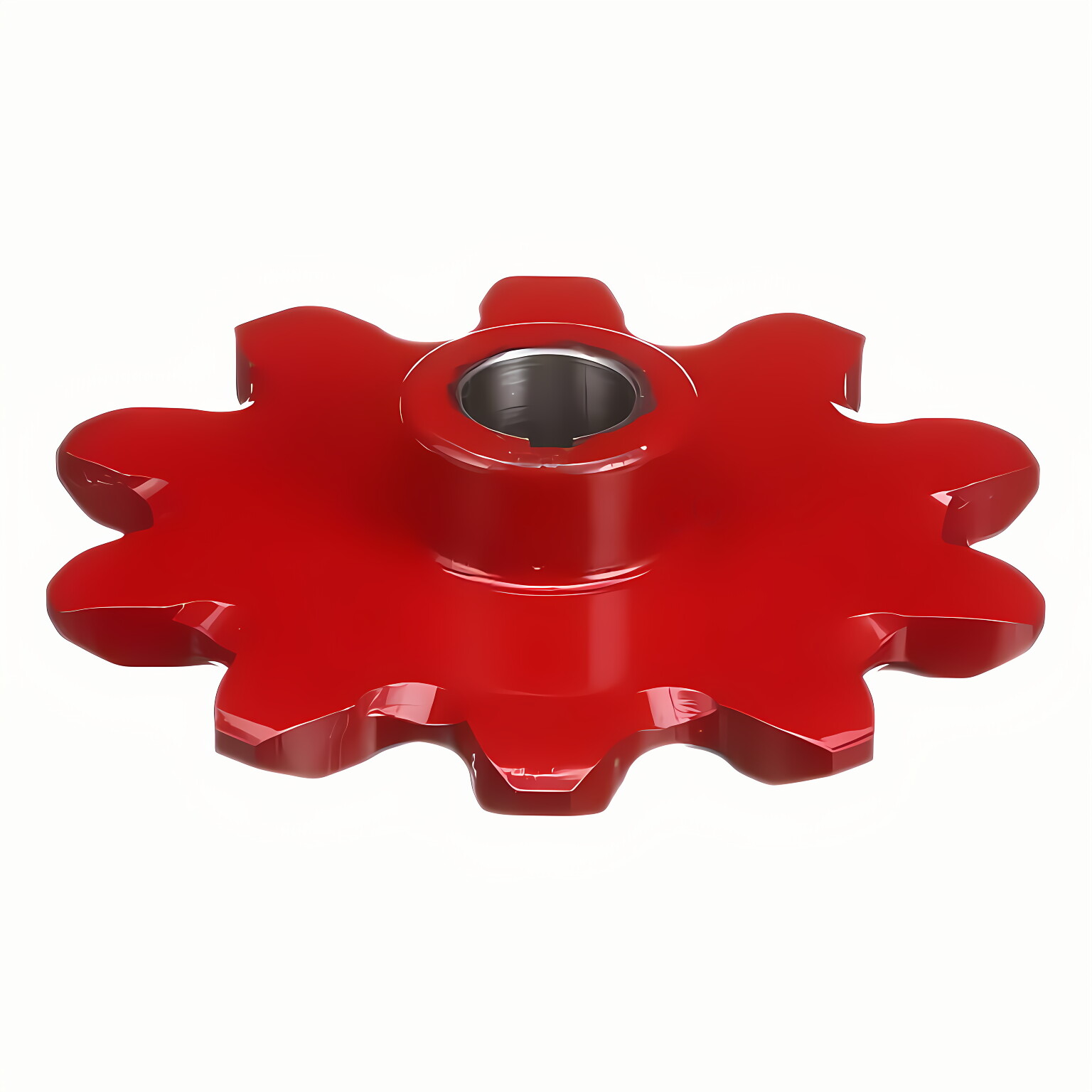
In the demanding world of mechanical power transmission, the reliability and efficiency of your drive system hinge on the quality of its individual components. Among these, Bushed/Taper Lock Sprockets stand out as a cornerstone solution for secure, precise, and versatile shaft mounting. At Raydafon Group, we specialize in engineering and manufacturing these critical components to the highest standards, ensuring optimal performance across countless industrial applications.
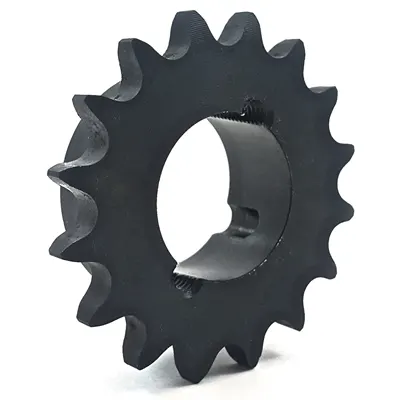
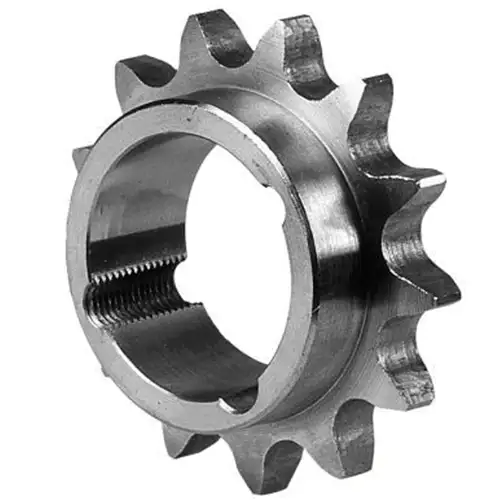
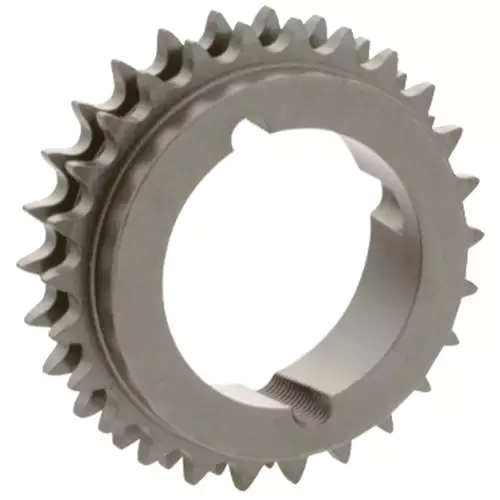
The fundamental principle behind a bushed or taper lock sprocket is its ingenious two-part mounting system. Unlike a solid sprocket, it consists of a sprocket wheel with a machined tapered bore and a separate, split tapered bushing. This design allows for a single sprocket size to fit a range of shaft diameters, simplifying inventory and providing exceptional flexibility. When the bushing is inserted into the sprocket's bore and tightened onto the shaft using cap screws, it creates an immense, friction-based locking force. This results in a rigid, concentric, and backlash-free connection that is highly resistant to shock loads and rotational forces.
Our bushed sprockets are manufactured from premium materials to ensure durability and long service life. Below is a detailed breakdown of our standard specifications.
| Pitch (Inch) | Number of Teeth | Bore Range (via Bushings) (Inch) | Hub Type | Standard Keyway (Inch) |
|---|---|---|---|---|
| #35, #40, #41 | 10 - 60 | 1/2" - 2-1/2" | Type A (Plain), Type B (Hub on one side), Type C (Extended Hub) | 1/8" x 1/16", 3/16" x 3/32", etc. |
| #50, #60, #80 | 10 - 72 | 3/4" - 3-1/2" | Type B, Type C | 1/4" x 1/8", 5/16" x 5/32" |
| 100, 120, 140 | 12 - 80 | 1" - 6" | Type C, Type D (Double Hub) | 3/8" x 3/16", 1/2" x 1/4" |
| 160, 200 | 15 - 90 | 1-1/2" - 8" | Type D, Special Fabricated | 5/8" x 5/16", 3/4" x 3/8" |
| Parameter | Standard | Tolerance | Notes |
|---|---|---|---|
| Pitch Diameter | ANSI B29.1 / ISO 606 | ± 0.0015" per inch of diameter | Ensures smooth engagement with chain. |
| Bore Concentricity | ANSI B29.1 | 0.002" TIR (max) | Critical for minimizing vibration and runout. |
| Tooth Form Profile | ANSI B29.1 | Precision ground form | Optimized for reduced friction and noise. |
| Hardness Depth (Case) | In-house Spec | 0.030" - 0.060" | Guarantees long-lasting tooth durability. |
Q: What is the main difference between a bushed sprocket and a plain bore sprocket?
A: A plain bore sprocket has a finished bore sized for one specific shaft diameter and is typically secured using a key and set screws. A bushed sprocket utilizes a separate tapered bushing that fits inside the sprocket's larger, tapered bore. This allows one sprocket to fit multiple shaft sizes by simply changing the bushing, offering far greater mounting flexibility and a mechanically superior, tighter lock on the shaft.
Q: How do I properly install a Raydafon taper lock bushing and sprocket?
A: Proper installation is key to performance. First, slide the bushing into the sprocket's tapered bore. Align this assembly with the keyway on your shaft and slide it into position. Insert the key. Hand-tighten the bushing's cap screws in a cross pattern to ensure even seating. Finally, using a calibrated torque wrench, tighten all screws to the specified torque value provided in the Raydafon installation guide. Do not use thread-locking compounds on the bushing screws, as this can interfere with the clamping force.
Q: Can I reuse a taper lock bushing?
A: While bushings can often be reused if they are in good condition, it is not generally recommended for critical applications. The repeated compression and release can slightly deform the bushing, potentially reducing its locking efficiency and concentricity. For optimal performance and safety, Raydafon Group advises using a new bushing whenever the sprocket is remounted, especially in high-torque or high-speed applications.
Q: My application involves high moisture or corrosive chemicals. What options does Raydafon offer?
A: We offer extensive corrosion protection. Standard sprockets feature a phosphate coating. For harsh environments, we provide sprockets and bushings made from stainless steel (e.g., 304 or 316 grades) or carbon steel components with electroplated zinc, nickel plating, or powder coating. Please consult with our engineering team to select the most cost-effective and durable finish for your specific environment.
Q: How do I select the correct size bushing for my shaft and sprocket?
A: Selection is a two-step process. First, choose the sprocket based on chain pitch (e.g., #60, 80) and number of teeth required for your speed ratio. The sprocket product code will correspond to a specific tapered bore size (e.g., "3030"). Second, select the bushing code that matches this bore size (e.g., "3030") and is sized for your actual shaft diameter (e.g., 1-3/4"). Our comprehensive catalogs and online selection tools provide clear cross-reference tables to guide you.
Q: Are Raydafon bushed sprockets compatible with other brands of bushings?
A: Our sprockets are manufactured to exact ANSI and ISO dimensional standards for tapered bores. In many cases, bushings from other manufacturers that adhere to the same standard (like the widely used Taper-Lock® style) will fit interchangeably. However, for guaranteed performance, concentricity, and wear life, we strongly recommend using genuine Raydafon bushings designed and tested as a complete system with our sprockets.
Q: What maintenance do these sprockets require?
A: Maintenance is minimal but crucial. Regularly inspect for signs of tooth wear (hooking, thinning), check that all bushing cap screws are secure at the proper torque, and ensure the sprocket remains free of packed debris. Always follow the lubrication schedule for the drive chain, as proper lubrication greatly extends the life of both the chain and the sprocket teeth. A visual alignment check of the sprockets in the drive should also be part of routine maintenance.

 Raydafon