
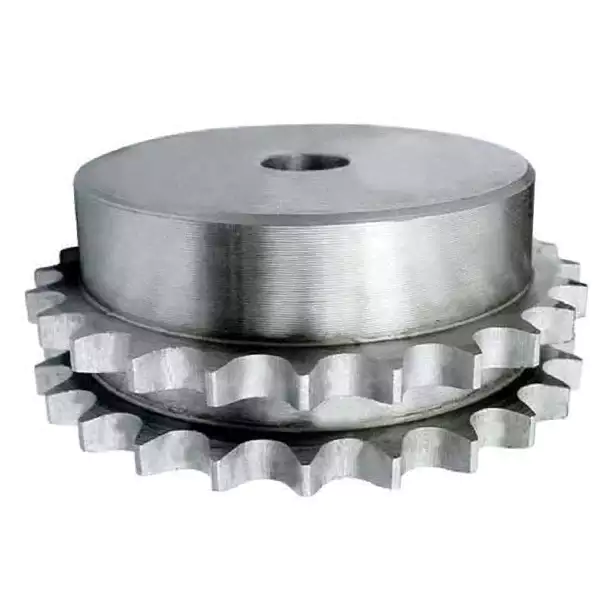
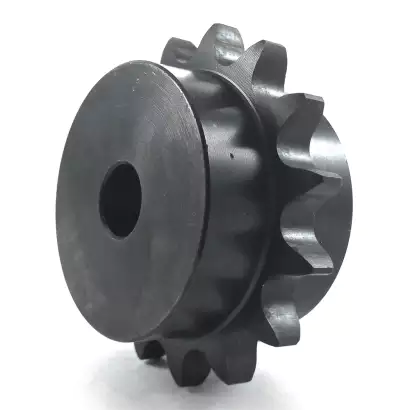
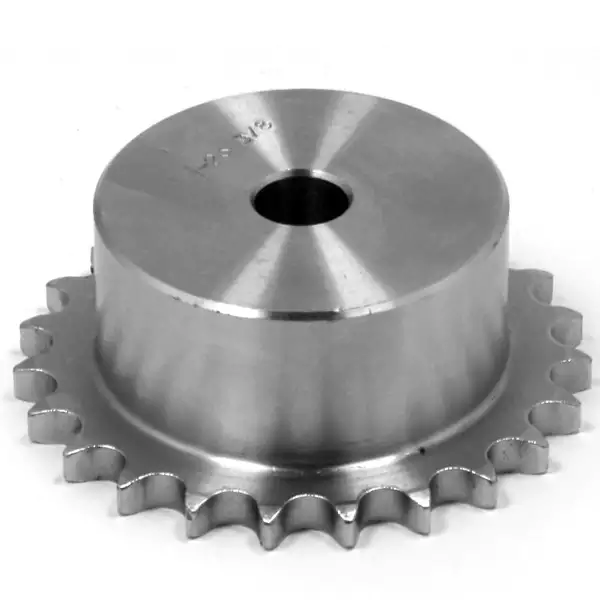
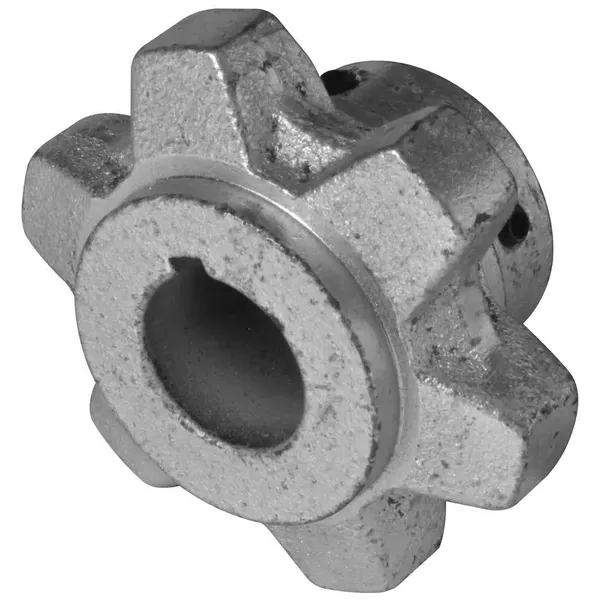
In power transmission systems, sprockets are the crucial link between a roller chain and a rotating shaft. Standard Bore Sprockets are the most common and readily available type, featuring a fixed, finished bore (the central hole) that is matched to a specific shaft diameter. This design offers a direct, simple, and cost-effective connection for a vast array of industrial, agricultural, and mechanical applications. Unlike finished bore sprockets that require additional machining for keyways or set screws, standard bore sprockets from Raydafon Group come pre-machined to precise tolerances, ensuring a perfect fit onto standard shaft sizes, reducing installation time and complexity.
Raydafon Group manufactures these components to the highest industry standards, utilizing premium materials and advanced CNC machining. They are engineered for durability, efficient power transfer, and long service life, even under demanding operating conditions. The simplicity of the standard bore design does not compromise performance; it delivers reliable, maintenance-friendly operation, making it the go-to choice for OEMs, maintenance engineers, and machinery builders worldwide.
Understanding the precise specifications of a standard bore sprocket is essential for correct selection and optimal system performance. Below are the critical parameters that define our product range.
The following table illustrates a sample of our extensive Standard Bore Sprockets inventory. All dimensions are nominal and manufactured to ANSI/ASME B29.1 standards unless otherwise specified.
| Part Number Prefix | Chain Pitch (Inch) | Number of Teeth | Standard Bore Diameter (Inch) | Hub Type | Material | Hardness (HRC) |
|---|---|---|---|---|---|---|
| RDF-40 | 1/2" | 10, 12, 14, 16, 18, 20 | 1/2", 5/8", 3/4", 7/8", 1" | Single Hub | 1045 Carbon Steel | 40-45 |
| RDF-50 | 5/8" | 11, 13, 15, 17, 20, 25 | 5/8", 3/4", 1", 1-1/8", 1-1/4" | Plain / Double Hub | 1045 Carbon Steel | 40-45 |
| RDF-60 | 3/4" | 12, 14, 16, 18, 20, 24, 30 | 3/4", 1", 1-1/4", 1-1/2" | Single Hub | 1050 Carbon Steel | 35-40 |
| RDF-80 | 1" | 15, 18, 20, 25, 30, 35, 40 | 1", 1-1/4", 1-1/2", 1-3/4", 2" | Double Hub | Alloy Steel 4140 | 38-43 |
| RDF-M12 | 12.7 mm (Metric) | 10, 12, 14, 16, 20 | 12mm, 15mm, 20mm, 25mm | Plain / Single Hub | 1045 Carbon Steel | 40-45 |
Note: The Raydafon Group RDF-series sprockets are designed for maximum interchangeability. Custom bore sizes, special keyways, and unique tooth profiles can be engineered for specific applications.
Selecting a component from Raydafon Group means investing in reliability and performance. Our standard bore sprockets are not just commodities; they are precision-engineered solutions.
The versatility of standard bore sprockets makes them indispensable across industries. Typical applications include:
Q: How do I select the correct standard bore sprocket for my application?
A: You need to identify four key parameters: 1) The chain pitch (must match your existing chain), 2) The required number of teeth for your speed ratio, 3) The exact diameter of your shaft, and 4) The hub style needed based on space constraints and mounting requirements. Always refer to machinery manuals or measure existing components precisely. Raydafon Group's catalog and technical team can assist in this selection process.
Q: What is the main difference between a Standard Bore Sprocket and a Finished Bore Sprocket?
A: The terms are often used interchangeably, but technically, a "standard bore" implies a specific, common shaft size is pre-machined. A "finished bore" sprocket has a plain, un-machined hub that must be bored and keyed to size by the end user. Raydafon Group's standard bore products are "finished" and ready to install on a standard-diameter shaft, saving significant time and machining cost.
Q: Can I get a standard bore sprocket with a special keyway or setscrew hole?
A: Yes. While our catalog lists the most common configurations, Raydafon Group offers modification services. We can add standard or custom keyways, additional setscrew holes, or even dual keyways to most standard bore sprocket models. Contact our sales team with your specific requirements for a quote.
Q: What maintenance do Raydafon Group standard bore sprockets require?
A: Proper maintenance focuses on the entire drive system. The sprocket itself requires periodic inspection for wear, particularly tooth profile deformation ("hooking"). Ensure it remains securely fastened to the shaft with the correct key and setscrews. The most critical maintenance is proper lubrication of the chain that engages with the sprocket to minimize wear on both components.
Q: How can I tell when a standard bore sprocket needs to be replaced?
A: Visible signs of wear are key indicators. Look for wear on the tooth faces, a thinning or "hooked" shape at the top of the teeth, or excessive wear in the bore or keyway causing looseness on the shaft. Replacing a worn sprocket at the same time as the chain is highly recommended, as a worn sprocket will rapidly accelerate the wear on a new chain.
Q: Are your standard bore sprockets compatible with chains from other manufacturers?
A: Absolutely. Raydafon Group sprockets are manufactured to ANSI standards, ensuring full compatibility with any roller chain of the corresponding pitch and size from other reputable manufacturers. Interchangeability is a core feature of our standard product line.
Q: Does Raydafon Group offer corrosion-resistant standard bore sprockets?
A: Yes. Our standard finish, black oxide, provides a degree of corrosion resistance suitable for many environments. For highly corrosive applications (e.g., food processing, marine, chemical), we can supply sprockets made from stainless steel (Type 304 or 316) or with specialized platings like zinc-nickel. These options are available across many standard sizes.

 Raydafon