Raydafon Technology Group Co.,Limited
Products
Products
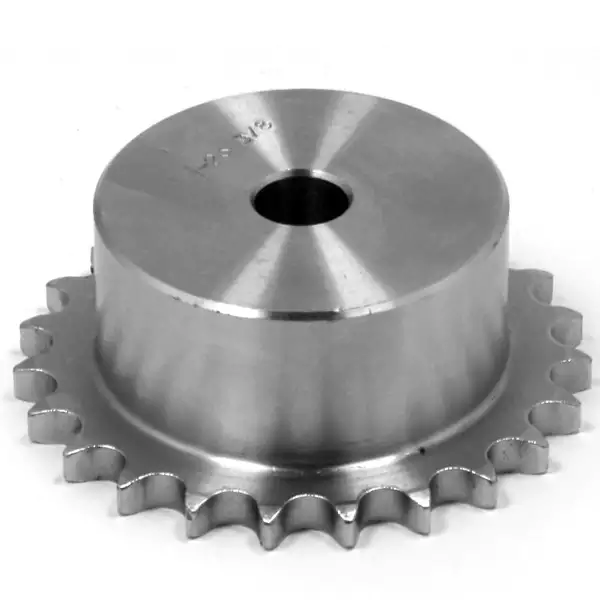
NK120-2C Standard Bore Sprocket
  • NK120-2C Standard Bore SprocketNK120-2C Standard Bore Sprocket

NK120-2C Standard Bore Sprocket

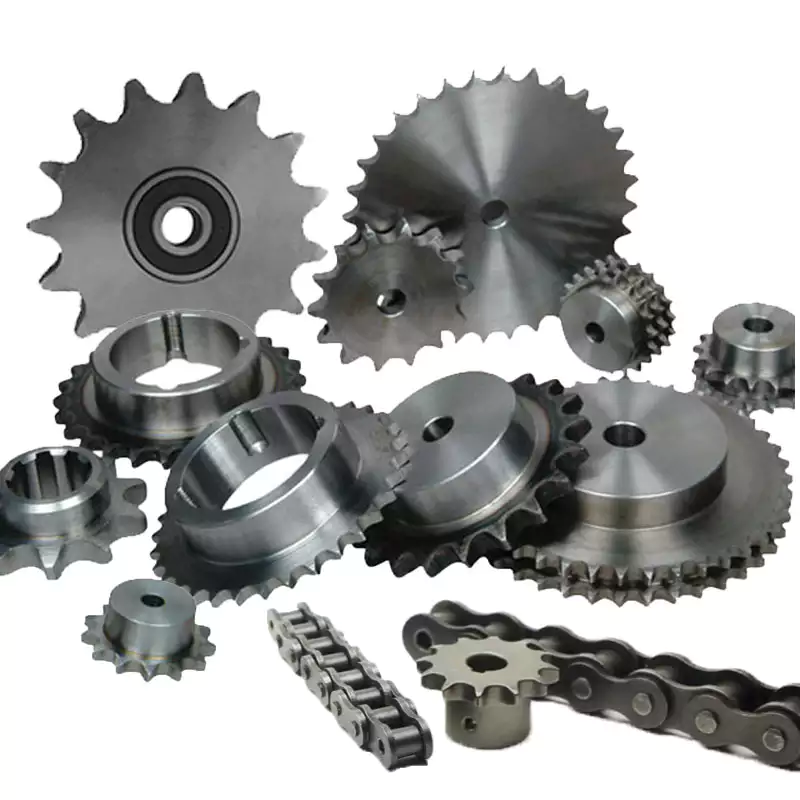
Discover precision engineering with Raydafon Group's NK120-2C Standard Bore Sprocket, crafted for smooth power transmission in industrial applications. Its durable steel construction and standard bore design ensure reliable performance, reducing downtime. Ideal for machinery operators and maintenance teams, it enhances operational efficiency for a seamless workflow. Join users who trust its consistent quality and superior durability.
NK120-2C Standard Bore Sprocket

NK120-2C Standard Bore Sprocket

A standard bore sprocket is an essential component in various mechanical systems. It is a wheel with teeth that meshes with a chain, providing rotary motion and transferring power between shafts.
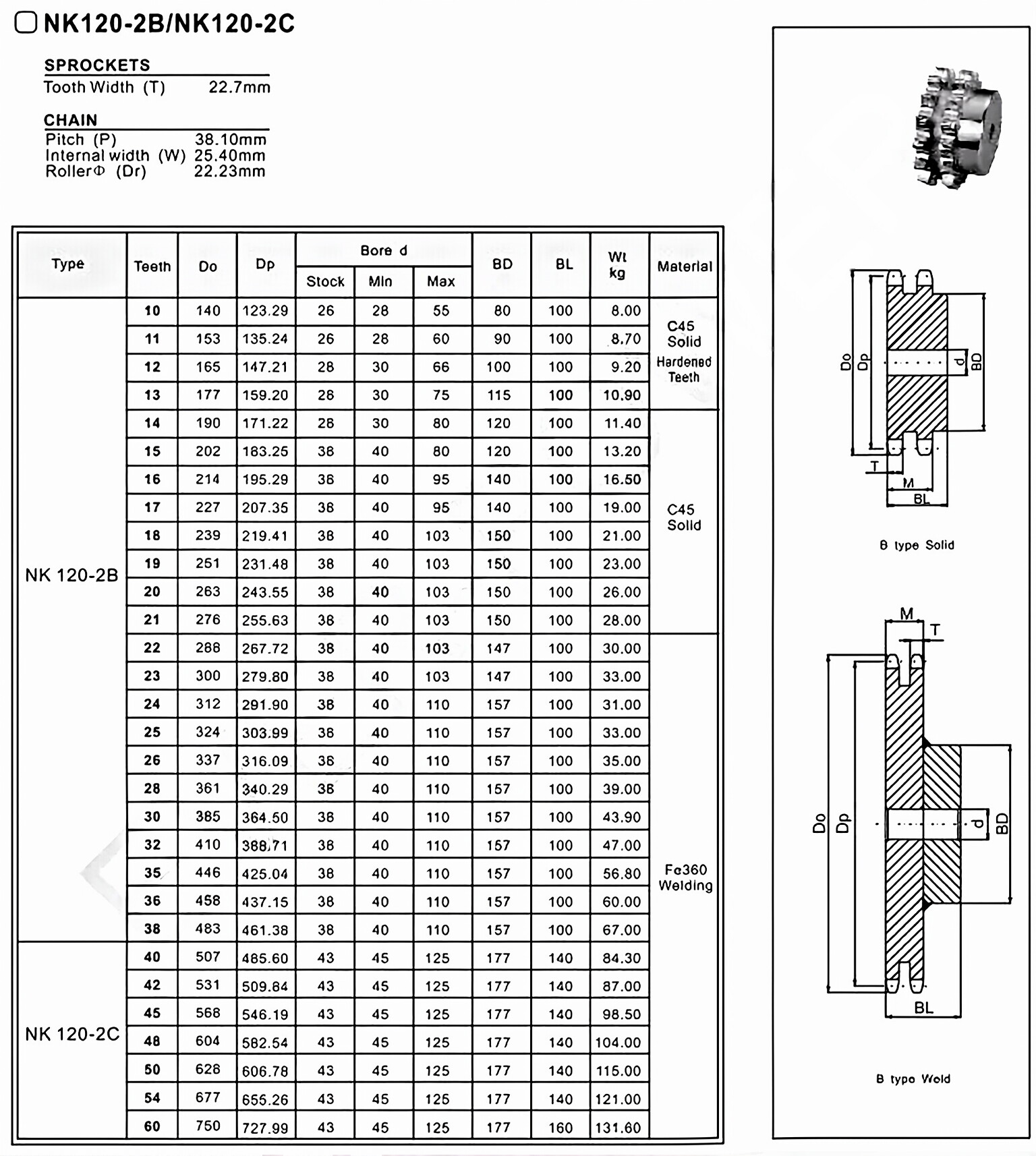
NK120-2C Standard Bore Sprocket

Basic Structure of a Sprocket

When customizing a sprocket, several factors need to be considered:

  • Material: The material used for the sprocket determines its strength, durability, and resistance to wear. It can be made of high carbon steel, alloy steel, or stainless steel.
  • Tooth Form: The tooth shape affects the performance and efficiency of the sprocket. It can be designed according to the specific requirements of the application.
  • Number of Teeth: The number of teeth determines the speed ratio and torque transmission capability of the sprocket.
  • Dimensions: The overall dimensions of the sprocket, including diameter, width, and thickness, ensure compatibility with the chain and other components.
  • Bore: The center hole of the sprocket needs to be customized to fit the shaft it will be mounted on.
  • Keyway: If required, a keyway can be added to ensure proper alignment and torque transmission.
  • Surface Treatment: The sprocket's surface can be treated to enhance its resistance to corrosion and wear.

Material and Manufacturing Process

Our sprockets are manufactured using either high carbon steel, alloy steel, or stainless steel. The material selection depends on the specific application requirements.

The manufacturing process involves various steps:

  • Material Selection: The appropriate material is chosen based on the desired properties and performance.
  • Cutting: The material is cut into the required shape and size.
  • Stamping/Forging: The sprocket is shaped using stamping or forging techniques, ensuring strength and durability.
  • Machining: The sprocket undergoes machining processes such as turning, milling, and drilling to achieve the desired dimensions and tooth profile.
  • Heat Treatment: The sprocket is heat-treated to improve its hardness, toughness, and wear resistance through processes like quenching, tempering, and surface hardening.
  • Surface Treatment: The sprocket's surface is treated to prevent rust and corrosion.
  • Quality Inspection: Each sprocket undergoes rigorous quality checks to ensure it meets the required standards.

Applications

Sprockets find applications in various industries, including:
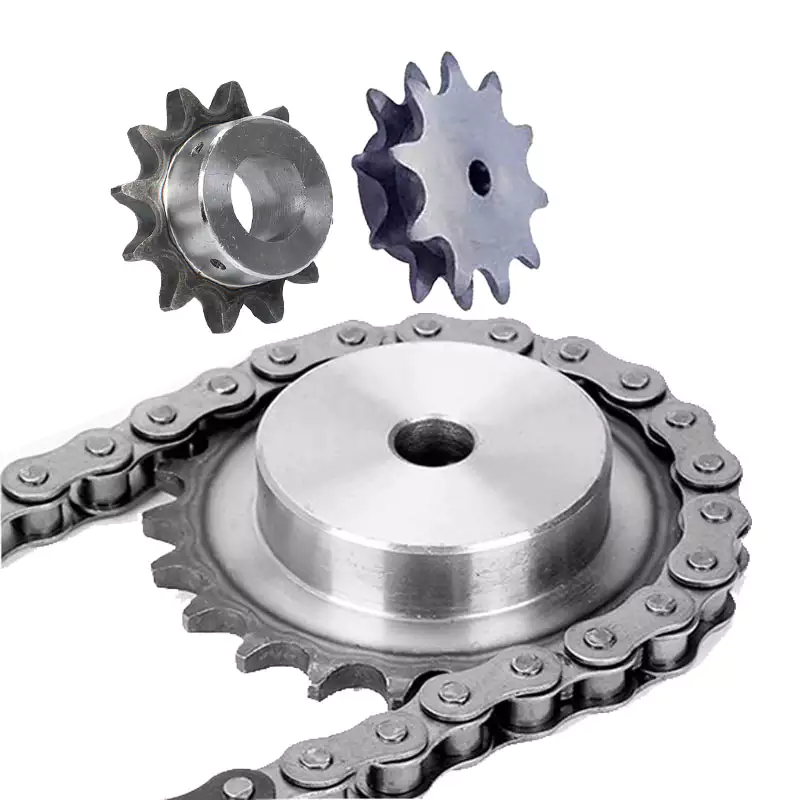
  • Heavy Machinery and Equipment: Sprockets play a crucial role in transmitting power in heavy machinery and equipment.
  • Food Processing and Packaging: Sprockets are used in conveyor systems for food processing and packaging applications.
  • Chemical and Pharmaceutical: Sprockets are utilized in chemical and pharmaceutical processing equipment.
  • Assembly Lines: Sprockets are integral components in assembly line systems for efficient product movement.
  • Logistics and Warehousing: Sprockets are used in material handling and storage systems.
NK120-2C Standard Bore Sprocket

Maintenance and Troubleshooting

Proper maintenance and care are essential to ensure the longevity and performance of sprockets. Regular maintenance should include:

  • Daily Inspections: Check for signs of wear, damage, or misalignment.
  • Cleaning: Remove dirt, debris, and lubricant build-up from the sprocket.
  • Lubrication: Apply a suitable lubricant to reduce friction and prevent premature wear.
  • Adjustment and Calibration: Ensure proper tension and alignment of the chain and sprocket.

Common issues that may arise with sprockets include:

  • Misalignment or Skipping Teeth
  • Breakage
  • Excessive Wear
  • Noise
  • Chain Disengagement

To address these issues:

  • Misalignment or Skipping Teeth: Check for proper alignment, tension, and tooth condition. Adjust as necessary.
  • Breakage: Inspect for cracks or fractures. Replace the sprocket if necessary.
  • Excessive Wear: Measure the wear of the teeth and replace the sprocket if it exceeds the recommended limit.
  • Noise: Lubricate the sprocket and check for any loose or worn components.
  • Chain Disengagement: Ensure the chain tension is correct and check for any damaged or worn chain links.

In addition to the NK120-2C Standard Bore Sprocket, we also offer a wide range of other sprockets, including platewheel sprockets, idler sprockets, QD sprockets, and taper lock sprockets. These are designed to work seamlessly with compatible chains.
NK120-2C Standard Bore Sprocket

Author: Miya

Hot Tags: NK120-2C Sprocket Manufacturer, Standard Bore Sprocket Supplier, Custom Sprocket Wholesale
Send Inquiry
Contact Info
Get customized quotes for transmission components, gearboxes, and machinery. Our engineers will respond within 24 hours.
Online
X
We use cookies to offer you a better browsing experience, analyze site traffic and personalize content. By using this site, you agree to our use of cookies. Privacy Policy
Reject Accept