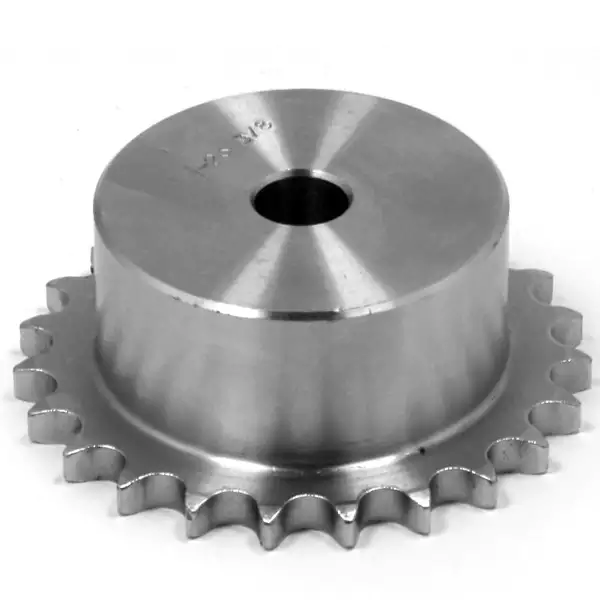
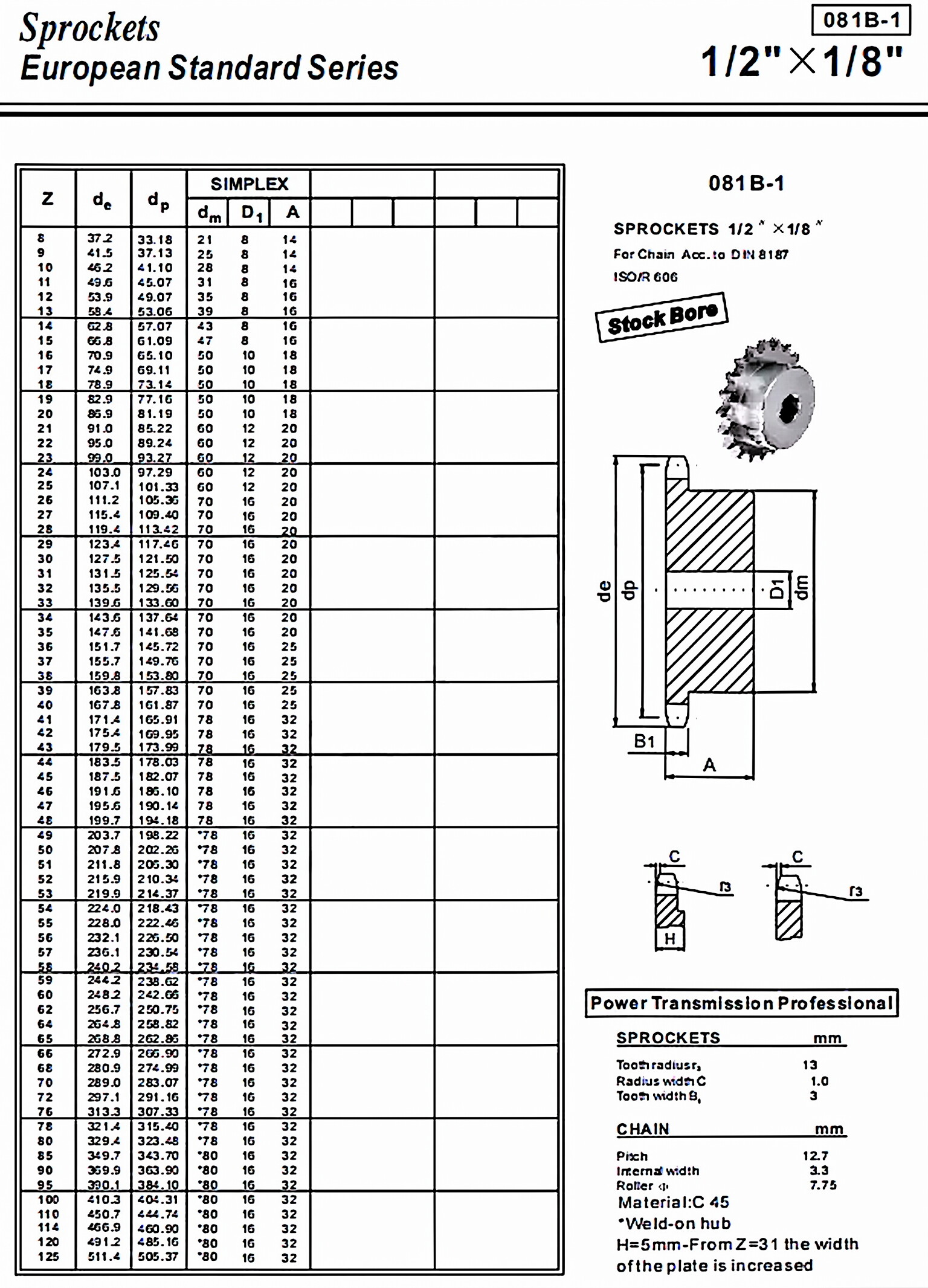
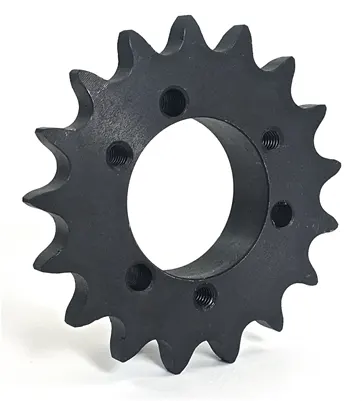
Raydafon Group's 081B-1 Standard Bore Sprocket is a precision-engineered component for reliable power transmission in industrial machinery and automotive systems. Crafted from durable materials, it ensures smooth operation and extended lifespan, ideal for mechanics, engineers, and manufacturers in demanding environments. Experience enhanced efficiency and reduced downtime with our unique, high-performance design—choose Raydafon for superior quality.
Standard bore sprocket is a type of sprocket that comes with a pre-bored hole. These types of sprockets are highly customizable and can be made to fit a wide range of shaft sizes. They are commonly used in power transmission systems and conveyors.
Basic Structure of Sprocket and Customization
A sprocket is a wheel with teeth around the circumference that meshes with a chain or a belt. The teeth are designed to engage with the chain or belt and provide traction and motion. When it comes to customizing a sprocket, there are several factors that need to be considered, such as material, tooth shape, number of teeth, dimensions, bore size, keyway, and surface treatment.- Material: Our sprockets are made of high carbon steel, alloy steel, or stainless steel. Each material has its unique properties and is suitable for different applications.- Tooth shape: The tooth shape of the sprocket is designed to mesh with a specific chain or belt. It is important to choose the right tooth shape to ensure proper engagement and smooth operation.- Number of teeth: The number of teeth on the sprocket determines the speed ratio between the driving and driven shafts. It is important to choose the right number of teeth to achieve the desired speed ratio.- Dimensions: The dimensions of the sprocket are determined by the application requirements and the shaft size.- Bore size: The bore size of the sprocket should match the diameter of the shaft to ensure proper fit and alignment.- Keyway: The keyway is a slot on the bore that accommodates the key that prevents the sprocket from rotating on the shaft.- Surface treatment: The surface treatment of the sprocket can be customized to provide corrosion resistance, wear resistance, or other functional properties.
Material and Manufacturing Process of Our Sprockets
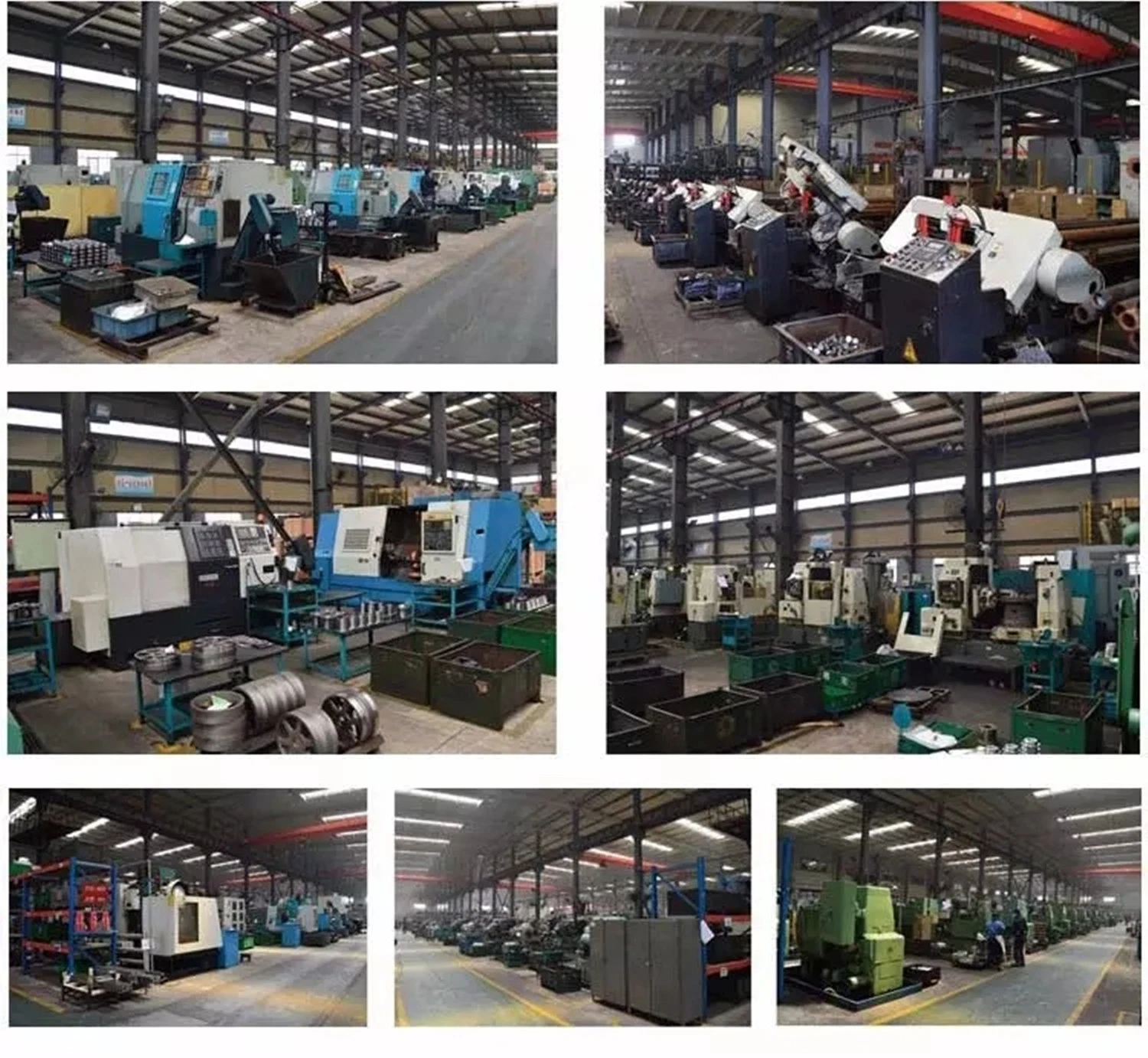
Our sprockets are made of high-quality materials and undergo a rigorous manufacturing process to ensure durability and reliability. The manufacturing process includes material selection, cutting, stamping, forging, machining, heat treatment, surface hardening, surface treatment, and quality inspection.- Material selection: We carefully select the material based on the application requirements and the customer's preferences.- Cutting: The material is cut to the desired shape and size using a saw or a laser cutter.- Stamping or forging: The material is stamped or forged to form the teeth and the hub.- Machining: The teeth and the bore are machined to the required dimensions and tolerances using a lathe or a milling machine.- Heat treatment: The sprocket is heat-treated to improve its strength and wear resistance. The heat treatment process includes quenching, tempering, or annealing.- Surface hardening: The surface of the sprocket can be hardened to improve its wear resistance using techniques such as carburizing, nitriding, or induction hardening.- Surface treatment: The sprocket can be treated with coatings or plating to improve its corrosion resistance, lubricity, or aesthetic appearance.- Quality inspection: The sprocket undergoes a series of quality inspections to ensure that it meets the customer's specifications and industry standards.
Applications of Standard Bore Sprocket
Our sprockets are used in a wide range of applications, including heavy machinery and equipment, food processing and packaging, chemical and pharmaceutical, assembly lines, logistics, and warehousing.
Maintenance and Troubleshooting
To ensure the proper operation of the sprocket and to prevent premature failure, it is important to perform regular maintenance and inspections. The maintenance tasks include daily inspection, cleaning, lubrication, and adjustment. The common problems that can occur with a sprocket include skipping teeth, breakage, wear, excessive noise, and chain slippage. The corresponding solutions include adjusting the tension, replacing worn or damaged parts, lubricating the chain, and realigning the sprocket.
Other Types of Sprockets and Chains
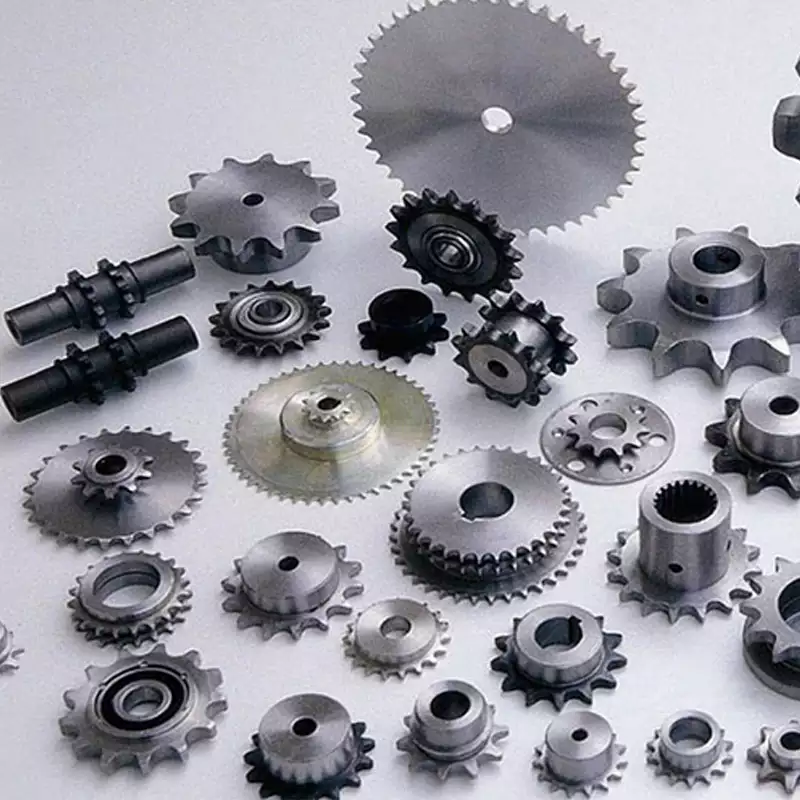
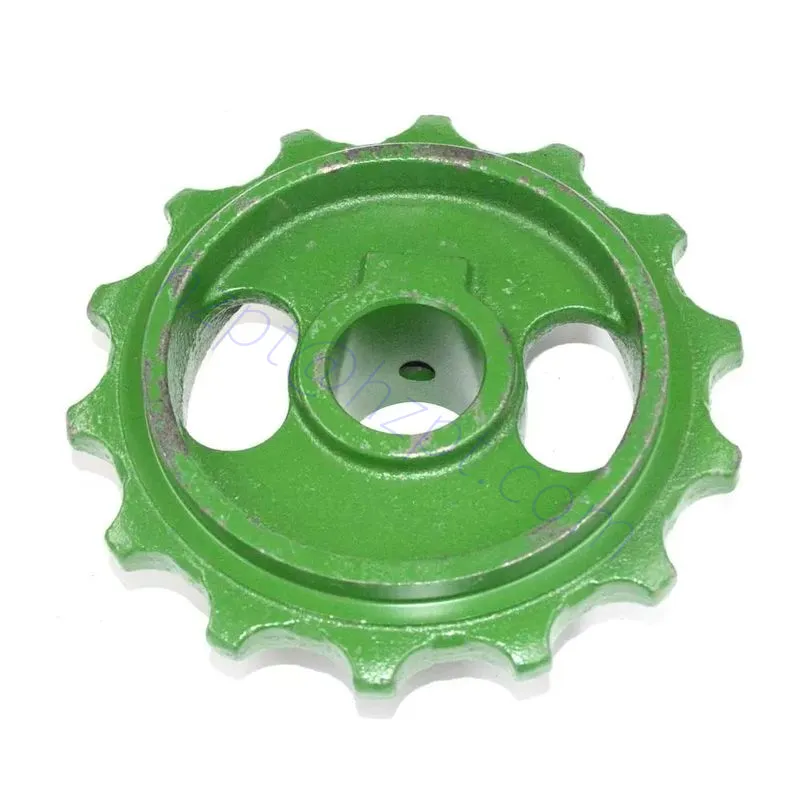
In addition to standard bore sprockets, we also offer other types of sprockets, such as platewheel sprockets, idler sprockets, qd sprockets, taper lock sprockets, etc. We also provide a wide range of chains that are compatible with our sprockets.
Author: Miya
Hot Tags: Standard Bore Sprocket Supplier, 081B-1 Sprocket Wholesale, Industrial Sprocket Manufacturer
We use cookies to offer you a better browsing experience, analyze site traffic and personalize content. By using this site, you agree to our use of cookies.Privacy Policy


 Raydafon