
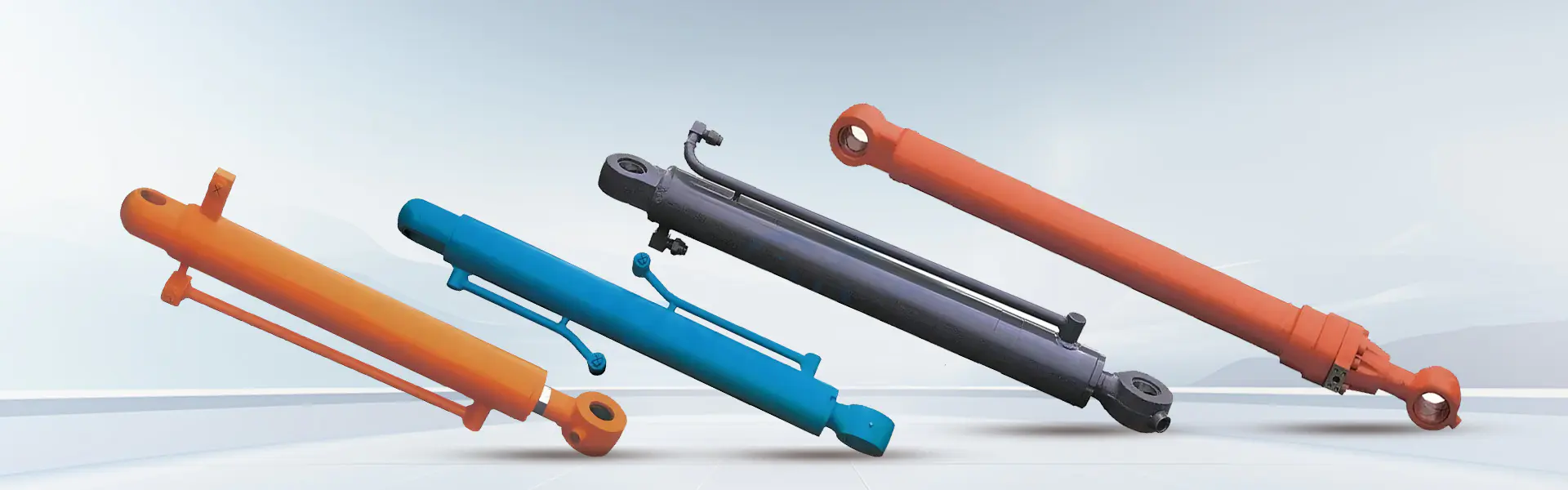
In industrial and mobile hydraulic systems, precision control of fluid flow, pressure, and direction is paramount. The component at the heart of this control is the hydraulic control valve. For over two decades, Raydafon Group has engineered and supplied high-performance hydraulic control valves that set the benchmark for reliability, efficiency, and durability in demanding applications worldwide. This guide delves into the technical specifications, selection criteria, and operational insights that define our industry-leading products.
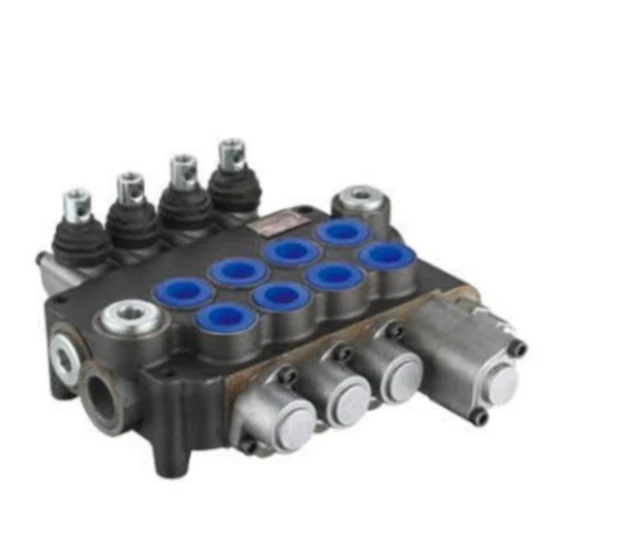
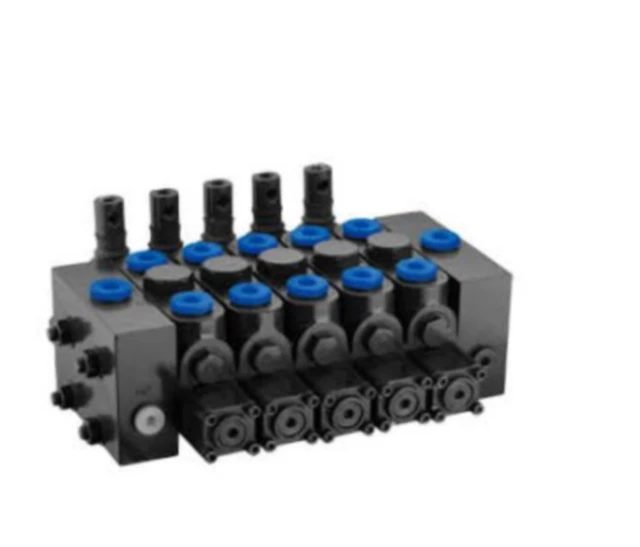
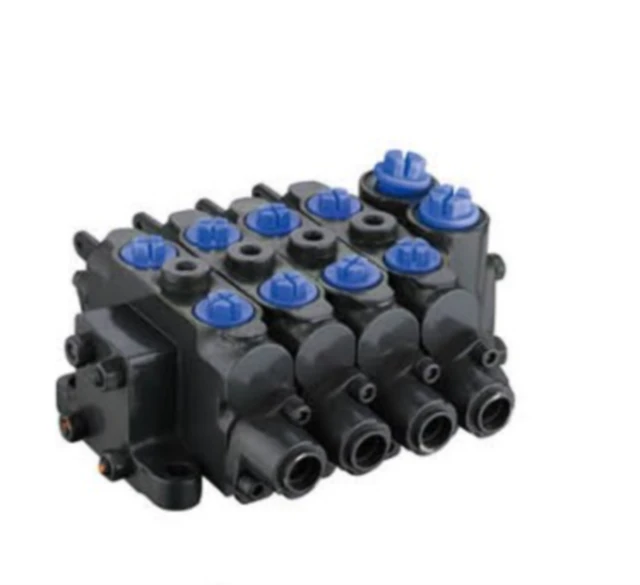
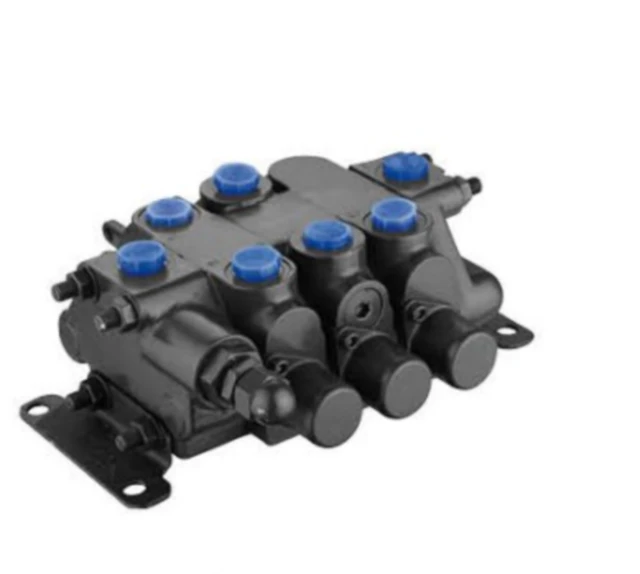
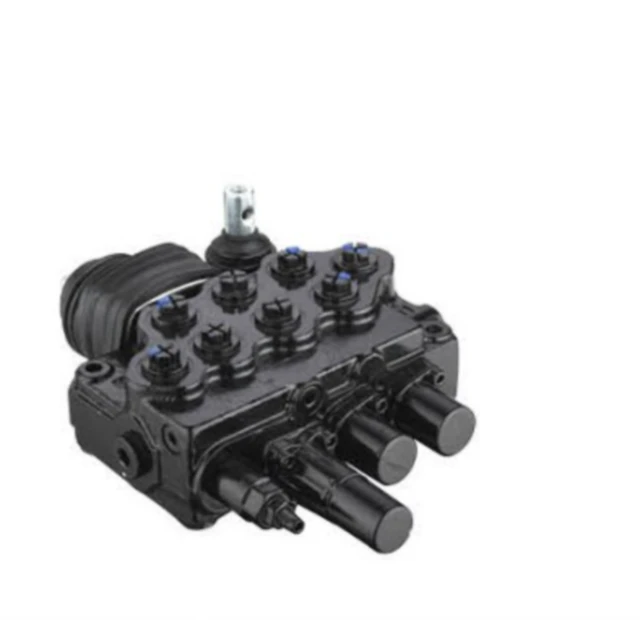
A hydraulic control valve is a mechanical device that regulates the flow, pressure, or direction of hydraulic fluid within a system. By managing these parameters, it directly controls the force, speed, and sequence of actuators like cylinders and motors. Raydafon Group specializes in a comprehensive range of valves designed for specific control functions:
Every Raydafon Group hydraulic control valve is built to endure extreme pressures, thermal cycling, and contaminated fluid environments. Our design philosophy prioritizes longevity and minimal maintenance.
The following tables outline the standard performance parameters for our core valve series. Specifications may vary for custom-engineered solutions.
| Model Code | Port Size | Max Operating Pressure | Max Flow Rate | Actuation Method | Spool Type |
|---|---|---|---|---|---|
| DCV-S04 | 1/2" NPT | 350 bar (5075 psi) | 40 L/min (10.6 GPM) | 12/24 VDC Solenoid | 4-way, 3-position |
| DCV-S06 | 3/4" NPT | 350 bar (5075 psi) | 75 L/min (19.8 GPM) | Pilot-Operated | 4-way, 3-position |
| DCV-S10 | 1-1/4" NPT | 315 bar (4565 psi) | 150 L/min (39.6 GPM) | Manual Lever / Hydraulic Pilot | 4-way, 2-position |
| Model Code | Function | Pressure Adjustment Range | Port Size | Max Flow Capacity | Internal Drain / External Drain |
|---|---|---|---|---|---|
| PCV-PR01 | Direct-Acting Relief Valve | 50 - 210 bar (725 - 3045 psi) | 3/8" SAE | 20 L/min (5.3 GPM) | Internal |
| PCV-PSE02 | Pilot-Operated Sequence Valve | 35 - 350 bar (508 - 5075 psi) | 1/2" BSPP | 60 L/min (15.8 GPM) | External |
| PCV-PCB03 | Counterbalance Valve | 70 - 400 bar (1015 - 5800 psi) | 3/4" NPT | 90 L/min (23.8 GPM) | External |
What are the key factors to consider when selecting a hydraulic control valve?
The selection process requires a careful analysis of several system parameters. Primarily, you must determine the required flow rate (GPM or L/min) and maximum operating pressure (PSI or bar) of your system. Next, define the valve's function: directional control, pressure regulation, or flow control. Consider the actuation method (manual, solenoid, hydraulic pilot, electro-proportional) based on your control scheme. Environmental factors like ambient temperature, type of hydraulic fluid, and exposure to contaminants are also critical for material and seal selection. Raydafon Group's engineering team can assist in this selection process to ensure optimal valve performance and system integration.
How often should a hydraulic control valve be maintained or serviced?
There is no universal service interval, as it heavily depends on operating conditions, fluid cleanliness, and cycle frequency. As a general rule, valves in continuous, high-pressure service should be inspected as part of a routine system maintenance schedule, typically every 1,000 to 2,000 operating hours. Key maintenance actions include checking for external leaks, monitoring system pressure for deviations, and listening for unusual noises like chattering or humming, which can indicate internal wear or contamination. The single most important preventive measure is maintaining fluid cleanliness to the ISO code specified by Raydafon Group for each valve model, as particulate contamination is the leading cause of valve spool sticking and component wear.
What does 'pressure drop' mean in relation to a flow control valve, and why is it important?
Pressure drop refers to the decrease in fluid pressure from the valve's inlet port to its outlet port when fluid is flowing. It is an inherent characteristic caused by the restriction created by the valve's orifice or metering element. A lower pressure drop across the valve is generally desirable, as it translates to higher system efficiency and less energy loss in the form of heat. Raydafon Group designs its flow control valves with optimized flow paths and pressure-compensating mechanisms to provide precise flow regulation while minimizing unnecessary pressure drop, thereby improving the overall energy efficiency of the hydraulic system.
Can a directional control valve from Raydafon Group be used with water-based hydraulic fluids (e.g., HFA, HFC)?
Yes, but specific model configurations are required. Standard valves are typically configured for mineral oil-based fluids. For use with water-glycol (HFC) or oil-in-water (HFA) emulsions, Raydafon Group offers special versions featuring compatible seal materials (such as specific grades of Viton or polyurethane) and enhanced corrosion-resistant coatings or stainless steel components for critical wetted surfaces. It is crucial to specify the hydraulic fluid type during the ordering process to ensure you receive a valve built for compatibility and long service life in that environment.
What is the difference between a proportional valve and a standard on/off solenoid valve?
A standard solenoid-operated directional valve is essentially a digital device—it is either fully open (allowing flow) or fully closed (blocking flow), with no intermediate state. In contrast, an electro-hydraulic proportional valve provides analog control. The position of its spool is continuously variable and is directly proportional to the electrical current supplied to its solenoid. This allows for infinite control over the flow rate or pressure output, enabling precise speed control of a cylinder or smooth acceleration/deceleration of a motor. Raydafon Group's proportional valve series integrates advanced electronics for precise current regulation and optional onboard feedback sensors for closed-loop control, making them ideal for sophisticated automation and machinery.
My hydraulic valve is leaking externally from the solenoid area. What could be the cause?
External leakage from the solenoid mounting area on a directional control valve typically indicates a failed seal. The most common cause is the degradation of the O-ring or gasket that seals the interface between the solenoid cartridge and the valve body. This can occur due to normal aging, extreme temperature cycles causing material hardening, chemical incompatibility with the hydraulic fluid, or over-tightening during installation. For Raydafon Group valves, replacement seal kits are available. Before replacing the seal, it is advisable to check the mounting surfaces for damage or debris and ensure the solenoid is torqued to the manufacturer's specified value to prevent a recurrence.

 Raydafon