
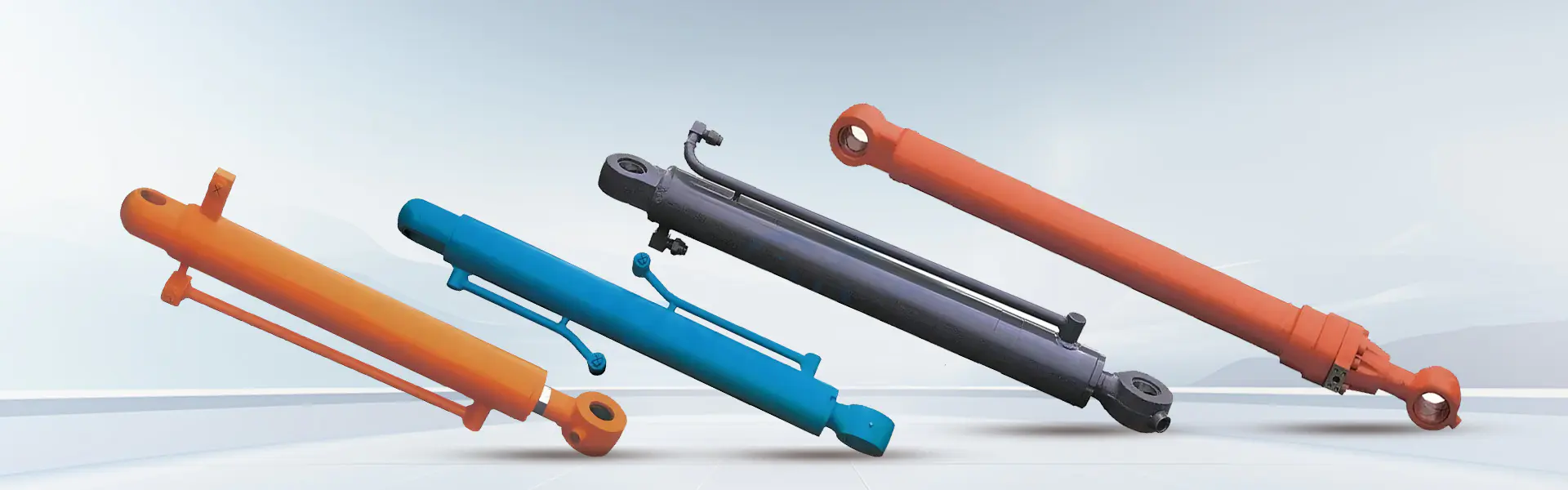
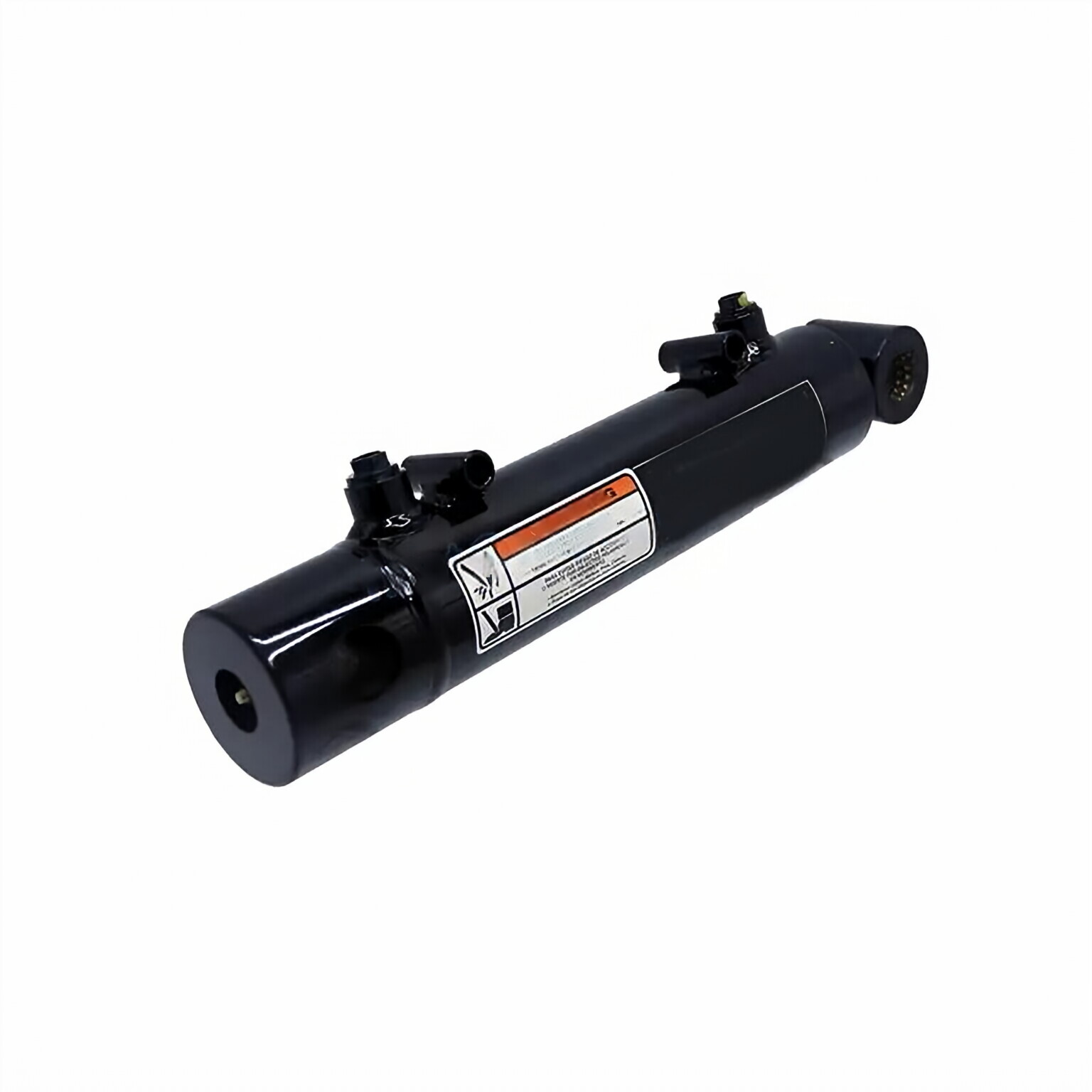
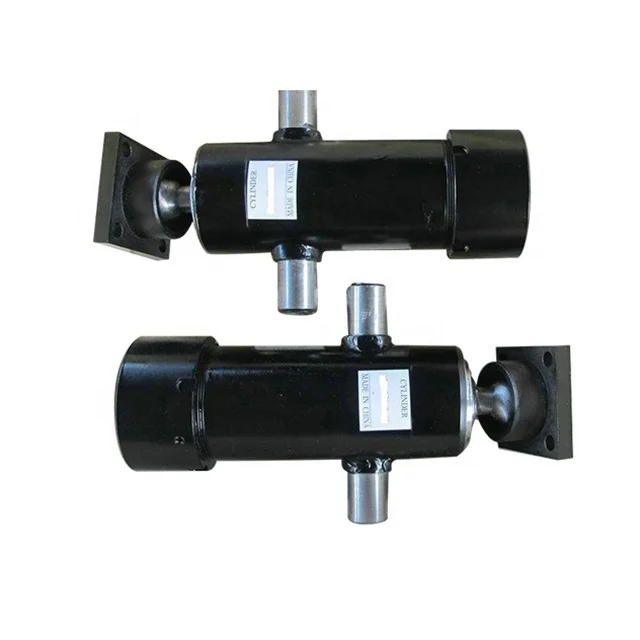
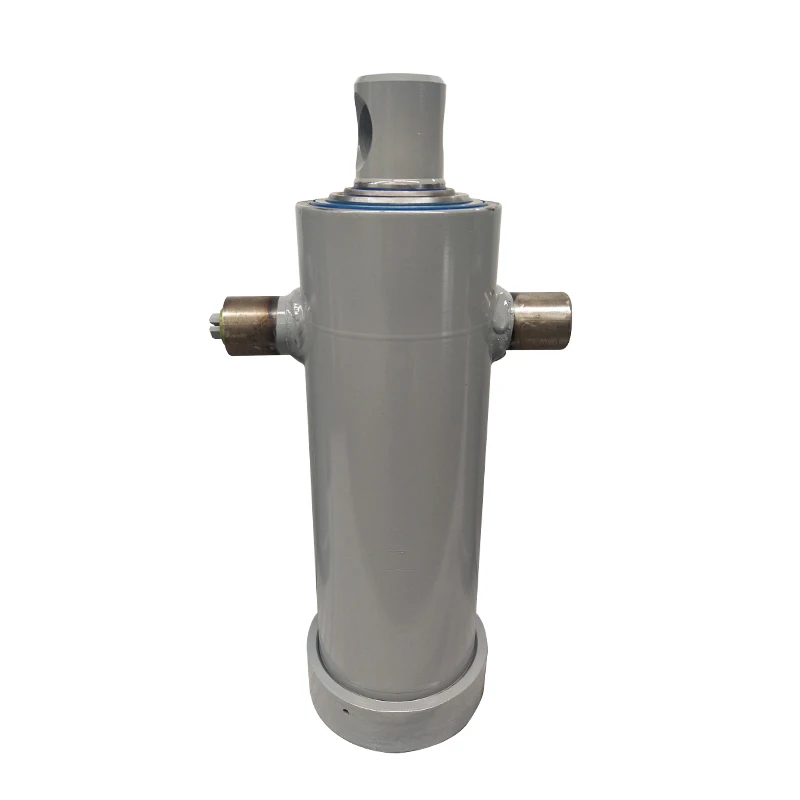
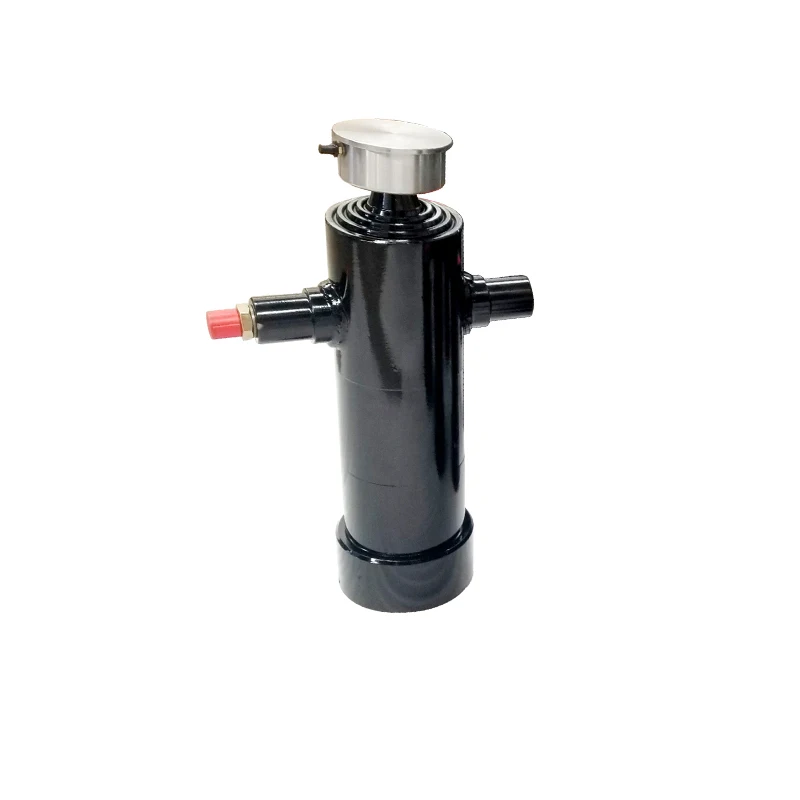
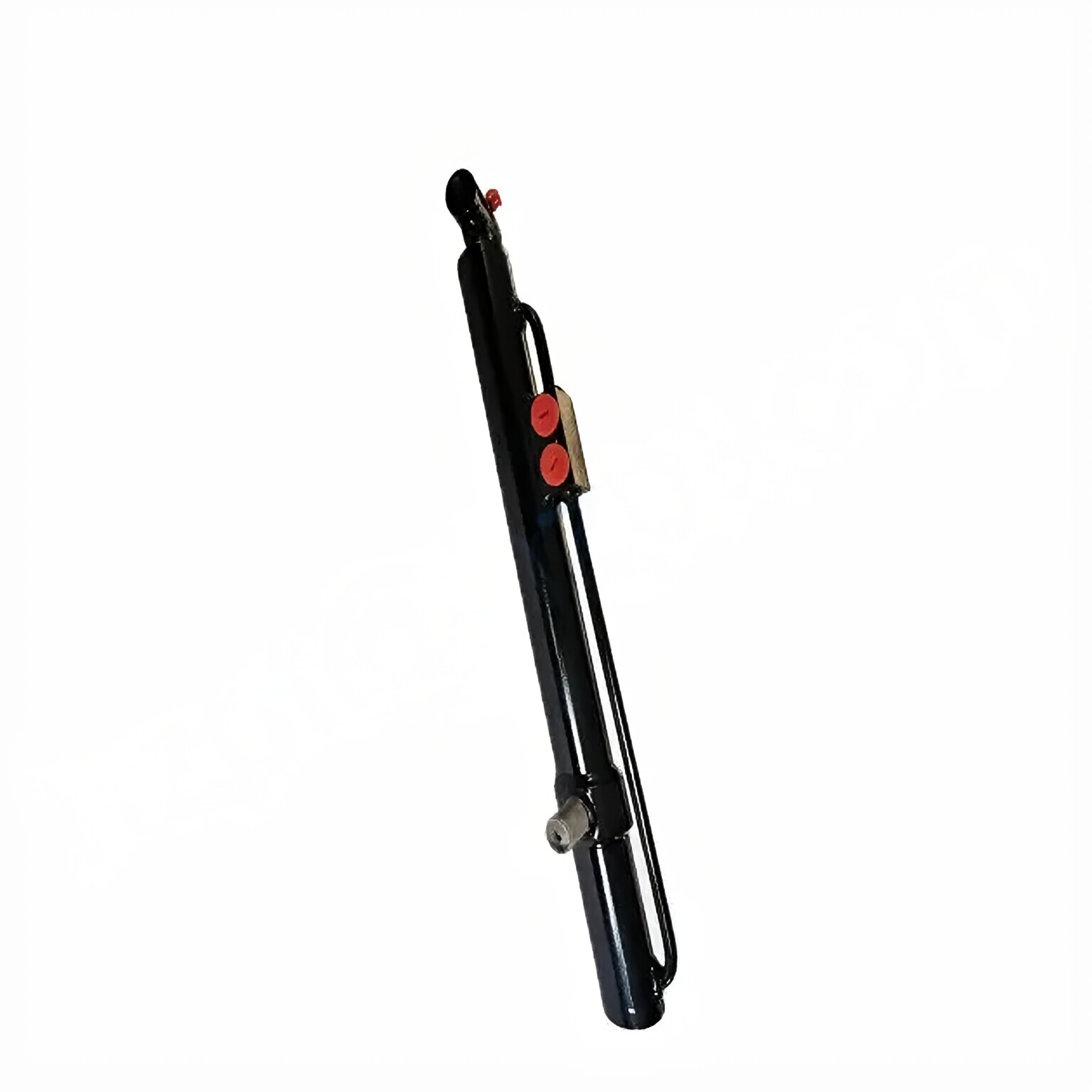
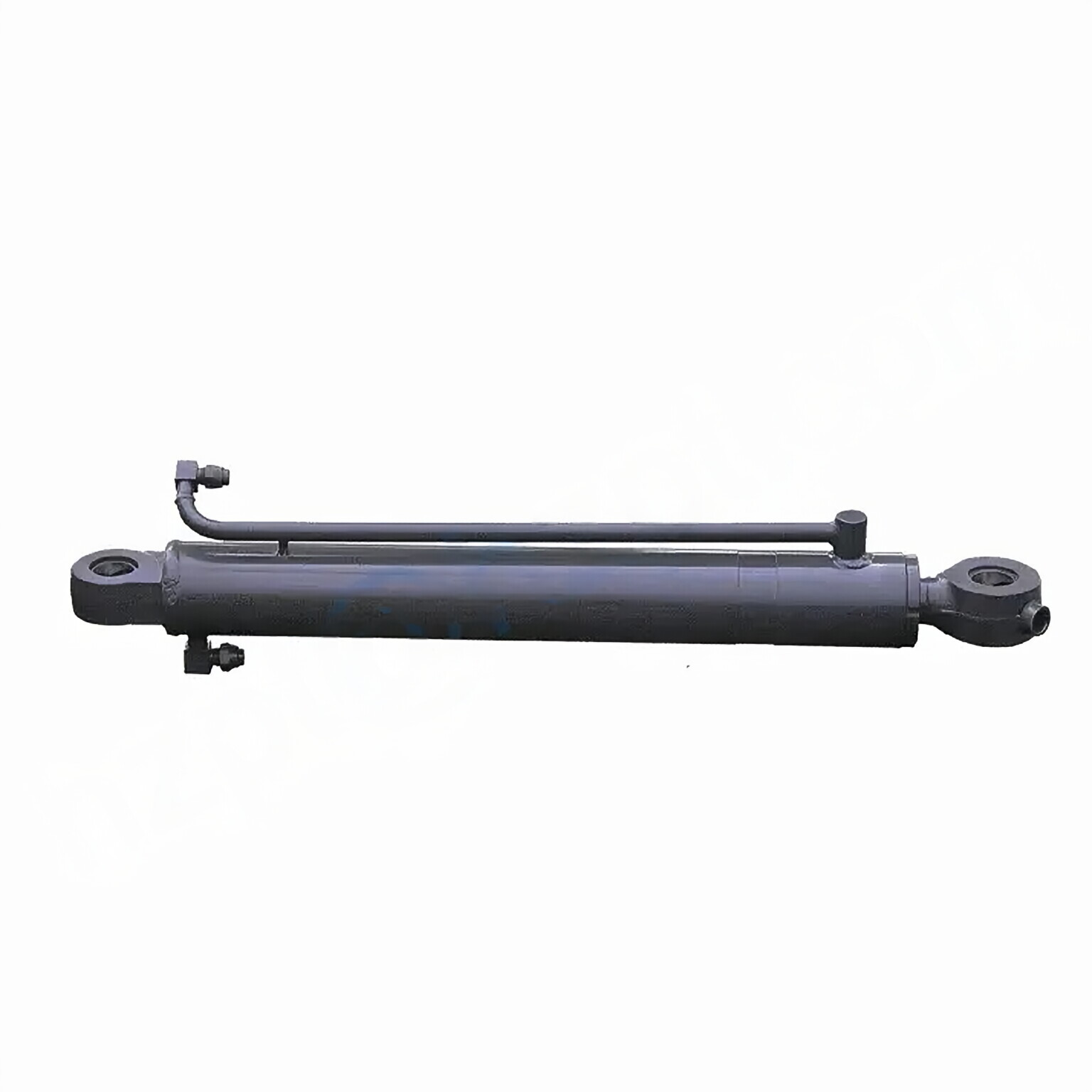
The heart of any reliable dumping operation lies in its hydraulic system, and at the core of that system are the cylinders. Dump truck & trailer hydraulic cylinders are critical components responsible for converting hydraulic fluid power into the immense linear force needed to lift and lower heavy loads safely and efficiently. Choosing the right cylinder is not just a purchase; it's an investment in uptime, safety, and operational profitability. This guide delves into the technical specifications, design considerations, and maintenance essentials of these powerhouse components, highlighting the precision engineering behind Raydafon Group's industry-leading solutions.
Understanding the specifications of a hydraulic cylinder is paramount to ensuring compatibility and performance. Below are the critical parameters that define our cylinders at Raydafon Group.
| Component | Material | Specification / Treatment | Benefit |
|---|---|---|---|
| Cylinder Barrel | High-Tensile Steel Tube | Precision honed to a 4-8 Ra micro-finish | Maximizes seal life, minimizes internal friction, and withstands high pressure. |
| Piston Rod | Chrome-Plated Alloy Steel | Hard chrome plating (0.05-0.10mm thick) over induction-hardened core | Exceptional resistance to corrosion, abrasion, and scoring from environmental contaminants. |
| Piston | Cast/Ductile Iron or Steel | Fitted with premium polyurethane or composite seals | Provides superior pressure containment and leak-free performance across temperature ranges. |
| End Caps | Forged Steel | Machined to precise tolerances and welded with full penetration welds | Ensures structural integrity and contains peak system pressures safely. |
| Seals & Wear Bands | Polyurethane, Nitrile, Teflon | Manufacturer-approved, temperature-rated (-40°F to +250°F) | Delivers long service life, low friction, and compatibility with standard hydraulic fluids. |
Raydafon Group cylinders are engineered for the most demanding environments. Our process begins with finite element analysis (FEA) to simulate stress points, ensuring every cylinder is built not just to meet, but to exceed standard duty cycles. We utilize robotic welding for consistency, followed by rigorous pressure testing at 150% of rated working pressure. Each cylinder is assembled in a clean-room environment to prevent contamination, and every piston rod is inspected for micro-cracks using magnetic particle inspection. This commitment to controlled manufacturing results in a dump truck & trailer hydraulic cylinder that delivers reliable performance season after season.
Q: How do I determine the correct bore and stroke size for my dump truck or trailer?
A: Selecting the correct size requires knowing your vehicle's gross vehicle weight rating (GVWR), the weight distribution on the dump body, the desired dump angle (typically 45-50 degrees), and the physical space available for cylinder installation. The bore size determines the lifting force (Force = Pressure x Area), while the stroke length must be sufficient to achieve the full dump angle. It is highly recommended to consult with Raydafon Group's application engineers, who can calculate the optimal specifications based on your exact equipment model and load requirements.
Q: What are the most common causes of hydraulic cylinder failure in dumping applications?
A: The primary causes are external fluid leakage from worn rod seals, internal leakage across the piston seals leading to "drift" or inability to hold load, bent or scored piston rods from misalignment or side-loading, and contamination of the hydraulic fluid. Contamination, often from dirt or moisture ingress, is a leading cause of seal and component wear. Regular maintenance, including fluid analysis and seal inspection, is crucial for prevention.
Q: Can I repair a leaking dump cylinder, or must I replace it entirely?
A: Most dump truck & trailer hydraulic cylinders are designed to be repairable. A leak at the rod seal or gland is typically a repairable condition requiring a seal kit and proper disassembly/assembly tools. However, if the cylinder barrel is deeply scored, the piston rod is chroming is damaged or bent, or the tube is cracked, a more extensive rebuild or replacement may be necessary. Raydafon Group offers comprehensive repair services and factory-authorized seal kits to restore original performance.
Q: What is the difference between a single-acting and double-acting cylinder for dump trailers?
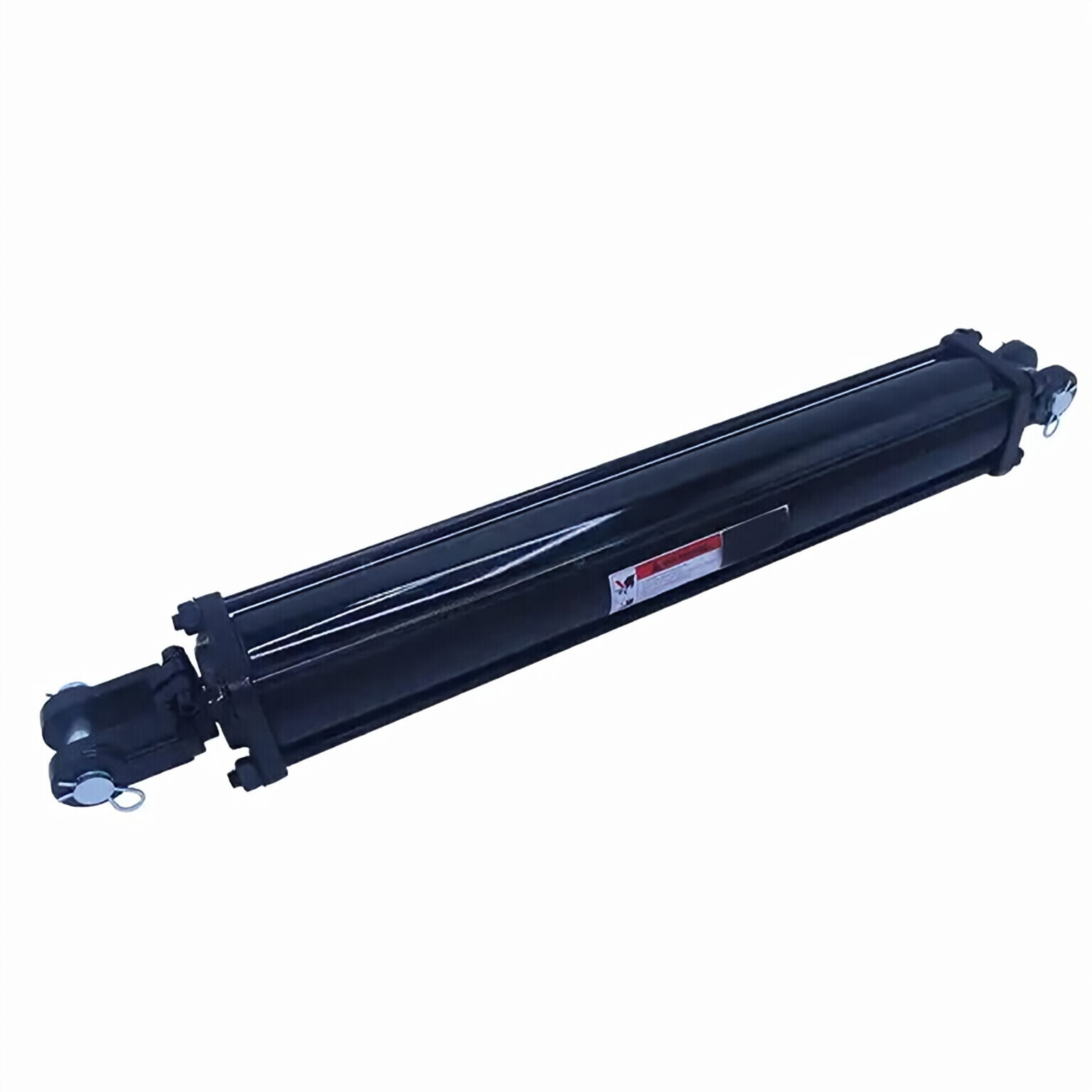
A: A single-acting cylinder is pressurized on one side (the cap end) to extend and lift the load. Gravity (the weight of the dump body) retracts the cylinder when fluid is released. A double-acting cylinder uses hydraulic pressure to both extend AND retract the rod, providing positive control in both directions. Dump trucks almost exclusively use single-acting telescopic cylinders. Dump trailers may use either, but double-acting cylinders offer more controlled lowering, which can be safer, especially on uneven ground.
Q: How often should hydraulic cylinders be serviced?
A: There is no universal interval, as service life depends on operating hours, load cycles, and environmental conditions. A best-practice schedule includes a visual inspection for leaks and rod damage during every pre-trip check. A more thorough inspection of mounting hardware, seals, and rod condition should be performed at least semi-annually or every 1,000 operating hours. Annual hydraulic fluid analysis can predict internal wear before it causes failure. Following the OEM and Raydafon Group's recommended maintenance guidelines is key.
Q: Why does my new cylinder have a "break-in" period where it may seem to use slightly more fluid?
A: This is normal. New seals, especially premium ones like those used by Raydafon Group, have microscopic machining lines on metal components and need a short period to seat perfectly. During the initial 50-100 cycles, the seals conform to the surface finish of the barrel and rod. A slight initial fluid consumption may occur as the system fills all internal clearances. This stabilizes quickly, leading to leak-free operation.
Q: Are Raydafon Group cylinders compatible with all types of hydraulic fluid?
A: Raydafon Group seals are formulated to be compatible with standard petroleum-based hydraulic fluids (mineral oils), most common synthetic fluids, and bio-degradable fluids. However, it is critical to specify your fluid type when ordering. For specialty fluids like water-glycol or high-water-content fluids (HFA, HFB), specific seal compounds may be required. Always consult our technical datasheets or support team to ensure seal fluid compatibility for your specific application.

 Raydafon