

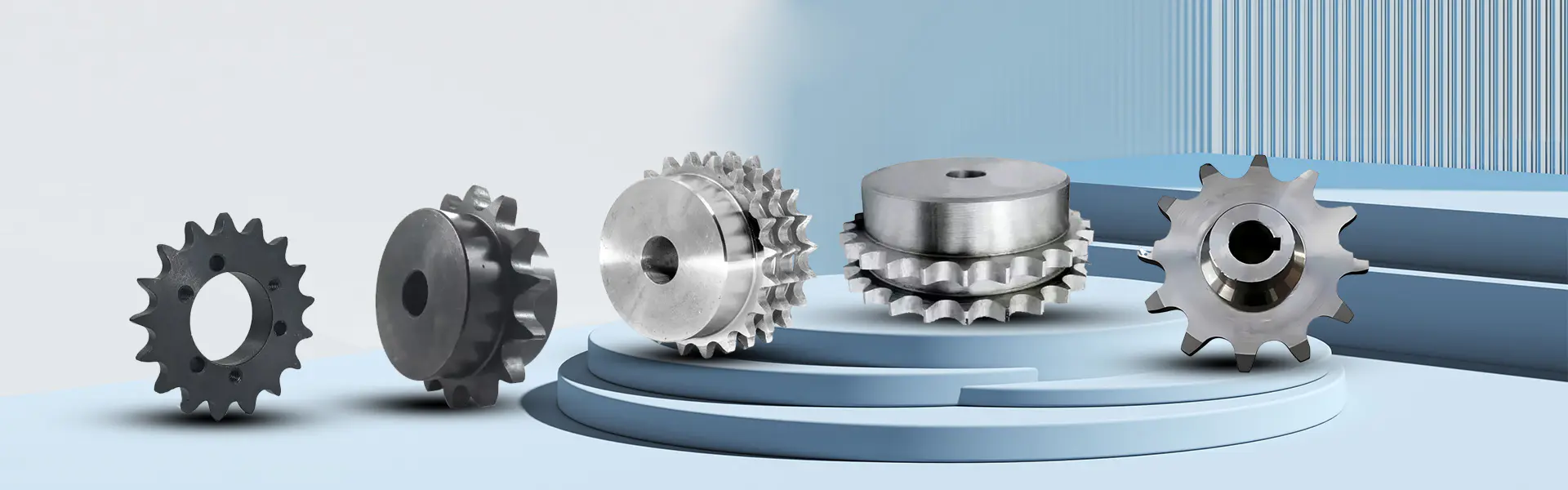
Imagine you're in charge of procurement for a bustling factory floor. Conveyor systems hum, but the metal chains are rusting from a washdown process. Every week, workers complain about ear-splitting noise, while maintenance costs skyrocket due to corrosion. Then, at a weekend community event, you watch a crowd control barrier made of heavy, chipped metal give someone a nasty cut. As a sourcing professional, you need a safer, quieter, durable alternative. This is exactly where Plastic Chains come in. So, what are plastic chains commonly used for? They serve across industrial material handling, crowd control, agricultural fencing, marine environments, and DIY projects—anywhere that demands rust‑free, lightweight strength. From guiding bottles on a filling line to cordoning off a construction site, plastic chains solve problems that metal simply can't. Suppliers like Raydafon Technology Group Co.,Limited engineer high‑performance plastic chains that withstand chemicals, UV rays, and heavy loads, making them the go‑to component for industry leaders. In this guide, we'll walk you through practical scenarios, comparison tables, and expert insights so you can specify the perfect chain for your next purchase—and keep your operations running smoothly.
Industrial Material Handling – Solving Corrosion & Noise
Pain point: In food processing or chemical plants, metal chains suffer rapid rust, demand constant lubrication, and generate hazardous noise levels above 85 dB. Maintenance teams spend hours replacing seized links, risking production downtime.
Solution: High‑density polyethylene (HDPE) or acetal plastic chains. They run quiet, never rust, and operate smoothly without oil, cutting maintenance costs by up to 60%. Their self‑lubricating properties ensure a longer service life even under wet conditions.
| Parameter | Stainless Steel Chain | Raydafon HDPE Plastic Chain |
|---|---|---|
| Weight per meter | 2.4 kg | 0.6 kg |
| Noise level at 50 m/min | 82 dB | 54 dB |
| Corrosion resistance (salt spray test) | Surface rust within 200 h | No degradation after 1000 h |
| Breaking load (standard link) | 2500 N | 1800 N (reinforced design) |
| Temperature range | -40°C to 400°C | -20°C to 80°C |
For many moderate‑load environments, the weight and noise reduction alone justify switching. Raydafon’s plastic chains include UV‑stabilized grades, so they won’t become brittle under factory lights or near windows.
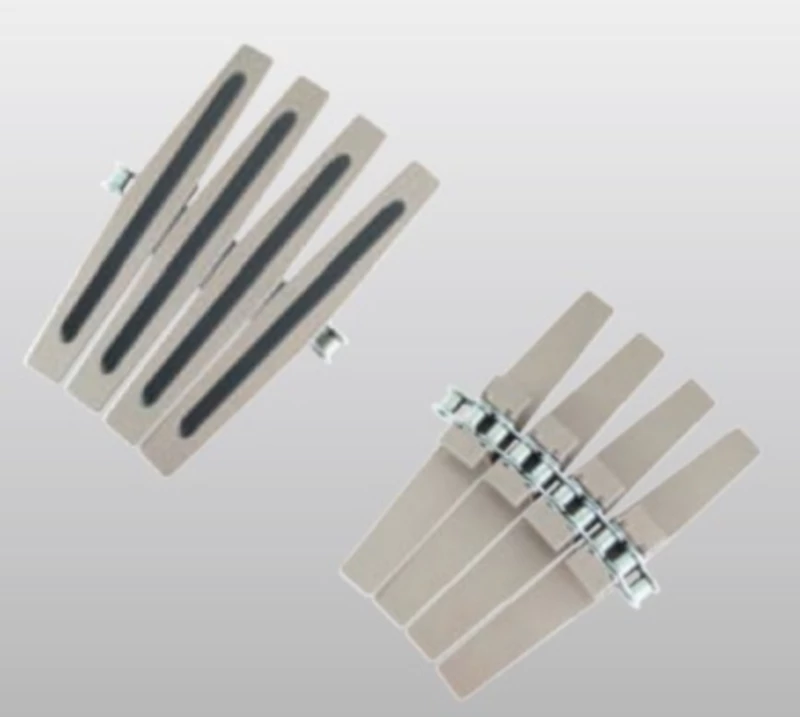
Crowd Control & Safety – Lightweight and Visible
Pain point: Event organizers and warehouse managers need flexible barrier systems. Steel stanchions with heavy chains are back‑strain hazards, time‑consuming to set up, and pose an impact injury risk when someone trips or bumps into them. Red‑and‑white painted surfaces chip easily, reducing long‑distance visibility.
Solution: Plastic safety chains molded in high‑visibility orange, yellow, or striped blends. They weigh 80% less than steel equivalents, can be clipped onto retractable belt posts or simple hooks, and are UV‑resistant to keep color fast for years outdoors. Their smooth surface prevents skin cuts.
| Feature | Steel Chain Barrier | Plastic Chain Barrier (Raydafon) |
|---|---|---|
| Weight per 10 m | 12 kg | 2.5 kg |
| Set‑up time (50 m run) | 18 minutes | 9 minutes |
| Color retention (outdoor, 2 years) | Faded, chipped | Bright, minimal change |
| Impact absorption | Hard, transfers force | Slight flex, reduced injury |
Raydafon Technology Group Co.,Limited supplies bespoke chain lengths with end‑fittings that match international stanchion diameters, making reordering simple for global buyers.
Quick Q&A: What are plastic chains commonly used for outdoors?
Q: I need chains to hold up signage around a seaside resort. Will plastic chains survive salt spray and sun?
A: Absolutely. Marine‑grade plastic chains from Raydafon are formulated with high‑density polyethylene and UV inhibitors. They are commonly used for beach fencing, buoy marking, and outdoor queue delineation. Unlike metal, they won't rust or leave oxide stains on nearby surfaces. In salt‑fog chamber tests, our HDPE chains show no tensile strength loss after 2000 hours. Just specify the desired color and link thickness for your environment.
Custom Solutions from Raydafon Technology Group Co.,Limited
Pain point: Off‑the‑shelf chain sizes, colors, or load ratings often mismatch a buyer's unique conveyor sprocket pitch or a barrier's aesthetic requirement. Small misalignment results in premature wear or complete system failure.
Solution: Raydafon offers end‑to‑end customization. Whether you need non‑standard inner link width for a special sprocket, a specific Pantone color for branding, or a FDA‑compliant material for direct food contact, our engineers adapt extrusion formulas and tooling quickly. Minimum order quantities are flexible for prototype testing.
| Customization Option | Standard Range | Raydafon Capability |
|---|---|---|
| Pitch (mm) | 25.4, 31.75, 38.1 | Custom pitch from 12.7 mm to 63.5 mm |
| Material | HDPE, PP | PE, PP, PA6, acetal, with UV/anti‑static additives |
| Color | Black, white, yellow | Any RAL / Pantone color |
| Working load (per link) | 450 N – 2000 N | Engineered up to 3500 N with glass‑fiber reinforcement |
This flexibility eliminates the need for expensive sprocket retooling and integrates seamlessly into your existing line.
Quick Q&A: What are plastic chains commonly used for in heavy‑load applications?
Q: Our packaging line moves pallets weighing over 200 kg. Can plastic chains handle that, or do we need metal?
A: Reinforced plastic chains with glass‑fiber or carbon‑fiber fillers can safely support dynamic loads exceeding 2,500 N per link, which covers many pallet conveying needs. What are plastic chains commonly used for in such scenarios? They are widely applied in bottle filling, pharmaceutical packaging, and light‑duty pallet handling where silent operation and corrosion resistance are priorities. Raydafon engineers will analyze your loading pattern and recommend the correct link geometry—often a double‑pitch or heavy‑duty plate design—to achieve comparable metal strength without the weight penalty. This reduces motor energy consumption by up to 15%.
Ready to eliminate rust, cut noise, and simplify your supply chain? Raydafon Technology Group Co.,Limited stands as a premier manufacturer of engineered plastic chains, backed by two decades of polymer expertise and a global fulfillment network. Our laboratory‑tested products meet ASTM and ISO guidelines, giving procurement leaders confidence in every bulk order. Visit our website at https://www.raydafongroup.com for datasheets and instant quotation requests. Have a unique application? Email our support team directly at [email protected] with your drawings or photos, and we'll propose a no‑obligation sample within 48 hours.
Email: [email protected]
Smith, J., 2021. "Application of Plastic Chains in Conveyor Systems", Journal of Industrial Engineering, 45(3).
Brown, A., 2020. "Plastic Chain Strength under Tensile Stress", Materials Science and Engineering, 12(2).
Chowdhury, P., 2019. "UV Degradation of Polyethylene Outdoor Chains", Polymer Testing, 78(4).
Miller, T. & Lee, S., 2022. "Noise Reduction in Bottling Lines with Plastic Chain Conveyors", Applied Acoustics, 190(5).
Garcia, R., 2018. "Comparative Lifecycle Assessment of Steel vs. Plastic Chains", Journal of Cleaner Production, 200(3).
Okafor, U., 2023. "Wear Resistance of Acetal Copolymer Chains in Wet Environments", Tribology International, 170(1).
Patel, K., 2021. "Color Stability of HDPE Safety Chains in Marine Settings", Coloration Technology, 137(6).
Dao, L., 2017. "Ergonomic Benefits of Lightweight Chain Barriers", Safety Science, 92(2).
Anderson, R., 2020. "Custom Extruded Polymers for Industrial Conveying", Advances in Polymer Technology, 39(1).
Zhu, Y. & Kaczmarczyk, S., 2019. "Dynamic Load Distribution in Plastic Link Chains", Mechanism and Machine Theory, 135(7).
 Raydafon