
In the world of power transmission, efficiency, reliability, and durability are paramount. Among the various coupling solutions available, jaw couplings stand out as a premier choice for countless industrial applications. For over four decades, Raydafon Group has been at the forefront of engineering and manufacturing high-performance jaw couplings, setting industry standards for quality and innovation. This guide delves deep into the mechanics, benefits, specifications, and common queries surrounding these essential components.
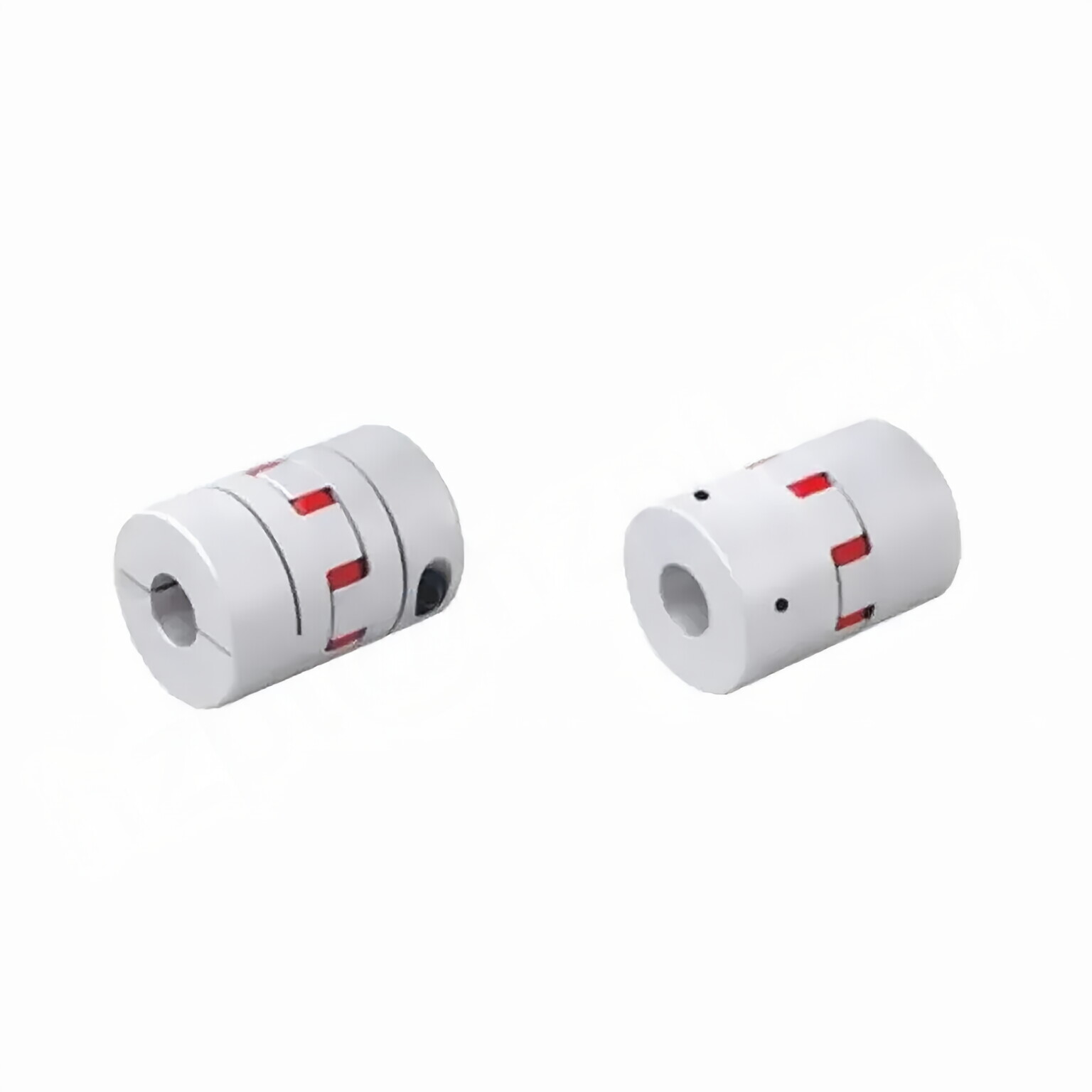
A jaw coupling is a mechanical device used to connect two rotating shafts, transmitting torque while accommodating for minor misalignments and dampening vibration. Its robust and simple design consists of two metal hubs (often aluminum or steel) with interlocking jaws and an elastomeric spider insert placed between them. This spider, typically made of materials like urethane, Hytrel, or NBR, absorbs shock, compensates for misalignment, and provides electrical insulation.
Raydafon Group's jaw couplings are engineered for superior performance in demanding environments, from food processing and packaging to pulp and paper, robotics, and conveyor systems.
Raydafon Group offers a comprehensive range of jaw couplings, designed to meet diverse torque, speed, and environmental requirements. Our product line is characterized by precision machining, high-grade materials, and rigorous testing.
| Component | Standard Material | Alternative Options | Key Property |
|---|---|---|---|
| Hubs | Cast Iron, Aluminum | Stainless Steel (AISI 304/316), Steel | High strength, corrosion resistance |
| Spider (Elastomer Insert) | Urethane (92A Shore Hardness) | Hytrel, NBR (Nitrile), Bronze-Filled | Flexibility, oil/chemical resistance, high-temp stability |
| Fasteners | Grade 8.8 Steel | Stainless Steel | Secure clamping, corrosion resistance |
| Model Number | Bore Range (mm) | Max Torque (Nm) | Max RPM | Max Parallel Misalignment (mm) | Max Angular Misalignment (deg) | Standard Spider |
|---|---|---|---|---|---|---|
| RJC-05 | 6 - 14 | 5.2 | 12,000 | 0.25 | 1.0 | Urethane (Black) |
| RJC-10 | 9 - 25 | 24 | 10,000 | 0.38 | 1.0 | Urethane (Black) |
| RJC-20 | 14 - 38 | 80 | 8,500 | 0.51 | 1.0 | Urethane (Black) / Hytrel (Blue) |
| RJC-40 | 20 - 55 | 250 | 6,500 | 0.64 | 0.5 | Hytrel (Blue) / NBR (Green) |
| RJC-70 | 30 - 75 | 600 | 5,500 | 0.76 | 0.5 | NBR (Green) / Bronze-Filled |
Note: Specifications are for reference. Consult Raydafon Group's full engineering catalog for complete data, including inertia values, temperature ranges, and chemical compatibility charts.
The spider is the heart of the jaw coupling. Raydafon Group provides multiple elastomer options to suit specific operational conditions.
Q: How do I properly size a jaw coupling for my application?
A: Proper sizing involves calculating several key parameters. You need to determine the required torque (including service factors for shock loads), the operational speed (RPM), the shaft sizes of both driver and driven equipment, and the type and degree of expected misalignment. Using Raydafon Group's selection software or consulting our engineering team is highly recommended to ensure you choose a coupling with adequate torque capacity and bore size, preventing premature failure.
Q: What are the signs that my jaw coupling spider needs replacement?
A: Regular visual inspection is crucial. Key signs of spider wear or failure include visible cracking, chunking, or permanent deformation of the elastomer; increased vibration or noise from the drive train; evidence of the spider extruding from between the jaws; or noticeable backlash when the system is manually rocked. Proactive replacement of worn spiders prevents damage to the metal hubs and connected machinery.
Q: Can jaw couplings handle high-precision servo applications?
A: Yes, specifically designed zero-backlash jaw couplings are excellent for servo applications. Raydafon Group offers precision jaw couplings with specialized spiders and tighter manufacturing tolerances that eliminate rotational play. They provide excellent torsional stiffness, accurate positioning, and vibration dampening, making them suitable for robotics, CNC equipment, and other high-precision motion systems.
Q: What is the difference between a jaw coupling and a gear coupling?
A: While both transmit torque, they differ significantly. Jaw couplings use an elastomeric spider for flexibility, damping, and misalignment compensation; they are lubrication-free and handle lower torque ranges with excellent vibration isolation. Gear couplings use meshing metal teeth; they handle very high torque and accommodate greater misalignment but require periodic lubrication, can generate more noise, and do not dampen vibration.
Q: How does temperature affect the performance of the elastomeric spider?
A: Temperature has a direct impact. Cold temperatures can make standard urethane spiders stiffen, reducing their ability to flex and absorb misalignment. High temperatures can cause the elastomer to soften, lose its shape, or degrade chemically. Raydafon Group provides material charts detailing the operational temperature range for each spider type (e.g., Hytrel for colder environments, bronze-filled for hotter ones) to ensure optimal performance.
Q: Why should I choose Raydafon Group jaw couplings over other brands?
A: Raydafon Group combines four decades of engineering expertise with state-of-the-art manufacturing. Our couplings are distinguished by: precision-balanced hubs for smooth high-speed operation; a wide selection of premium-grade, long-life elastomers for every environment; comprehensive technical support and sizing assistance; and a global supply chain ensuring reliable delivery. We focus on total cost of ownership, delivering durability that reduces downtime and maintenance costs.
Q: Is it possible to get custom jaw couplings for a unique application?
A: Absolutely. Raydafon Group's engineering department specializes in custom solutions. We can manufacture couplings with special bore sizes, keyways, or blind bore configurations; use exotic materials like marine-grade stainless steel; create spacer-style couplings for pump applications; or develop custom elastomer compounds for unique chemical or temperature exposures. Contact our technical sales team to discuss your specific requirements.
Correct installation is critical for performance and longevity. Ensure shafts are clean and free of burrs. Align the connected equipment as precisely as possible within the coupling's rated capacity—even though jaw couplings compensate for misalignment, better initial alignment extends spider life. Use proper tools to tighten set screws or clamp screws to the recommended torque values specified in Raydafon Group's installation manual. Avoid hammering the coupling onto the shaft. For maintenance, establish a regular inspection schedule to check for spider wear, loose fasteners, and signs of corrosion.

 Raydafon