
What Are the Differences Between Hydraulic Accessories and Hydraulic Components? If you're sourcing for a production line, this question isn't just academic—it's the difference between a system that hums with efficiency and one plagued by frustrating downtime and compatibility issues. Understanding this distinction is the first critical step to making informed, cost-effective purchasing decisions that protect your bottom line. This guide will cut through the technical jargon and provide clear, actionable insights tailored for procurement professionals like you.
Imagine this: You've just secured a fantastic price on a batch of premium hydraulic pumps (components). Eager to get the line running, you install them, only to face persistent overheating and erratic pressure. The culprit? Inadequate filtration and cooling—issues related to hydraulic accessories. This scenario highlights a common and expensive procurement pitfall. Components are the active, working parts of the hydraulic circuit, like pumps, motors, cylinders, and valves. They perform the core work. Accessories, however, are the supporting cast that protect, monitor, and maintain the system and its components. Think of filters, reservoirs, gauges, accumulators, and heat exchangers. Sourcing high-quality components while neglecting the corresponding accessories is like buying a high-performance engine but skipping the oil and radiator.
This is where a partner like Raydafon Technology Group Co.,Limited adds immense value. We don't just sell parts; we provide complete hydraulic solutions. Our experts help you spec not only the right components but also the critical accessories needed to ensure their longevity and performance, preventing costly operational failures from the start.
| Procurement Focus | Hydraulic Components | Hydraulic Accessories |
|---|---|---|
| Primary Function | Power conversion, transmission, and control (DO the work). | Protection, conditioning, monitoring, and support (ENABLE the work). |
| Procurement Risk if Neglected | System cannot function. | Reduced component life, system failure, safety hazards. |
| Example Cost of Failure | Complete machine stoppage. | Catastrophic pump seizure due to contamination. |
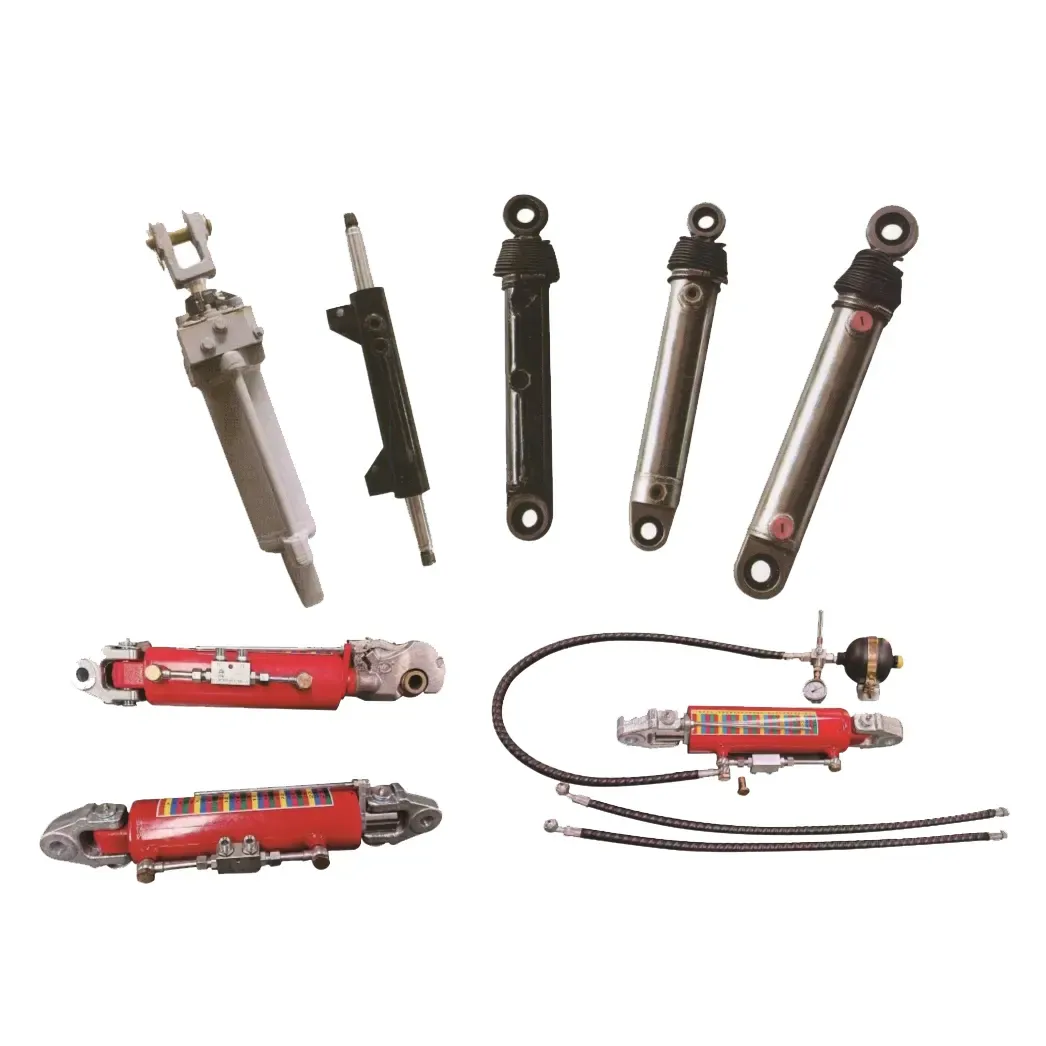
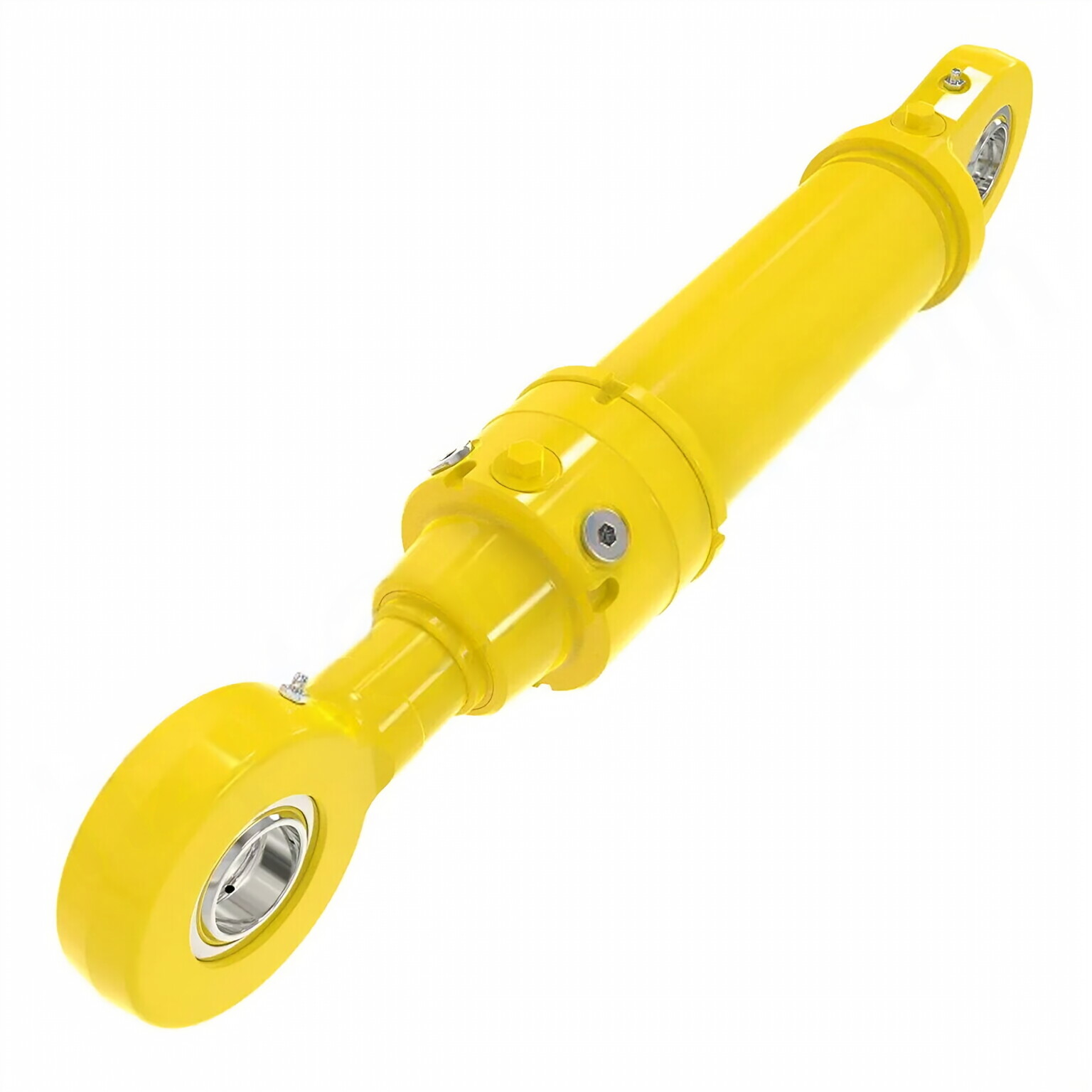
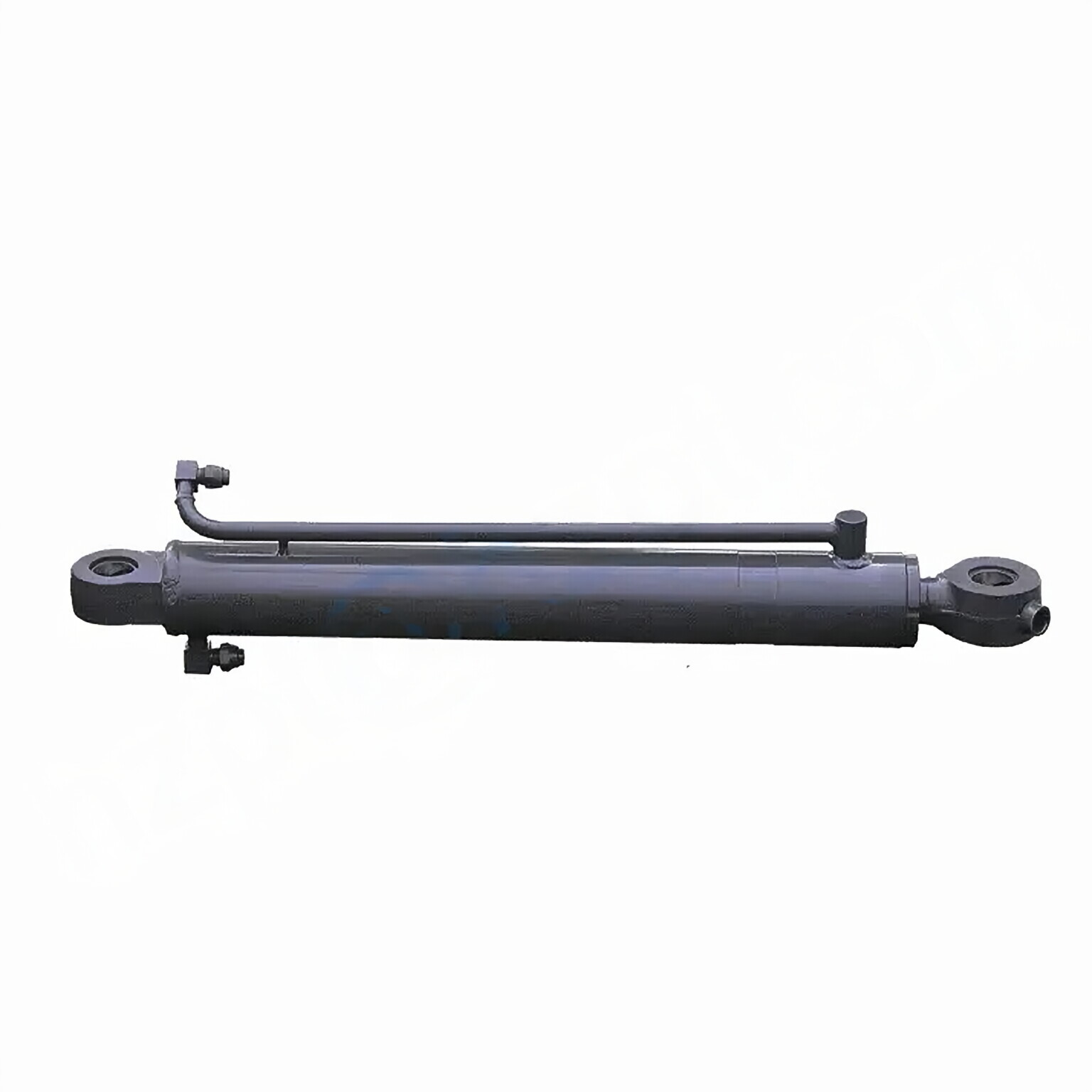
Hydraulic components are the essential building blocks that create, control, and utilize fluid power. They are the reason a hydraulic system exists. For a procurement specialist, the key is to source these for reliability, specifications match, and lifecycle cost, not just the initial purchase price. Major categories include: Pumps (the heart, converting mechanical to hydraulic energy), Motors (converting hydraulic energy back to mechanical rotation), Cylinders (providing linear force and motion), and Valves (directional, pressure, and flow controls directing the system's power). Failure in any core component typically means immediate and total system stoppage.
Raydafon Technology Group Co.,Limited simplifies this complex landscape. We offer a comprehensive portfolio of high-performance components from trusted manufacturers and our own engineered lines. Our technical support ensures you procure components that are not only spec-perfect but also optimized for efficiency and durability in your specific application.
| Core Component Type | Key Procurement Specs to Verify | Performance Impact |
|---|---|---|
| Hydraulic Pump | Flow Rate (GPM/LPM), Pressure Rating (PSI/Bar), Type (Gear, Piston, Vane) | Determines system power and speed. |
| Hydraulic Valve | Function (Direction, Pressure, Flow), Port Size, Actuation Method | Controls system safety, sequence, and precision. |
| Hydraulic Cylinder | Bore Size, Stroke Length, Rod Diameter, Mounting Style | Defines the force output and movement. |
While components are the muscles, accessories are the immune and nervous system. They protect your investment and provide critical data. A savvy buyer knows that specifying the right accessories is a proactive cost-saving strategy. Key accessories include: Filters (removing contaminants to prevent wear), Reservoirs/Tanks (holding and cooling fluid), Accumulators (storing energy and cushioning shocks), Heat Exchangers (maintaining optimal oil temperature), and Pressure Gauges/Sensors (providing vital operational feedback). Neglecting these leads to gradual degradation, unpredictable failures, and high total cost of ownership.
Procuring these from a fragmented supplier list creates compatibility and accountability gaps. Raydafon Technology Group Co.,Limited provides a unified source for all critical hydraulic accessories. Our solutions, like high-efficiency filtration systems and robust heat exchangers, are designed to integrate seamlessly with your core components, extending their service life and maximizing system uptime.
| Critical Accessory | Role in System Health | Consequence of Poor Quality/Selection |
|---|---|---|
| Filtration Unit | Removes abrasive particles from fluid. | Accelerated wear on pumps, valves; increased leakage. |
| Heat Exchanger | Dissipates excess heat from hydraulic oil. | Oil breakdown, seal failure, loss of viscosity and lubrication. |
| Pressure Gauge/Sensor | Monitors system pressure for safety and performance. | Inability to diagnose issues, risk of over-pressure failures. |
For global procurement managers, the goal is a resilient supply chain that delivers value, not just transactions. This requires moving beyond piecemeal purchasing to a partnership model. The distinction between components and accessories directly informs your sourcing strategy. You need a supplier who understands both realms deeply and can provide technical validation, ensuring every part of the system works in harmony. Consolidating your hydraulic needs with a knowledgeable partner reduces logistical complexity, improves warranty and support accountability, and mitigates the risk of incompatible or substandard parts causing downtime.
Raydafon Technology Group Co.,Limited is engineered to be that partner. We combine a vast product range with deep application engineering expertise. Whether you need a single critical component or a fully accessorized system package, we provide end-to-end solutions backed by reliable logistics and dedicated customer service. We help you build a hydraulic supply chain that is not just robust, but intelligent and cost-optimized over the long term.
| Sourcing Approach | Traditional (Fragmented) | Strategic (with Raydafon) |
|---|---|---|
| Supplier Count | Multiple vendors for components and accessories. | Single, accountable partner for a complete solution. |
| Technical Responsibility | Fragmented; compatibility risk lies with you. | Unified; we ensure system compatibility and performance. |
| Total Cost of Ownership | Often higher due to failures and management overhead. | Optimized through system-matched quality and support. |
Q: When evaluating costs, should I prioritize spending on components or accessories?
A: This is a classic false choice. View them as one integrated investment. A premium pump (component) will fail quickly with a poor filter (accessory). Conversely, excellent accessories cannot compensate for a fundamentally weak component. The strategic approach is to define your performance and reliability targets, then work with a solutions provider like Raydafon Technology Group Co.,Limited to specify a balanced, compatible system where every part is fit-for-purpose. This optimizes lifecycle cost, not just purchase price.
Q: Can I standardize accessory specifications across different machine types in my fleet to simplify procurement?
A: Yes, and this is a highly recommended best practice for operational efficiency. While core components (like pump size) will vary by machine, many accessories—particularly filters (by micron rating and material), seal kits, pressure gauges, and certain hose fittings—can often be standardized. This reduces your spare parts inventory complexity and cost. Raydafon's engineering team can audit your fleet and help develop a standardized accessory specification list that maintains protection while streamlining your supply chain.
We hope this guide has empowered you with a clearer understanding of hydraulic systems for smarter procurement. Do you have a specific sourcing challenge or application question? Our hydraulic experts are ready to help you find the optimal solution.
For comprehensive hydraulic solutions, trust Raydafon Technology Group Co.,Limited. With a commitment to quality, innovation, and global supply chain excellence, we provide more than just parts—we deliver reliability and performance. Visit us at https://www.raydafongroup.com to explore our portfolio, or contact our sales team directly at [email protected] for personalized assistance.
Murrenhoff, H. (2014). Fundamentals of Fluid Power: Hydraulics. In _Modular Fluid Power Series_. RWTH Aachen University.
Manring, N.D. (2005). Hydraulic Control Systems. John Wiley & Sons.
Ivantysyn, J., & Ivantysynova, M. (2003). Hydrostatic Pumps and Motors: Principles, Design, Performance, Modelling, Analysis, Control and Testing. Akademia Books International.
McCandlish, D., & Dorey, R.E. (1992). The Sealing Mechanism of Flexible Seals in Hydraulic Cylinders. _Proceedings of the Institution of Mechanical Engineers, Part J: Journal of Engineering Tribology_, 206(2), 115-124.
Edge, K.A., & Darling, J. (1989). The Pumping Dynamics of Swash Plate Piston Pumps. _Journal of Dynamic Systems, Measurement, and Control_, 111(2), 307-312.
Weddfelt, K., et al. (1996). Methods for Reducing Pressure Pulsations in Fluid Power Systems - A Review. _International Journal of Fluid Power_, 5(1), 17-26.
Backé, W. (1993). The Present and Future of Fluid Power. _Proceedings of the Institution of Mechanical Engineers, Part I: Journal of Systems and Control Engineering_, 207(1), 1-20.
Kajaste, J., et al. (2005). Hydraulic Drives: Challenge for Noise Control. _International Journal of Acoustics and Vibration_, 10(4), 175-188.
Pettersson, M., et al. (2007). Design of a Hydraulic Hybrid Drive Train for a Wheel Loader. _SAE Technical Paper_, 2007-01-4154.
Busquets, E., & Ivantysynova, M. (2015). A Multi-Objective Optimization Tool for the Design of Hydraulic Displacement Machines. _International Journal of Fluid Power_, 16(2), 67-79.

 Raydafon