Hydraulic System: The Powerhouse of Modern Industry
In the landscape of modern industrial machinery, the core component that drives immense power with precision and reliability is the hydraulic system. As a technology that converts fluid energy into mechanical force and motion, it is the lifeblood of sectors ranging from construction and manufacturing to aerospace and agriculture. At Raydafon Group, we have dedicated decades to mastering this technology, engineering hydraulic systems that aren't just components, but comprehensive solutions for peak operational performance. Our systems are designed with an uncompromising focus on efficiency, durability, and seamless integration, ensuring your machinery operates at its absolute potential.
Understanding the fundamental components of a hydraulic system is key to appreciating its capabilities. Every system we engineer at Raydafon Group is built upon a synergy of critical parts:
* **Reservoir (Hydraulic Tank):** Acts as the fluid storage and conditioning unit. It allows for heat dissipation, separation of air, and settling of contaminants.
* **Hydraulic Pump:** The heart of the system. It converts mechanical energy into hydraulic energy by creating flow within the system. We utilize gear, vane, and piston pumps selected based on pressure and flow requirements.
* **Hydraulic Fluid:** The indispensable medium that transmits power. We specify high-quality fluids with precise viscosity, thermal stability, and anti-wear properties.
* **Valves:** The control center. These components direct and regulate the flow and pressure of the fluid.
* **Directional Control Valves:** Manage the path of fluid flow to actuators.
* **Pressure Control Valves:** Safeguard the system by limiting maximum pressure (relief valves) or setting pressure in specific branches.
* **Flow Control Valves:** Precisely regulate the speed of actuators by controlling the flow rate.
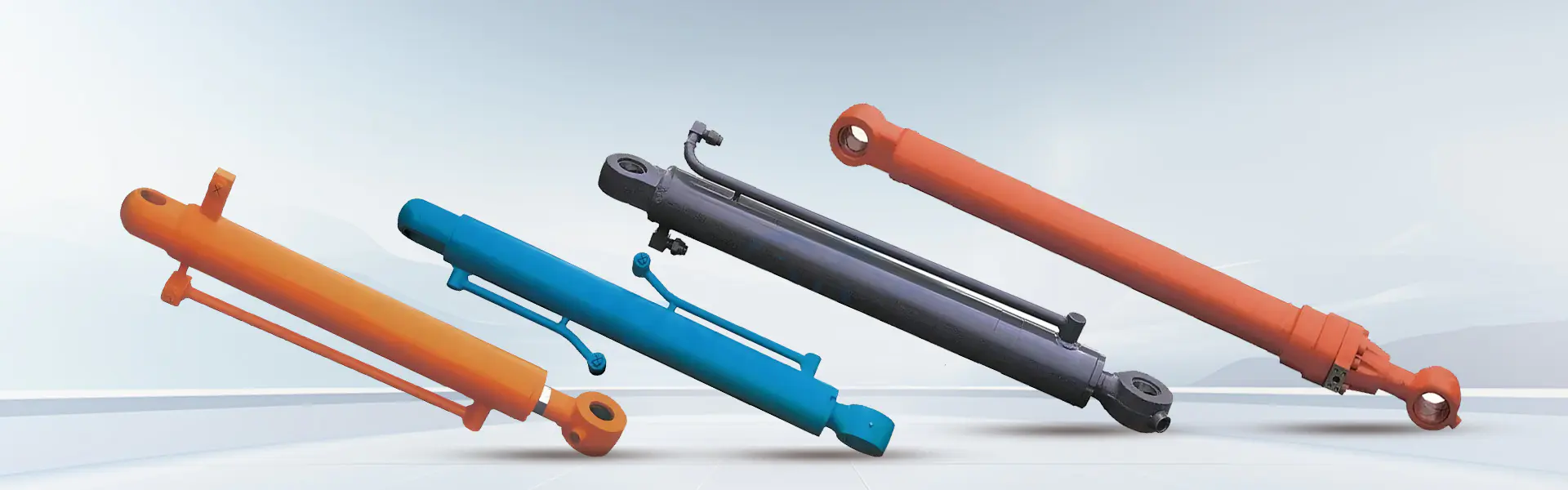
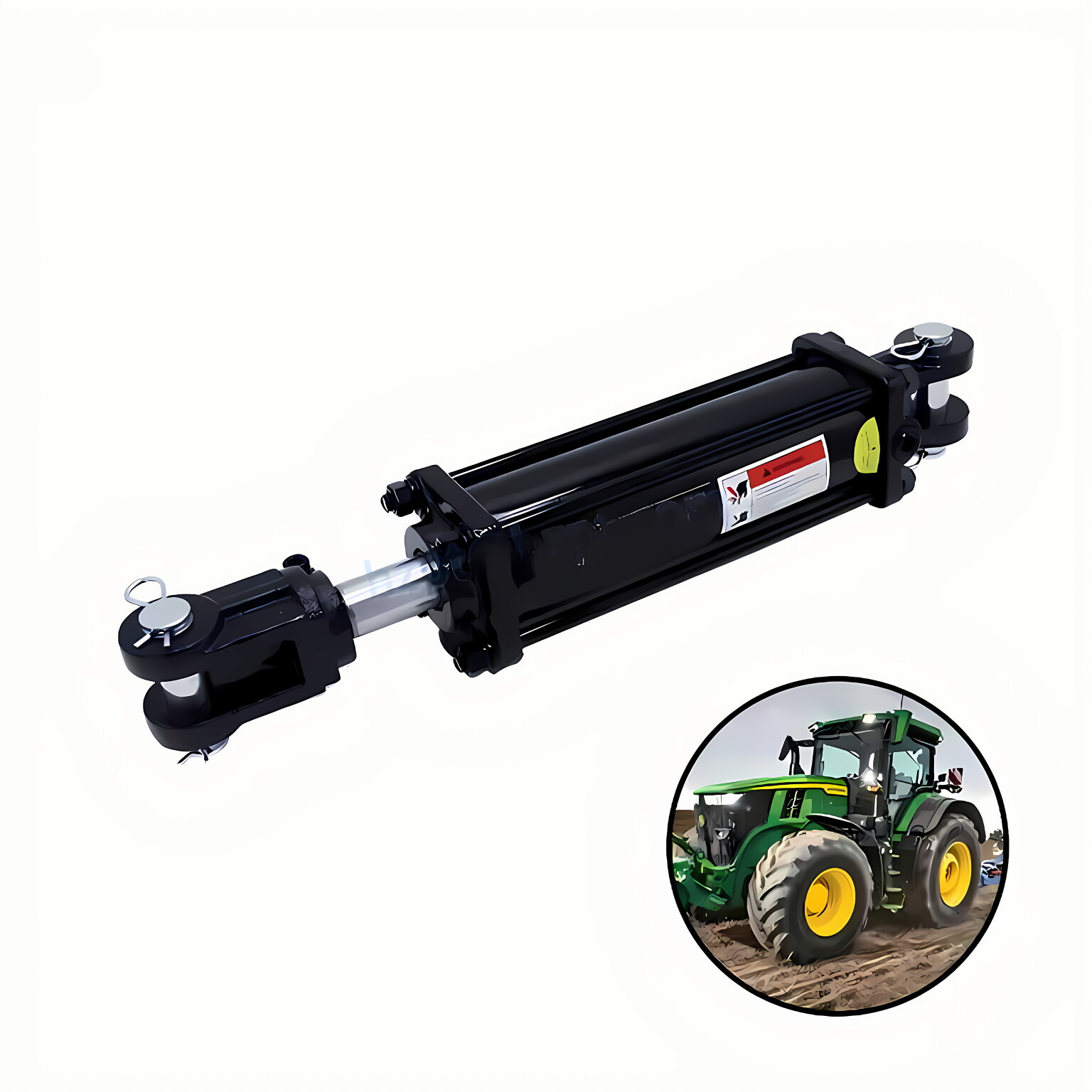
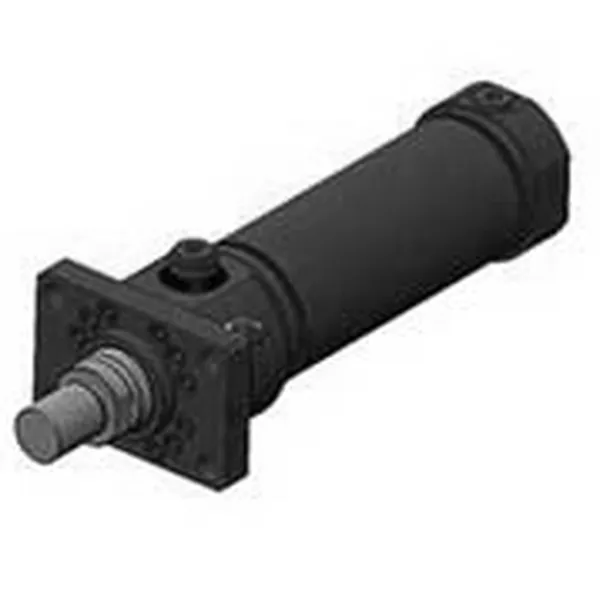
* **Actuators:** The output devices that perform the work. **Hydraulic Cylinders** provide linear motion, while **Hydraulic Motors** provide rotational motion.
* **Filters:** The protective element. They are crucial for maintaining fluid cleanliness, preventing component wear, and ensuring system longevity.
* **Accumulators:** Energy storage devices that can store pressurized fluid, absorb shock, supplement pump flow, and maintain pressure.
**Raydafon Group Hydraulic System: Core Technical Parameters**
To articulate the superior engineering of our systems, we present a detailed overview of our standard and high-performance hydraulic system specifications. These parameters are foundational to system selection and performance prediction.
**Standard Industrial Series (RHS-SI)**
| Parameter | Specification Range | Description & Benefit |
| :--- | :--- | :--- |
| **Maximum Operating Pressure** | Up to 350 Bar (5,000 PSI) | Provides substantial force for demanding industrial applications like presses and material handling. |
| **Flow Capacity** | 5 - 150 L/min (1.3 - 40 GPM) | Delivers the necessary speed and power for a wide range of actuator sizes. |
| **Pump Type** | Variable Displacement Axial Piston Pump | Offers high efficiency and variable flow output, reducing heat generation and energy consumption. |
| **Reservoir Capacity** | 20 - 500 Liters | Sized to ensure adequate fluid cooling and contamination settling time. |
| **Filtration Level** | 10 µm absolute (Beta₅≥200) | High-efficiency filtration extends component life by removing fine abrasive particles. |
| **Standard Fluid** | ISO VG 46 Anti-Wear Hydraulic Oil | Ensures optimal lubrication and protection across a broad temperature range. |
**High-Performance Heavy-Duty Series (RHS-HD)**
| Parameter | Specification Range | Description & Benefit |
| :--- | :--- | :--- |
| **Maximum Operating Pressure** | Up to 700 Bar (10,000 PSI) | Engineered for extreme-force applications such as mining equipment, offshore machinery, and heavy forging. |
| **Flow Capacity** | 20 - 400 L/min (5.3 - 105 GPM) | Supports high-power requirements and rapid cycle times in the most intensive operations. |
| **Pump Type**| Bent-Axis Piston Pump / Dual Pump Systems | Delivers exceptional volumetric efficiency and robust performance under continuous high load. |
| **Cooling System**| Integrated Air/Oil or Water/Oil Cooler | Actively manages thermal loads to maintain fluid temperature within optimal limits, preventing degradation. |
| **Control System**| Electro-Hydraulic Proportional Valves with CAN Bus Interface | Enables precise, programmable control for complex motion sequences and integration with modern machine automation. |
| **Filtration Level** | Dual Filtration: 5 µm Main + 3 µm Bypass | Multi-stage contamination control provides the ultimate protection for high-investment components. |
**Customization and Integration**
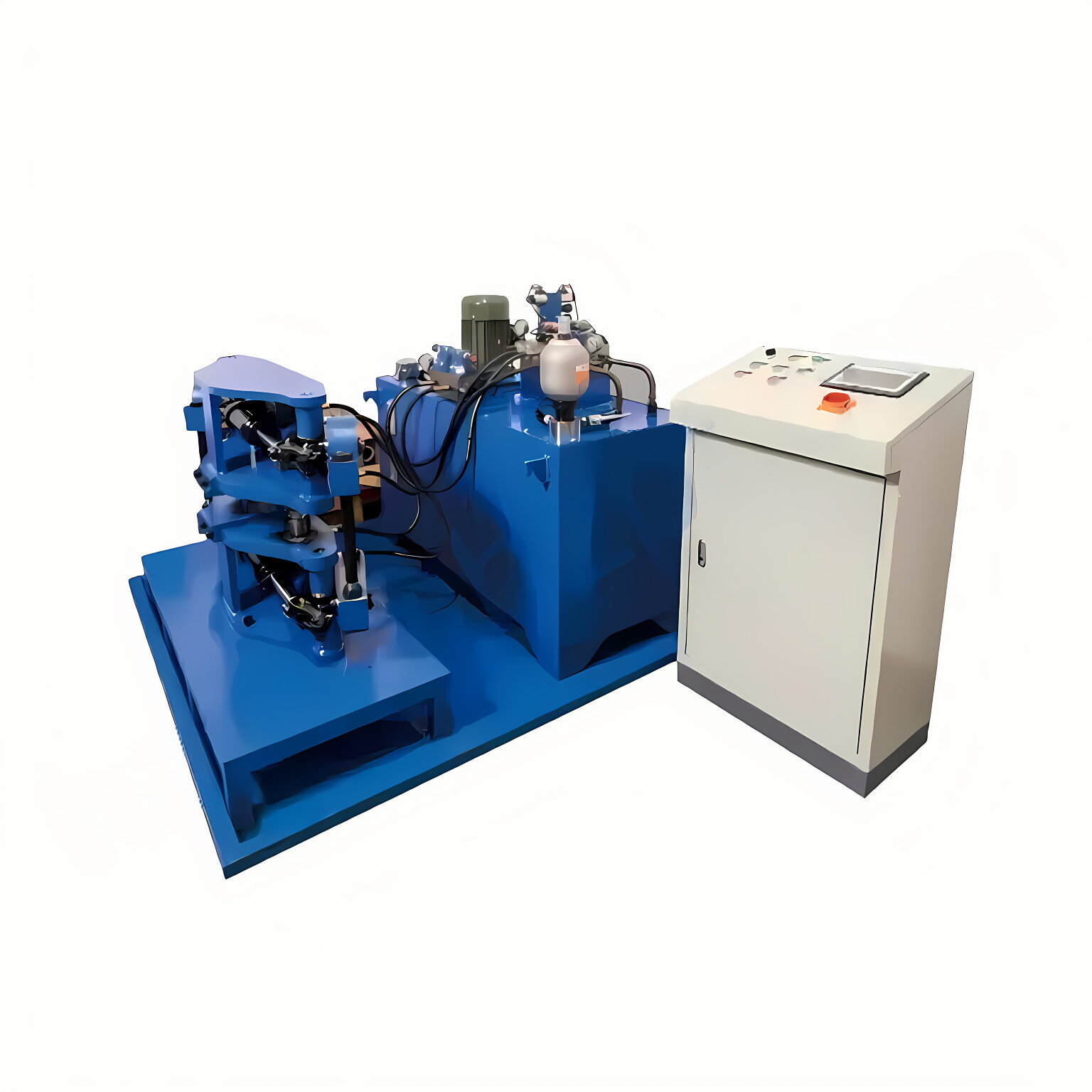
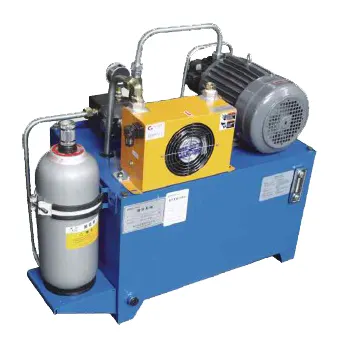
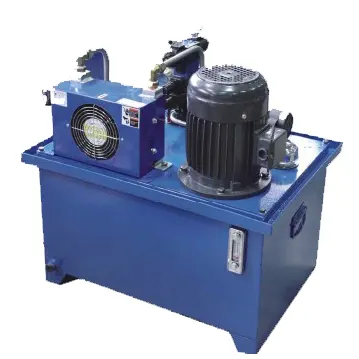
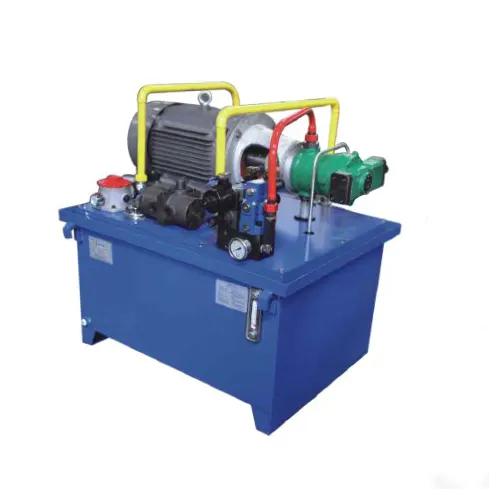
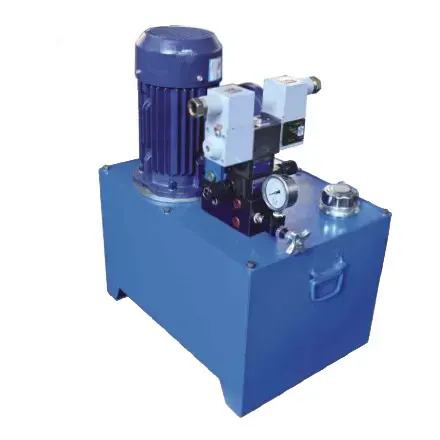
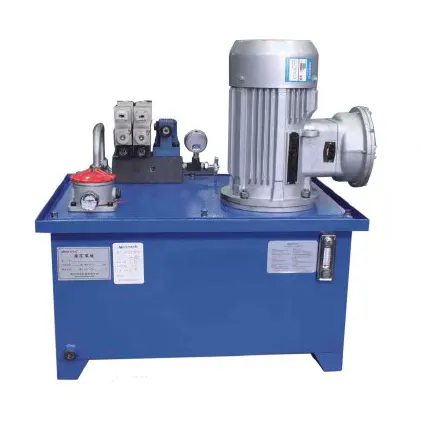
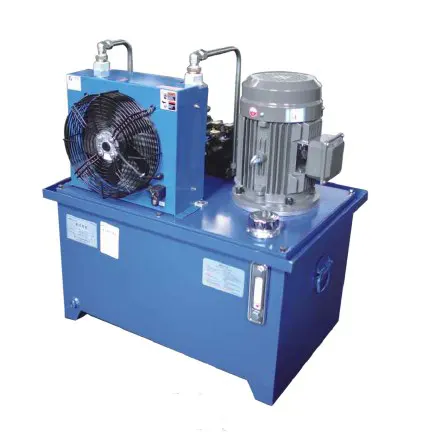
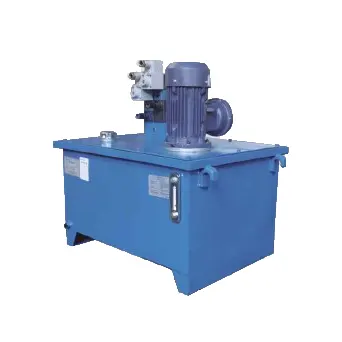
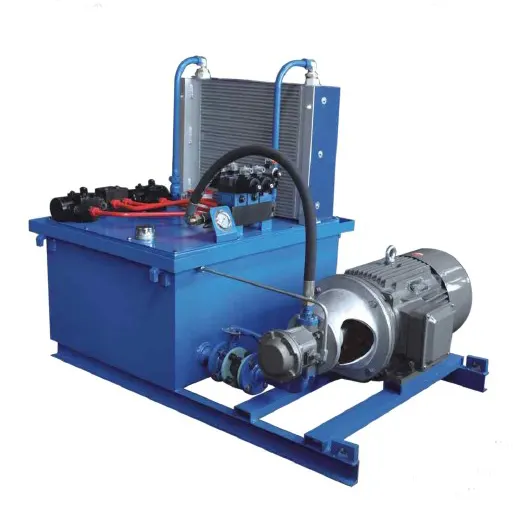
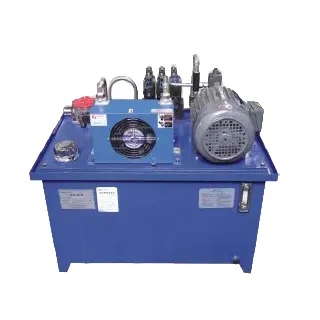
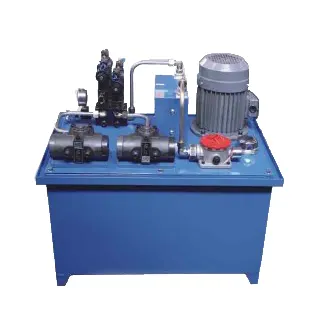
Beyond our standard series, Raydafon Group specializes in fully customized hydraulic power units (HPUs). We design systems tailored to your specific spatial constraints, power density needs, noise level requirements, and environmental conditions (e.g., marine, extreme temperatures). Our engineering team conducts detailed simulations to optimize performance before manufacturing begins.
---
**Hydraulic System FAQ: Expert Insights from Raydafon Group**
**What is the primary function of a hydraulic system?**
A hydraulic system's primary function is to generate, control, and transmit power through the use of pressurized fluid. It multiplies a small input force into a much larger output force, allowing for the precise and powerful movement of machinery components like arms, booms, presses, and lifts.
**How do I choose the right hydraulic fluid for my system?**
Choosing the correct fluid is critical. Key factors include the manufacturer's recommendation (always primary), viscosity grade for your operating temperature range, anti-wear additive package (like Zinc or Ashless), and compatibility with system seals and hoses. For Raydafon Group systems, we provide a detailed fluid specification sheet with each unit to guarantee optimal performance and warranty compliance.
**What are the most common causes of hydraulic system failure?**
The vast majority of failures are contamination-related. This includes particulate contamination (dirt, metal shavings), water ingress, and air entrainment. Other common causes include fluid degradation due to overheating, incorrect fluid type, cavitation in the pump (caused by inlet restriction or high fluid viscosity), and component fatigue from excessive pressure spikes.
**How often should hydraulic fluid and filters be changed?**
There is no universal interval; it depends on operating hours, duty cycle, and environmental conditions. A proactive approach based on regular oil analysis is far superior to a fixed schedule. We recommend taking a fluid sample at regular intervals (e.g., every 500-1000 operating hours) to monitor particle counts, viscosity, water content, and additive depletion. Filter elements should be changed based on pressure differential indicators or as dictated by oil analysis results.
**What are the signs that my hydraulic system needs maintenance?**
Key warning signs include: increased operating temperature, reduced performance or slow operation, unusual noises (whining, knocking, cavitation sounds), visible fluid leaks, discolored or milky fluid (indicating water or air), and erratic actuator movement. Any of these symptoms warrant immediate investigation to prevent a minor issue from becoming a major failure.
**Can a hydraulic system be made more energy-efficient?**
Absolutely. Modern efficiency upgrades include: switching fixed-displacement pumps for variable-displacement or variable-speed drive (VSD) pump systems, which match flow output to demand; using proportional valves instead of older solenoid valves; ensuring proper sizing of components to avoid over-sizing; implementing load-sensing control architectures; and maintaining optimal fluid temperature and cleanliness.
**What is the difference between an open-loop and a closed-loop hydraulic system?**
In an open-loop system, pump flow is directed to an actuator and then returns to the reservoir. It's common in industrial applications. In a closed-loop system, fluid is circulated directly from the pump outlet to the motor inlet and back, typically used in hydrostatic drives for vehicles and winches. Closed-loop systems often offer better speed control and compactness but can be more complex.
**How does Raydafon Group ensure the reliability of its hydraulic systems?**
Our reliability is built on a multi-stage process. It begins with component selection from certified tier-1 suppliers, continues with precision manufacturing and assembly in our controlled cleanroom environments, and is validated through rigorous testing. Every Raydafon power unit undergoes a functional run-in test where pressure, flow, temperature, and leakage are measured against specifications before shipment.


 Raydafon