Raydafon Technology Group Co.,Limited
Products
Products
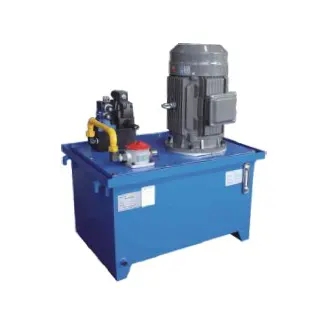
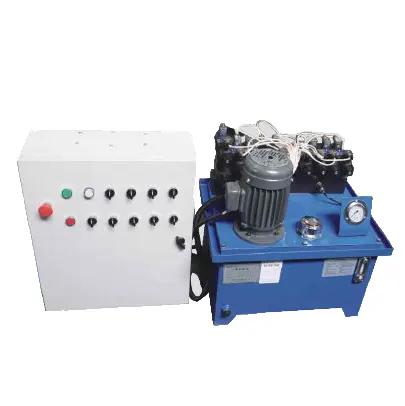
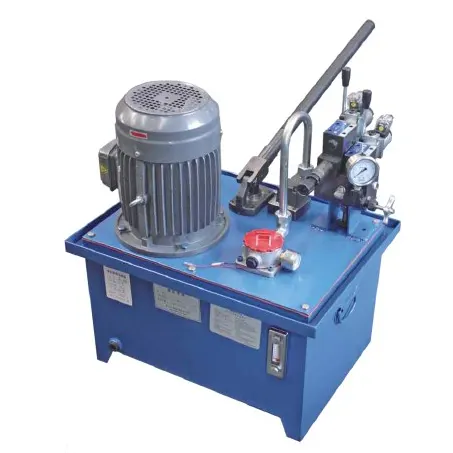
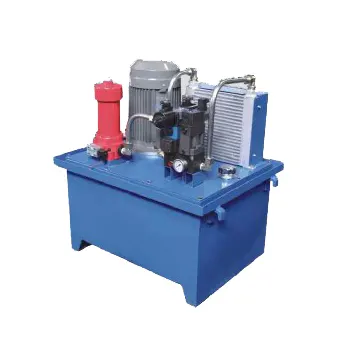
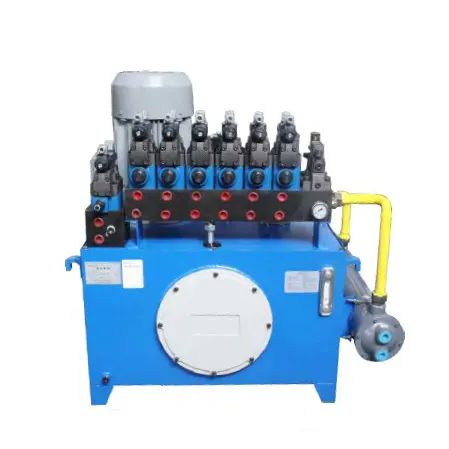
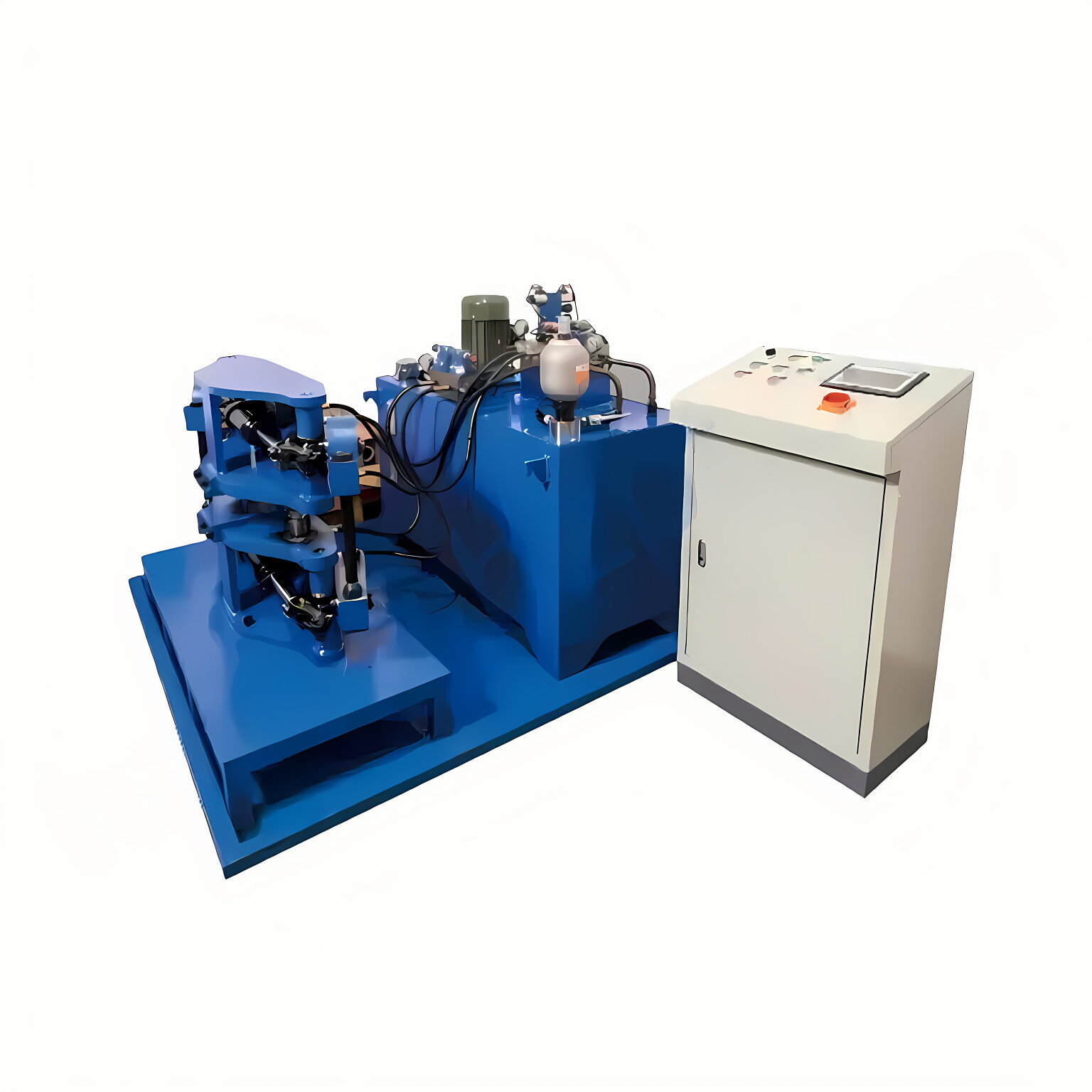
Non-standard Hydraulic System
  • Non-standard Hydraulic SystemNon-standard Hydraulic System

Non-standard Hydraulic System

Boost your industrial operations with Raydafon Group's Non-standard Hydraulic System, a custom-engineered powerhouse designed for unique requirements. Offering precision control, durable construction, and superior efficiency, it excels in specialized machinery and demanding environments. Ideal for engineers and manufacturers seeking tailored solutions, it ensures reliability and enhanced performance. Experience the confidence of seamless, problem-solving innovation that sets Raydafon Group apart—elevate your projects with unmatched hydraulic excellence.

Non-standard Hydraulic System

A Non-Standard Hydraulic System provides bespoke solutions tailored to meet specific industrial needs. In contrast to standard hydraulic systems, which follow fixed specifications, non-standard systems are designed to adapt effortlessly to unique operational demands. This adaptability is particularly beneficial in diverse applications, ranging from manufacturing to construction.By delivering customized solutions, Non-Standard Hydraulic Systems significantly enhance operational efficiency across various industries. Their flexible design, robust performance, and advanced technology make them indispensable assets for businesses looking to optimize their hydraulic operations.To maximize reliability and efficiency, operators should understand the system's key features, effective usage practices, and maintenance requirements. This knowledge not only ensures consistent performance but also boosts productivity and contributes to overall success.
Non-standard Hydraulic System Technical Parameter:

  • Working Pressure: 0–35 MPa
  • System Flow Motor Power and Hydraulic Circuit: Customizable to meet specific requirements
  • Working Medium: Recommended use of 46 # antiwear hydraulic fluid; 68 # antiwear hydraulic fluid is advised for high-temperature environments.

Key Features of Non-standard Hydraulic System:

  • The company is dedicated to the professional design and manufacture of customized non-standard hydraulic systems tailored to meet customer-specific needs.
    • The manifold block can be configured to streamline system piping, facilitating easier installation and maintenance.
    • The compact structure boasts an aesthetically pleasing design while minimizing overall layout space.
    • We utilize a variety of high-quality hydraulic valves, customizable to ensure reliable performance according to customer requirements.
    • Additional components such as coolers, heaters, and accumulators are available.
    • We also offer electrical control devices for enhanced system functionality.

Customized instructions of Non-standard Hydraulic System:

  • Customizing According to Hydraulic Schematic: If you have a hydraulic schematic, please provide it. Ensure that the schematic is complete and accurate; we will produce the product based on this schematic.
  • Without Hydraulic Schematic: If you don't have a schematic, please share the relevant information and parameters for the working cycle. We will confirm your requirements before configuring the products accordingly.
  • Custom-Made According to Samples: If you wish to configure the system based on samples or make alterations, please contact us. You can either show us the samples or provide clear photos of the hydraulic system. Make sure to photograph the different component types separately for easy identification. We will then configure the hydraulic system based on the details in the images.

Implementation Steps for a Non-Standard Hydraulic System:

Implementing a Non-Standard Hydraulic System requires meticulous planning and execution. Here’s a streamlined overview of the essential steps involved:

Assessment

Begin with a thorough evaluation of your specific needs and operational challenges. This foundational step is critical for the success of the hydraulic system.
    • Identify Load Requirements: Determine the weight and type of loads the system will manage. This understanding ensures effective performance under pressure.
    • Analyze Space Constraints: Evaluate the available installation space, considering height, width, and accessibility to ensure the system fits without disrupting operations.
    • Evaluate Environmental Factors: Assess the operating environment, including temperature, humidity, and potential exposure to corrosive substances. These factors will influence material and component selection for durability.

Design

In the design phase, collaborate closely with a hydraulic engineer to create a customized system that meets your specifications.
    • Component Selection: Choose high-quality components—such as pumps, valves, cylinders, and hoses—that align with your operational needs for optimal performance and compatibility.
    • Layout Planning: Design an efficient layout that minimizes pressure losses and maximizes flow. A well-structured configuration enhances responsiveness and reduces wear on components.
    • Integration of Technology: Consider incorporating advanced technologies, such as IoT sensors, for real-time monitoring. This integration provides insights into system performance and aids in predictive maintenance.

Installation

Once the design is finalized, proceed to the installation phase, which is crucial for ensuring the system operates effectively.
    • Component Compatibility: Verify that all components are compatible to ensure seamless operation and avoid future complications.
    • Precision Calibration: Carefully calibrate each component during installation. Proper calibration is essential for efficient system function and minimizing the risk of failures.
    • Safety Protocols: Implement safety measures during installation, including the use of protective gear and adherence to proper procedures. Prioritizing safety protects both workers and equipment.

Testing

After installation, conduct thorough testing to confirm that the system operates as intended. This step validates the effectiveness of your non-standard hydraulic system.
    • Performance Monitoring: Test the system under various loads and conditions to assess performance. Monitor pressure levels, flow rates, and response times closely.
    • Identify Issues Early: Look for signs of leaks, unusual noises, or performance anomalies during testing. Early detection allows for prompt adjustments before full-scale operation.
    • Documentation: Record all test results and observations for future reference. This documentation helps identify patterns that could indicate potential issues and serves as a maintenance reference.
By following these structured steps—assessment, design, installation, and testing—you can successfully implement a Non-Standard Hydraulic System tailored to your unique industrial needs. This comprehensive approach ensures operational efficiency and enhances the longevity and reliability of your hydraulic solutions.

What Factors Should Be Considered When Designing A Non-Standard Hydraulic System?

Certainly! Here’s an expanded and optimized version of each factor to consider when designing a non-standard hydraulic system:

1. Load Requirements:

Assess the specific weights and types of loads the system will support. This involves understanding dynamic and static loads, as well as peak load conditions. Accurate load analysis is essential to ensure that the hydraulic components can handle the pressures and stresses without failure.

2. Space Constraints:

Evaluate the available installation space in detail, including height, width, and depth. Consider any potential obstructions and ensure that there is sufficient clearance for maintenance and operation. A well-planned layout optimizes space usage and enhances overall system efficiency.

3. Environmental Conditions:

Analyze the operating environment, taking into account temperature ranges, humidity levels, and potential exposure to corrosive substances or contaminants. Selecting materials and components that can withstand these conditions is crucial for the longevity and reliability of the hydraulic system.

4. Component Compatibility:

Carefully select components such as pumps, valves, cylinders, and hoses, ensuring they are compatible with each other. This includes checking specifications such as pressure ratings, flow capacities, and connection types to avoid operational issues and ensure seamless integration.

5. System Layout:

Design an efficient hydraulic layout that minimizes pressure drops and optimizes flow paths. A well-structured layout enhances system responsiveness and efficiency, reducing wear and tear on components over time. Consider the routing of hoses and pipes to avoid sharp bends and restrictions.

6. Safety Considerations:

Implement comprehensive safety measures throughout the design and installation process. This includes incorporating pressure relief valves, emergency shut-off systems, and ensuring proper labeling of hydraulic components. Prioritizing safety helps protect workers and minimizes the risk of accidents.

7. Maintenance Needs:

Plan for easy access to all components for routine maintenance and inspections. Design the system with features that facilitate maintenance tasks, such as removable panels or strategically placed access points, to minimize downtime and maximize operational efficiency.

8. Technological Integration:

Explore opportunities to integrate advanced technologies, such as IoT sensors and automated control systems. These technologies can provide real-time monitoring of system performance, enabling predictive maintenance and enhancing operational efficiency through data-driven insights.

9. Regulatory Compliance:

Ensure that the design adheres to relevant industry standards and regulations, such as safety codes and environmental guidelines. Compliance not only protects your organization from legal issues but also ensures that the system operates safely and efficiently within the established parameters.

10. Budget Constraints:

Consider the overall project budget while balancing quality and performance. Analyze costs associated with components, installation, and maintenance to develop a comprehensive financial plan. Prioritize investments in high-quality components that offer long-term reliability and efficiency.By addressing these factors in detail, you can create a robust and efficient non-standard hydraulic system that meets your specific operational needs while ensuring safety and reliability.

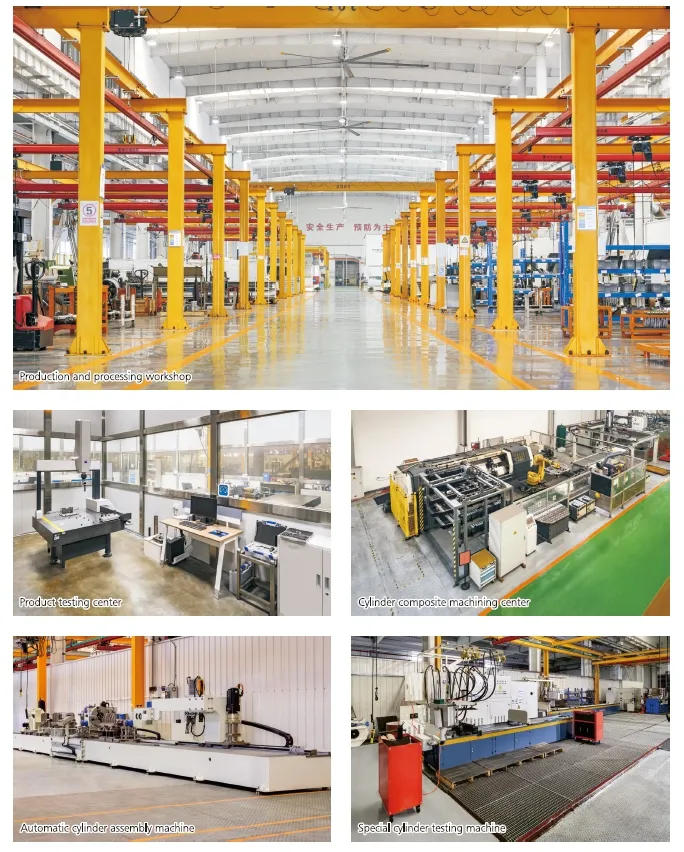
Cylinders Production Area:

Non-standard Hydraulic SystemWe have developed a top-tier independent R&D platform for assembly. Our forklift cylinder production workshop features four semi-automatic assembly lines and one fully automatic tilting cylinder assembly line, capable of producing up to one million units annually. Additionally, our special cylinder workshop is equipped with semi-automatic cleaning and assembly systems of various specifications, designed to produce 200,000 units per year.Our facility boasts state-of-the-art CNC machining equipment, machining centers, specialized tools for high-precision cylinder processing, robotic welding machines, automatic cleaning systems, automatic assembly machines, and automated paint production lines. Over 300 key pieces of equipment are operational, allowing for optimized resource allocation and efficient utilization to meet precise product specifications and high-quality standards.In the machining shop, we utilize custom tilt guiderail turning centers, machining centers, high-speed honing machines, welding robots, and other essential equipment. This setup enables us to handle machining tasks for cylinder tubes with a maximum inner diameter of 400mm and lengths of up to 6 meters.
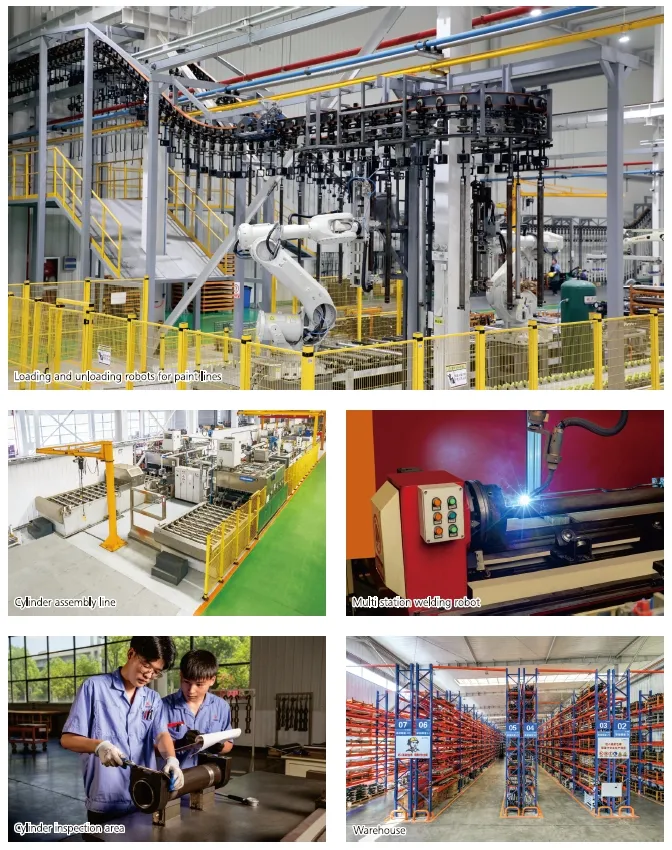
Non-standard Hydraulic SystemWe operate a fully automatic water-based paint coating line for small and medium cylinders, featuring automatic loading and unloading systems and robotic spraying capabilities, with a production capacity of 4,000 units per shift. Additionally, we have a semi-automatic painting line for larger cylinders, powered by a chain drive, designed to handle 60 crates per shift.To enhance product performance and solidify our leadership in the hydraulic cylinder industry, we have partnered with Zjimee to establish a comprehensive performance laboratory focused on hydraulic cylinders, valves, and pumps. This lab employs computer-assisted testing using advanced electro-hydraulic technology, allowing for preset test conditions that improve accuracy and versatility in testing.The lab utilizes sensors for automatic data collection, enabling direct processing of output metrics, such as internal leakage and load efficiency, converted into standard units (ml/min%). To ensure the safety of hydraulic systems, we monitor key performance parameters, including oil temperature, liquid levels, and filter conditions. The hydraulic cylinder test stand evaluates "load efficiency" and "internal leakage" through precise readings, and is equipped with a grating ruler measuring instrument that complies with national standards for all hydraulic cylinder testing requirements. 
Hot Tags: Custom Hydraulic System, Non-standard Hydraulic Equipment, Bespoke Hydraulic Solution
Send Inquiry
Contact Info
Get customized quotes for transmission components, gearboxes, and machinery. Our engineers will respond within 24 hours.
Online
X
We use cookies to offer you a better browsing experience, analyze site traffic and personalize content. By using this site, you agree to our use of cookies. Privacy Policy
Reject Accept