
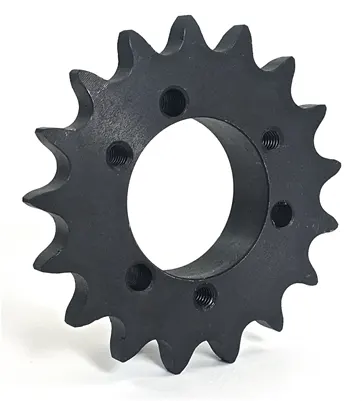
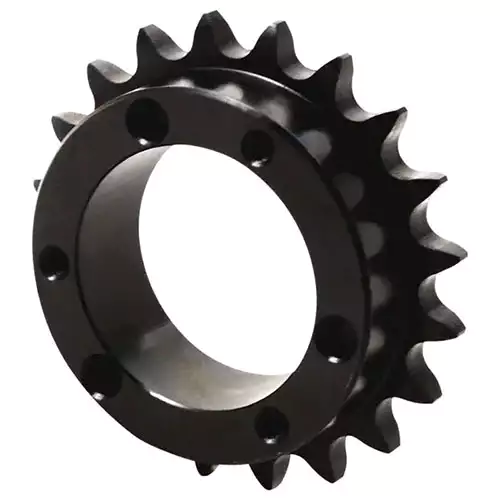
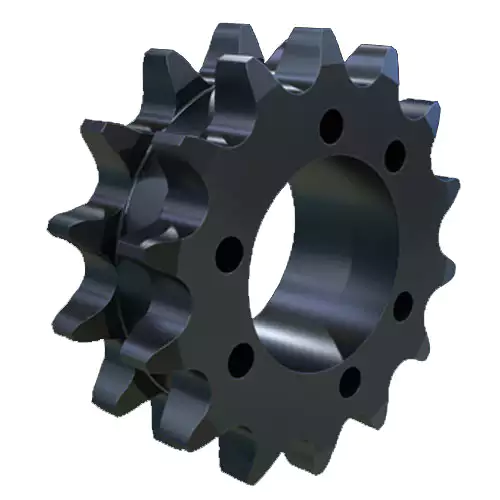
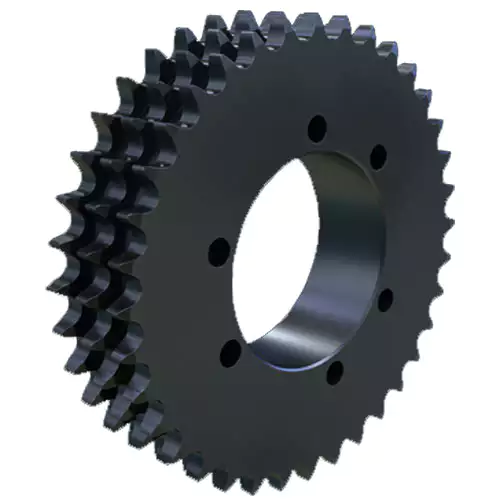
In the world of power transmission and automotive performance, precision and reliability are non-negotiable. QD Sprockets, or Quick Detachable Sprockets, represent a cornerstone of efficient mechanical design. Manufactured by the renowned Raydafon Group, these sprockets are engineered for applications where ease of installation, maintenance, and robust performance are critical. Unlike standard sprockets that require complete disassembly of the shaft and bearings for replacement, a QD sprocket system features a split-taper bushing design. This innovative design allows the sprocket to be mounted or removed from a shaft quickly and securely without disturbing other components, drastically reducing downtime and labor costs. They are the preferred choice in demanding industries such as agriculture, material handling, construction, and heavy machinery.
Understanding the technical specifications is crucial for selecting the right sprocket for your application. Raydafon Group offers a comprehensive range of QD Sprockets built to exacting standards. Below is a detailed breakdown of our core product parameters.
The following tables outline the critical dimensions and capabilities of standard QD Sprocket offerings from Raydafon Group.
| ANSI Chain Size | Pitch (Inches) | Minimum Tooth Count | Maximum Tooth Count (Common Range) | Standard Bore Range with QD Bushing (Inches) |
|---|---|---|---|---|
| #35 | 0.375 | 10 | 60 | 0.500" - 1.625" |
| #40 / #41 | 0.500 | 10 | 75 | 0.500" - 2.500" |
| #50 | 0.625 | 12 | 90 | 0.625" - 3.375" |
| #60 | 0.750 | 12 | 100 | 0.750" - 4.500" |
| #80 | 1.000 | 15 | 120 | 1.000" - 6.000" |
| #100 | 1.250 | 18 | 120 | 1.250" - 7.000" |
| #120 | 1.500 | 21 | 120 | 1.500" - 8.000" |
| Parameter | Specification / Capability |
|---|---|
| Maximum RPM (Recommended) | Varies by size & balance; standard sprockets up to 2000 RPM. High-speed balanced versions available. |
| Static Load Capacity | Designed to withstand full tensile strength of matched chain size. |
| Operating Temperature Range | -20°F to +250°F (-29°C to +121°C) for standard materials and finishes. |
| Corrosion Resistance | Phosphate coating provides basic protection. Zinc plating or stainless steel for moderate to high corrosion environments. |
| Hardness (Tooth Surface) | Typically 45-55 HRC after heat treatment for optimal wear life. |
| Dimensional Tolerance | Bore and keyway per ANSI B17.1; mounting pilot and OD per ANSI B29.1. |
Q: What does "QD" stand for, and what is the main advantage of a QD sprocket?
A: QD stands for "Quick Detachable." The primary advantage is the ease of installation and removal. The split-taper bushing system allows the sprocket to be firmly mounted onto a shaft without the need for shoulders, set screws, or machining. More importantly, it can be removed without disassembling adjacent bearings, couplings, or other machinery components, saving significant time and labor during maintenance or sprocket changes.
Q: What types of applications are QD sprockets best suited for?
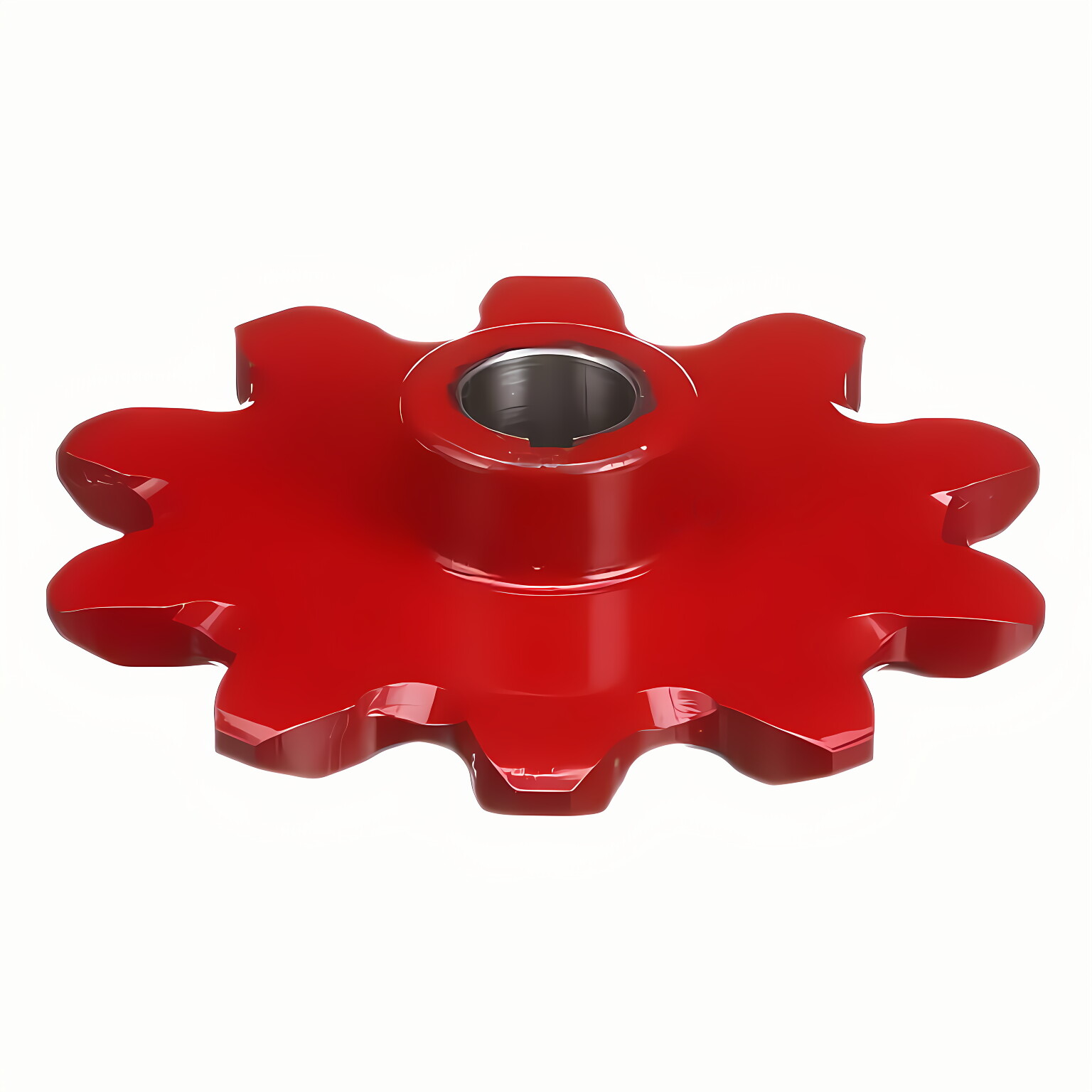
A: QD sprockets are ideal for any application where downtime is costly or regular maintenance is required. Common applications include: agricultural equipment (combines, conveyors), food processing machinery, packaging lines, construction equipment, fans and blowers, industrial conveyors, and drives on mobile equipment. Their versatility makes them a standard in both fixed and variable speed drives.
Q: Can I use a QD sprocket on an existing shaft that previously had a different type of sprocket?
A: In most cases, yes, but it depends on the shaft configuration. The QD bushing requires a straight, clean keyway on the shaft. You must remove any old setscrew dimples or damage that might prevent the bushing from seating concentrically. You will need to know the exact shaft diameter and keyway size (per ANSI standards) to select the correct QD bushing size. It is often an excellent upgrade for easier future maintenance.
Q: How do I properly select a QD sprocket for my application?
A: Selection involves several key steps. First, identify your ANSI chain size (e.g., #40, #50, #60). Second, determine the required number of teeth based on your desired speed ratio. Third, and crucially, measure your shaft diameter and keyway dimensions precisely. Use these to select the corresponding QD bushing size from the manufacturer's catalog, such as those provided by Raydafon Group. Also, consider environmental factors (moisture, chemicals) to specify the appropriate material and finish.
Q: Are QD bushings interchangeable between different manufacturers?
A: Many QD bushings follow a standardized taper design, making them physically interchangeable with similar systems like Taper-Lock® in terms of dimensions. However, for optimal performance, reliability, and warranty, it is strongly recommended to use the bushing and sprocket from the same manufacturer, such as a matched set from Raydafon Group. Mixing brands can lead to slight mismatches in tolerance, potentially causing improper clamping, vibration, or premature wear.
Q: What is the proper installation and tightening procedure for a QD sprocket and bushing?
A: Correct installation is vital. First, clean the shaft and the bore of the bushing. Slide the bushing onto the shaft, aligning the key and keyway. Hand-tighten the cap screws to initially seat the bushing. Place the sprocket onto the bushing pilot, aligning the holes. Insert the remaining cap screws. Using a crisscross pattern, tighten all screws gradually and evenly to the torque value specified in the Raydafon Group installation guide. Never use an impact wrench, as overtightening can damage the bushing. Finally, perform a visual check to ensure the sprocket is flush and concentric.
Q: How often should I inspect my QD sprockets, and what should I look for?
A: Regular inspection is part of a good preventive maintenance schedule. For high-use applications, inspect monthly or per operational hours. Key signs of wear include: hooking or thinning of the sprocket teeth, visible cracks or chips, excessive play or wobble on the shaft, rust or corrosion that pits the surface, and loose or damaged mounting hardware. Always inspect the chain and sprocket as a system, as a worn chain will rapidly accelerate sprocket wear.
Q: Where can I source high-quality, reliable QD sprockets?
A: For components critical to your operation's uptime, sourcing from a reputable manufacturer with a proven track record is essential. Raydafon Group has been a trusted leader in power transmission components for decades. Our QD Sprockets are manufactured with precision, undergo rigorous quality control, and are backed by comprehensive technical support. They are available through a global network of authorized industrial distributors and can be sourced directly for OEM applications.
Q: Can Raydafon Group provide custom or non-standard QD sprockets?
A: Absolutely. While standard ANSI sizes cover most needs, Raydafon Group excels in engineering custom solutions. We can manufacture sprockets with special tooth profiles, unique hub configurations, non-standard bores, specific material grades (like stainless steel for washdown), special heat treatments, and custom protective coatings. Our engineering team works directly with clients to develop sprockets that meet exact application requirements, from prototype to full production runs.

 Raydafon