
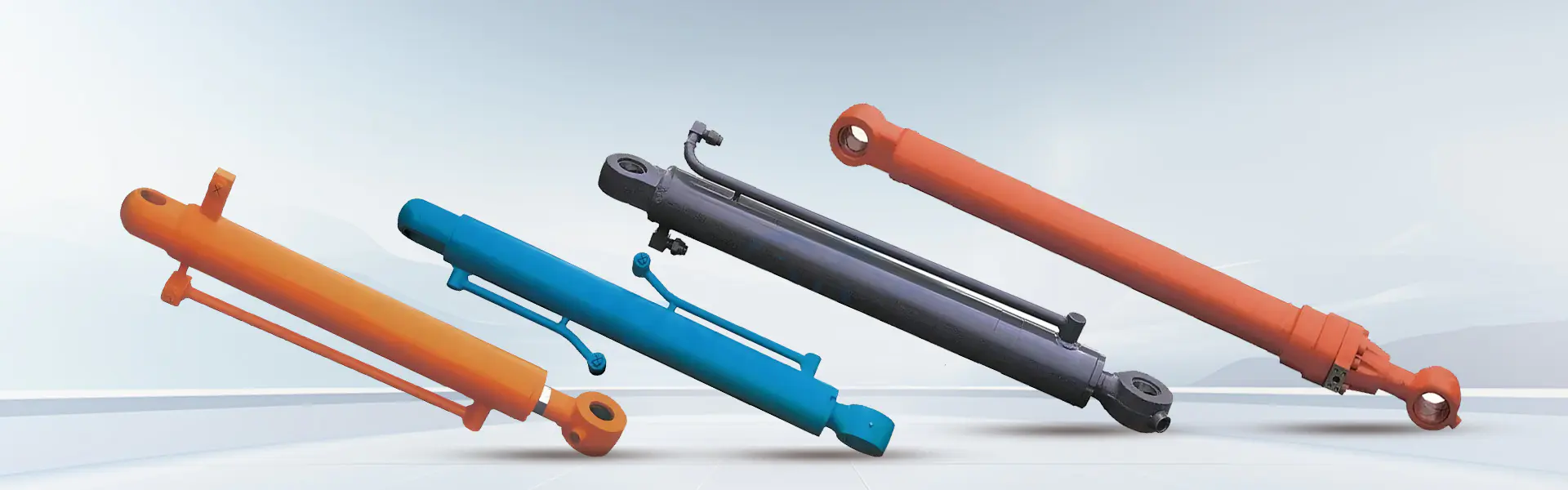
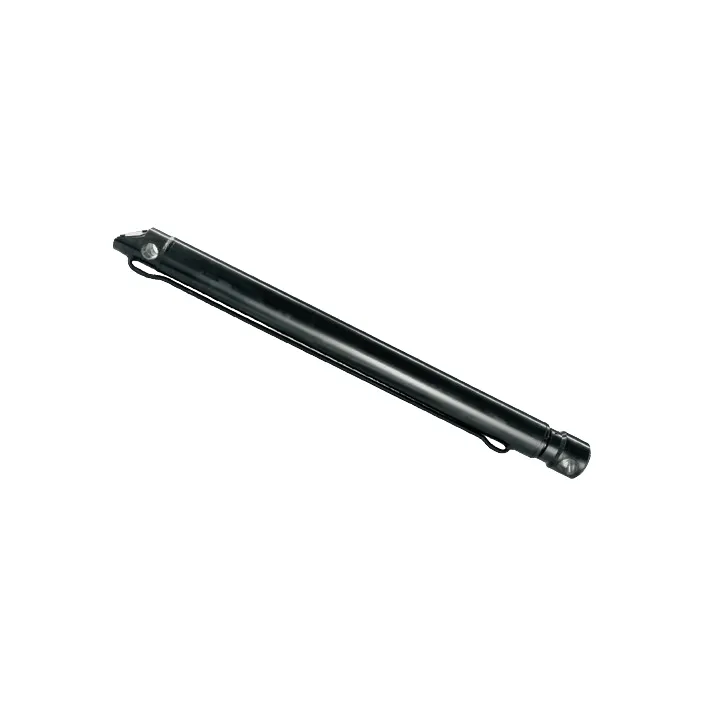
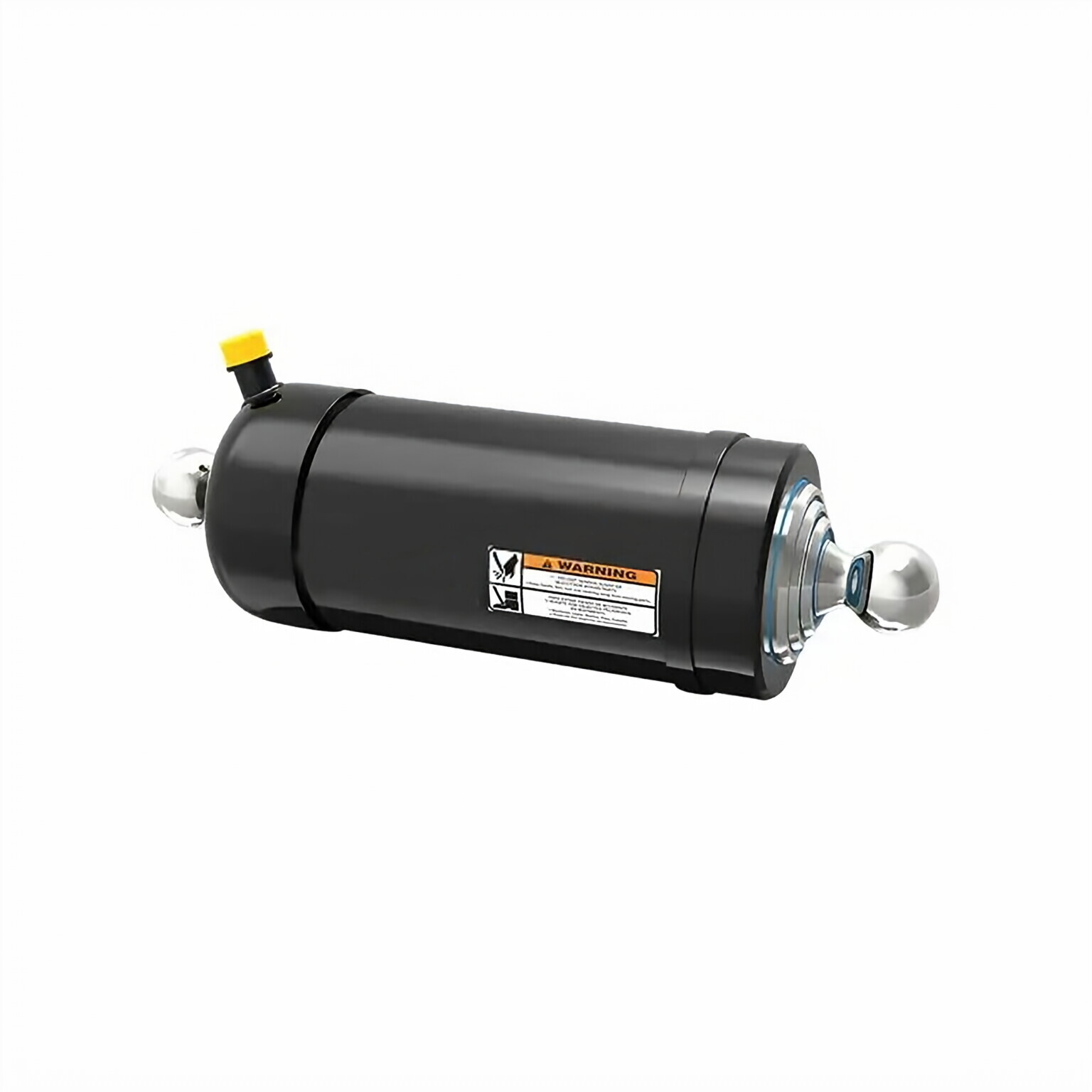
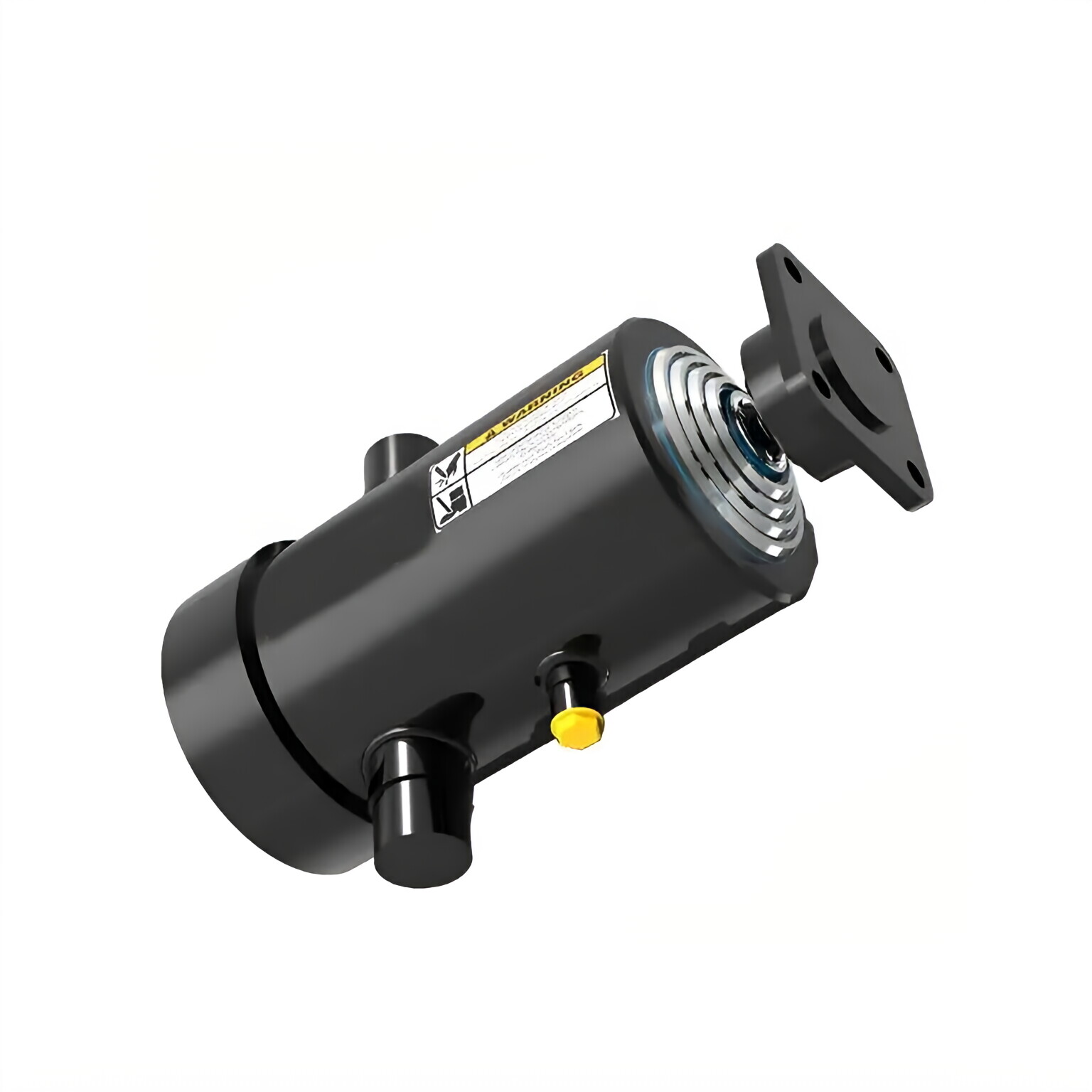
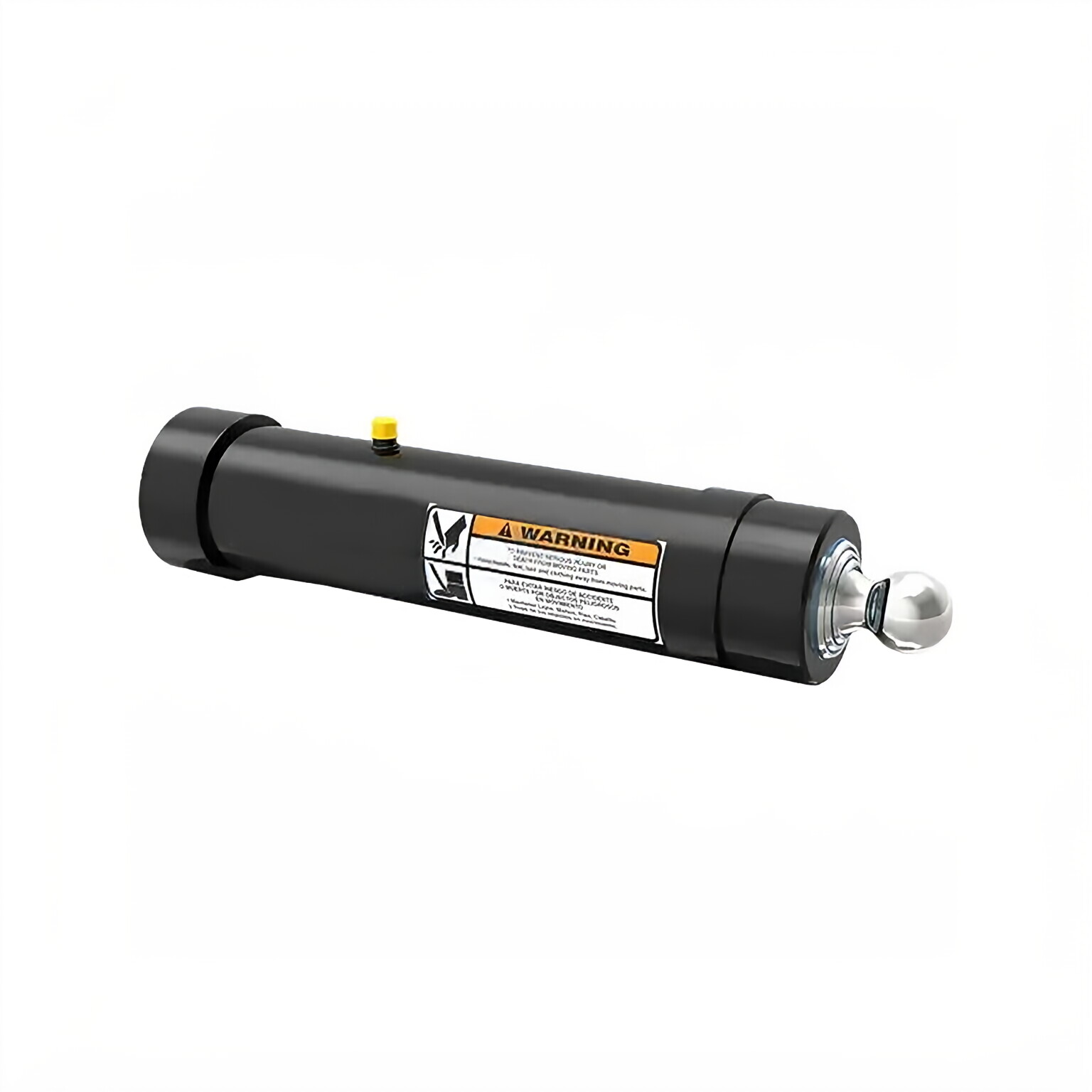
In demanding industrial and mobile equipment applications, reliable actuation is non-negotiable. Telescopic hydraulic cylinders, also known as multi-stage cylinders, provide an optimal solution where long strokes are required from a compact retracted length. At Raydafon Group, we engineer and manufacture premium-grade telescopic hydraulic cylinders designed for maximum performance, durability, and safety in the most challenging environments. With decades of engineering excellence, our cylinders are the trusted choice for dump trucks, trailers, refuse vehicles, construction machinery, and agricultural equipment worldwide.
Our design philosophy centers on creating cylinders that deliver consistent power, smooth stage sequencing, and exceptional longevity. We achieve this through rigorous material selection, advanced sealing technology, and precision manufacturing processes. Every Raydafon Group telescopic cylinder undergoes stringent testing to ensure it meets our high standards and your operational demands.
Raydafon Group telescopic hydraulic cylinders incorporate several proprietary features that set them apart from conventional offerings:
The following tables outline the core parameters and capabilities of our standard telescopic hydraulic cylinder series. Custom configurations can alter these specifications.
| Parameter | Series TSC (Standard) | Series THD (Heavy) |
|---|---|---|
| Number of Stages | 2 to 6 | 3 to 7 |
| Bore Diameter Range (1st Stage) | 40 mm to 180 mm | 90 mm to 320 mm |
| Rod Diameter Range (Final Stage) | 20 mm to 100 mm | 50 mm to 180 mm |
| Maximum Working Pressure | 210 bar (3000 PSI) | 250 bar (3600 PSI) |
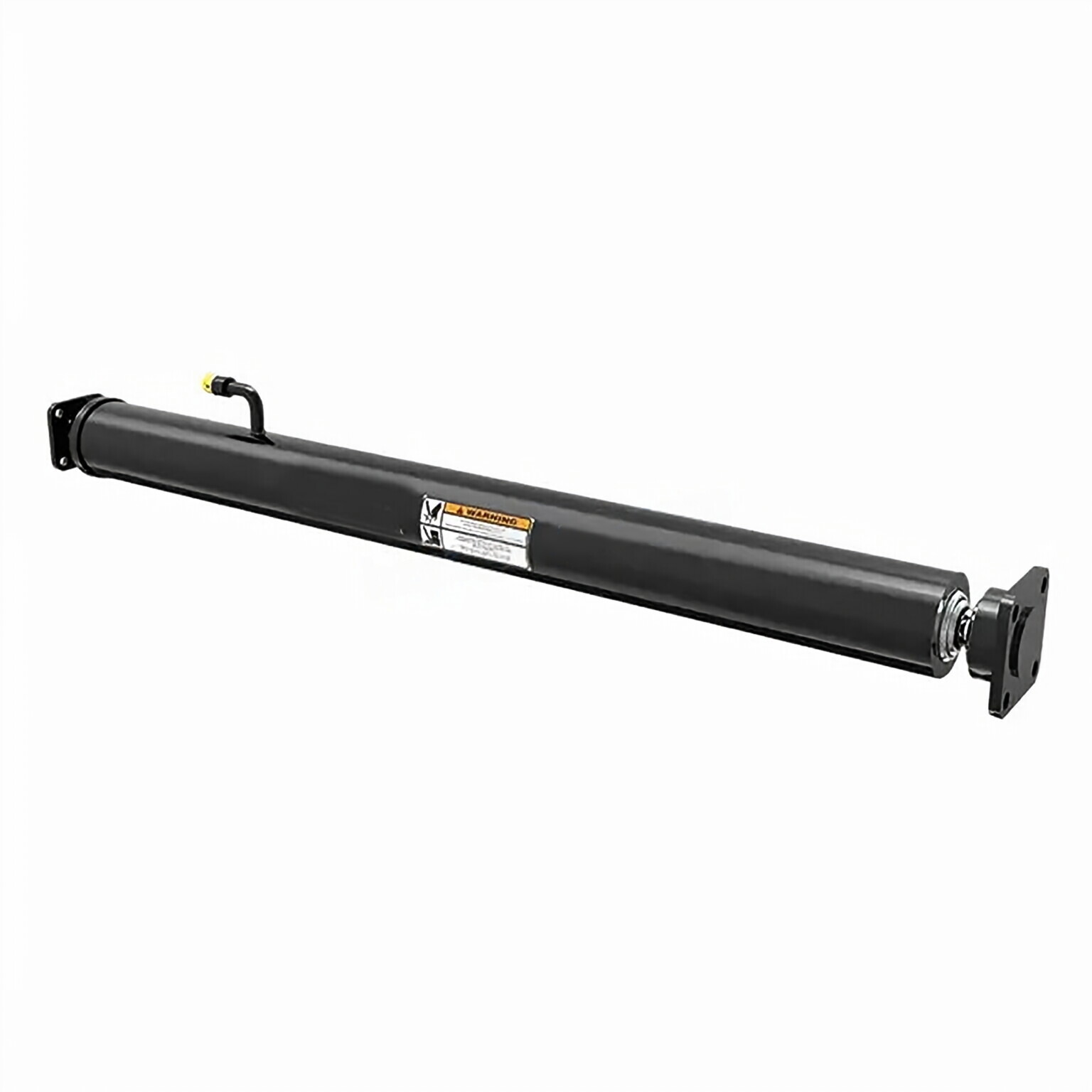
| Standard Stroke Lengths | Up to 8 meters | Up to 15 meters |
| Retracted Length (Approx.) | ~25-35% of full stroke | ~20-30% of full stroke |
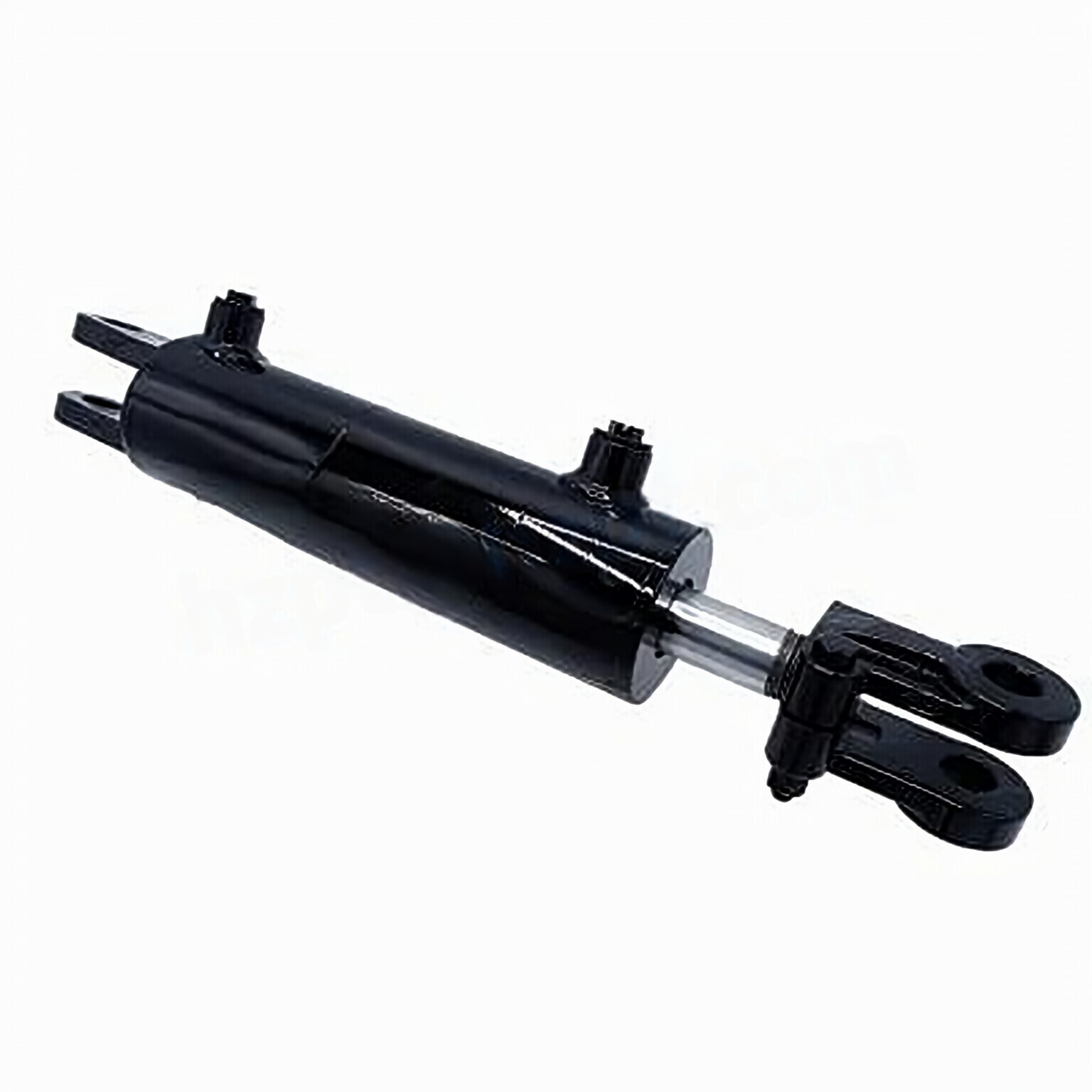
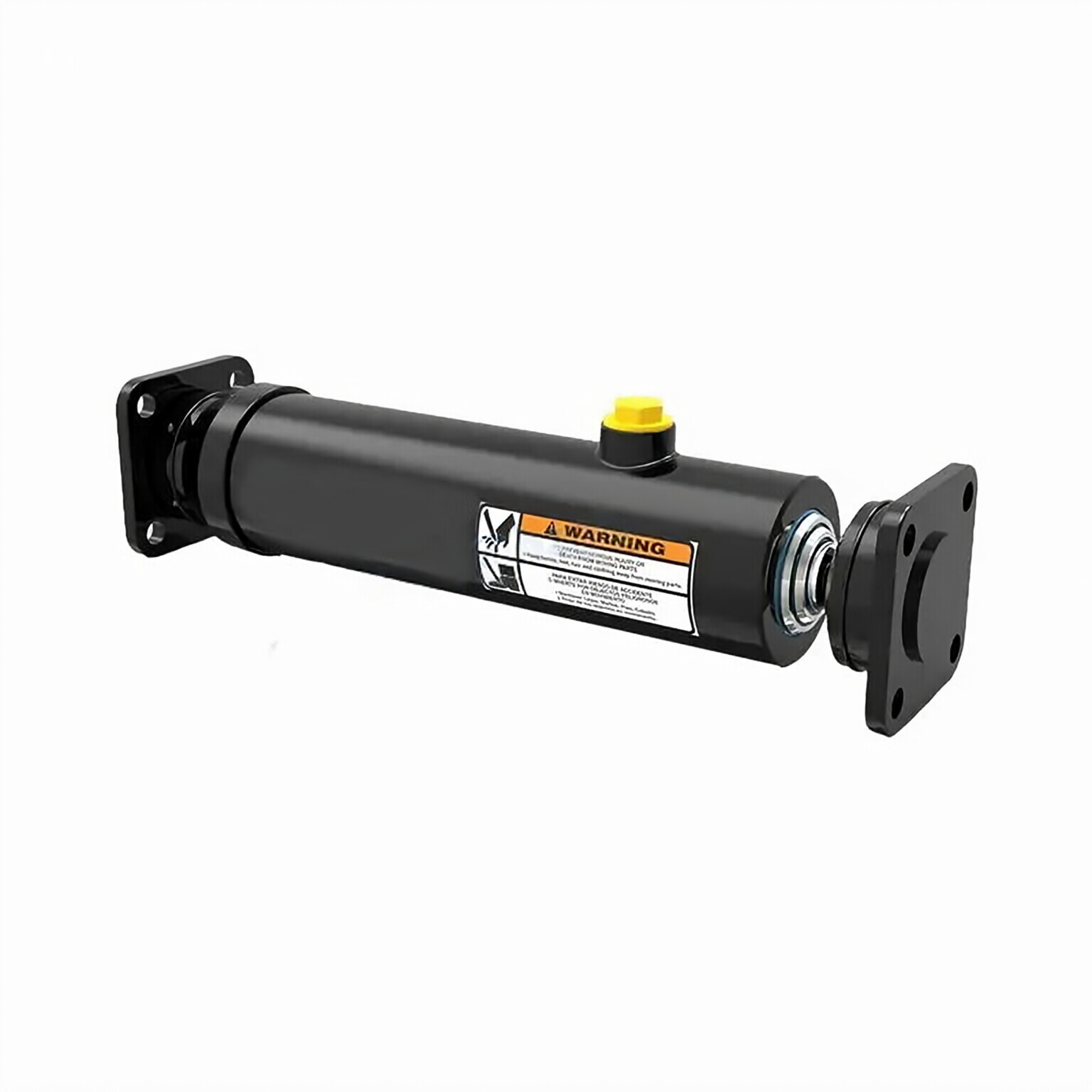
| Mounting Styles | Clevis, Flange, Trunnion, Side Lug | Reinforced Clevis, Heavy-Duty Flange, Trunnion |
| Standard Fluid Compatibility | Mineral-based Hydraulic Oil (HL, HLP), Biodegradable Fluids (HETG, HEES) | |
| Operating Temperature Range | -30°C to +100°C (-22°F to +212°F) | |
| Component | Material Specification | Surface Treatment / Finish |
|---|---|---|
| Cylinder Tubes (All Stages) | Cold-drawn, precision honed steel tubing (St52 or equivalent) | Internal: Chrome-plated or hard-chromed for wear resistance. External: Painted (standard epoxy) or zinc-plated for corrosion protection. |
| Piston Rods (Final Stage) | High-tensile strength steel (42CrMo4 or equivalent), hardened and tempered | Hard chrome plated (minimum 40μm thickness), polished to a fine surface finish (Ra ≤ 0.2 μm). |
| Pistons | Carbon steel, machined and ground | Fitted with advanced composite seals and wear rings. |
| Gland & Bearing Assemblies | Ductile iron or steel | Integrate multi-lip wiper seals, rod seals, and guide bearings. |
| Mounting Hardware | High-grade forged steel | Machined to precise tolerances, treated for corrosion resistance. |
Q: What is the primary advantage of using a telescopic hydraulic cylinder over a single-stage cylinder?
A: The main advantage is the significant stroke-to-retracted-length ratio. A telescopic hydraulic cylinder can achieve a very long extension from a very compact retracted or collapsed space. This makes them indispensable in applications like dump bodies, cranes, and lifts where installation space is severely limited but a long, powerful linear motion is required. A single-stage cylinder with an equivalent stroke would be impractically long when retracted.
Q: How do I determine the correct number of stages for my application?
A: The required number of stages depends on the necessary total stroke and the available space for the retracted cylinder. More stages allow for a longer stroke from a shorter retracted length but can increase complexity and cost. Our Raydafon Group engineering team can assist with this calculation. Generally, you provide the required fully extended length, the available space for the retracted cylinder, and the necessary force, and we recommend the optimal stage configuration, bore sizes, and pressure rating.
Q: How does stage sequencing work in a telescopic cylinder, and what ensures the stages extend in the correct order?
A: In a typical telescopic cylinder, stages extend sequentially from the largest diameter (barrel) stage to the smallest (rod) stage. This is governed by the internal hydraulic circuit and the physical design of the pistons. The area ratio between adjacent stages creates a pressure differential. The largest stage extends first because it requires the least pressure to move for a given force. Internal hydraulic ports or an external "selector" valve can control the sequence in more complex designs. Raydafon Group cylinders are precisely engineered to ensure smooth, reliable, and consistent sequencing every cycle.
Q: What are the most critical maintenance points for telescopic hydraulic cylinders?
A: Regular maintenance is key to long service life. Critical points include: 1) Rod Seal & Wiper: Inspect regularly for leaks. The rod wiper prevents contaminant ingress. 2) Hydraulic Fluid: Maintain clean, dry fluid of the correct specification and change filters as recommended. Contamination is a leading cause of seal and internal damage. 3) External Rod Surface: Keep the final stage rod clean and free of nicks or corrosion. A damaged rod surface will quickly destroy rod seals. 4) Mounting & Alignment: Check mounting pins and brackets for wear or looseness, as misalignment causes excessive side loading. Raydafon Group provides detailed maintenance manuals with every cylinder.
Q: Can Raydafon Group provide custom telescopic cylinders for non-standard applications?
A: Absolutely. Custom engineering is a core strength of Raydafon Group. We regularly develop solutions for unique applications involving extreme temperatures, corrosive environments, specialized mounting, non-standard stroke/bore combinations, high-cycle applications, and integration with specific control systems. Our process involves a detailed consultation to understand your application's force, speed, space, environmental, and duty cycle requirements before proposing a design.
Q: What is the expected service life of a Raydafon Group telescopic cylinder?
A: Service life is highly dependent on operating conditions—pressure, cycle rate, load characteristics, maintenance, and environmental factors. Under normal design conditions with proper maintenance, our cylinders are engineered for many thousands of operating cycles. Our heavy-duty (THD) series, with its reinforced construction and premium materials, is designed for the most demanding, high-cycle applications. We can provide more specific life expectancy estimates based on your application's detailed duty cycle.
Q: How do I select the right mounting style for my equipment?
A: Mounting style is crucial for proper force transmission and cylinder longevity. Common styles include: Clevis Mounts: Allow for angular movement; ideal for pivoting applications. Flange Mounts: Provide very rigid attachment, suitable for high thrust loads. Trunnion Mounts: Allow the cylinder to pivot on a fixed shaft, accommodating some misalignment. Side Lug Mounts: Simple pin-style mounts. The choice depends on the machine's kinematics, load path, and available space. Our technical datasheets and engineering team can guide you to the optimal mounting solution.

 Raydafon