
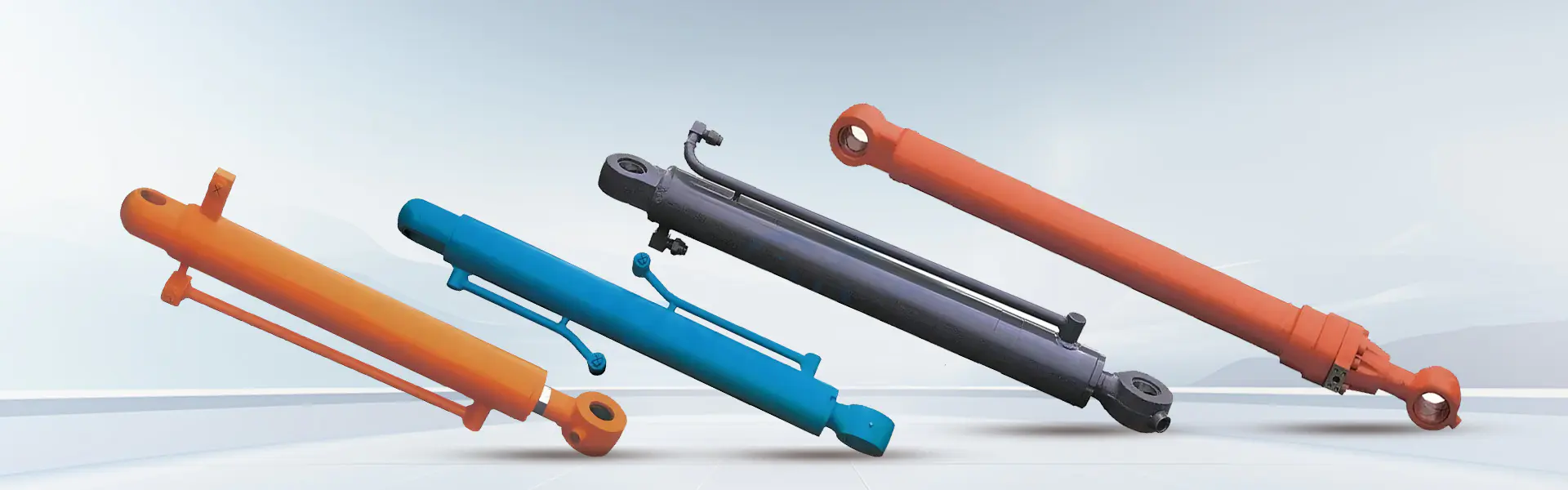
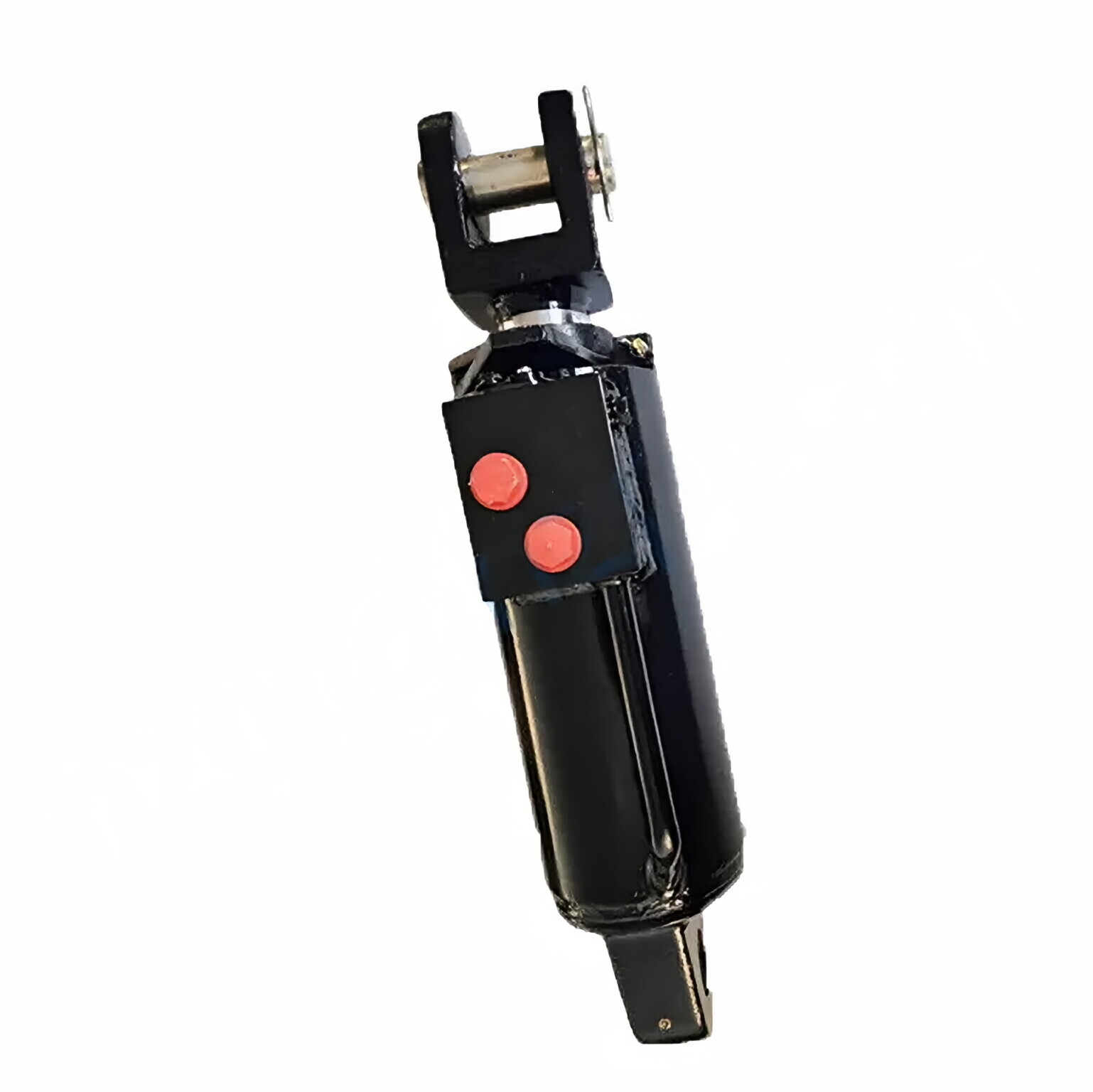
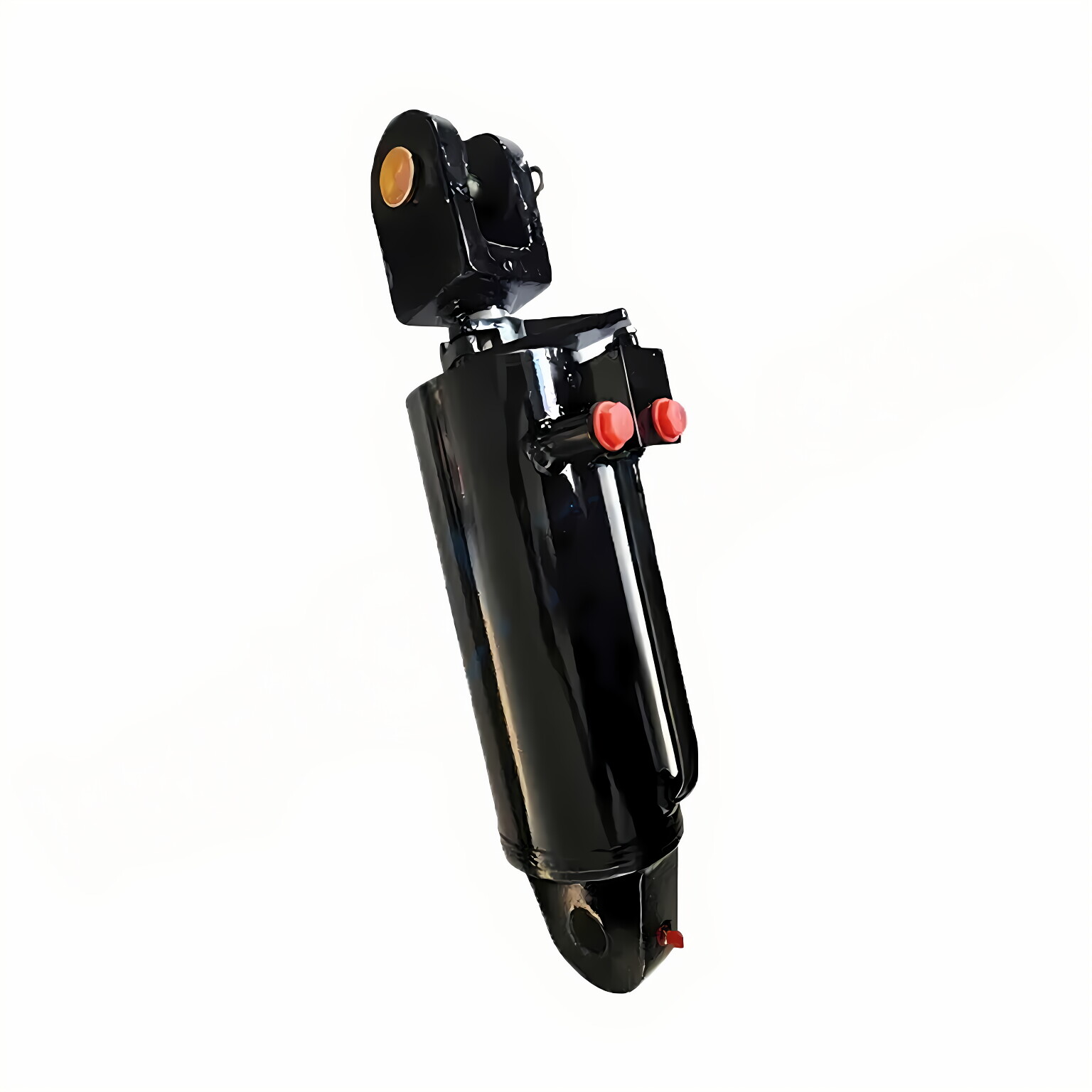
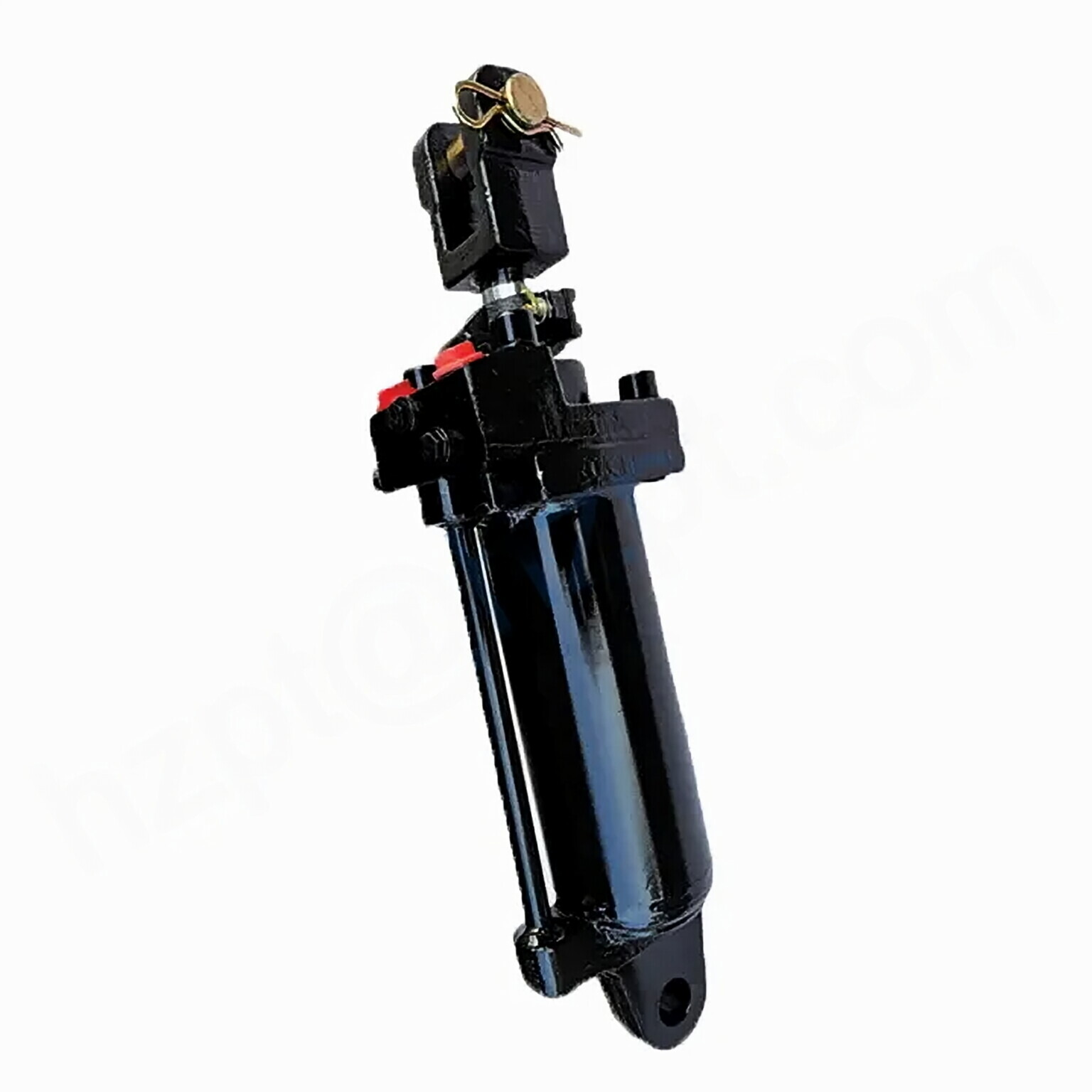
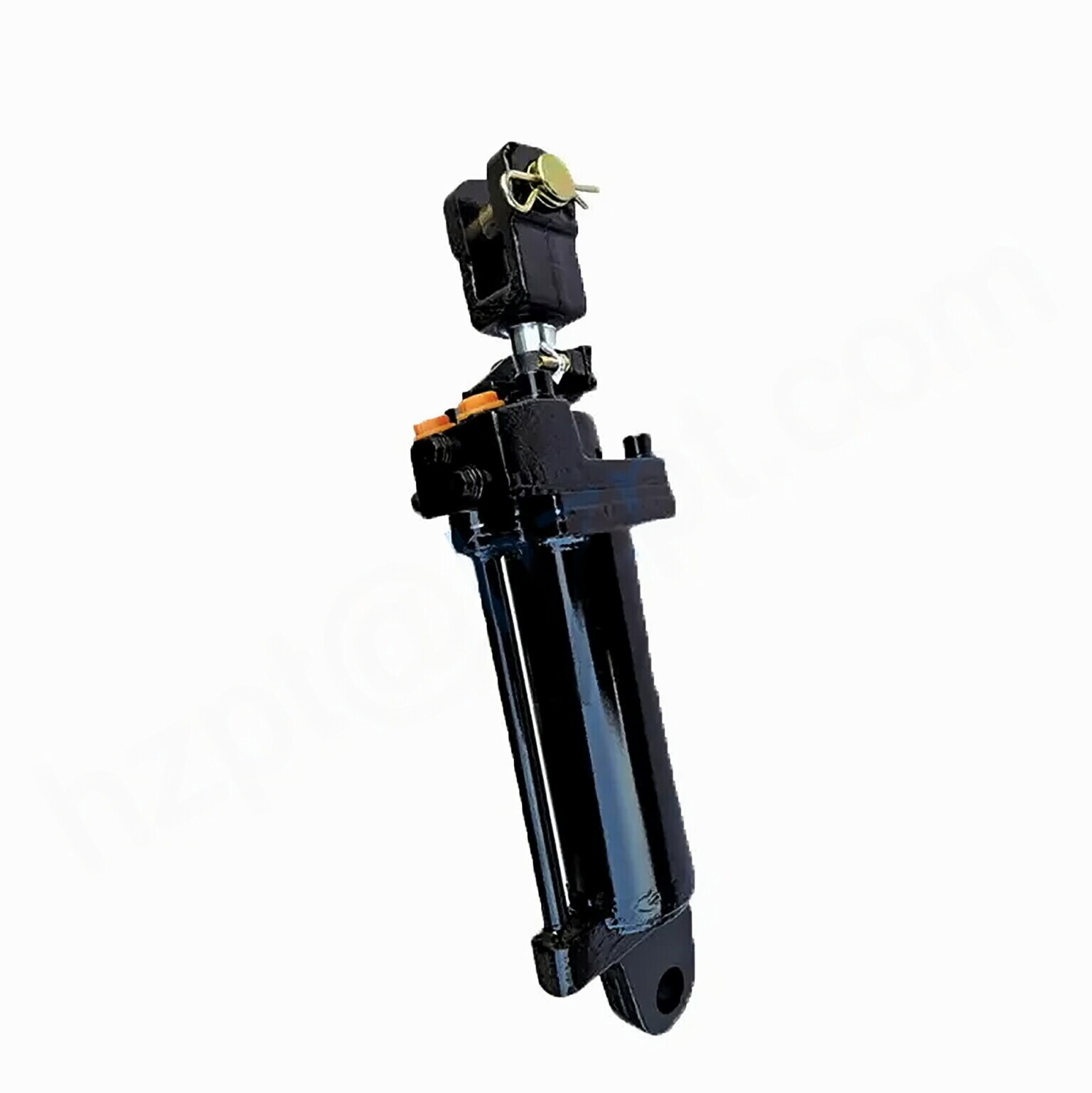
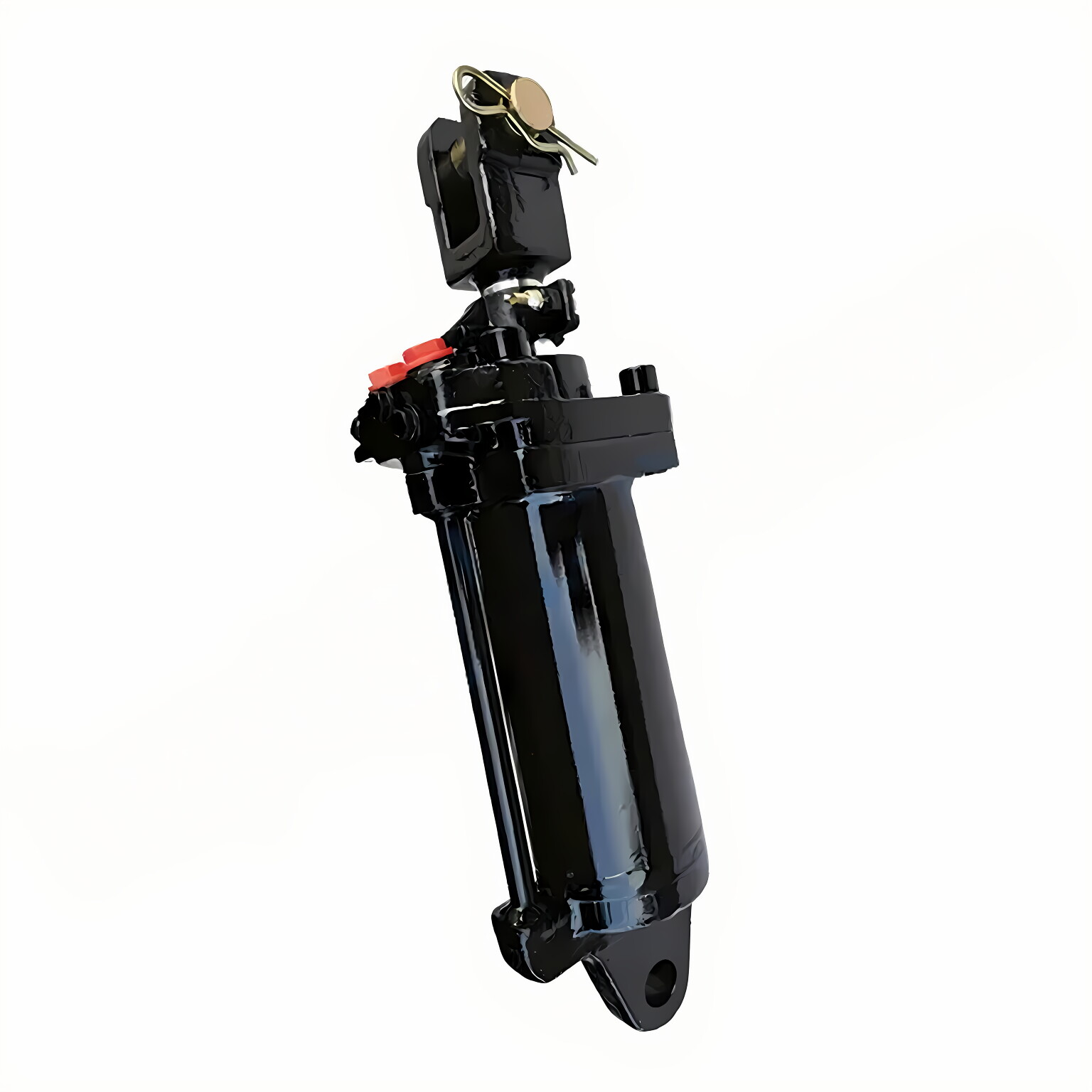
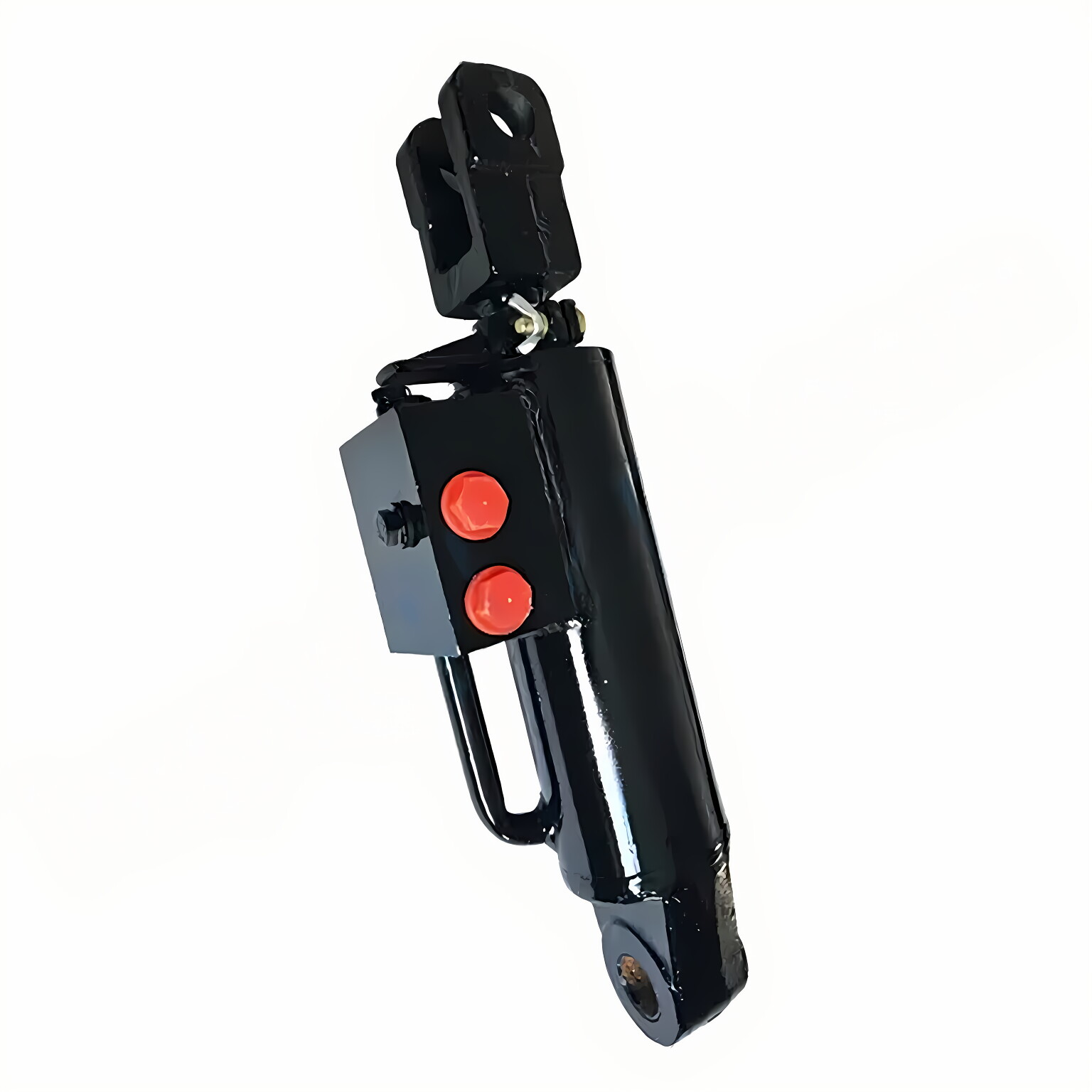
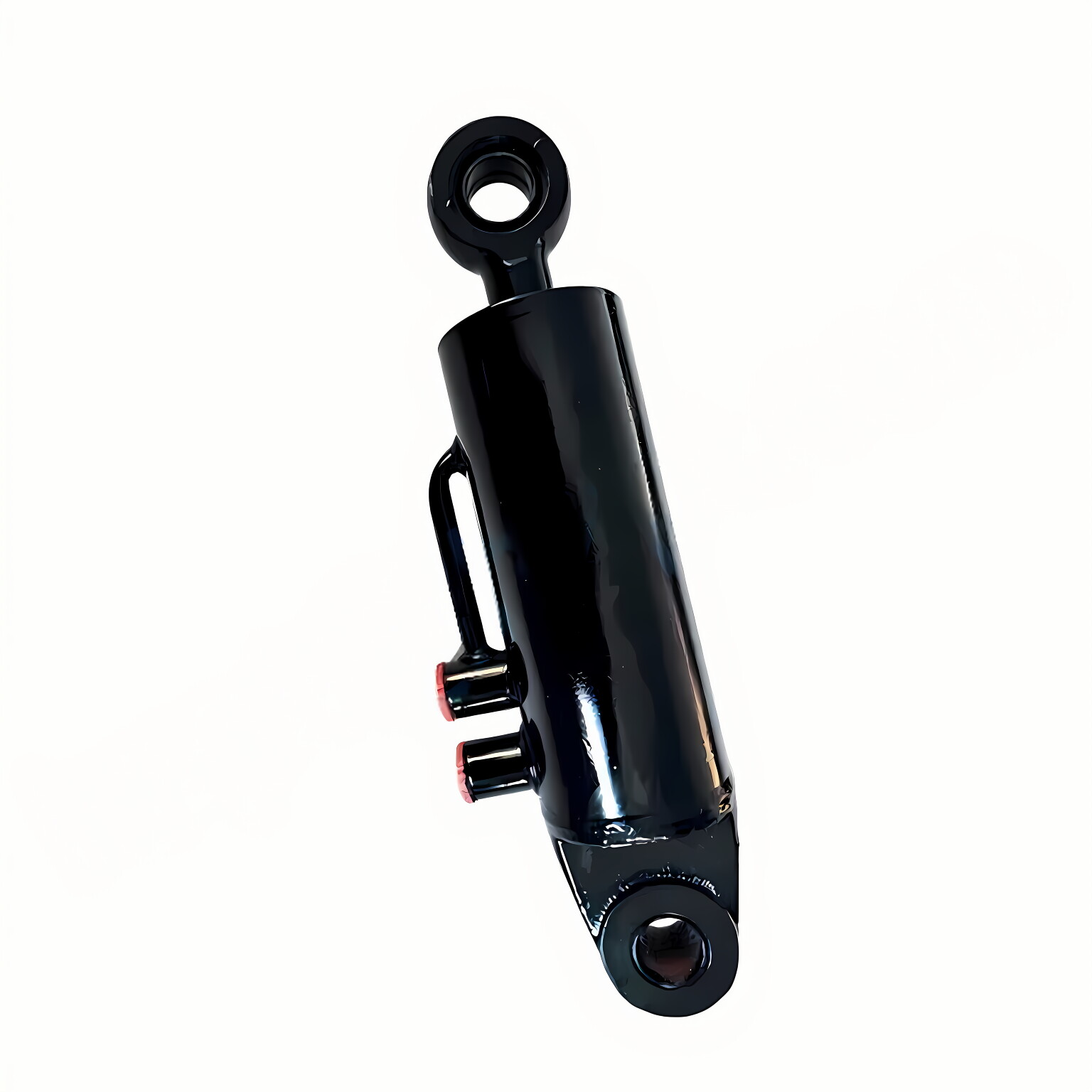
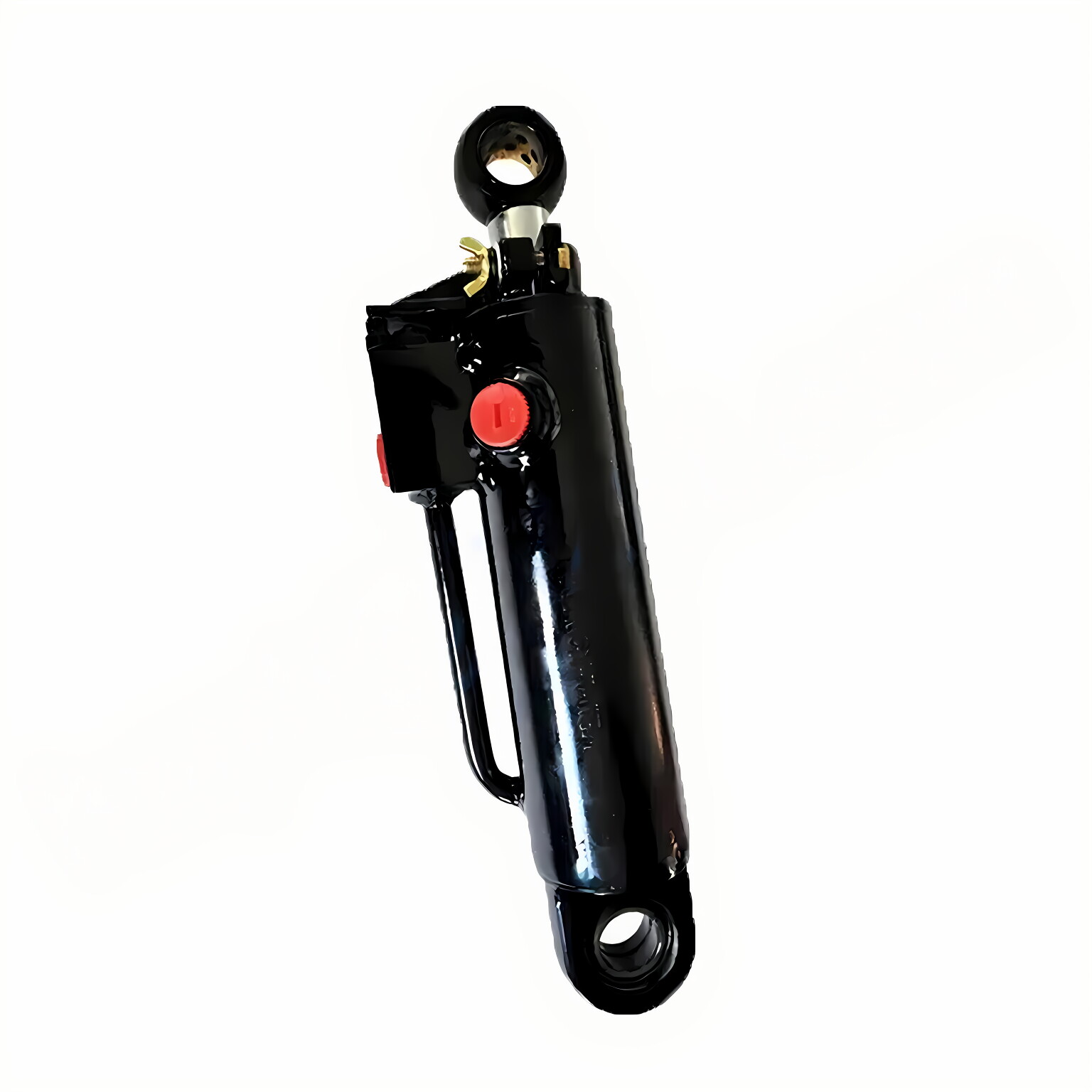
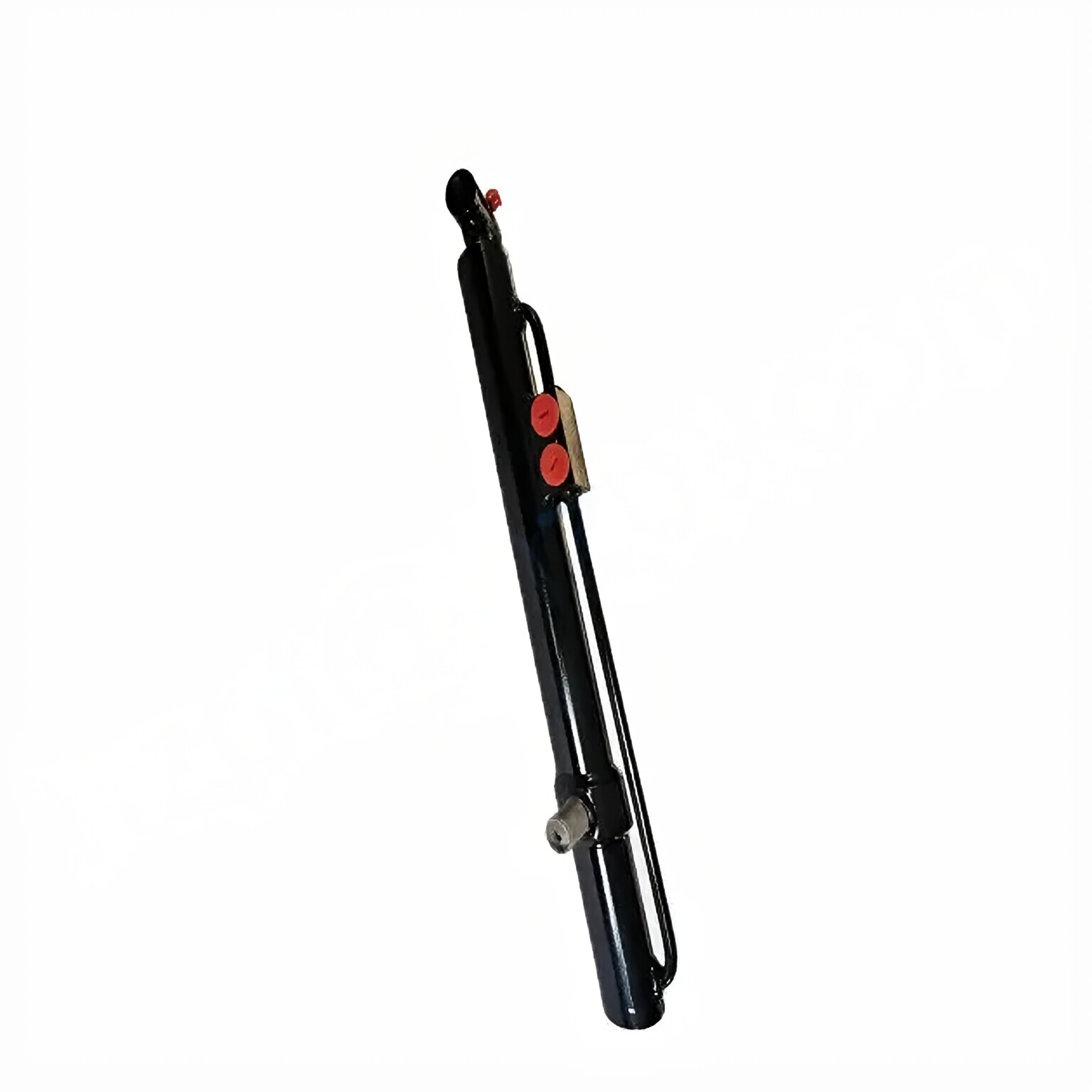
A Lift Oil Cylinder is a critical hydraulic component that converts fluid power into linear mechanical force and motion. It is the primary actuator in countless lifting applications, providing the robust, controlled, and reliable force needed to elevate heavy loads safely and efficiently. At its core, a hydraulic cylinder consists of a cylindrical barrel, a piston, a piston rod, and various seals. Pressurized hydraulic oil, supplied by a pump, enters the cylinder, pushing against the piston surface area. This pressure creates a force (Force = Pressure x Area) that extends or retracts the rod, directly performing the lifting work. From massive construction equipment and industrial presses to precise agricultural machinery and material handling systems, lift oil cylinders are indispensable in modern engineering, prized for their high power density, precise control, and durability under extreme conditions.
For decades, Raydafon Group has stood at the forefront of precision hydraulic manufacturing. Our expertise is embodied in every lift oil cylinder we produce. We understand that the integrity of your machinery hinges on the reliability of its core components. That's why Raydafon Group cylinders are engineered from the ground up using premium-grade materials, subjected to rigorous testing protocols, and manufactured with tolerances that meet the most demanding international standards. Our commitment extends beyond the product; we offer comprehensive technical support, custom engineering services, and a global supply chain to ensure you get the perfect hydraulic solution for your specific application, backed by a name synonymous with trust and performance.
Understanding the precise parameters of a hydraulic cylinder is essential for proper selection, integration, and performance prediction. Raydafon Group's cylinders are available in a vast range of specifications to suit diverse requirements. Below are the core technical parameters that define our product line.
| Series | Bore (mm) | Rod (mm) | Max Pressure (bar) | Standard Stroke Range (mm) | Mounting Options | Primary Application |
|---|---|---|---|---|---|---|
| RHC-200 (Standard Duty) | 40 - 100 | 20 - 56 | 160 | 50 - 500 | Foot, Clevis, Front Flange | Light industrial presses, packaging machines, agricultural implements |
| RHC-300 (Heavy Duty) | 63 - 180 | 36 - 100 | 210 | 100 - 1500 | Clevis, Trunnion, Rear Flange | Construction equipment (dump trucks, excavators), material handling, refuse vehicles |
| RHC-400 (High-Pressure / Telescopic) | 80 - 300 (Stage 1) | Multiple Stages | 250 | Multi-stage up to 6000+ | Custom Trunnion, Pivot Bracket | Hydraulic elevators, mobile cranes, dump trailers, mining equipment |
| RHC-500 (Custom Stainless/Chemical) | 32 - 150 | 16 - 85 | 160 | Custom | Custom Fabrication | Food & beverage processing, marine environments, chemical plants |
How do I select the correct bore and rod size for my application?
Selection requires calculating the required force. First, determine the load weight and system operating pressure. Use the formula: Bore Area = Required Force / Operating Pressure. From the calculated area, derive the bore diameter. Rod size is chosen based on the load's nature. For primarily pushing (compressive) loads, the rod must have sufficient diameter to prevent buckling, which depends on stroke length and mounting style. For applications with high side loads, a larger rod diameter or a stop-tube may be necessary. Raydafon Group's engineering team provides free selection assistance to ensure optimal performance and longevity.
What are the signs that my lift oil cylinder needs servicing or replacement?
Common indicators include visible hydraulic fluid leakage past the rod seals, which is often the first sign. Other symptoms are a slow or jerky operation (especially under load), failure to hold position (drift), inability to generate full force, or visible physical damage like a bent piston rod or dented barrel. Unusual noises during operation can also signal internal wear or cavitation. Regular preventive maintenance, including seal inspection and fluid analysis, is recommended to avoid unexpected downtime.
Can Raydafon Group cylinders be used with bio-degradable or fire-resistant hydraulic fluids?
Yes, absolutely. While standard Raydafon cylinders are compatible with standard mineral-based hydraulic oils, specific configurations are available for use with alternative fluids. When ordering, it is crucial to specify the type of hydraulic fluid (e.g., HETG, HEES, HFC, HFD). This allows our engineers to select the appropriate seal materials (such as Viton or Polyurethane) and rod coatings that are chemically compatible with your specified fluid, ensuring optimal seal life and cylinder performance.
What is the difference between a single-acting and a double-acting lift cylinder?
A single-acting cylinder uses hydraulic pressure to move the piston in only one direction (typically to extend the rod). The return stroke is accomplished by an external force, such as gravity, a spring, or the weight of the load itself. It has one hydraulic port. A double-acting cylinder uses hydraulic pressure for both extension and retraction. It has two ports, allowing pressurized oil to be directed to either side of the piston, providing positive control in both directions. Double-acting designs offer greater control and are used where the load cannot provide the return force or where precise retraction is needed.
Do you offer custom-designed lift oil cylinders for unique applications?
Customization is a cornerstone of Raydafon Group's service. We regularly engineer cylinders for non-standard requirements. This can include unique mounting configurations, specialized stroke lengths, non-standard bore/rod combinations, integration of sensors (for position or pressure), custom porting, specific material requirements (like stainless steel for corrosion resistance), and the design of complex multi-stage telescopic cylinders. Our process begins with a detailed application review to deliver a solution that fits your exact mechanical, performance, and environmental needs.
How do I properly maintain a hydraulic lift cylinder to maximize its service life?
Proactive maintenance is key. First, ensure the hydraulic fluid is kept clean and at the proper level, using filters as recommended. Regularly inspect the cylinder rod for scratches, pitting, or corrosion, as these can damage seals. Keep rod wipers in good condition to prevent contaminants from entering the system. Periodically check all connections for leaks. When storing spare cylinders, ensure they are fully retracted, ports are plugged, and they are kept in a clean, dry environment. Following the OEM's maintenance schedule, which often includes periodic seal replacement, will prevent major failures.
The versatility of the lift oil cylinder makes it a fundamental component across a broad spectrum of sectors. In construction and miningagricultural industry relies on them for tractor loaders, plow adjustments, combine headers, and bale handlers. Material handling and logistics utilize cylinders in forklifts, scissor lifts, dock levelers, and automated storage/retrieval systems. In manufacturing, they drive metal presses, injection molding machines, and assembly line fixtures. Even specialized fields like marine engineering (for hatch covers and steering) and waste management (for garbage truck compactors) depend on their reliable power. Raydafon Group has the experience and product range to serve all these verticals with precision and reliability.

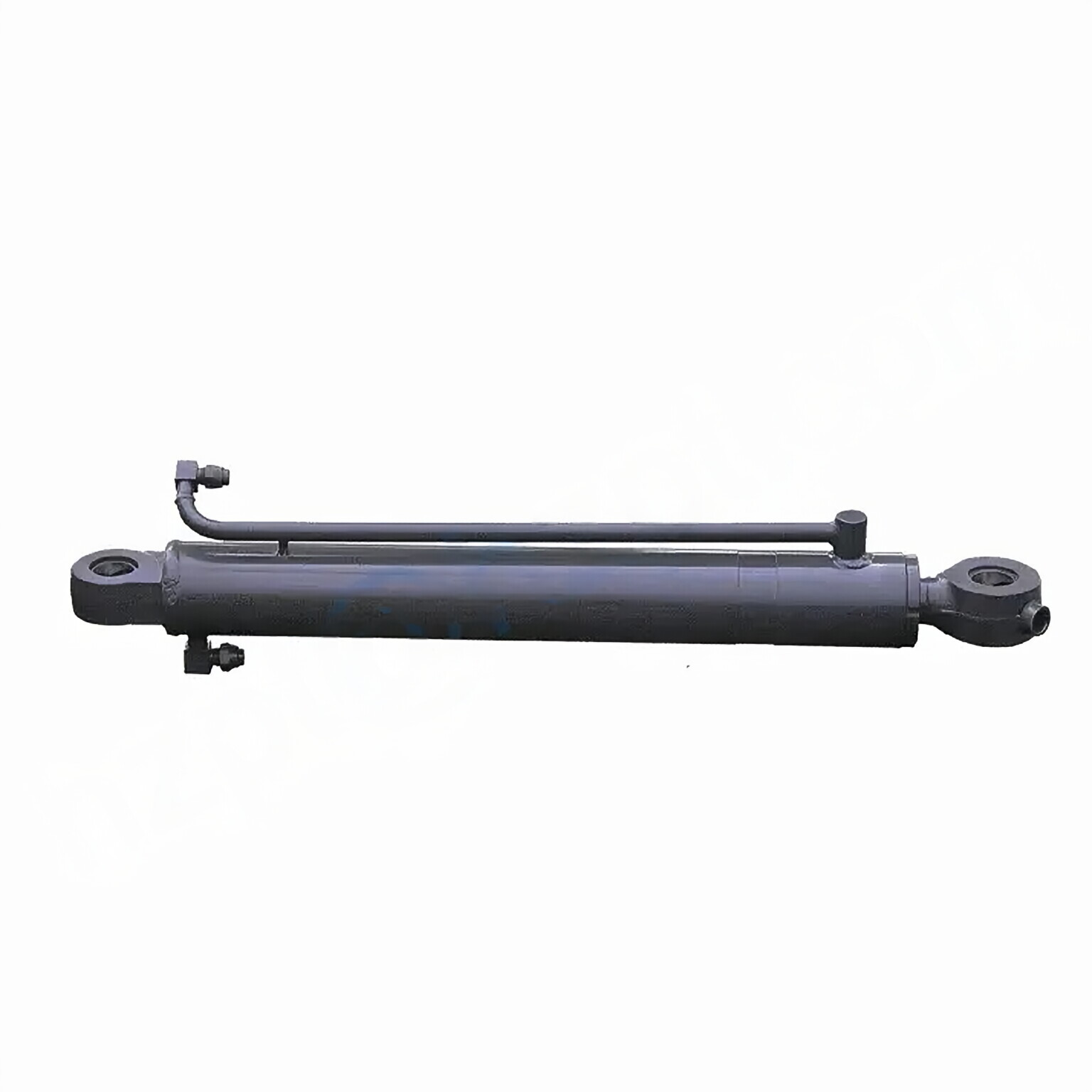
 Raydafon