
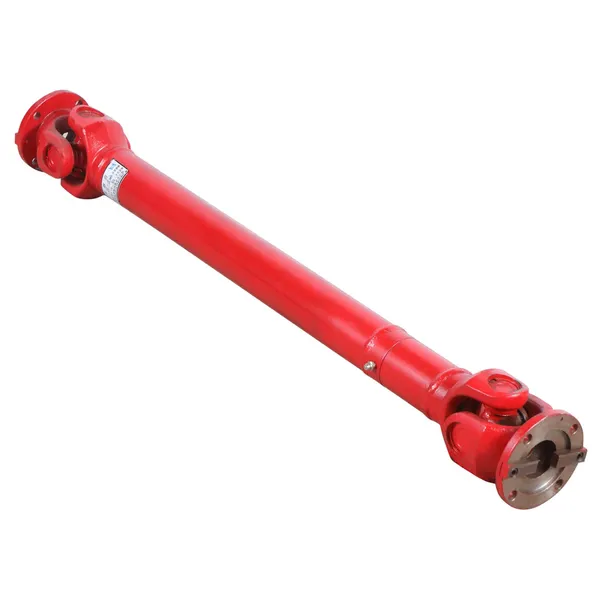
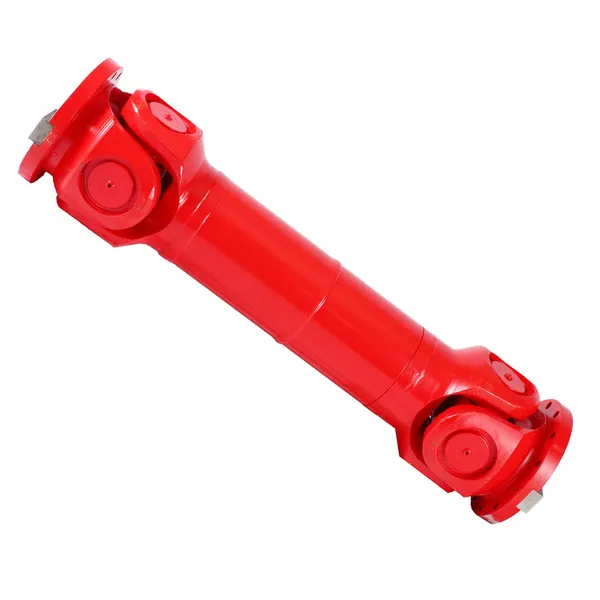
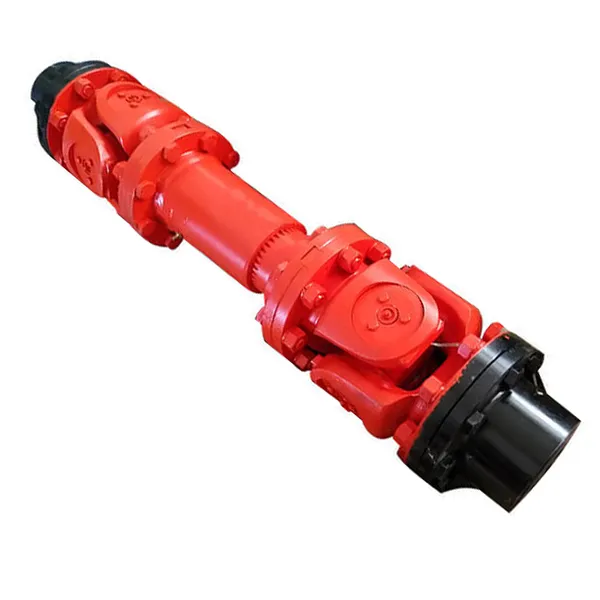
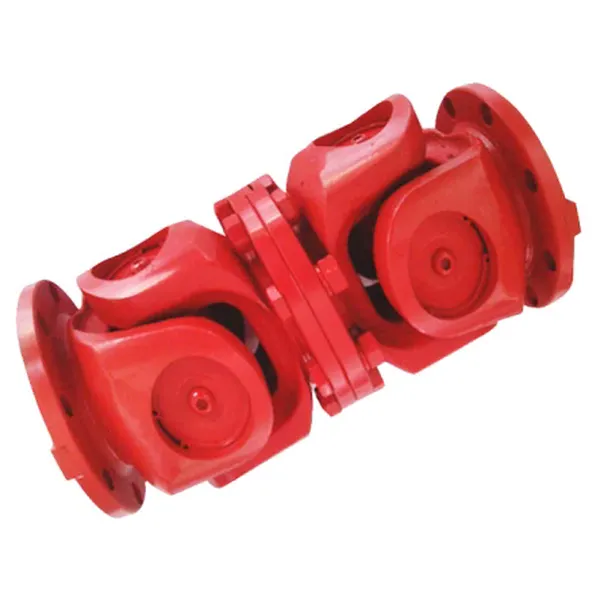
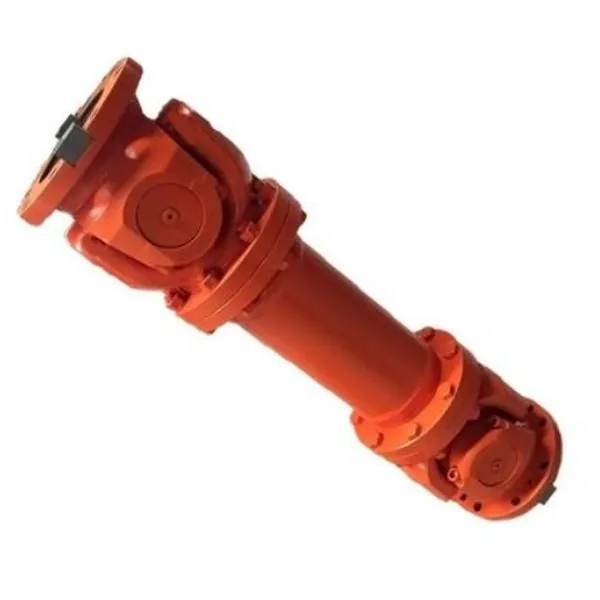
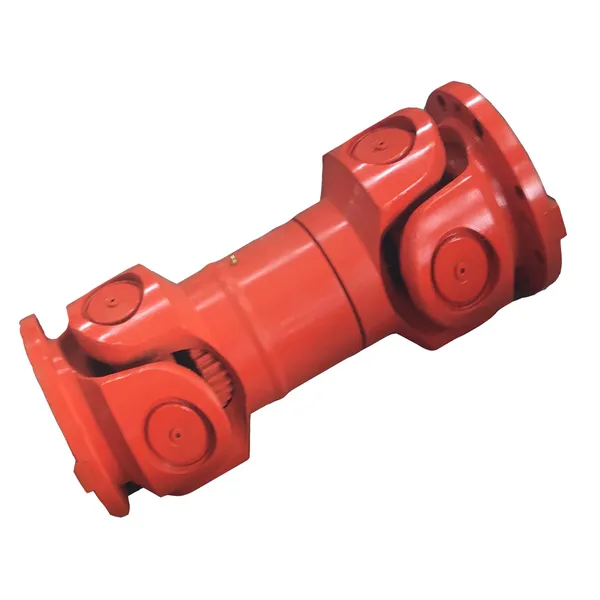
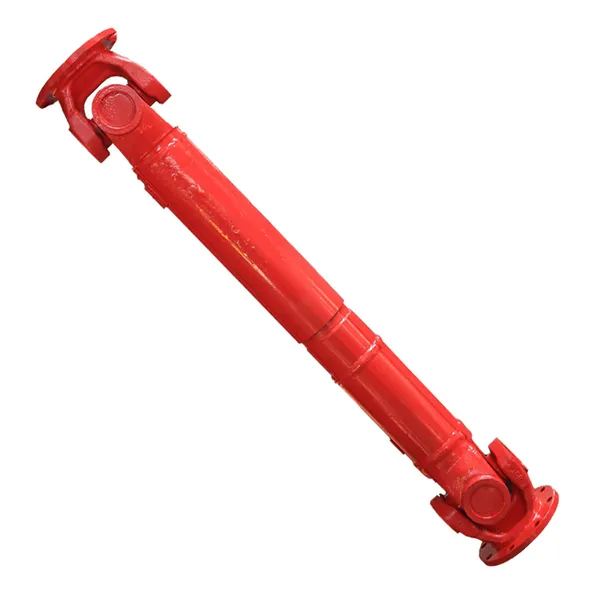
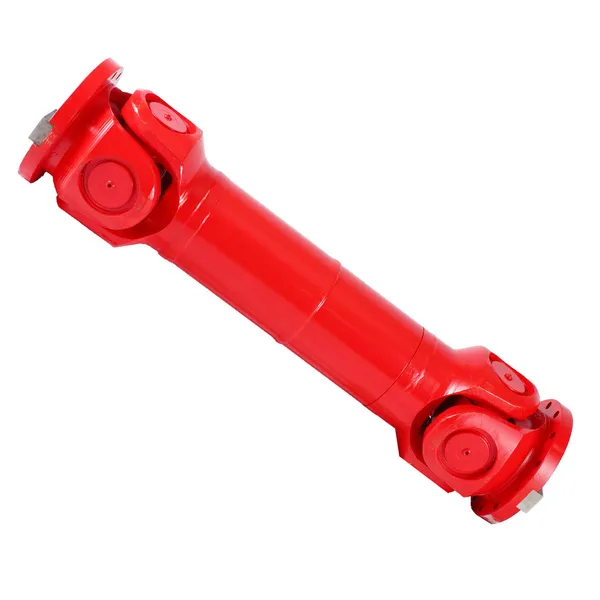
SWC Universal Couplings, a cornerstone product from the Raydafon Group, are precision-engineered mechanical components designed to connect two rotating shafts that are not perfectly aligned. Unlike rigid couplings, they accommodate for angular, parallel, and axial misalignment, ensuring smooth power transmission and protecting connected equipment from stress, vibration, and premature wear. These robust couplings are essential for demanding applications across heavy industries, where reliability and durability under challenging conditions are paramount.
The engineering excellence of Raydafon Group's SWC Universal Couplings is defined by a set of superior features and precise specifications tailored for industrial performance.
| Model Series | Nominal Torque Range (kN.m) | Max Speed (rpm) | Permissible Angular Misalignment | Permissible Parallel Misalignment (mm) | Standard Bore Range (mm) |
|---|---|---|---|---|---|
| SWC-BH (Basic Heavy) | 0.25 - 25 | 2500 - 4000 | ≤ 25° | 0.5 - 6 | 20 - 180 |
| SWC-WS (Wide Speed) | 0.1 - 18 | 4000 - 8000 | ≤ 15° | 0.3 - 4 | 15 - 160 |
| SWC-CH (Compact High-Torque) | 10 - 60 | 1500 - 2500 | ≤ 30° | 1 - 10 | 60 - 300 |
| SWC-LF (Long Form) | 5 - 45 | 1000 - 2000 | ≤ 10° | 2 - 15 | 50 - 250 |
Raydafon Group ensures the integrity of every SWC coupling through stringent material selection and adherence to international standards.
Q: What are the primary advantages of choosing an SWC universal coupling over a gear coupling or a grid coupling?
A: SWC couplings offer several distinct advantages. They typically provide higher angular misalignment capacity than gear couplings without requiring lubrication, eliminating maintenance and contamination risks. Compared to grid couplings, SWC designs often have a higher torque-to-size ratio and better performance at high speeds due to superior balancing. Their compact, robust construction makes them ideal for heavy-duty, high-reliability applications like steel mills, mining conveyors, and marine propulsion.
Q: In which industries are Raydafon Group's SWC couplings most commonly used?
A: These couplings are workhorses in industries demanding robust power transmission solutions. Key sectors include: Metallurgical (rolling mills, continuous casters), Mining (crushers, conveyors, bucket-wheel excavators), Marine & Offshore (main propulsion systems, deck cranes, pump drives), Power Generation (turbine drives, boiler feed pumps), and Heavy Machinery (paper mills, rubber & plastic machinery).
Q: Can SWC couplings operate in harsh environments?
A: Yes, a key strength of the Raydafon Group's SWC design is its environmental resilience. Standard models are built with corrosion-resistant materials and surface treatments. For extreme conditions, special executions are available, including stainless steel components, sealed versions to exclude dust and moisture, and high-temperature adaptations for applications near furnaces or kilns.
Q: How do I select the correct size and model of an SWC coupling for my application?
A: Proper selection requires calculating several key parameters: 1) Required Torque: Calculate the design torque considering service factors for shock loads or start-up conditions. 2) Shaft Sizes & Keyways: Determine the bore diameters and keyway dimensions for both connected shafts. 3) Misalignment Values: Estimate the expected angular, parallel, and axial misalignment during operation. 4) Operating Speed: Determine the maximum RPM. Cross-reference these values with the Raydafon Group selection tables or use their proprietary sizing software to find a model where all your parameters fall within the coupling's rated capacities.
Q: What is the expected service life of an SWC universal coupling?
A: The service life is highly dependent on operating conditions—specifically, the magnitude of misalignment, load fluctuations, and environmental factors. Under normal conditions with proper alignment within specified limits and absence of extreme overloads, Raydafon Group SWC couplings are designed for a service life exceeding 50,000 operating hours. Regular visual inspections for wear, cracks, or loose fasteners are recommended as part of a predictive maintenance program.
Q: Are these couplings truly maintenance-free?
A> The standard design of Raydafon's SWC couplings utilizes self-lubricating bearing elements within the swivel block, eliminating the need for routine grease lubrication—hence the term "maintenance-free." However, "maintenance-free" does not mean "ignore." Periodic inspections for bolt tightness, signs of abnormal wear, corrosion, or damage are crucial to ensure long-term reliability and prevent unexpected downtime.
Q: What are the critical steps for installing an SWC coupling correctly?
A> Correct installation is vital. Key steps include: 1) Cleanliness: Ensure shafts, coupling bores, and keyways are clean and undamaged. 2) Alignment: Use dial indicators or laser alignment tools to align the connected machinery shafts as precisely as possible before tightening the coupling bolts. Even though the coupling compensates for misalignment, good initial alignment extends its life. 3) Mounting: Slide the coupling halves onto the shafts without force. Use proper tools to tighten flange bolts to the specified torque values in a star pattern. 4) Clearance Check: Manually rotate the assembly to ensure there is no binding and that all moving parts have adequate clearance.
Q: What are the typical failure modes of an SWC coupling, and how can they be prevented?
A> Common failure modes include: 1) Wear of the Swivel Block/Bearing: Caused by excessive misalignment or contamination. Prevention: Ensure alignment is within specs and use sealed versions in dirty environments. 2) Fatigue Cracking in the Yoke or Flange: Result of cyclic overloads or material defects. Prevention: Proper sizing with adequate service factors and sourcing from reputable manufacturers like Raydafon Group. 3) Bolt Loosening or Shearing: Due to improper tightening torque or severe vibration. Prevention: Use a calibrated torque wrench during installation and consider thread-locking adhesives. Regular inspection is the best preventative measure.
Q: Can I get a custom-designed SWC coupling for a special application?
A> Absolutely. The Raydafon Group engineering team specializes in developing custom solutions. Modifications can include special bore sizes or keyways, unusual flange configurations, the use of exotic materials for corrosive or high-temperature environments, specific balance grades for ultra-high-speed applications, and altered lengths or safety covers. Consulting with their application engineers at the project design phase is highly recommended.

 Raydafon