
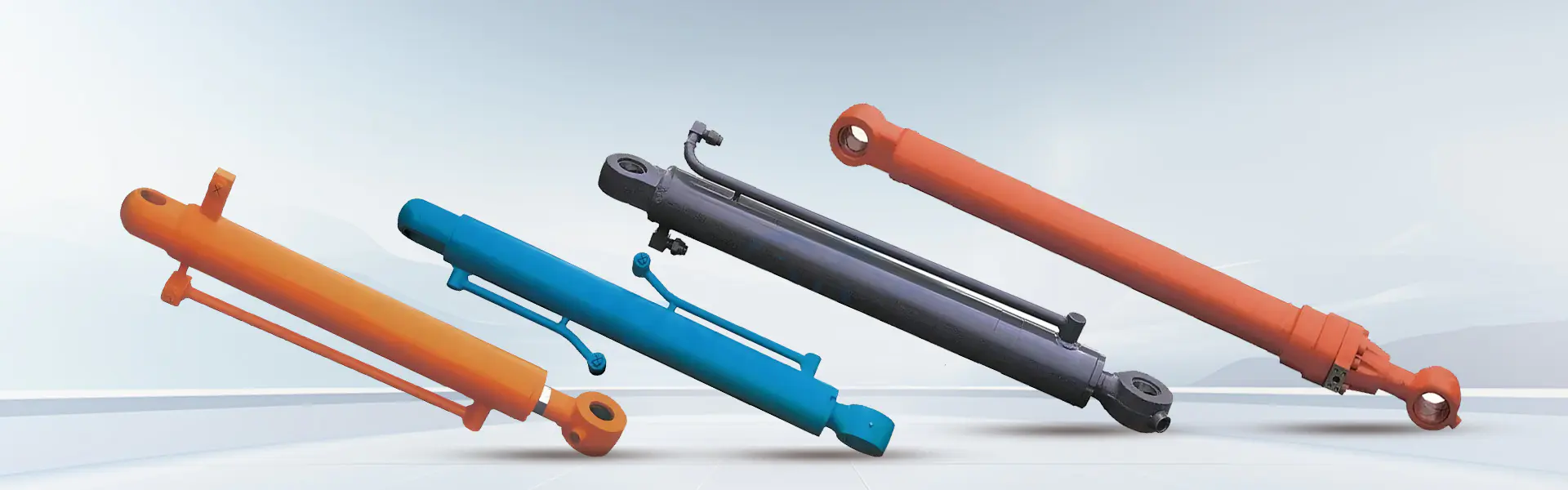
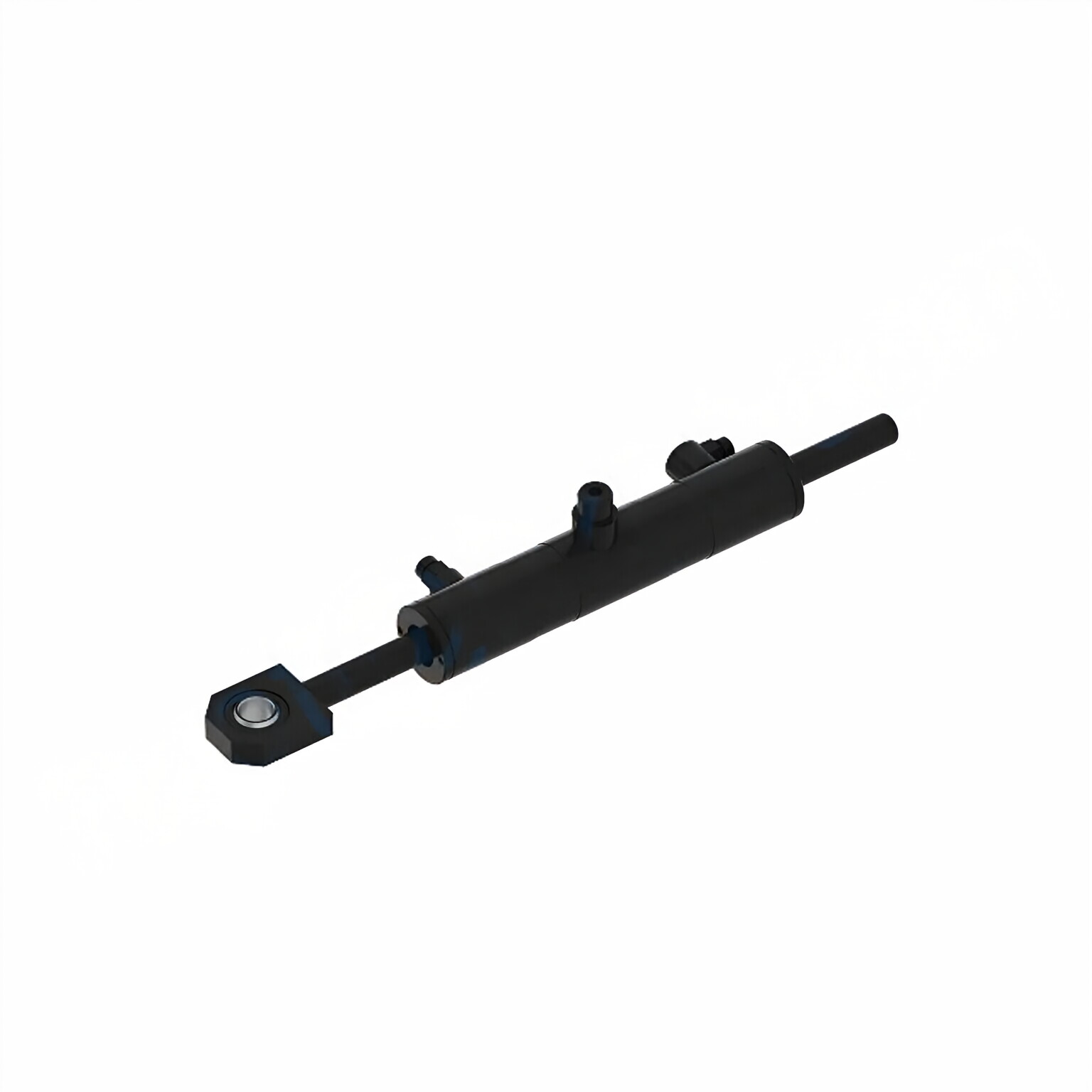
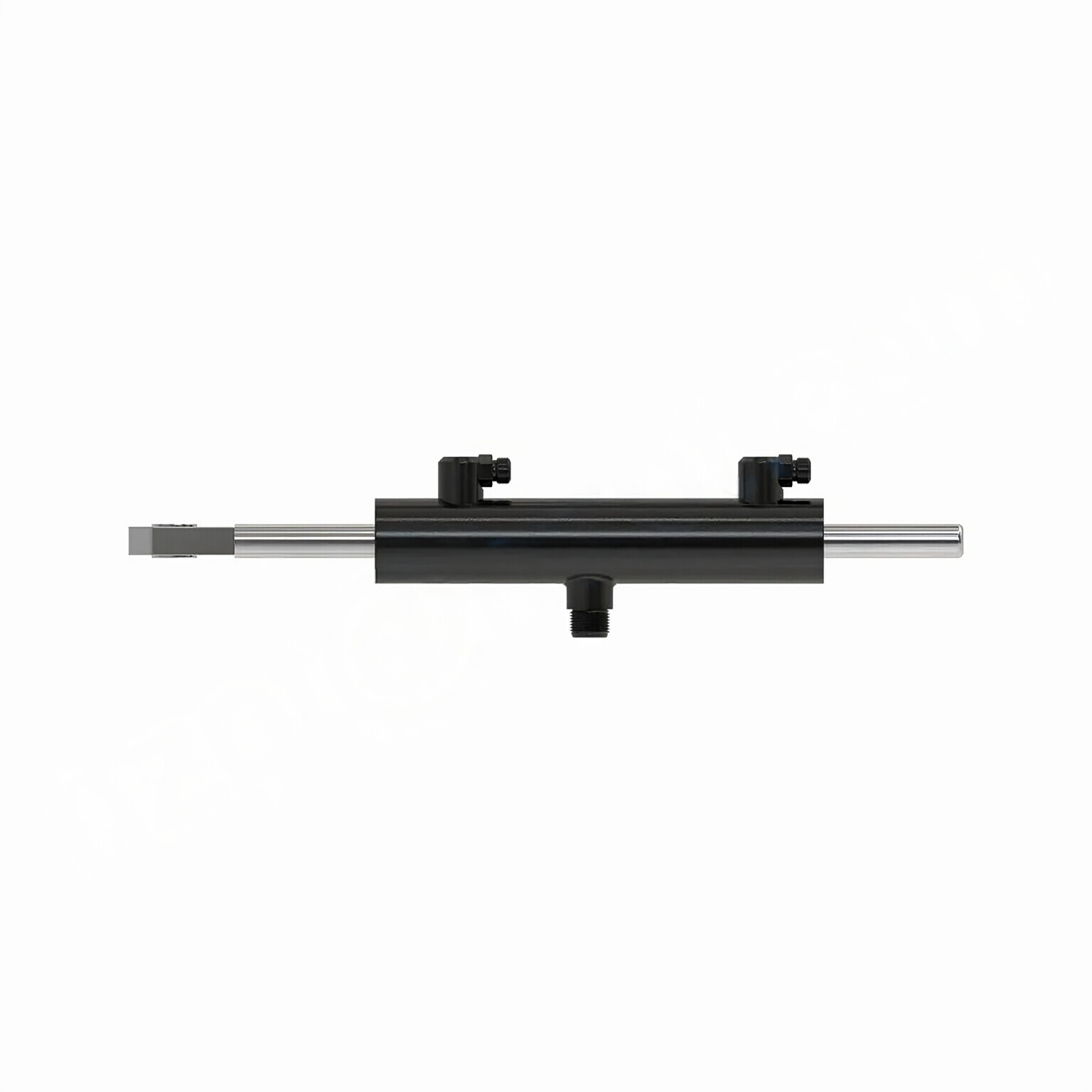
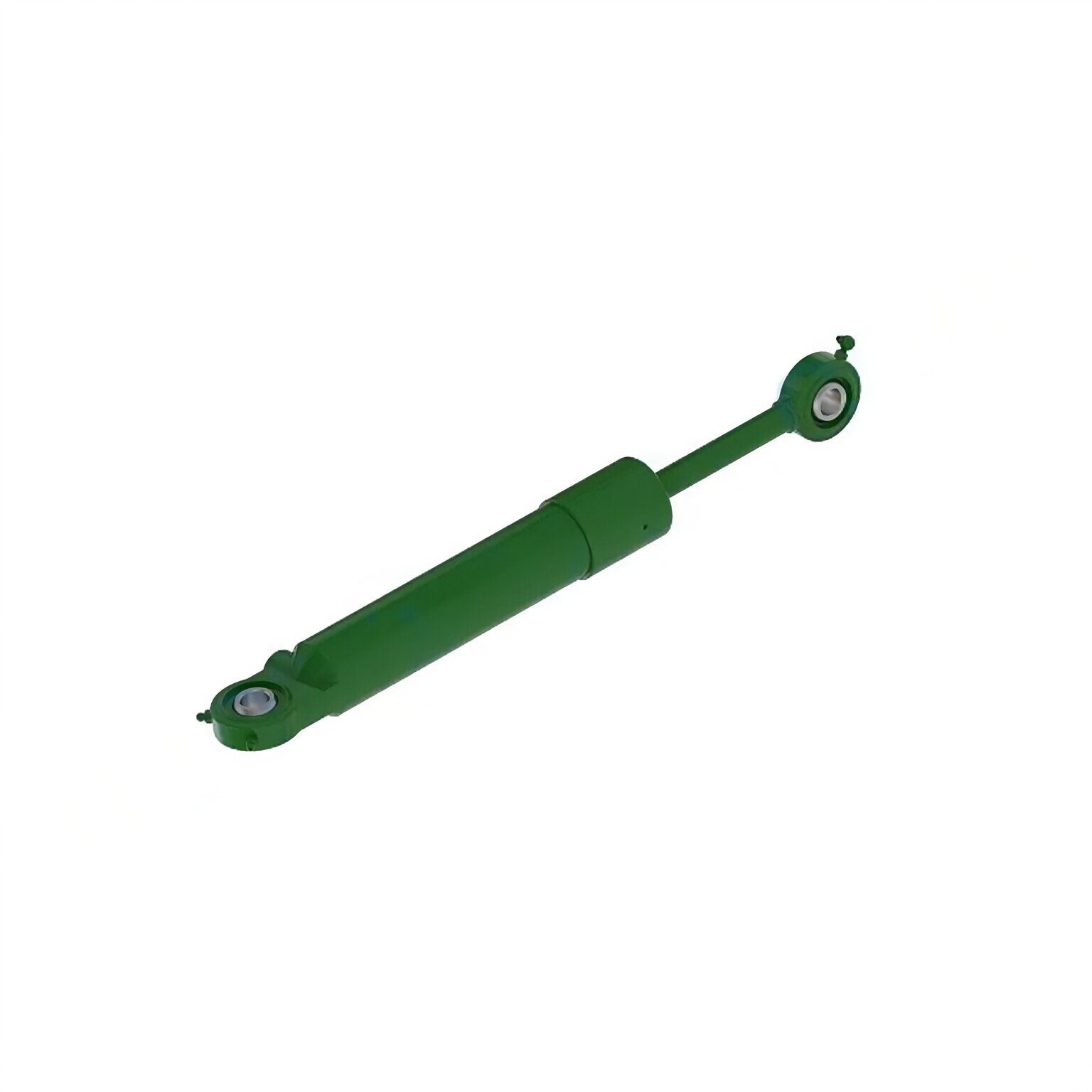
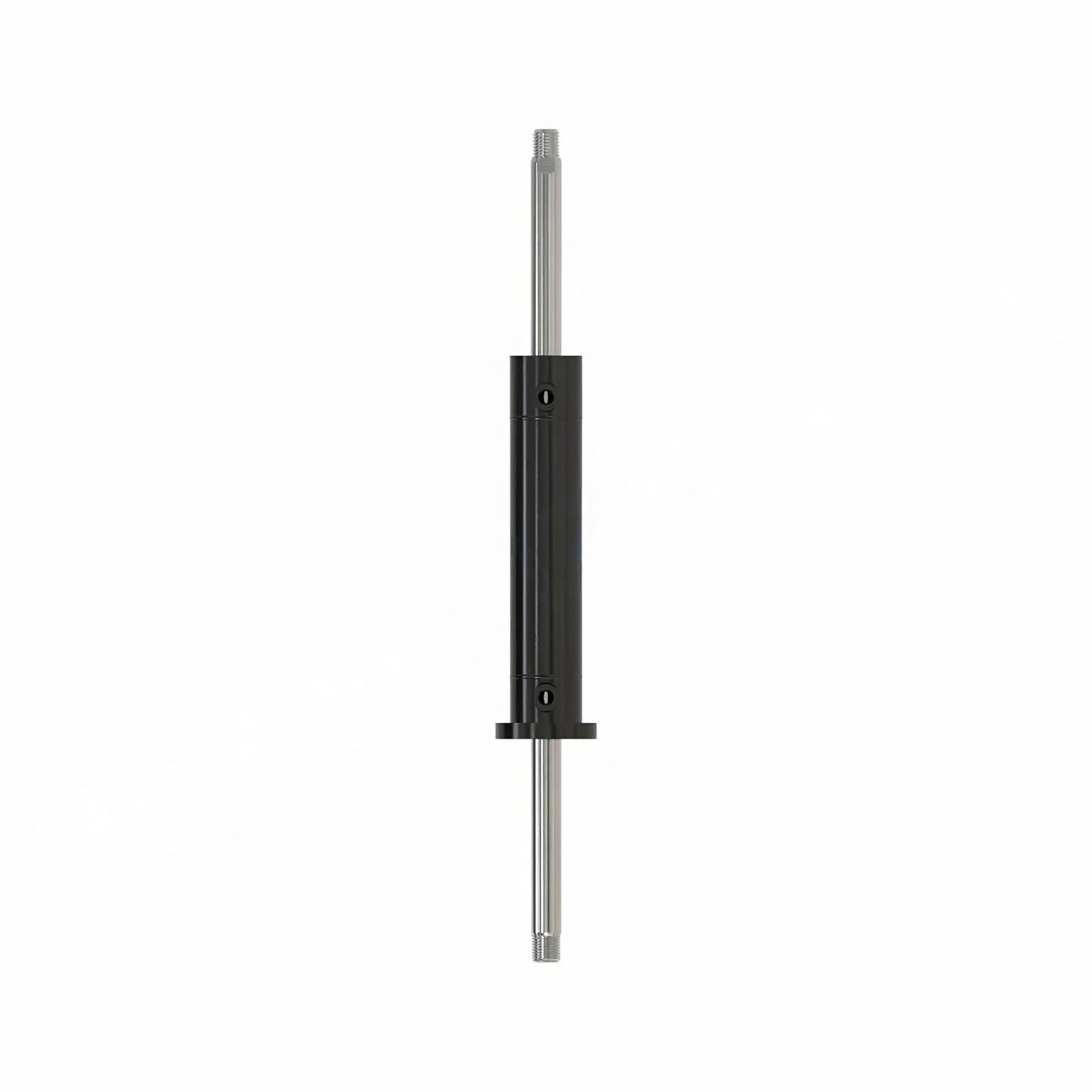
Raydafon Group, a leader in precision hydraulic solutions, presents its advanced line of Steering Hydraulic Cylinders. Engineered for durability and exceptional performance, these cylinders are the cornerstone of reliable and responsive steering in a vast array of heavy-duty mobile and industrial machinery. From articulated loaders and compact tractors to large-scale agricultural equipment and material handlers, our cylinders deliver the precise, powerful linear motion required for controlled and safe operation. This technical overview details the specifications, design features, and applications that set Raydafon Group's steering cylinders apart in the global market.
Raydafon Group's steering hydraulic cylinders are manufactured to exacting standards, utilizing high-grade materials and advanced machining processes. The following parameters define our standard product range, with custom configurations available to meet specific OEM requirements.
| Component | Material Specification | Surface Treatment / Finish |
|---|---|---|
| Cylinder Barrel (Tube) | DOM (Drawn Over Mandrel) steel tubing, honed to a surface finish of 10-15 Ra µin. | Internal: Honed and phosphate-coated. External: Painted per customer specification. |
| Piston Rod | High-tensile strength chrome-molybdenum steel, induction hardened. | Hard chrome plated (0.001" min thickness) to 65-70 Rc, polished to 8-12 Ra µin. |
| Piston | Cartridge-style, machined from high-grade steel or ductile iron. | Fitted with custom-compounded, wear-resistant polyurethane seals. |
| End Caps (Head & Gland) | High-strength steel, precision machined. | Threaded or bolted construction with static O-ring seals. |
| Seals & Wear Rings | Primary seals: Polyurethane. Secondary seals: Nitrile (Buna-N). High-temperature option: Viton®. | Wear rings: Premium reinforced thermoplastic or bronze for reduced friction and long service life. |
Raydafon Group cylinders incorporate design elements that directly combat the common failure modes in demanding steering applications.
Our steering hydraulic cylinders are specified by leading OEMs across multiple sectors:
Q: What is the most critical factor in selecting a steering cylinder for a new machine design?
A: The most critical factor is accurately calculating the required force (based on axle load, pivot geometry, and friction) and matching it to the cylinder's bore size and system pressure. An undersized cylinder will be sluggish or fail, while an oversized one increases cost and system volume. Raydafon Group's engineering team provides direct support for these calculations to ensure optimal selection.
Q: How do I know if I need a single-acting or double-acting steering cylinder?
A: The vast majority of power steering systems use double-acting cylinders, as they provide controlled force in both directions (left and right turn). Single-acting cylinders (power in one direction, return by spring or external force) are rare in modern steering and are typically only found in very simple or fail-safe auxiliary systems. Our standard offerings are double-acting.
Q: What causes a steering cylinder to start "drifting" or not holding its position?
A: Drift is almost always caused by internal leakage past the piston seals. This can be due to seal wear from contamination in the hydraulic fluid, scoring of the cylinder barrel, or excessive system pressure degrading the seal material. Regular fluid maintenance with proper filtration is the best prevention. Raydafon Group uses premium seal compounds specifically formulated for high-pressure, dynamic steering applications to maximize seal life.
Q: Can I repair a leaking steering cylinder, or must it be replaced entirely?
A> Most Raydafon Group steering cylinders are designed to be repairable. A standard repair kit includes new piston seals, rod seals, wipers, and often wear rings. If the rod is deeply scored or the barrel is damaged, those components may need re-chroming or replacement. We provide comprehensive repair manuals and kits for our products, supporting a sustainable lifecycle for your equipment.
Q: Why is the piston rod chrome plated and polished?
A> The hard chrome plating serves two vital functions. First, it provides an extremely hard, wear-resistant surface (65-70 Rc) that withstands constant contact with seals and exposure to the environment. Second, it offers excellent corrosion resistance. The mirror-like polish (8-12 Ra µin) minimizes friction and seal wear, ensuring smooth operation and long seal life.
Q: My application is in a highly corrosive environment (e.g., fertilizer spreader, marine use). What options does Raydafon Group offer?
A> For corrosive environments, we recommend our upgraded packages: 1) Stainless Steel Rod Option: Uses 17-4PH or 316 stainless steel for the rod. 2) Full Corrosion-Resistant Package: Includes stainless steel rod, nickel-plated barrel and caps, and seals compatible with saltwater or chemicals. 3) Marine-Grade Coatings: Special exterior paint systems.
Q: What is the typical lead time for custom steering cylinder configurations?
A> Lead time depends on complexity and order volume. For standard configurations with non-standard strokes or mounts, lead time is typically 4-6 weeks. For fully custom designs involving new tooling or extensive engineering, the timeline is 8-12 weeks. Raydafon Group maintains an inventory of common components to expedite build times where possible.
Q: How does Raydafon Group ensure quality and consistency in its cylinder production?
A> Quality is embedded in our process. We utilize Statistical Process Control (SPC) at critical machining stages, perform 100% pressure testing on every cylinder (including proof pressure and leak-down tests), and conduct final dimensional inspection. Our materials are sourced from certified suppliers, and our quality management system is ISO 9001 certified, ensuring traceability and consistent performance in every steering hydraulic cylinder we ship.

 Raydafon