
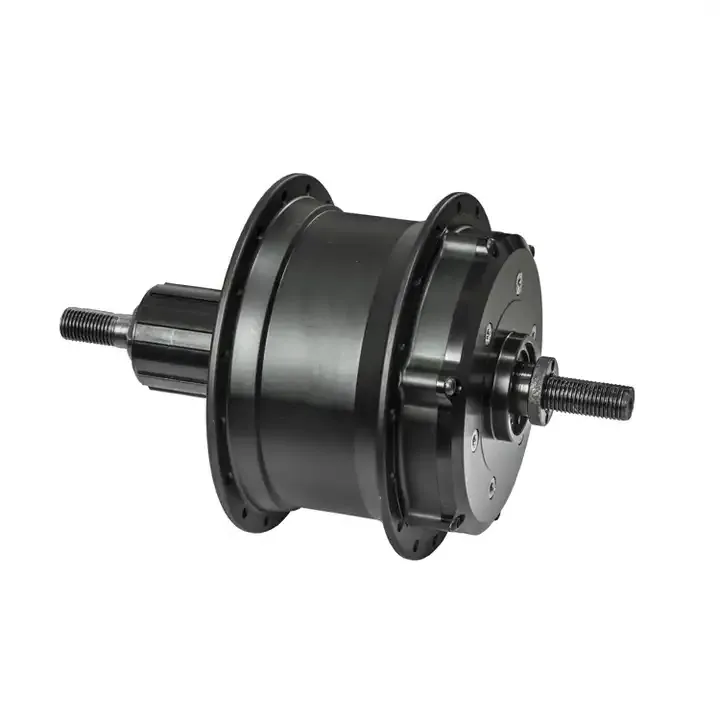
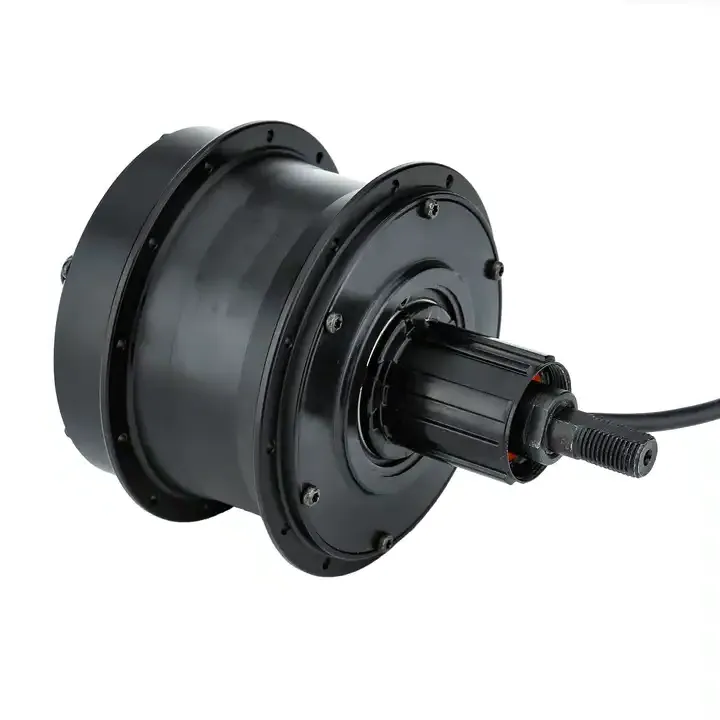
In the world of precision motion control and reliable mechanical actuation, DC Gear Motors stand as fundamental components. Also commonly known as geared DC motors, these devices integrate a standard direct current (DC) motor with a reduction gearbox (gearmotor). This combination is engineered to deliver high torque at comparatively low speeds, a performance characteristic that is essential for countless applications. The core principle is straightforward: the high-speed, low-torque output of the DC motor is converted by the gear train into a lower-speed, higher-torque output. This makes them vastly more versatile and practical for driving loads directly than a standalone DC motor could achieve. From automated industrial machinery and medical devices to consumer electronics and robotics, DC gear motors are the unsung heroes providing the necessary force and control in compact, efficient packages.
The Raydafon Group, with decades of engineering excellence, specializes in the design and manufacture of high-performance DC gear motors. We understand that selecting the right motor is critical for the efficiency and longevity of your application. Our commitment lies in providing robust, reliable, and precisely engineered solutions that meet stringent global standards.
Selecting the appropriate DC gearmotor requires a detailed understanding of its technical parameters. Here are the critical specifications to consider:
To illustrate the range of products available from Raydafon Group, the table below details specifications for several of our standard series models. These are engineered for reliability across diverse applications.
| Model Series | Rated Voltage | Gear Ratio Range | Rated Output Speed Range | Rated Torque Range | Gear Type | Motor Type | IP Rating |
|---|---|---|---|---|---|---|---|
| RDF-SPG Series | 12V / 24V DC | 5:1 to 1500:1 | 3 RPM to 1500 RPM | 0.5 Nm to 15 Nm | Spur Gear | Brushed | IP44 |
| RDF-PLG Series | 24V / 48V DC | 3:1 to 512:1 | 10 RPM to 2500 RPM | 1 Nm to 70 Nm | Planetary Gear | Brushless (BLDC) | IP54 |
| RDF-WRM Series | 12V / 24V DC | 10:1 to 100:1 | 15 RPM to 150 RPM | 10 Nm to 120 Nm | Worm Gear | Brushed | IP65 |
| RDF-MINI Series | 3V / 6V DC | 10:1 to 1000:1 | 5 RPM to 500 RPM | 0.01 Nm to 0.5 Nm | Spur / Planetary | Brushed Coreless | IP40 |
Q: What is the primary advantage of using a DC gear motor instead of a regular DC motor?
A: The primary advantage is the ability to achieve high torque at low rotational speeds. A regular DC motor typically spins very fast with relatively low torque, which is unsuitable for directly driving most mechanical loads like wheels, conveyor belts, or actuators. The integrated gearbox reduces the speed and multiplies the torque, making it directly applicable for these tasks without the need for additional, bulky reduction systems.
Q: What is the difference between spur, planetary, and worm gear types in a DC gear motor?
A: Spur gears are simple, cost-effective, and suitable for moderate torque applications but can be noisier and have higher backlash. Planetary gears offer high torque density, excellent efficiency, and low backlash in a compact size, making them ideal for precision applications, though they are more complex. Worm gears provide very high reduction ratios in a single stage, are self-locking (preventing back-driving), and are quiet, but they have lower efficiency and generate more heat.
Q: How do I choose the right voltage for my DC gear motor application?
A: The voltage selection is primarily dictated by your available power supply. Common standards are 12V (automotive/robotics) and 24V (industrial control). Higher voltages (like 48V) are often used in higher-power systems as they allow for lower current draw for the same power, reducing wire gauge requirements and I²R losses. Always operate the motor at or near its rated voltage for designed performance.
Q: What does "rated torque" mean, and how is it different from "stall torque"?
A: Rated Torque is the continuous torque the motor can safely and reliably produce without risk of overheating or damaging the windings or gears. Stall Torque is the maximum torque the motor can generate when the output shaft is forcibly prevented from rotating. Operating at or near stall torque for more than a few seconds will typically cause overheating and permanent damage. Design your system to run within the rated torque range.
Q: Can I control the speed of a DC gear motor?
A: Yes, the speed of a brushed DC gear motor is generally proportional to the applied voltage. The most common and efficient method for speed control is Pulse Width Modulation (PWM). A PWM controller rapidly switches the power on and off, varying the width of the pulses to effectively change the average voltage supplied to the motor, thereby controlling its speed. For brushless DC (BLDC) gear motors, specialized electronic speed controllers (ESCs) are required.
Q: What maintenance do DC gear motors require?
A: Brushed DC gear motors may require periodic brush inspection and replacement after extensive use. The gearbox is typically lubricated for life, but in very demanding or continuous operation, re-lubrication might be necessary as per the manufacturer's guidelines. Brushless DC gear motors have significantly less wear-related maintenance due to the absence of brushes. Ensuring the motor operates within its specified parameters (voltage, torque, temperature) is the best preventive maintenance. Motors from Raydafon Group are built for durability and require minimal maintenance under normal operating conditions.
Q: What is backlash in a gearbox, and why is it important?
A: Backlash is the slight amount of free movement or "play" between mating gear teeth. It is the angle the output shaft can move without the input shaft moving. While some backlash is necessary to prevent binding and allow for lubrication, excessive backlash can reduce precision in positioning applications (like robotics or CNC axes) and cause control instability. Planetary gearboxes typically offer lower backlash than spur gearboxes.
Q: How do I determine the required torque and speed for my application?
A: Calculating required torque involves analyzing the forces needed to move your load, including friction, inertia, and any gravitational components. Speed is determined by how fast you need the load to move. It often requires mechanical engineering calculations. The team at Raydafon Group provides extensive technical support and can assist with these calculations based on your application parameters to ensure you select a motor with an optimal safety margin.
Q: Are DC gear motors from Raydafon Group customizable?
A: Absolutely. While our standard series cover a wide array of needs, we specialize in customized solutions. Modifications can include specific shaft designs, special connectors or lead wires, unique gear ratios, integrated encoders or brakes, custom windings for specific voltage/torque curves, and tailored IP ratings for harsh environments. We work closely with clients from prototype to production.

 Raydafon