
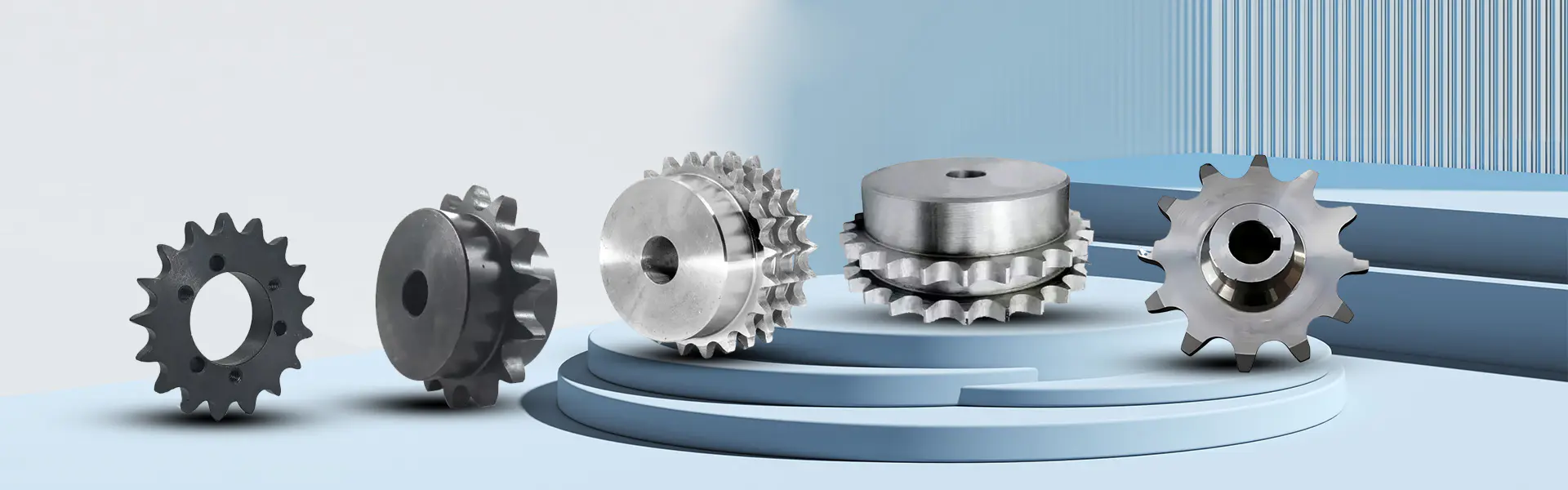
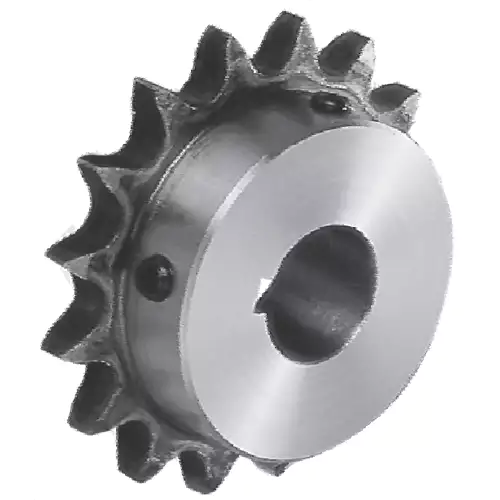
As a procurement manager for heavy machinery or conveyor systems, you’ve likely faced the frustrating moment when a critical sprocket fails unexpectedly. Teeth wear down, chains slip, and production halts. Often, the root cause circles back to one pivotal decision made months earlier: What materials are used to manufacture plate wheel sprockets? Choose cheap low‑carbon steel, and you invite rapid abrasion in gritty environments. Pick untreated alloy in a washdown plant, and corrosion eats away your budget. The materials in your Plate Wheel Sprockets directly determine load capacity, wear life, and total cost of ownership. At Raydafon Technology Group Co.,Limited, we’ve spent two decades helping procurement teams decode these choices. We know that identifying the right material isn’t just a technical spec—it’s your first line of defense against unplanned downtime. In this guide, we map out the exact materials used in modern sprocket manufacturing, the operating conditions each one handles best, and how partnering with an expert supplier like Raydafon turns a recurring headache into a predictable, low‑maintenance system.
Pain Point Scenario: Imagine a mining conveyor running 24/7 in a dusty, high‑load environment. A purchasing manager orders standard C45 plate wheel sprockets to meet a tight deadline. Within three months, abrasive ore particles have worn teeth to knife‑edges, causing chain skipping and a full line stoppage. The cost of emergency replacement and lost output dwarfs any initial savings.
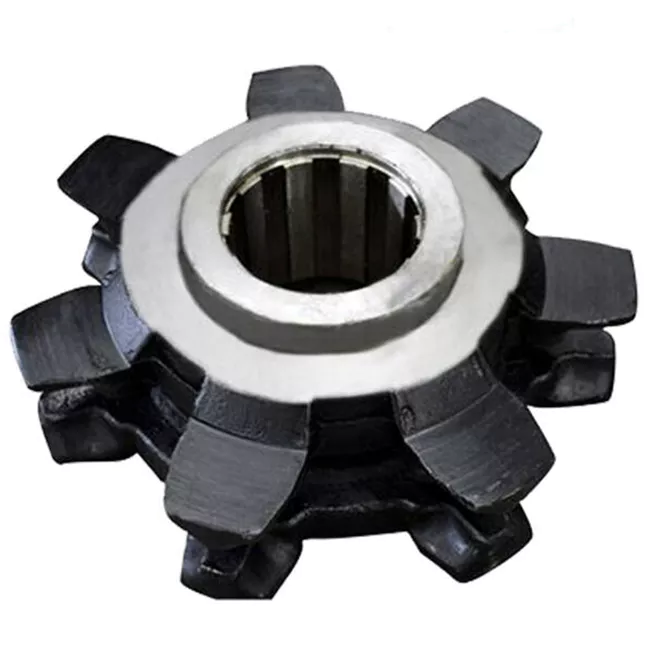
Solution: Material selection must match real‑world stress. For abrasive conditions, induction‑hardened C45 or 40Cr alloy steel with a surface hardness of HRC 50–55 dramatically extends service life. In food or chemical plants, 304 or 316 stainless steel eliminates rust. Raydafon Technology Group Co.,Limited pre‑assesses your application parameters—load, speed, temperature, exposure—and recommends a material grade with documented performance data, so you prevent failures instead of reacting to them.
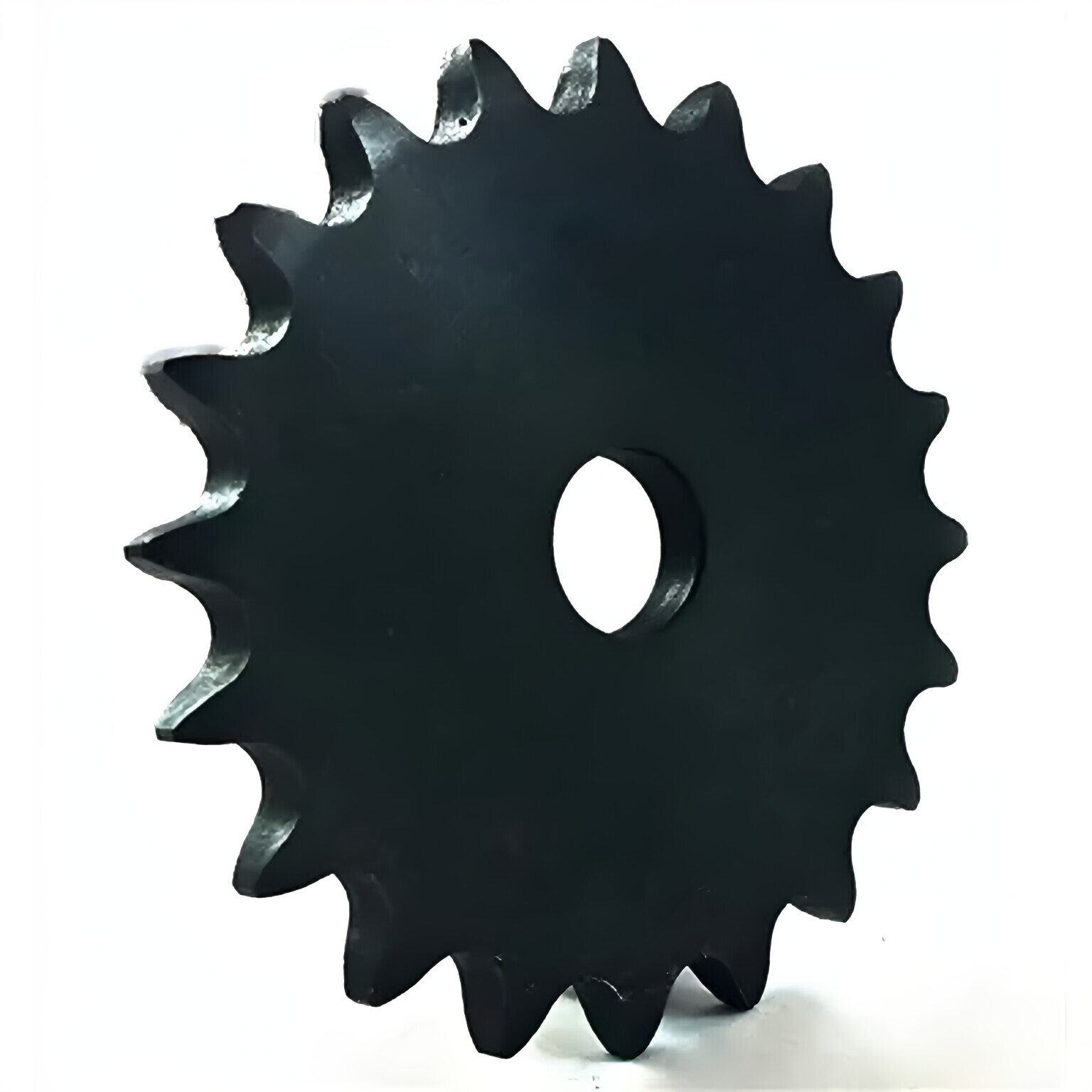
| Material Grade | Surface Hardness | Corrosion Resistance | Temperature Range | Ideal Application |
|---|---|---|---|---|
| C45 Carbon Steel (Induction‑Hardened) | HRC 50‑55 | Low | ‑20°C to 120°C | General conveyor, moderate load |
| 40Cr Alloy Steel (Quenched & Tempered) | HRC 48‑53 | Low‑Medium | ‑20°C to 150°C | Heavy mining, shock loads |
| Stainless Steel 304 | HRB 80‑90 (approx.) | High | ‑50°C to 200°C | Food processing, dairy |
| Stainless Steel 316 | HRB 80‑90 (approx.) | Superior | ‑50°C to 200°C | Marine, chemical, pharma |
| Engineered PA6 (Polyamide 6) | HRR 110‑120 | Excellent | ‑40°C to 80°C | Low‑noise environment, light load |
Pain Point Scenario: A logistics distribution center struggles with high noise levels from automated sortation conveyors. The existing steel sprockets not only generate complaints from workers but also accelerate wear on plastic modular belts. Maintenance costs are climbing, and the facility manager demands a quiet, long‑life alternative.
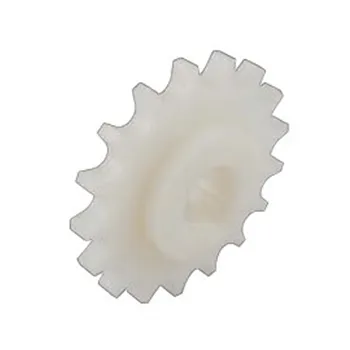
Solution: Engineers at Raydafon recommended a switch to precision‑machined PA6 plate wheel sprockets with a glass‑fiber reinforcement. The material absorbs vibration, reduces noise by over 15 dB, and prevents aggressive belt wear. The table below outlines the core material families used in plate wheel sprocket manufacturing and the problems each solves.
| Material Family | Key Properties | Common Grades | Main Challenge Solved |
|---|---|---|---|
| Carbon Steels | High strength, low cost, heat treatable | C45, 1045, 1060 | High load, high torque at moderate temperatures |
| Alloy Steels | Greater toughness, better fatigue resistance | 40Cr, 42CrMo, 4140 | Shock loads, heavy‑duty cycling |
| Stainless Steels | Built‑in corrosion protection | 304, 316, 201 | Wet, acidic, or caustic washdown settings |
| Engineered Plastics | Lightweight, quiet, self‑lubricating | PA6, PA66, UHMWPE | Noise reduction, chemical exposure, low‑load conveyors |
When a procurement professional asks, “What materials are used to manufacture plate wheel sprockets?” the answer always begins with a thorough analysis of operating conditions. Raydafon Technology Group Co.,Limited provides free technical consultations to map your exact requirements to the optimal material, ensuring the sprockets you order aren’t just components—they’re a tailored solution.
Q: What materials are used to manufacture plate wheel sprockets?
A: Manufacturers commonly use carbon steels (such as C45), alloy steels (like 40Cr or 4140), stainless steels (304, 316), and engineered polymers (PA6, UHMWPE). The choice depends on load, speed, environment, and required service life. For example, carbon steel handles heavy loads well when surface‑hardened, while stainless steel is mandatory for washdown applications to prevent corrosion. Raydafon Technology Group Co.,Limited stocks a wide range of material grades and can custom‑produce sprockets to match non‑standard specifications.
Q: Why is it important to ask “What materials are used to manufacture plate wheel sprockets?” during the sourcing process?
A: This question uncovers whether a supplier understands your application or is simply selling catalog items. The material directly impacts wear rate, noise, maintenance intervals, and compatibility with the mating chain. For instance, a sprocket that wears prematurely because it was made of unhardened mild steel can damage expensive chain and cause unplanned downtime. By insisting on a detailed material specification, you protect your entire drive system. Raydafon provides full material certifications and batch‑level traceability with every order, so procurement teams never have to guess what’s inside their sprockets.
Pain Point Scenario: An OEM purchasing agent receives a batch of plate wheel sprockets that pass dimension checks but fail within weeks due to inconsistent hardness. The supplier had mixed material batches, and there was no heat treatment certification. The agent faces warranty claims and a damaged reputation.
Solution: Raydafon Technology Group Co.,Limited removes that risk through a closed‑loop quality system. We source steel from ISO‑certified mills (Baosteel, TISCO), perform incoming spectrometry to verify chemical composition, and execute batch‑specific heat treatment with digital process records. Every sprocket lot ships with a material test certificate. If your application pushes boundaries—extreme temperature, continuous oil exposure, FDA compliance—our engineers can propose special coatings (like PTFE‑infused hard anodizing) or recommend a different base material entirely. You receive plate wheel sprockets that behave exactly as specified, every time.
Ready to eliminate material guesswork from your sourcing process? Raydafon Technology Group Co.,Limited combines two decades of sprocket manufacturing expertise with a procurement‑friendly approach: fast quotations, certified materials, and technical support before and after delivery. Whether you need 100 standard C45 plate wheel sprockets or a custom 316 stainless design for a corrosive food line, our team ensures you get the right material for the job—no surprises, no excuses. Visit us at https://www.raydafongroup.com or reach out directly to our engineering sales team at [email protected] to discuss your next project.
Chen, L., & Zhang, Y. (2022). Influence of induction hardening parameters on wear resistance of C45 steel sprockets. Journal of Materials Processing Technology, 301, 117‑128.
Müller, H., & Schmidt, R. (2020). Comparative study of stainless steels for power transmission components in food‑processing environments. Wear, 452‑453, 203‑215.
Patel, A., et al. (2021). Tribological behavior of engineering polymers in chain drive systems. Polymer Testing, 94, 107‑119.
Kim, S., & Park, J. (2019). Effect of alloying elements on the fatigue life of 40Cr steel sprockets. International Journal of Fatigue, 126, 210‑221.
Rodriguez, M. (2023). Material selection methodology for conveyor plate wheel sprockets using TOPSIS. Engineering Failure Analysis, 145, 106‑118.
O’Brien, T., & Lee, D. (2018). Corrosion‑fatigue crack growth in 304 stainless steel sprocket hubs. Corrosion Science, 139, 387‑399.
Tan, W., et al. (2021). Optimization of heat treatment for 4140 alloy steel in heavy‑duty sprocket applications. Journal of Materials Engineering and Performance, 30, 6812‑6825.
Gupta, R. (2017). Lifecycle analysis of PA6 composite sprockets versus metallic counterparts. Composites Part B: Engineering, 124, 185‑194.
Huang, X., & Liu, Z. (2022). Microstructural evolution and hardening depth prediction in induction‑hardened sprocket teeth. Surface and Coatings Technology, 432, 128‑140.
Fernandez, L. (2020). Root cause failure analysis of plate wheel sprockets in mining conveyors: a case study. Engineering Failure Analysis, 116, 104‑116.


 Raydafon