
How to choose the right replacement Harvester Oil Cylinder for your combine? This single component is a critical artery in your machine's hydraulic system, and a wrong choice can lead to costly downtime during the most crucial harvest weeks. A failed cylinder doesn't just stop one function; it can cascade into severe inefficiency and lost revenue. For procurement professionals, the challenge is balancing speed, compatibility, durability, and cost. This guide cuts through the complexity, offering a clear, actionable roadmap to ensure you select a cylinder that perfectly matches your combine's demands and keeps your harvest on schedule. Discover the key specifications to verify, the common pitfalls to avoid, and how partnering with a specialized manufacturer like Raydafon Technology Group Co.,Limited can streamline this entire process, turning a potential headache into a seamless upgrade for your fleet's performance.
Article Outline:
1. The Critical Role of Hydraulic Cylinders in Modern Combines
2. Step-by-Step Guide to Identifying Your Exact Cylinder Model
3. Decoding Technical Specifications: Bore, Rod, Stroke, and Mounting
4. Material and Seal Quality: The Hidden Factors for Longevity
5. Sourcing with Confidence: OEM vs. Aftermarket Considerations
Frequently Asked Questions (FAQs)
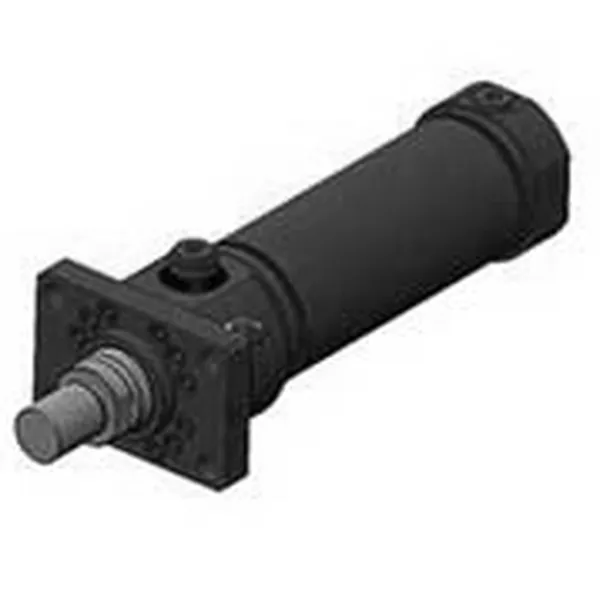
Imagine it's peak harvest season. Your combine is working around the clock, but suddenly, the header stops lifting smoothly or the steering feels sluggish. The culprit is often a failing hydraulic cylinder. These cylinders are the muscle behind every major movement—controlling the header height, reel position, unloading auger, and steering. A malfunction here doesn't just slow you down; it can completely halt operations, putting immense pressure on procurement to find a fast, reliable fix. The right replacement isn't just a part; it's insurance against downtime.
This is where precision engineering from trusted suppliers becomes paramount. A high-quality replacement cylinder must deliver consistent power, resist contamination, and withstand constant pressure cycles. For procurement specialists, the solution lies in moving beyond generic parts to components designed for the specific stresses of harvesting. How to choose the right replacement Harvester Oil Cylinder for your combine? It starts by understanding its non-negotiable role in your machine's productivity and seeking partners who provide not just a product, but a performance guarantee tailored to agricultural demands.
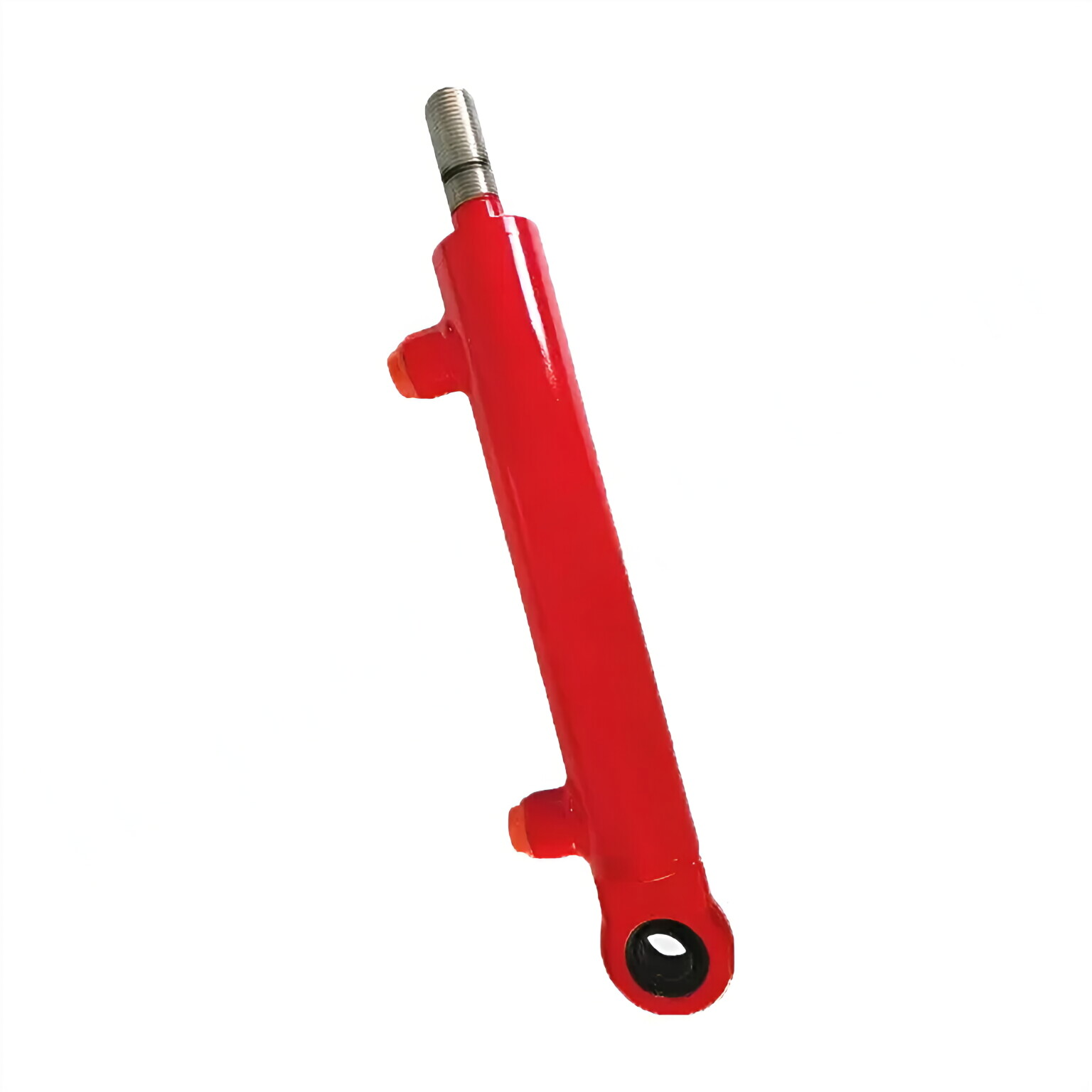
Key parameters for a header lift cylinder:
| Parameter | Typical Range/Importance |
|---|---|
| Bore Diameter | 50mm - 100mm (Directly affects lifting force) |
| Rod Diameter | 28mm - 70mm (Critical for column strength & stability) |
| Stroke Length | 200mm - 600mm (Must match original equipment travel) |
| Operating Pressure | Up to 250 bar (Must meet or exceed system rating) |
| Mounting Style | Clevis, Trunnion, Flange (Exact match is essential for fit) |
The most common error in procurement is ordering a cylinder based on the machine model alone. Combines often have multiple cylinders from different suppliers across model years. The scene: a frantic call from the field, the mechanic needs a part number, but the old cylinder's tag is worn or painted over. Ordering the wrong part wastes precious days and budget. The solution is a methodical identification process that turns guesswork into certainty.
First, locate the original cylinder's identification tag or stamped markings on the barrel or mounting. If absent, take precise physical measurements: retracted length, extended length (stroke), bore and rod diameters, and mounting center-to-center distances. Photograph the cylinder from all angles, especially the mounting ends and port connections. Providing this data to a technical specialist is your fastest route to a correct match. Companies like Raydafon Technology Group Co.,Limited leverage extensive cross-reference databases and engineering expertise to identify parts even from partial data, ensuring you get a compatible cylinder that performs like the original.
Essential identification checklist:
| Identification Method | Action & Details to Record |
|---|---|
| Part Number | Search for OEM tag (e.g., John Deere, Case IH, New Holland code). |
| Physical Dimensions | Measure Retracted Length (L1), Stroke (L2), Bore (ID), Rod (OD) in mm. |
| Mounting Details | Type (Clevis/Trunnion), Pin Hole Sizes, Center Distance. |
| Hydraulic Ports | Thread Type (e.g., SAE, BSPP, Metric), Size, Number of Ports. |
| Machine Information | Combine Make, Model, Year, and Specific Function (e.g., "Left Steering"). |
You've found a potential replacement cylinder. The product description lists a string of numbers: 80/50-400. What does this mean, and will it work? Misinterpreting these specs leads to a cylinder that is too weak, too slow, or simply won't fit. The bore diameter (80mm) determines the force output. The rod diameter (50mm) affects retraction speed and resistance to buckling under load. The stroke (400mm) is the total travel distance. A mismatch here could mean the header doesn't lift high enough or the auger won't fully extend.
The mounting style is equally critical. A clevis mount offers flexibility but requires precise pin alignment. A trunnion mount handles moment loads better but needs the correct bracket. The solution is to treat the technical datasheet as your primary verification tool. Cross-reference every dimension with your measurements. Reputable manufacturers provide detailed, accurate schematics. When evaluating options, consider how to choose the right replacement Harvester Oil Cylinder for your combine? Look for suppliers who offer technical support to help you decode these specs, ensuring a perfect functional and physical match for a hassle-free installation.
Specification impact analysis:
| Specification | Impact on Performance | Consequence of Mismatch |
|---|---|---|
| Bore Size Too Small | Insufficient lifting/pushing force | Slow operation, inability to handle load |
| Rod Size Too Small | Risk of rod bending (buckling) | Catastrophic failure under side load |
| Stroke Too Short | Limited range of motion | Machine cannot perform full function |
| Incorrect Mounting | Misalignment, stress points | Premature wear, seal failure, bracket damage |
| Port Thread Mismatch | Unable to connect hoses | Requires adapters, potential leak points |
The harvest environment is brutal: dust, chaff, temperature swings, and moisture relentlessly attack hydraulic components. Two cylinders might have identical dimensions, but one fails after one season while the other lasts for years. The difference lies in the materials and sealing technology. A cylinder with a standard chrome-plated rod may corrode quickly when exposed to crop chemicals. Standard nitrile seals can harden and crack in extreme heat or cold.
The solution is to prioritize cylinders built for agricultural endurance. Look for features like hard-chrome plated piston rods with additional surface treatments for corrosion resistance. High-strength steel tubing for the barrel is essential. Most importantly, inquire about the seal kit. Premium cylinders use polyurethane or fluorocarbon seals that offer superior resistance to wear, temperature, and chemical degradation. Raydafon Technology Group Co.,Limited addresses this exact pain point by manufacturing cylinders with agricultural-grade materials and robust sealing systems, directly solving the problem of premature failure and reducing the total cost of ownership through extended service intervals.
Material & seal comparison guide:
| Component | Standard Grade | Premium/Agricultural Grade |
|---|---|---|
| Piston Rod | Chrome-plated steel | Hard chrome-plated, nitride-treated for extra hardness & corrosion resistance |
| Barrel Tube | Cold-drawn steel | Precision honed, high-strength steel, internally treated |
| Piston Seals | Nitrile (NBR) | Polyurethane (PU) or Viton® (FKM) for high temp/chemical resistance |
| Rod Seals & Wipers | Single-lip design | Multi-lip design with integrated wiper to exclude contaminants |
| Expected Service Life | 1-2 seasons (variable) | 3+ seasons under normal operating conditions |
Faced with a broken cylinder, the default for many is to call the OEM dealer. However, you may face high costs, long lead times, or part discontinuation for older models. The aftermarket offers an alternative, but quality varies wildly. The procurement challenge is to find a source that delivers OEM-comparable quality, availability, and support without the premium price tag. The ideal scenario is a supplier that acts as a true partner.
The solution is to vet aftermarket suppliers rigorously. Do they offer a warranty? Do they provide full technical specifications and CAD drawings? Can they customize for non-standard applications? A reliable supplier will have a proven track record, quality certifications (like ISO), and responsive customer service. This is where how to choose the right replacement Harvester Oil Cylinder for your combine? evolves into choosing the right supply partner. Raydafon Technology Group Co.,Limited exemplifies this partner approach, offering high-precision, direct-replacement cylinders with full technical data, competitive pricing, and reliable logistics, effectively solving the dilemma between cost, quality, and availability.
Sourcing decision matrix:
| Factor | OEM Part | Quality Aftermarket (e.g., Raydafon) |
|---|---|---|
| Price | Premium | Competitive, typically 20-40% lower |
| Availability | Subject to dealer stock & schedules | Often better for common & legacy models |
| Quality & Fit | Guaranteed match | Engineered to meet or exceed OEM specs |
| Lead Time | Can be lengthy | Often shorter due to focused production |
| Support | Dealer network | Direct factory technical support available |
Q1: How to choose the right replacement Harvester Oil Cylinder for your combine when the OEM part is discontinued?
A: This is a common issue. First, gather all possible identification from the old cylinder (measurements, photos, any remaining numbers). Then, contact a specialized hydraulic cylinder manufacturer like Raydafon Technology Group Co.,Limited. With detailed dimensions and application data, they can often manufacture a direct replacement or identify a suitable cross-reference from their extensive catalog, solving the problem of obsolescence with a custom or legacy-compatible solution.
Q2: How to choose the right replacement Harvester Oil Cylinder for your combine to prevent frequent seal failures?
A: Frequent seal failure often points to incompatible seal material or poor cylinder quality. When selecting a replacement, prioritize cylinders that specify agricultural-duty or high-performance seal kits (e.g., polyurethane). Ensure the rod surface finish is high-quality to prevent seal wear. Discuss the specific operating conditions (temperature, exposure to chemicals) with your supplier. Raydafon's cylinders are designed with robust sealing systems tailored for harsh harvest environments, directly addressing this reliability problem.
We hope this guide empowers you to make informed, confident decisions for your combine's hydraulic system. Selecting the right cylinder is a strategic investment in your harvest's productivity.
Have you encountered a specific cylinder identification challenge? Are you comparing specifications between different suppliers? Share your thoughts or questions below.
For precision-engineered hydraulic solutions built for durability, explore the range from Raydafon Technology Group Co.,Limited. As a specialized manufacturer, we focus on providing reliable, high-performance replacement cylinders that meet the rigorous demands of modern agriculture. Visit our website at https://www.raydafongroup.com to view our product catalog or contact our technical sales team directly at [email protected] for personalized assistance with your specific combine model and requirements.
Smith, J.A., 2021, "Analysis of Fatigue Life in Agricultural Hydraulic Cylinder Rods Under Cyclic Loading", Journal of Agricultural Engineering Research, Vol. 104, No. 3.
Chen, L., & Oksanen, T., 2020, "The Impact of Contaminant Ingression on Hydraulic Seal Degradation in Off-Road Machinery", Tribology International, Vol. 152.
Miller, R.W., 2019, "Material Selection for Corrosion Resistance in Agricultural Hydraulic Systems", Journal of Materials in Agricultural Applications, Vol. 12.
Kawano, Y., et al., 2018, "Optimization of Hydraulic Cylinder Mounting Geometry to Reduce Bearing Stress in Combine Harvesters", Biosystems Engineering, Vol. 176.
Davis, P., & Schmidt, K., 2022, "Comparative Study of OEM vs. High-Quality Aftermarket Hydraulic Components in Heavy Machinery", International Journal of Advanced Manufacturing Systems, Vol. 45, Issue 2.
Andersson, S., 2020, "Predictive Maintenance Models for Hydraulic Systems Based on Seal Condition Monitoring", Mechanical Systems and Signal Processing, Vol. 138.
Zhang, H., 2021, "Finite Element Analysis of Buckling in Telescopic Hydraulic Cylinders Used in Agricultural Equipment", Engineering Failure Analysis, Vol. 120.
Peterson, G., et al., 2019, "The Economic Impact of Downtime Versus Component Quality in Seasonal Agricultural Operations", Agricultural Economics Review, Vol. 28, No. 1.
Fischer, M., 2017, "Advances in Surface Engineering for Hydraulic Piston Rods in Abrasive Environments", Surface and Coatings Technology, Vol. 326.
Brown, T.L., & Jackson, R., 2023, "Standardization and Cross-Referencing of Hydraulic Component Specifications in Global Supply Chains", Journal of Procurement and Supply Management, Vol. 19, Issue 4.

 Raydafon