
At the core of countless industrial and engineering marvels lies a critical component: the slewing bearing. Unlike standard bearings designed primarily for rotation, slewing bearings are engineered to manage complex, multi-directional loads—axial, radial, and moment loads—simultaneously. This unique capability makes them indispensable for applications requiring smooth, controlled, and reliable rotational movement under immense stress. From the towering cranes that shape our skylines to the precise movements of wind turbines and sophisticated medical imaging equipment, slewing bearings are the unsung heroes enabling pivotal motion. The Raydafon Group has been at the forefront of slewing bearing technology for decades, combining precision engineering with rigorous quality control to deliver components that meet the most demanding global standards for performance, durability, and safety.
Selecting the correct slewing bearing is a precise science, requiring a deep understanding of application demands. Our bearings are characterized by a comprehensive set of parameters, ensuring a perfect match for your specific needs.
| Feature | Specification | Benefit |
|---|---|---|
| Ring Material | High-carbon chromium bearing steel (e.g., SAE 52100), forged & hardened to 50-60 HRC. | Superior strength, wear resistance, and fatigue life. |
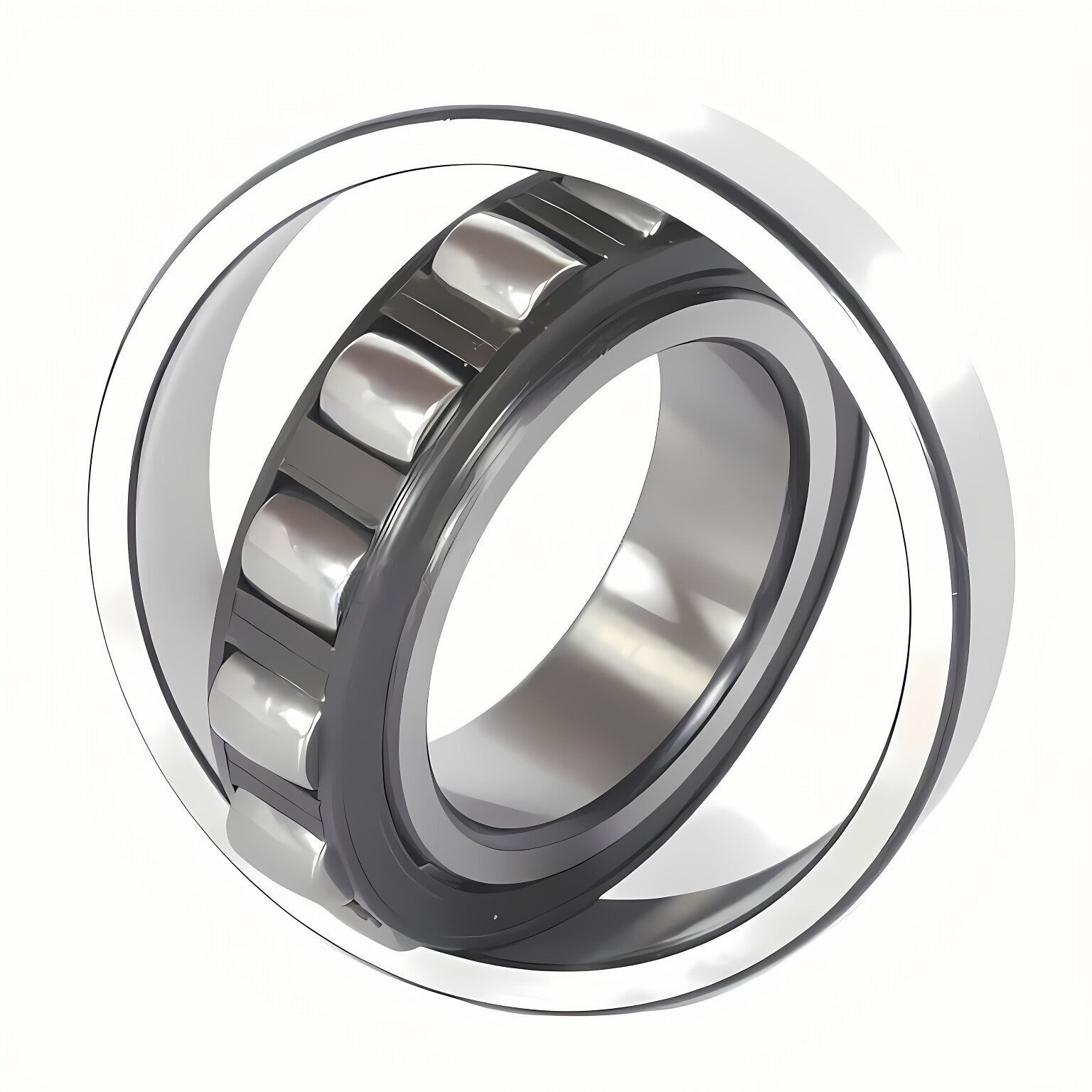
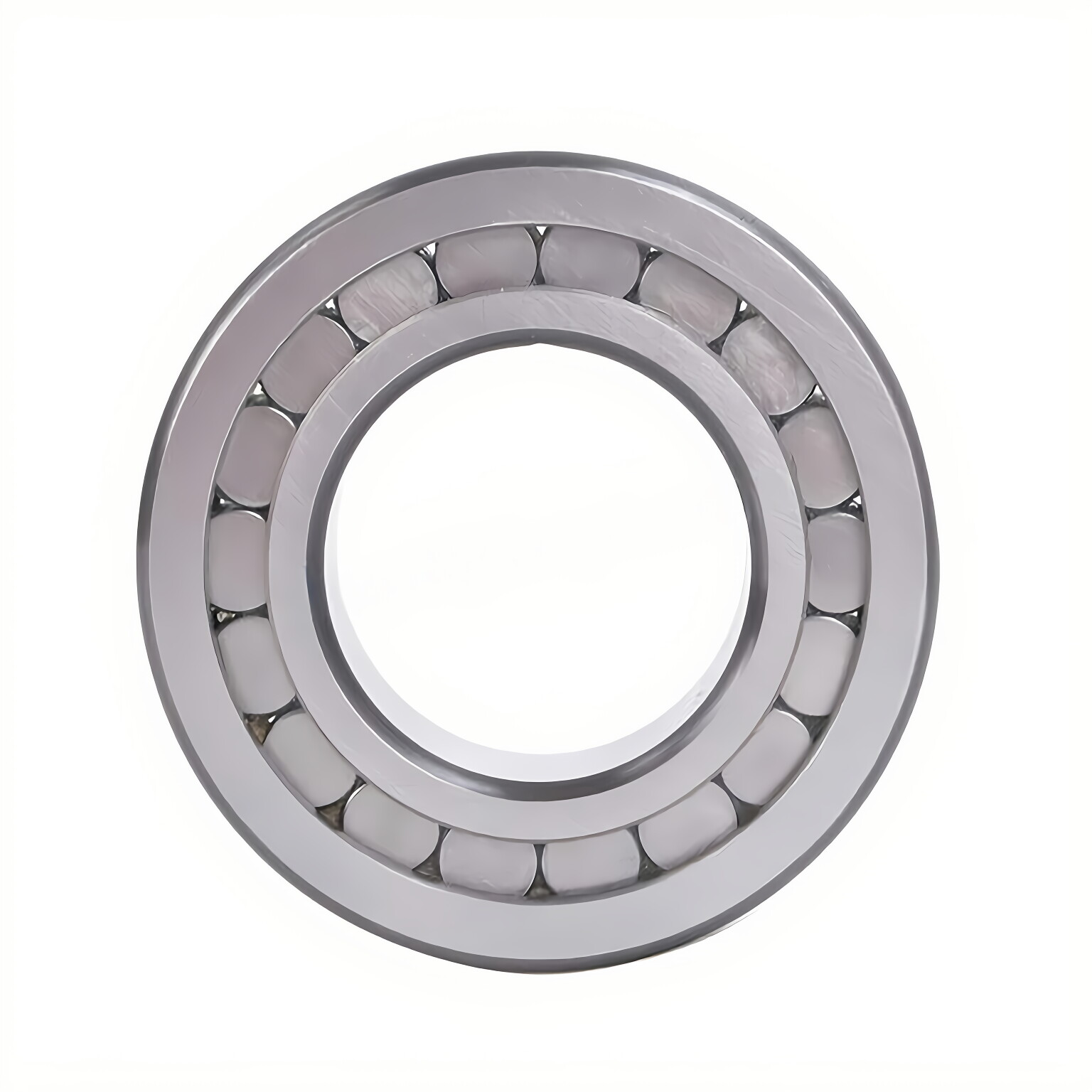
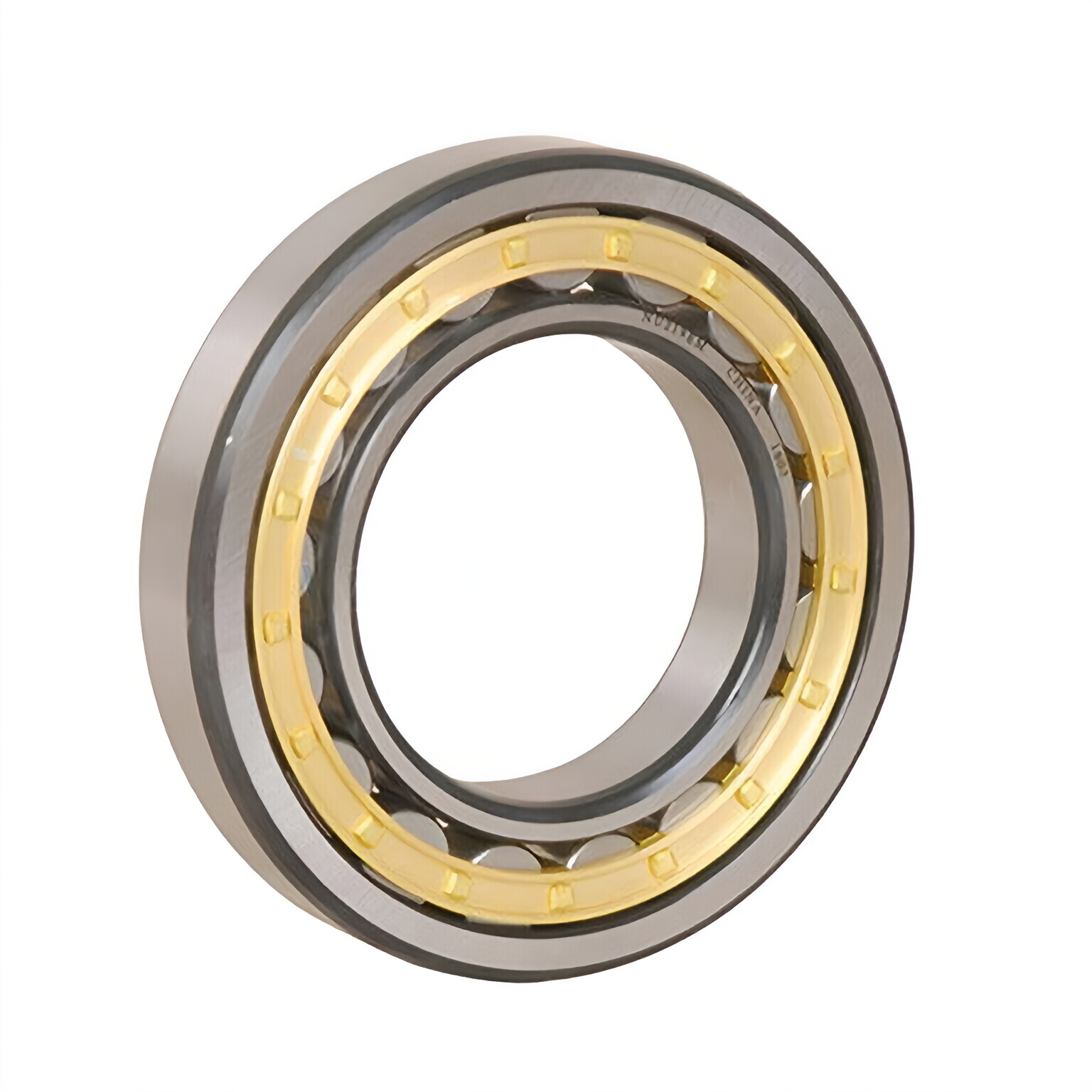
| Rolling Elements | Precision-ground balls or cylindrical rollers made from alloy steel. | Minimizes friction, ensures smooth rotation, and distributes load evenly. |
| Raceway Geometry | Four-point contact ball, cross roller, or combined (ball & roller) designs. | Optimizes load distribution for specific load combination requirements. |
| Seals | Multi-labyrinth seals or synthetic rubber (NBR, FKM) seals. | Effective protection against contaminants like dust, water, and debris, retaining lubrication. |
| Lubrication | Grease fittings and internal channels for consistent lubrication. Custom grease types available. | Reduces internal wear, prevents corrosion, and dissipates heat. |
| Mounting Holes | Pattern of threaded or through-holes on both rings, per ISO or custom specifications. | Facilitates secure and straightforward bolting to adjacent structures. |
| Surface Treatment | Phosphating, zinc plating, or special paint upon request. | Provides corrosion resistance for harsh environments. |
| Type | Design Code | Ideal For | Key Characteristics |
|---|---|---|---|
| Single Row Four-Point Contact Ball | Q/HS | Stacker cranes, light-duty excavators, turntables | Compact design, handles combined loads efficiently, cost-effective. |
| Double Row Ball | Q/L | Offshore cranes, container handlers, large radar antennas | High load capacity, increased moment stiffness, robust construction. |
| Crossed Roller | X/Z | Robotic arms, medical scanners, precision indexing tables | Exceptional rigidity, high rotational accuracy, compact profile for given capacity. |
| Three Row Roller | S | Heavy-duty mining excavators, large slewing cranes | Extremely high load and moment capacities, designed for the most severe applications. |
| Combined (Ball & Roller) | H/T | Wind turbine pitch & yaw systems, tunnel boring machines | Optimized to handle specific, extreme combinations of axial, radial, and moment loads. |
What is the primary difference between a standard ball bearing and a slewing bearing?
Standard ball bearings are primarily designed to support radial or axial loads separately and facilitate high-speed rotation of a shaft within a housing. A slewing bearing, in contrast, is a large-diameter bearing engineered to support heavy combined loads (axial, radial, and tilting moment) simultaneously. It is designed for slow rotational or oscillating movement and acts as an integral structural component, often connecting the upper and lower structures of a machine.
How do I determine the correct load ratings needed for my application?
Accurate load calculation is critical. You must identify the maximum static and dynamic loads from all sources: the weight of components, operational forces, wind loads, and shock loads. The moment load, which causes a tipping force, must also be calculated based on load eccentricity. Raydafon Group's engineering team provides full technical support to analyze your application data and calculate the required static (C0) and dynamic (C) load capacities and moment (M) rating to ensure safety and longevity.
What maintenance does a slewing bearing require?
Regular maintenance is essential for maximum service life. The primary task is re-lubrication according to the recommended schedule, which depends on operating conditions (speed, load, temperature, exposure). Seals should be inspected periodically for damage. It is also vital to check for any looseness in mounting bolts and re-torque them as specified in the manual. For bearings in harsh environments, more frequent inspections for corrosion or contamination are necessary.
Can slewing bearings be repaired or reconditioned?
Yes, depending on the extent of wear or damage. Common reconditioning services include re-grinding of raceways (if material allows), replacement of rolling elements and seals, and re-machining of gear teeth. Raydafon Group offers comprehensive repair and refurbishment services, which can be a cost-effective alternative to full replacement, especially for large, custom-designed bearings. An initial inspection and assessment are required to determine feasibility.
What are the lead times for custom slewing bearing designs?
Lead times vary significantly based on size, complexity, material requirements, and current production capacity. Standard or slightly modified designs may have lead times of 8-12 weeks. Fully custom-engineered bearings for mega-projects, involving new forging dies and extensive testing, can require 20 weeks or more. We recommend early engagement with our sales and engineering team to establish a realistic project timeline.
How are slewing bearings installed correctly?
Proper installation is paramount. The mounting surfaces (both on the bearing and the host structure) must be clean, flat, and adequately supported. Use the specified grade and quantity of mounting bolts, and follow the provided tightening sequence and torque values precisely to avoid distortion. The bearing must be aligned correctly before final torquing. Misalignment during installation is a leading cause of premature failure. Raydafon Group provides detailed installation manuals and can offer on-site technical guidance.
What industries most commonly use slewing bearings?
Slewing bearings are ubiquitous in heavy industry and precision machinery. Key sectors include construction (cranes, excavators), renewable energy (wind turbine pitch, yaw, and main bearings), material handling (stackers, reclaimers, rotators), defense (turret systems, radar), aerospace (simulators), medical (CT/MRI scanners), and industrial automation (robotic welders, indexing tables).
How does Raydafon Group ensure the quality of its slewing bearings?
Raydafon Group operates a vertically integrated quality management system certified to ISO 9001. Our process begins with stringent material sourcing and spectroscopic analysis. Forging, heat treatment, machining, grinding, and assembly are performed in-house under controlled conditions. Every bearing undergoes multiple inspections, including dimensional checks, hardness testing, raceway contour analysis, and gear profile verification. Final testing often includes rotation torque measurement and seal leak testing. Full traceability and material certifications are provided with each bearing.

 Raydafon