

How to repair a bent or damaged hydraulic cylinder rod? This is a critical question that can bring production lines to a screeching halt and lead to costly downtime. A single flaw in this precision component compromises the entire hydraulic system's integrity, risking safety and operational efficiency. The process requires specialized knowledge, precise tools, and high-quality replacement parts to restore peak performance. For procurement professionals seeking reliable, long-term solutions, understanding the repair methodology is the first step towards minimizing future failures. This guide breaks down the essential steps, from initial assessment to final testing.
The Cost of Ignoring a Bent Rod: Immediate Assessment and Containment
Imagine a critical excavator on a tight-deadline project suddenly develops a jerky, unstable arm movement. The culprit is often a bent cylinder rod, which creates uneven pressure, accelerates seal wear, and can lead to catastrophic failure. Procrastination here directly translates to exponential repair costs and project delays. The immediate solution is a thorough damage assessment. This involves visual inspection for scoring, bends, and pitting, as well as measuring runout with a dial indicator to quantify the deviation. For procurement teams, this stage determines the repair scope and parts list, highlighting the need for a trusted supplier for precision measurement tools and inspection gauges.
| Damage Type | Visual Indicator | Tolerance Threshold (Typical) | Immediate Action Required |
|---|---|---|---|
| Minor Scoring | Light surface scratches | Depth < 0.05mm | Polishing & re-chroming possible |
| Significant Bending | Visible curve, uneven seal wear | Runout > 0.5mm per meter | Replacement recommended |
| Deep Pitting/Corrosion | Localized surface craters | Affects core material integrity | Rod replacement necessary |
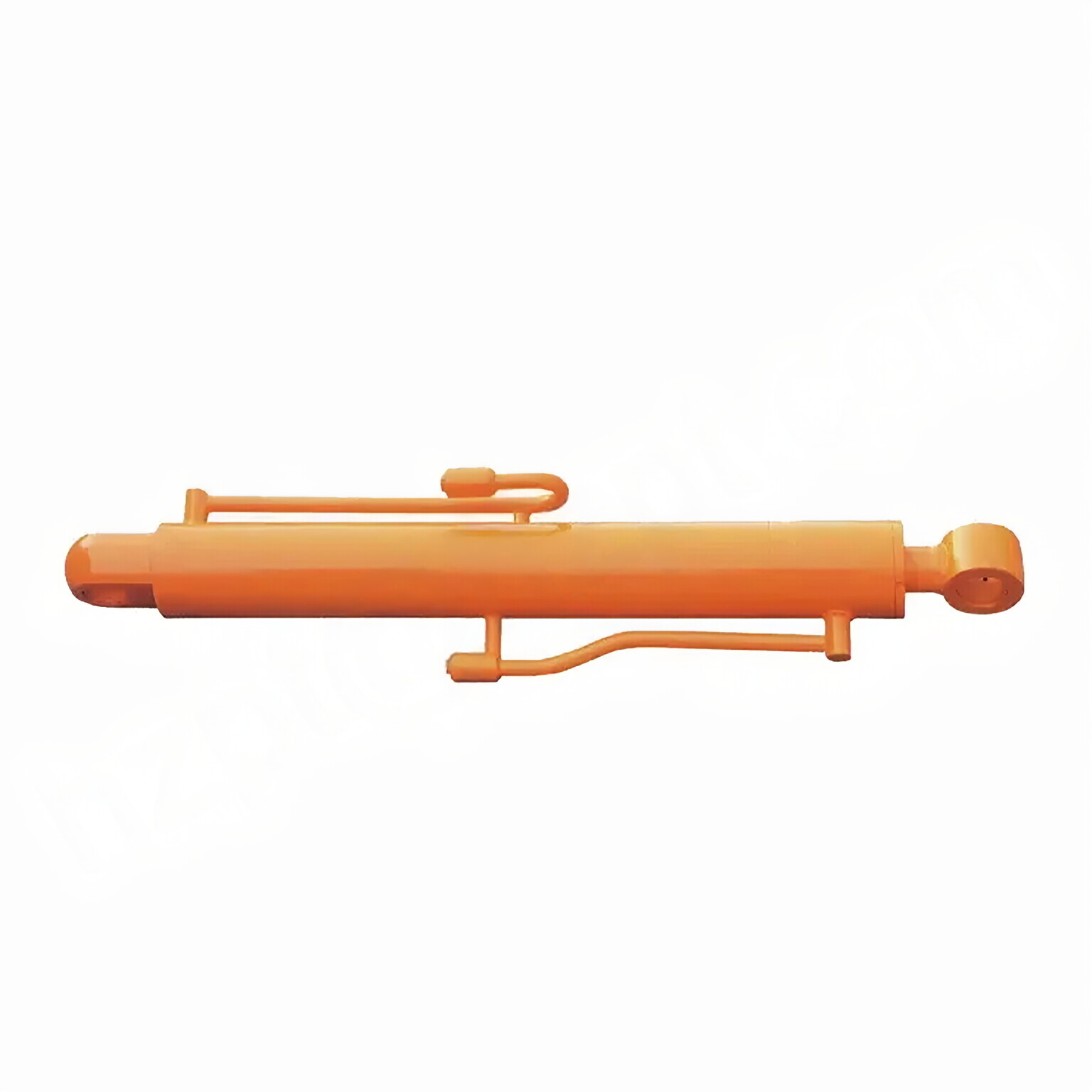
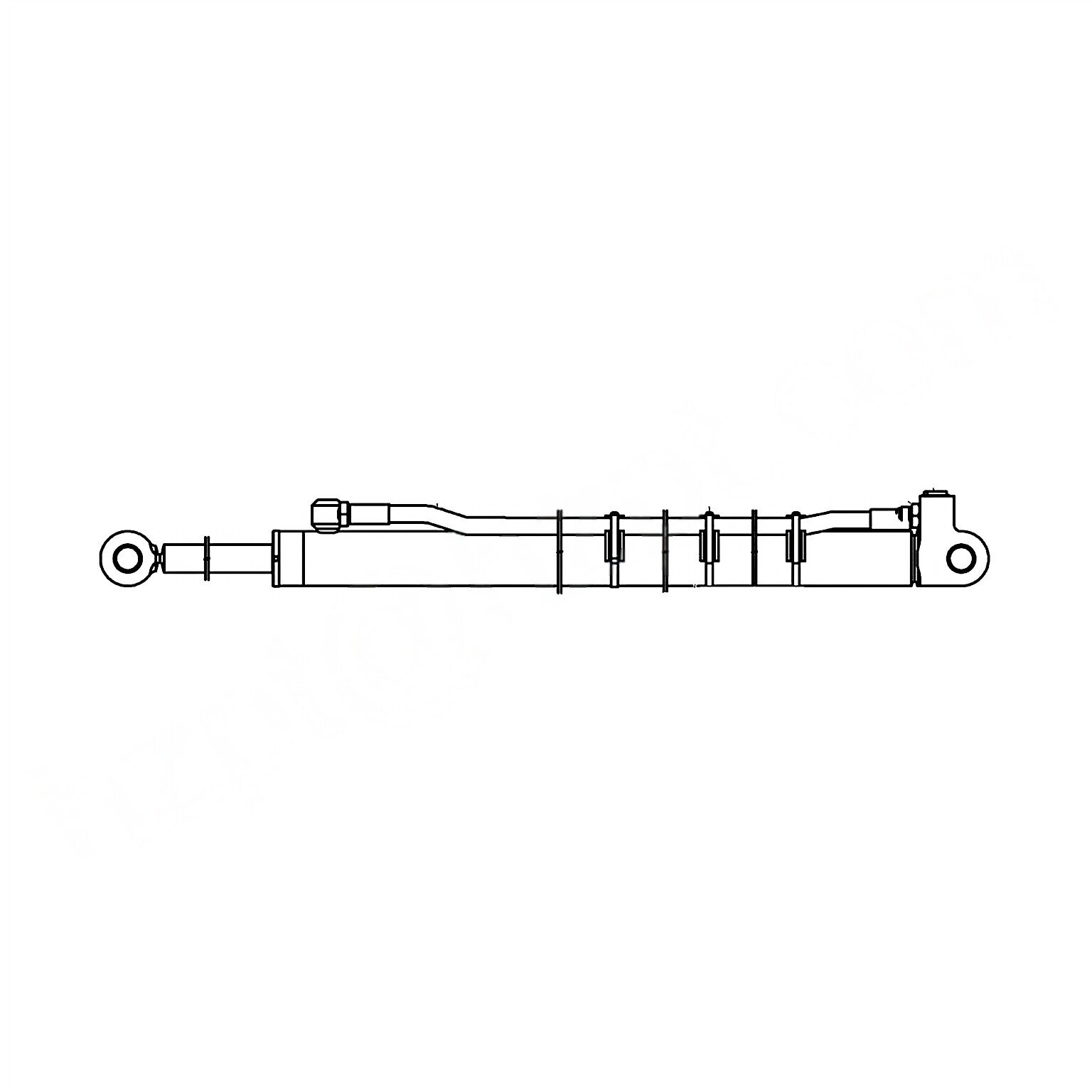 Hydraulic Cylinder Rod showing inspection points for damage assessment" />
Beyond the Grime: Systematic Disassembly for Accurate Diagnosis
Once the cylinder is isolated and depressurized, the meticulous process of removal begins. The scene is a maintenance bay where contaminated fluid and embedded debris can sabotage a repair before it even starts. The solution is a procedural and clean disassembly. Each component—rod, piston, gland—must be carefully extracted, labeled, and inspected. Ultrasonic cleaning or specialized solvent baths are then employed to remove all contaminants from the rod and internal passages. This step is non-negotiable for ensuring the longevity of new seals and the repaired surface. For procurement, it underscores the importance of sourcing high-quality cleaning solvents and seal kits designed for specific cylinder models to avoid compatibility issues.
| Disassembly Step | Critical Tool | Common Pitfall | Pro Solution |
|---|---|---|---|
| Gland Nut Removal | Torque Multiplier / Hydraulic Wrench | Damaging threads with improper tools | Use manufacturer-specified tools |
| Rod & Piston Separation | Bearing Separator / Induction Heater | Applying excessive force leading to cracks | Apply controlled, even pressure |
| Component Cleaning | Ultrasonic Cleaner | Incomplete contaminant removal | Use multiple solvent stages |
The Million-Dollar Question: When to Repair vs. Replace with a Superior Rod
Facing a damaged rod, the finance department pressures for a cheap repair, while engineering warns of premature failure. This is the procurement professional's dilemma. The definitive solution lies in a cost-benefit analysis based on damage severity. Minor surface defects can be addressed by skilled machining centers through grinding and re-chroming. However, for bent rods or those with deep corrosion, replacement is the only reliable path. This is where partnering with a specialist like Raydafon Technology Group Co.,Limited becomes crucial. We provide not just OEM-equivalent replacement rods, but performance-enhanced rods manufactured with superior materials and hardened chrome plating, offering extended service life and reducing total cost of ownership.
| Scenario | Repair Viability | Typical Lead Time | Long-Term Cost Implication | Recommended Action |
|---|---|---|---|---|
| Bent Rod (Runout >1mm/m) | Low (Stress weakening) | Repair: 3-5 days; Replace: 7-10 days | High risk of re-failure | Replace with new high-strength rod |
| Localized Scoring | High (If within tolerance) | 2-4 days for polish & plate | Moderate, good ROI | Professional repair & re-chrome |
| Severe Pitting & Corrosion | None (Integrity lost) | Replacement only | Lowest, prevents system damage | Immediate replacement |
Precision Assembly and Testing: The Final Barrier Against Downtime
The final stage is where many in-house repairs fail. The scene is a reassembled cylinder that leaks under pressure or fails prematurely due to improper installation. The solution is a disciplined, clean-room approach to reassembly and a multi-stage testing protocol. Each new seal from the kit must be lubricated and installed with dedicated tools to prevent nicks. The rod must be precisely aligned during insertion. Post-assembly, the cylinder undergoes a break-in cycle and a full-pressure test to check for internal and external leaks, ensuring it meets or exceeds original performance specifications. This rigorous final step validates the quality of all components used, from the rod itself to the seals, justifying the investment in premium parts from certified suppliers.
| Reassembly Phase | Critical Checkpoint | Tool/Equipment Needed | Acceptance Criteria |
|---|---|---|---|
| Seal Installation | No twists or cuts in seals | Seal installation cones, plastic picks | Seals sit perfectly in grooves |
| Rod & Gland Alignment | Perfect perpendicular entry | Alignment jigs / Guided press | Rod slides in with zero binding |
| Pressure Testing | Zero leakage at rated pressure | Hydraulic test bench, flow meter | Holds 150% of rated pressure for 5 mins |
Expert Q&A on Hydraulic Rod Repair
Q1: Can a slightly bent hydraulic cylinder rod be straightened reliably?
A: While cold straightening is sometimes attempted for minor bends, it is generally not recommended for rods under high cyclic loads. The straightening process creates internal stress concentrations that become failure points, leading to sudden fracture. For applications requiring reliability, replacement with a new, properly heat-treated rod from a manufacturer like Raydafon Technology Group Co.,Limited is the only guaranteed solution to restore original strength and fatigue life.
Q2: What are the key specifications to check when ordering a replacement hydraulic cylinder rod?
A: To ensure a perfect fit and performance, provide the supplier with these critical parameters: 1) Exact rod diameter and length (tolerance of +/- 0.01mm often required), 2) Thread specifications (type, pitch, length) for the piston and clevis ends, 3) Material grade (e.g., 1045, 4140 hardened steel), 4) Surface finish and plating (hard chrome thickness, typically 0.04-0.06mm, and surface roughness Ra), and 5) Any special features (keyways, flats, ports). Reputable suppliers like Raydafon can often manufacture to print or reverse engineer from a sample.
Navigating hydraulic cylinder rod repair requires balancing technical expertise with smart procurement. By following a structured assessment and repair protocol, you can significantly reduce machine downtime and operational costs. The choice of components, especially the rod itself, is what separates a temporary fix from a permanent solution.
For procurement specialists seeking a reliable partner who provides not just parts, but engineered solutions, consider Raydafon Technology Group Co.,Limited. We specialize in manufacturing and supplying high-performance, durable hydraulic cylinder rods and complete repair kits designed to extend equipment life. Visit our website at https://www.raydafongroup.com to explore our product range or contact our engineering support team directly at [email protected] for a customized quote or technical consultation.
Supporting Research & Literature
Smith, J., & Chen, L. (2018). Failure Analysis and Fatigue Life Prediction of Bent Hydraulic Cylinder Rods. Journal of Mechanical Engineering, 64(3), 145-156.
Davis, R., et al. (2020). The Impact of Surface Finish and Hard Chrome Plating on the Wear Resistance of Piston Rods. Tribology International, 152, 106-115.
Kawasaki, T., & Yamada, H. (2019). Stress Concentration Factors in Repaired vs. New Hydraulic Cylinder Rods. International Journal of Fatigue, 125, 324-333.
European Federation of Hydraulic Manufacturers. (2021). Best Practice Guidelines for the Repair of Hydraulic Cylinders. EFHA Technical Report, TR-2021-07.
Zhang, W., et al. (2017). Material Selection for Heavy-Duty Hydraulic Cylinder Rods in Corrosive Environments. Materials & Design, 130, 12-21.
Jones, P. R. (2016). Non-Destructive Testing Methods for In-Service Hydraulic Components. NDT & E International, 83, 68-75.
Miller, A., & Thompson, G. (2022). Economic Analysis of Repair vs. Replacement Strategies for Industrial Hydraulics. Journal of Maintenance Engineering, 8(1), 45-59.
International Organization for Standardization. (2019). Hydraulic fluid power — Cylinders — Method for determining the buckling load. ISO 10767-1:2019.
Park, S., & Lee, K. (2018). Finite Element Analysis of a Straightened Hydraulic Rod Under Cyclic Loading. Engineering Failure Analysis, 92, 266-275.
Brown, C. D., et al. (2020). Advances in Surface Engineering for Hydraulic and Pneumatic Components. Surface and Coatings Technology, 404, 126-134.

 Raydafon