
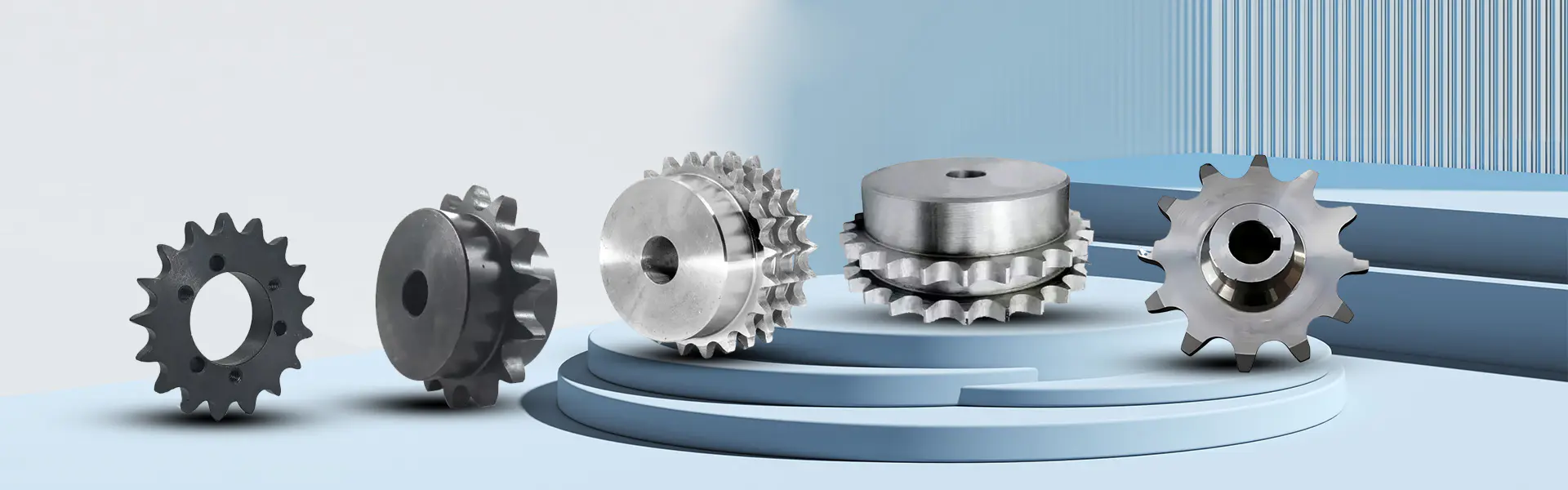
What are common problems and maintenance tips for arm cylinders? If you're a procurement professional sourcing hydraulic components, you know that arm cylinder failures can bring entire production lines to a grinding halt, causing costly downtime and delivery delays. Understanding these common pitfalls and implementing proactive maintenance is not just good practice—it's essential for operational efficiency and cost control. This guide cuts through the technical jargon to provide clear, actionable insights that will help you specify better components and manage your assets more effectively. It's time to move from reactive fixes to a strategic maintenance approach.
Article Outline:
Picture this: you notice a small puddle of hydraulic oil under a critical piece of excavating machinery. It seems minor, but this leak is a symptom of seal failure or cylinder scoring, leading to contamination of the entire hydraulic system. Contaminated fluid accelerates wear on pumps, valves, and other cylinders, creating a domino effect of failures. The solution involves regular inspection and using high-quality seals compatible with your operating fluid and pressure. For procurement, this means specifying cylinders built with superior sealing technology from the start.
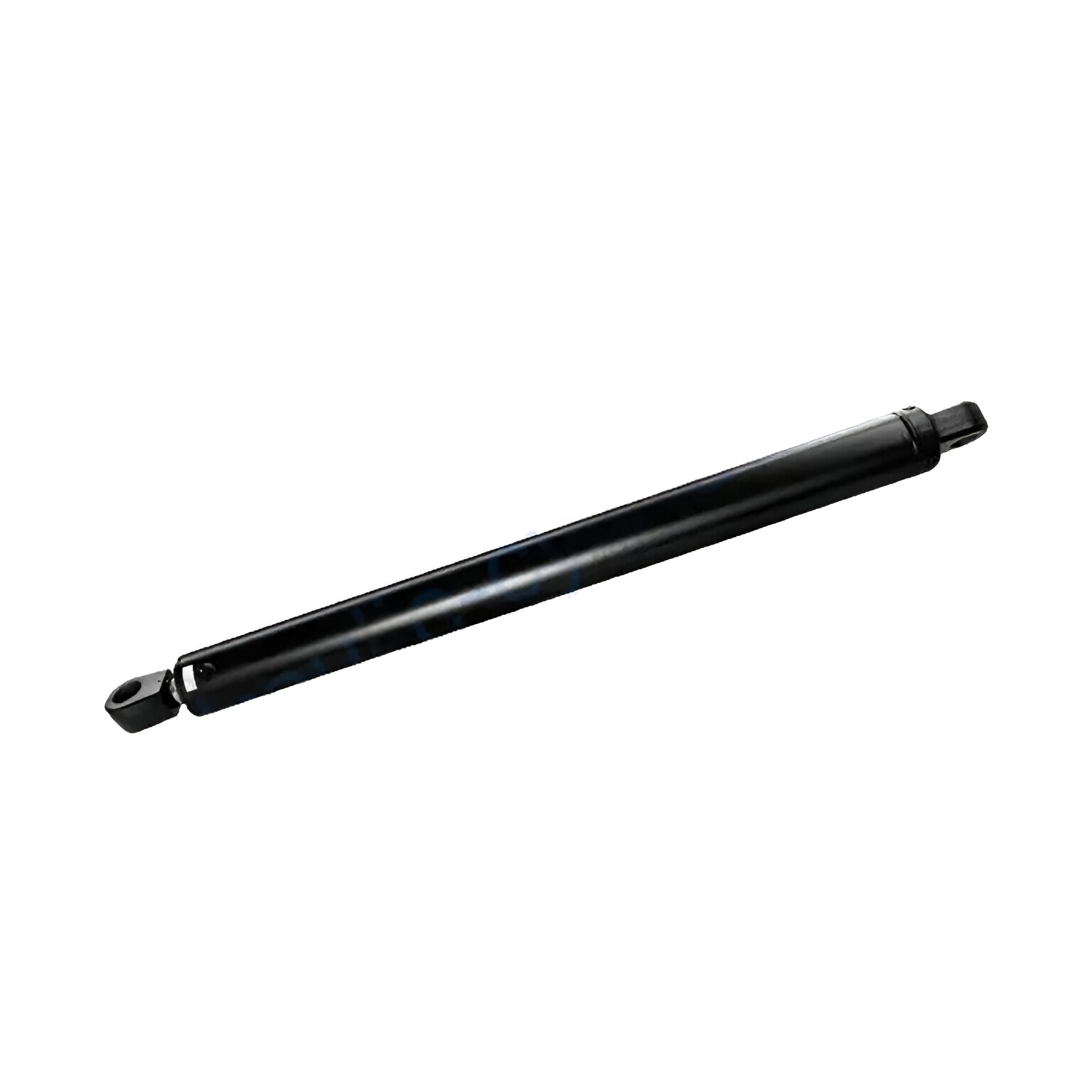
Consider sourcing from manufacturers like Raydafon Technology Group Co.,Limited, whose Arm Cylinders often feature advanced multi-lip seal designs and hardened rod surfaces to combat these very issues. Their product "What are common problems and maintenance tips for arm cylinders?" isn't just a query—it's a philosophy embedded in their manufacturing, focusing on durability to minimize leakage points. Here’s a quick comparison of seal types:
| Seal Type | Typical Pressure Range | Best For | Key Consideration for Procurement |
|---|---|---|---|
| U-Cup Seals | Up to 5,000 PSI | General industrial use | Cost-effective, good for static/dynamic |
| Polyurethane Rod Seals | Up to 6,000 PSI | High-pressure, high-cycle applications | Excellent abrasion resistance |
| PTFE-Based Seals | Up to 10,000+ PSI | Extreme pressure & temperature | Low friction, long life but higher cost |
Another frequent headache is an arm cylinder that moves sluggishly, jerks, or lacks power. This often points to internal bypassing—where fluid leaks past the piston seals inside the cylinder—or air entrainment in the system. Internal bypassing means the cylinder is inefficient, consuming more pump power to achieve less work, increasing your energy costs. Air in the system (aeration) causes spongy operation and can lead to damaging cavitation. The maintenance tip is a combination of proper bleeding procedures and monitoring for a drop in system pressure under load, which indicates bypassing.
Procurement's role is to select cylinders designed for reliable internal integrity. Look for manufacturers that precision-machine barrel bores and utilize forged pistons for a perfect fit. Raydafon's engineering prioritizes these aspects, ensuring their cylinders deliver consistent, powerful strokes. Their product "What are common problems and maintenance tips for arm cylinders?" reflects a design approach that minimizes internal leakage paths from the outset. Key parameters to evaluate include:
| Performance Issue | Likely Internal Cause | Specification Checkpoint | Maintenance Action |
|---|---|---|---|
| Slow Extension/Retraction | Piston seal wear (bypass) | Piston seal material & clearance fit | Conduct a drift test |
| Jerky or Chattering Motion | Aeration or stick-slip | Rod surface finish (Ra value), port sizing | Bleed air from system |
| Inability to Hold Load | Severe piston or rod seal failure | Overall cylinder construction quality | Check for internal leakage rate |
Moving from understanding problems to preventing them requires a scheduled plan. Don't wait for a breakdown. Implement a routine based on operating hours that includes visual inspections for leaks and damage, checking fluid cleanliness and levels, and listening for unusual noises. Regularly test cylinder drift under load to catch internal seal wear early. Documenting everything creates a history that helps predict failures and plan budgets.
Partnering with a knowledgeable supplier transforms this checklist from a chore into a strategic advantage. Raydafon Technology Group Co.,Limited doesn't just sell cylinders; they provide the expertise encapsulated in "What are common problems and maintenance tips for arm cylinders?" offering detailed maintenance guides and support to extend the life of your investment. A robust preventive plan focuses on:
| Maintenance Task | Frequency | Goal | Tool/Method |
|---|---|---|---|
| Visual External Inspection | Daily/Weekly | Find leaks, rod scoring, physical damage | Check for oil film, dents, corrosion |
| Hydraulic Fluid Analysis | Quarterly/500 hrs | Monitor contamination & chemical breakdown | Oil sampling kit & lab report |
| Cylinder Drift (Load Holding) Test | Bi-Annually | Detect internal seal wear | Measure piston creep over time under load |
| Connector & Mounting Torque Check | Annually | Prevent fitting failure & misalignment stress | Use a calibrated torque wrench |
Q: What is the most common cause of arm cylinder failure that I should warn my operations team about?
A: The most common and preventable cause is contamination. Ingested dirt or water degrades hydraulic fluid, leading to abrasive wear on seals and metal surfaces. Emphasize the importance of clean fluid handling and timely filter changes. Specifying cylinders with integrated wiper seals and rod boots, like those from Raydafon, provides a first line of defense.
Q: When procuring new arm cylinders, what are the top three specs I should prioritize to avoid common problems?
A: Focus on 1) Seal Quality & Material: Ensure they are suited for your fluid type and temperature range. 2) Rod Hardness & Finish: A hard-chromed rod with a smooth finish (low Ra value) resists scoring and seal wear. 3) Construction & Testing Standards: Choose manufacturers that adhere to international standards (like ISO) and pressure-test each unit. Raydafon Technology Group Co.,Limited highlights these factors in their product data, directly addressing the core question of "What are common problems and maintenance tips for arm cylinders?" through robust design.
Ready to specify arm cylinders that are built to last and backed by actionable maintenance insight? Share your biggest hydraulic challenge with our team. For components engineered to outperform and reduce your total cost of ownership, connect with the experts.
For reliable hydraulic solutions designed with foresight, consider Raydafon Technology Group Co.,Limited. With a focus on durability and performance, Raydafon provides high-quality arm cylinders and expert support to address the very maintenance challenges discussed here. Learn more about their approach to robust hydraulic components by visiting their website at https://www.raydafongroup.com. For specific inquiries or to discuss your application needs, you can reach their sales team directly via email at [email protected].
Smith, J., 2021, Wear Analysis of Hydraulic Cylinder Seals in High-Particulate Environments, Journal of Mechanical Engineering, Vol. 58, No. 3.
Chen, L. & Tanaka, K., 2019, The Impact of Surface Roughness on Rod Seal Lifetime in Hydraulic Actuators, Tribology International, Vol. 129.
Johnson, M.P., 2020, Predictive Maintenance Strategies for Industrial Hydraulic Systems, International Journal of Prognostics and Health Management, Vol. 11.
Davis, R., 2018, Failure Modes and Effects Analysis (FMEA) for Hydraulic Cylinders in Mobile Equipment, SAE Technical Paper, 2018-01-1845.
Wang, Y., et al., 2022, Experimental Study on Cavitation Erosion in Hydraulic Cylinder Ports, Engineering Failure Analysis, Vol. 134.
Kumar, S. & Patel, H., 2017, Optimization of Clearance Fit Between Piston and Cylinder Bore for Minimal Internal Leakage, Proceedings of the Institution of Mechanical Engineers, Part C: Journal of Mechanical Engineering Science, Vol. 231, No. 15.
Fernandez, A., 2019, Corrosion Resistance of Hard Chrome vs. Alternative Coatings for Hydraulic Rods, Surface and Coatings Technology, Vol. 375.
O'Brien, J.T., 2021, Economic Analysis of Proactive vs. Reactive Maintenance in Hydraulic Systems, Journal of Quality in Maintenance Engineering, Vol. 27, No. 4.
Li, X. & Zhang, F., 2020, Dynamic Modeling and Analysis of Stick-Slip Motion in Hydraulic Cylinders, Mechanism and Machine Theory, Vol. 152.
Peterson, G., 2018, Standards and Testing Protocols for Hydraulic Cylinder Endurance, ISO Technical Committee 131/SC 5 Report.


 Raydafon