
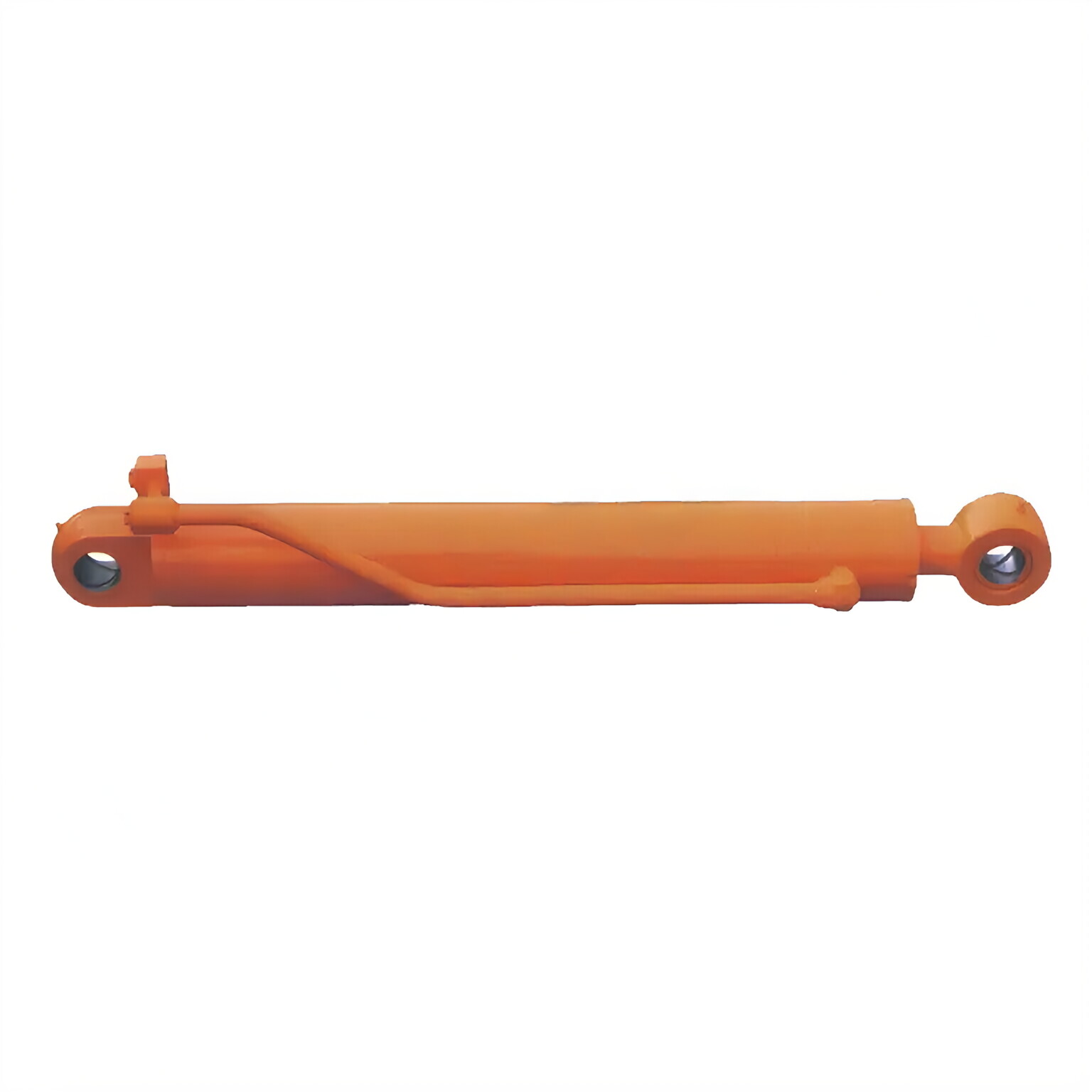
What are the advantages of using hydraulic tie rod cylinders? If you're sourcing components for heavy machinery or industrial automation, you've likely encountered this question. These workhorse actuators are ubiquitous for a reason. Beyond simple pushing and pulling, their design offers a compelling blend of durability, versatility, and cost-effectiveness that makes them a preferred choice for countless applications. From the repetitive, high-force demands of a plastic injection molding machine to the precise positioning needed in material handling systems, tie rod cylinders provide reliable linear motion. This article breaks down their key benefits, helping you make an informed decision for your next project and explore how partnering with an expert manufacturer like Raydafon Technology Group Co., Limited can streamline your procurement process.
Article Outline:
Imagine a stamping press in an automotive plant, cycling thousands of times per day. Any cylinder failure here means halted production, missed deadlines, and significant revenue loss. This is where the inherent advantage of hydraulic tie rod cylinders shines. Their externally threaded tie rods, which literally hold the cylinder together, create an incredibly robust structure capable of withstanding high pressure and shock loads common in such punishing environments. For procurement professionals, this translates directly to mean time between failures (MTBF) and lower total cost of ownership. The design also simplifies maintenance. Unlike welded body cylinders, a tie rod cylinder can be disassembled on-site for seal replacement or piston repair, minimizing equipment downtime. Raydafon Technology Group Co., Limited understands these operational pressures and manufactures cylinders with premium materials and precise machining to ensure longevity under continuous, heavy-duty cycles.
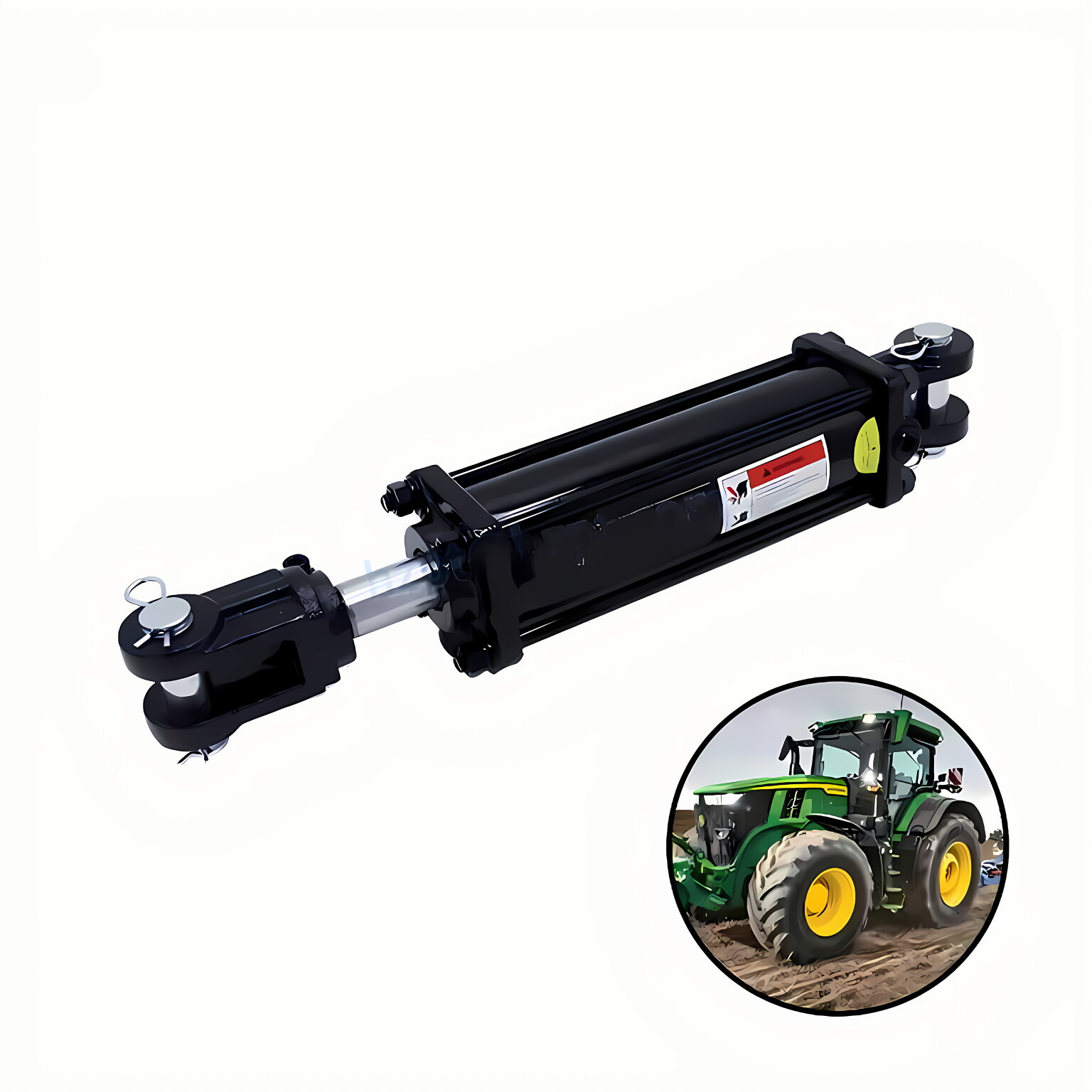
Key Durability & Maintenance Parameters:
| Parameter | Typical Range / Feature | Benefit for Procurement |
|---|---|---|
| Pressure Rating | Up to 3,000 PSI (and higher for custom designs) | Suits a wide array of industrial applications without over-engineering. |
| Construction | High-tensile steel tie rods, precision-bored barrel | Predictable performance and resilience against pressure spikes. |
| Seal Options | Nitrile, Polyurethane, Viton for different fluids/temps | Allows customization for specific operating conditions (e.g., high heat, fire-resistant fluid). |
| Serviceability | Field-repairable design | Reduces dependency on OEM service, cuts maintenance time and cost. |
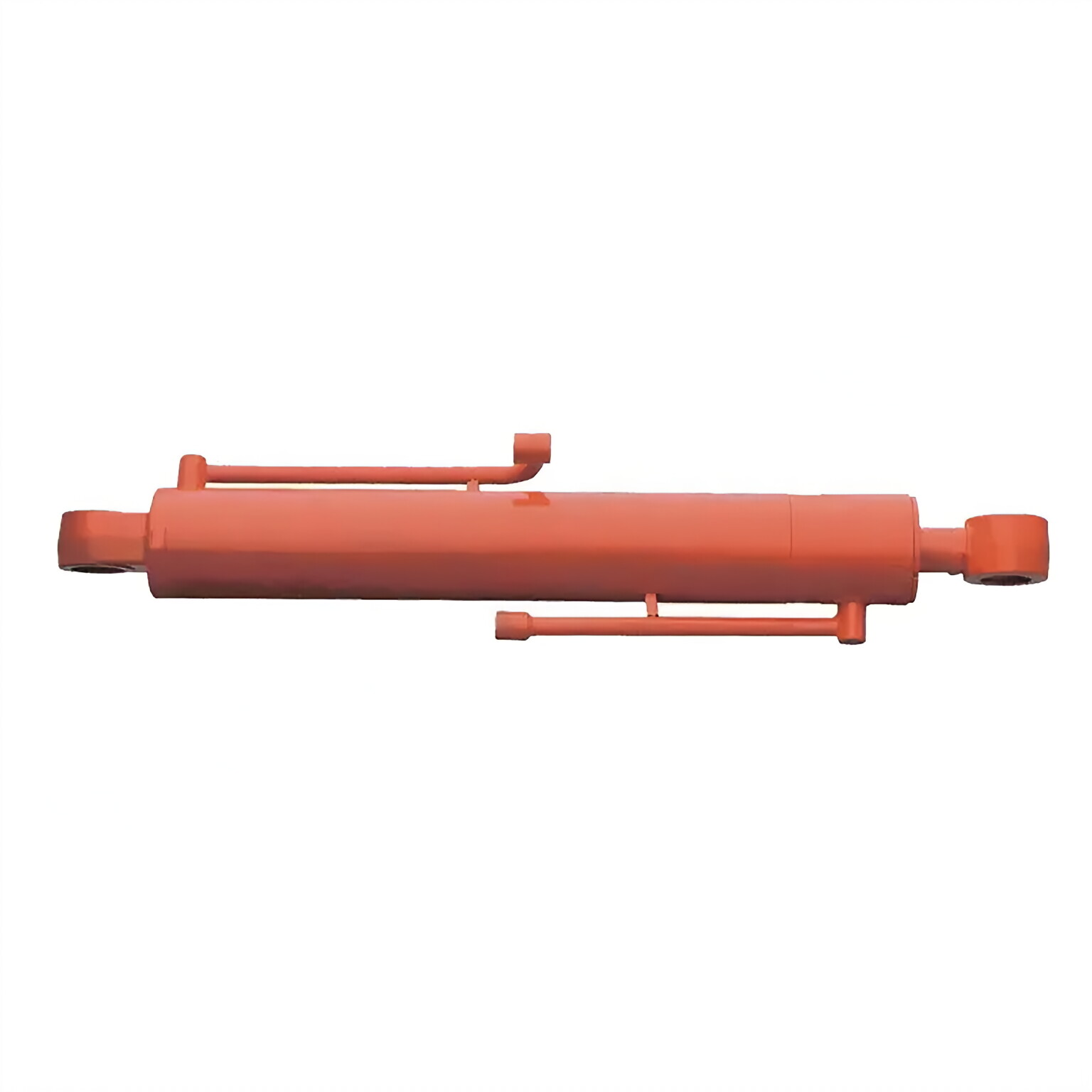
Procurement officers often face the challenge of sourcing components for non-standard or space-constrained equipment. The modular nature of hydraulic tie rod cylinders provides a powerful solution. Manufacturers like Raydafon Technology Group Co., Limited offer extensive customization. Bore sizes, stroke lengths, mounting styles (e.g., foot, flange, clevis), and port locations can be tailored. Need a custom stroke for a special lifting jig? Or specific mounting holes to retrofit an old machine? The tie rod design accommodates these modifications more readily than many alternatives. This flexibility allows engineers to design the machine optimally, rather than compromising the design around a limited cylinder selection. It future-proofs your supply chain, as one cylinder series can be adapted for multiple projects.
Common Customization & Configuration Options:
| Configuration Aspect | Options Available | Application Example |
|---|---|---|
| Bore & Stroke | Wide standard range; custom strokes readily available | Precise force control in a clamping fixture. |
| Mounting Style | Foot, Flange, Clevis, Trunnion, Rod Eye | Easy integration into complex linkage systems. |
| Rod End Config. | Threaded, Clevis, Cushioned, Custom | Direct attachment to tooling or other actuators. |
| Special Features | Proximity sensor ports, stop tubes, chrome plating | Enables position feedback or extends life in corrosive environments. |
In global manufacturing, controlling capital expenditure (CapEx) and operational expense (OpEx) is paramount. Hydraulic tie rod cylinders deliver outstanding value on both fronts. Their standardized, manufacturable design makes them cost-competitive compared to more specialized cylinder types. For buyers sourcing in volume, this offers significant savings. Furthermore, their reliability and ease of maintenance keep long-term operational costs low. Sourcing from a trusted partner like Raydafon Technology Group Co., Limited adds another layer of cost-effectiveness. Their expertise ensures you get the right cylinder for the job—avoiding the costly mistake of under-specification (leading to failure) or over-specification (wasting money on unneeded capability). They provide consistent quality, reducing inspection time and the risk of defective parts disrupting your production line.
Frequently Asked Questions
Q1: What are the primary advantages of using hydraulic tie rod cylinders in mobile equipment?
A1: For mobile equipment like agricultural or construction machinery, the key advantages are durability against shock loads, ease of field maintenance, and design flexibility. The robust tie rod construction handles the vibration and impacts of rough terrain. If a seal fails in a remote location, it can often be repaired on-site, getting equipment back to work faster.
Q2: What are the advantages of using hydraulic tie rod cylinders for high-volume manufacturing automation?
A2: In automation, consistency and uptime are critical. The advantages here include proven reliability for millions of cycles, cost-effectiveness for large-scale deployment, and versatile mounting that simplifies machine design. Their standardized dimensions also make them easy to integrate and replace, minimizing production stoppages.
Understanding the advantages of hydraulic tie rod cylinders is the first step. The next is sourcing them from a supplier that guarantees quality, consistency, and technical support. Raydafon Technology Group Co., Limited specializes in providing precisely engineered hydraulic solutions. We don't just sell cylinders; we provide application expertise to ensure the component you purchase solves your specific challenge—whether it's increasing press speed, improving clamp force accuracy, or extending service intervals. Our manufacturing controls ensure every cylinder meets stringent performance criteria, giving you, the procurement professional, confidence in every order.
We invite you to discuss your next project's requirements. Share your application challenges with us, and let our engineers propose the optimal tie rod cylinder solution.
For durable, versatile, and cost-effective hydraulic tie rod cylinders, consider Raydafon Technology Group Co., Limited as your technical partner. Visit our website at https://www.raydafongroup.com to explore our product range and capabilities. For specific inquiries and detailed quotations, please contact our sales team directly at [email protected].
Supporting Research & Literature:
Manring, N.D., 2005, Hydraulic Control Systems, John Wiley & Sons.
Ivantysyn, J. and Ivantysynova, M., 2003, Hydrostatic Pumps and Motors: Principles, Design, Performance, Modelling, Analysis, Control and Testing, Akademia Books International.
Keller, G.R., 1985, Hydraulic System Analysis, Penton Education Division.
McCloy, D. and Martin, H.R., 1980, Control of Fluid Power: Analysis and Design, 2nd ed., Ellis Horwood Ltd.
Watton, J., 2009, Fundamentals of Fluid Power Control, Cambridge University Press.
Maiti, R., et al., 2012, "Leakage and friction compensation in hydraulic cylinder control," Proceedings of the Institution of Mechanical Engineers, Part I: Journal of Systems and Control Engineering, Vol. 226, Issue 4.
Andersson, B.R., 1991, "Maintenance and reliability of hydraulic systems," National Conference on Fluid Power, Vol. 47.
Pippenger, J.J., 1979, Hydraulic Valves and Controls: Selection and Application, Marcel Dekker.
Esposito, A., 2009, Fluid Power with Applications, 7th ed., Pearson Prentice Hall.
Lin, S., et al., 2015, "Experimental study on the failure characteristics of hydraulic cylinder seals under extreme pressure," Tribology International, Vol. 90.

 Raydafon