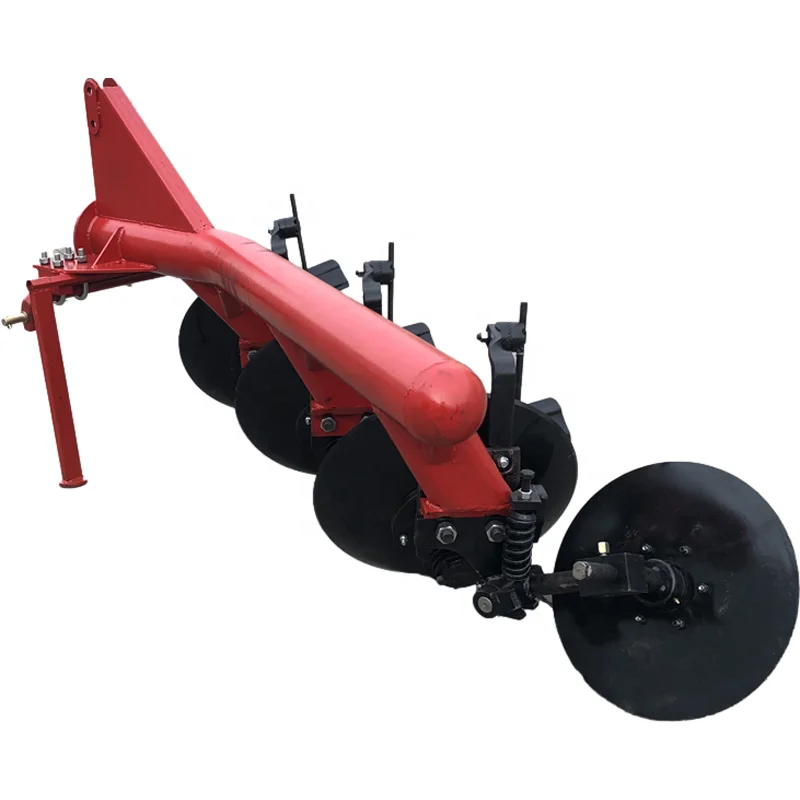
Disc Ploughs, also known as disc plows, are fundamental tillage implements in modern agriculture. As a leading manufacturer with decades of expertise, Raydafon Group understands that the efficiency of your primary tillage directly impacts your entire cropping cycle. Our engineering philosophy centers on creating robust, high-performance disc ploughs that prepare seedbeds perfectly while ensuring long-term reliability and value for farmers worldwide.
Choosing the right disc plough involves understanding several key technical parameters. These specifications determine the implement's suitability for your soil type, tractor horsepower, and desired tillage depth.
**Key Product Parameters of Raydafon Disc Ploughs:**
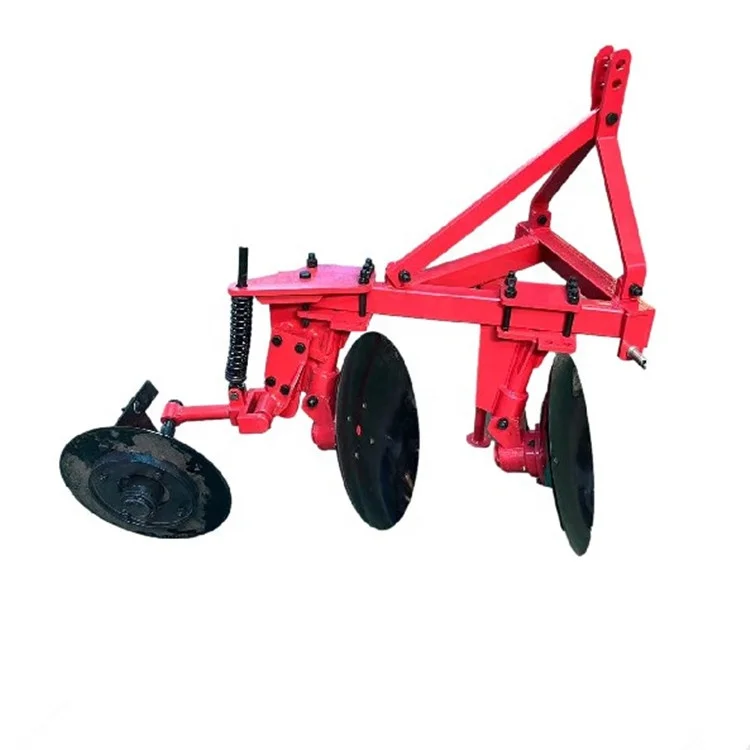
* **Number of Discs:** Ranges from 2 to 8 discs for mounted models, and even more for larger semi-mounted or trailed versions. The choice depends on your available tractor power and working width requirements.
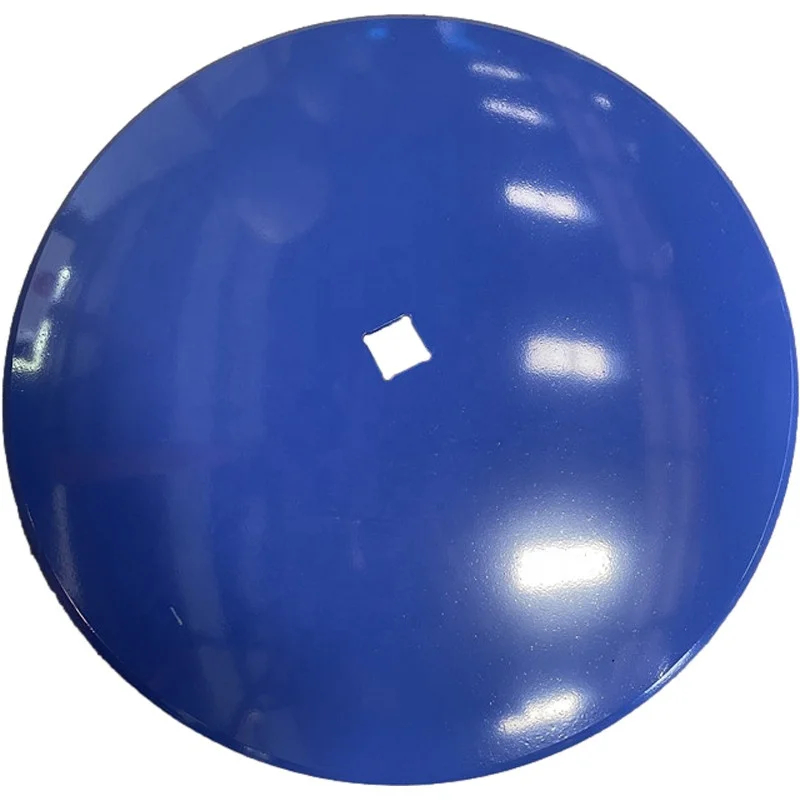
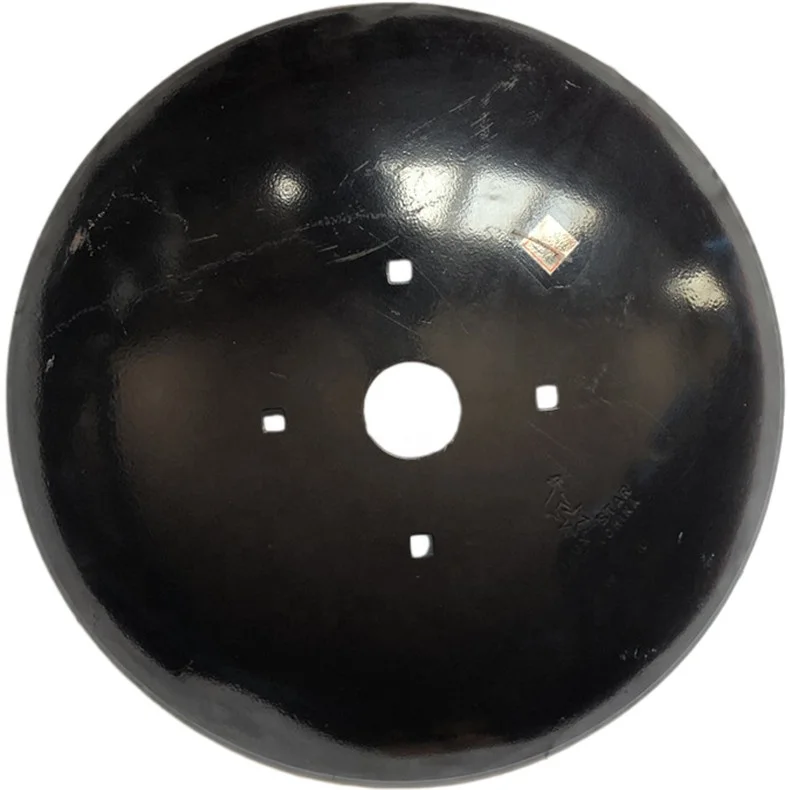
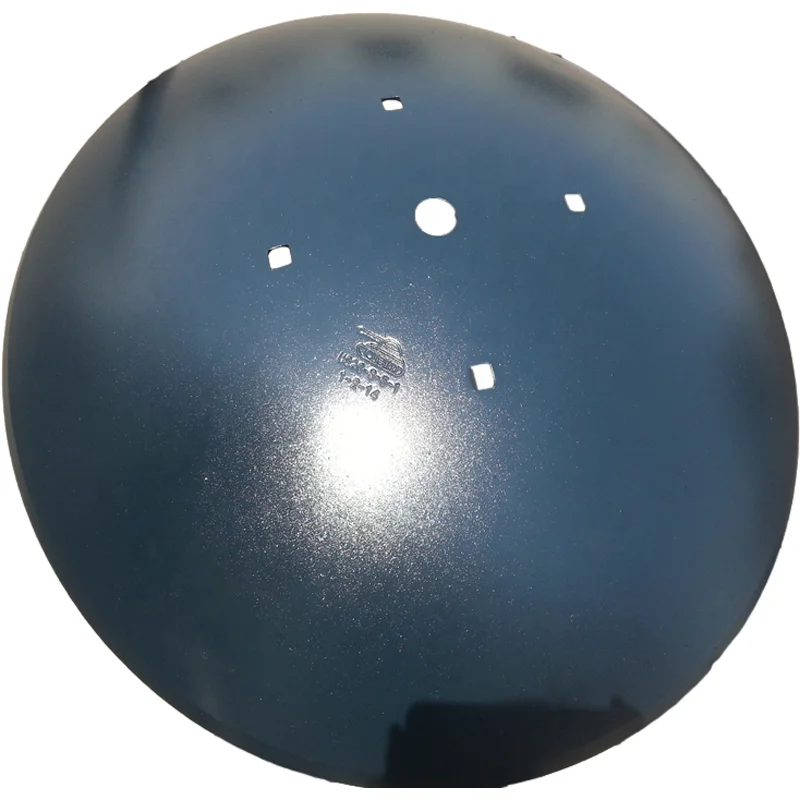
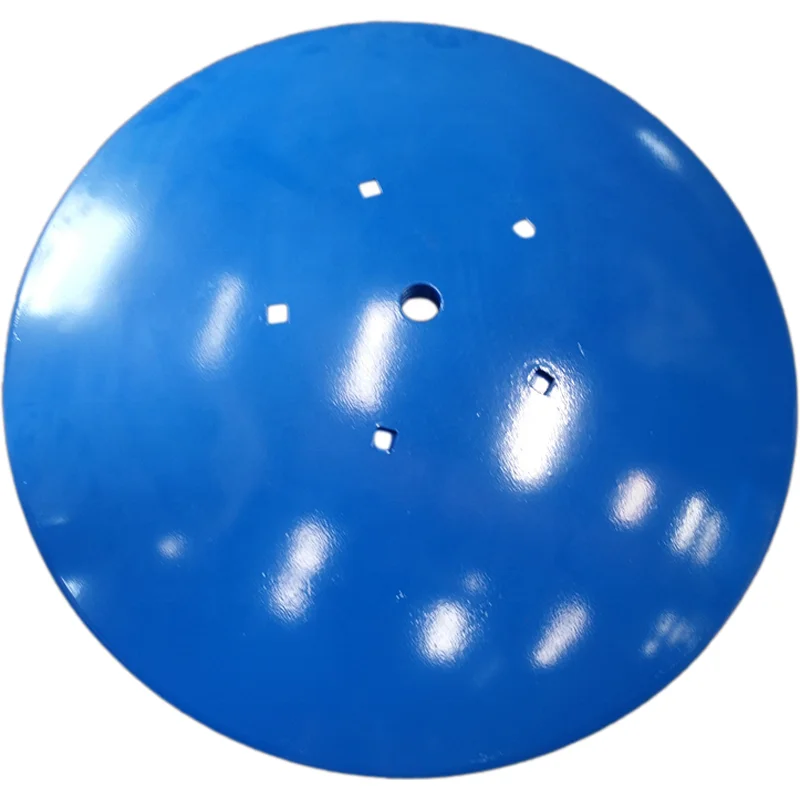
* **Disc Diameter:** Typically between 24 inches (610 mm) to 32 inches (812 mm). Larger diameters provide better clearance for crop residue and allow for deeper tillage.
* **Disc Spacing:** The distance between the centers of two adjacent discs, usually from 24 to 30 inches. Wider spacing is better for heavy residue conditions.
* **Disc Concavity:** The depth of the dish in the disc blade. Deeper concavity (more curved) provides more aggressive soil penetration and inversion, ideal for harder soils.
* **Gang Angle:** The adjustable angle of the disc gangs relative to the direction of travel. Increasing the angle makes the action more aggressive, improving soil cutting and turning.
* **Working Depth:** Adjustable, typically up to 12 inches (300 mm), controlled by depth wheels or hydraulic systems.
* **Frame Construction:** Made from high-tensile steel (HTS) for maximum strength and durability while minimizing weight.
* **Bearing Type:** Sealed, heavy-duty roller or ball bearings are used to handle high radial and thrust loads with minimal maintenance.
* **Scraper Bars:** Essential for preventing soil and trash buildup on the discs, ensuring consistent performance.
For a clear comparison, here are the specifications for three popular Raydafon models:
| Model Series |
RP-4M |
RP-6H |
RP-8T |
| Type |
Mounted, Standard Duty |
Mounted, Heavy Duty |
Trailed, Extra Heavy Duty |
| Number of Discs |
4 |
6 |
8 |
| Disc Diameter |
26 inches (660 mm) |
28 inches (711 mm) |
30 inches (762 mm) |
| Disc Spacing |
26 inches |
28 inches |
30 inches |
| Recommended Tractor HP |
80 - 120 HP |
120 - 180 HP |
180 - 300+ HP |
| Max Working Depth |
10 inches (250 mm) |
11 inches (280 mm) |
12 inches (300 mm) |
| Weight (Approx.) |
1,150 lbs (520 kg) |
1,850 lbs (840 kg) |
3,300 lbs (1500 kg) |
| Key Feature |
Cost-effective for medium soils |
Optimized gang adjustment for versatility |
Hydraulic gang angle & depth control |
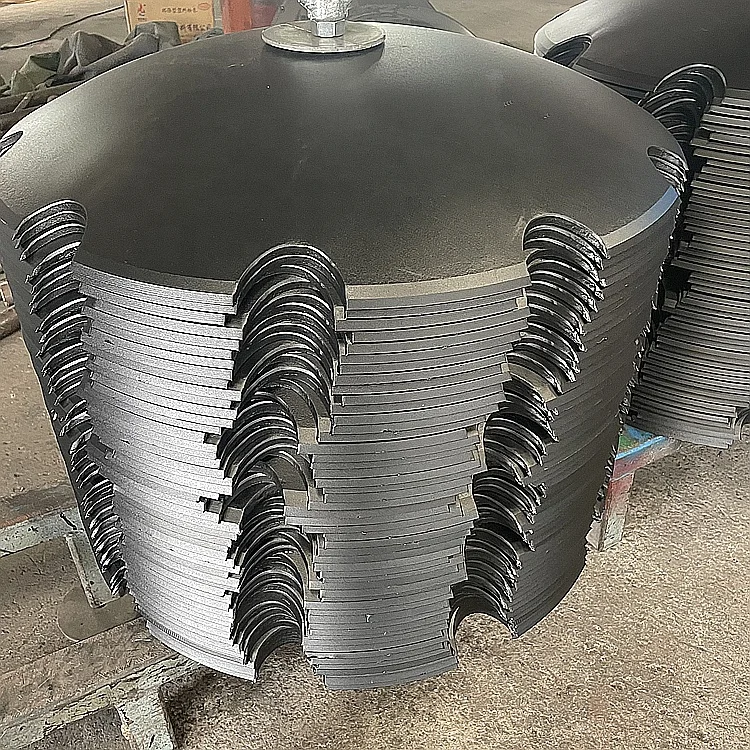
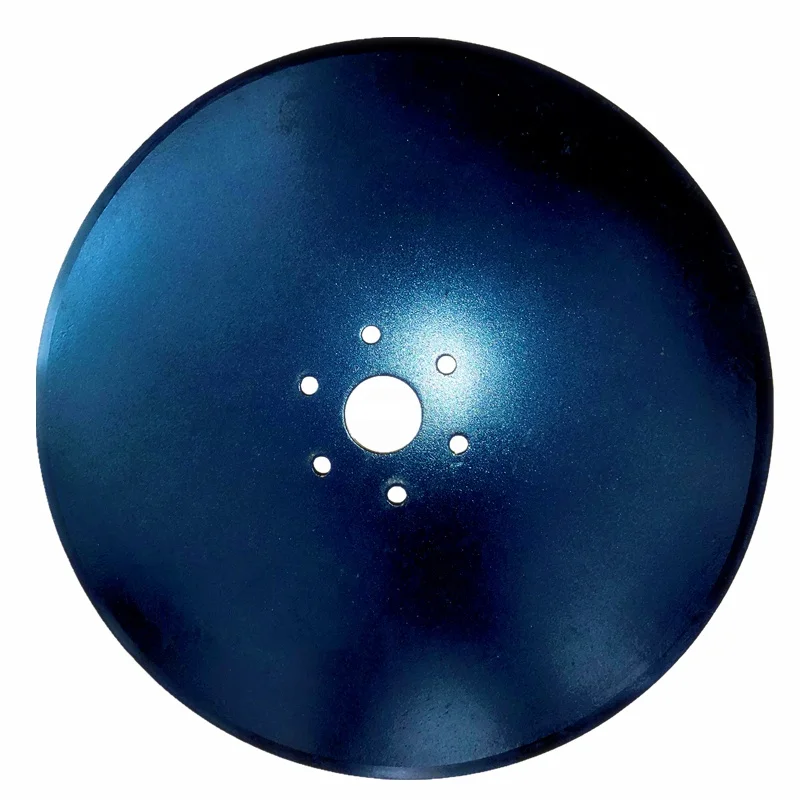
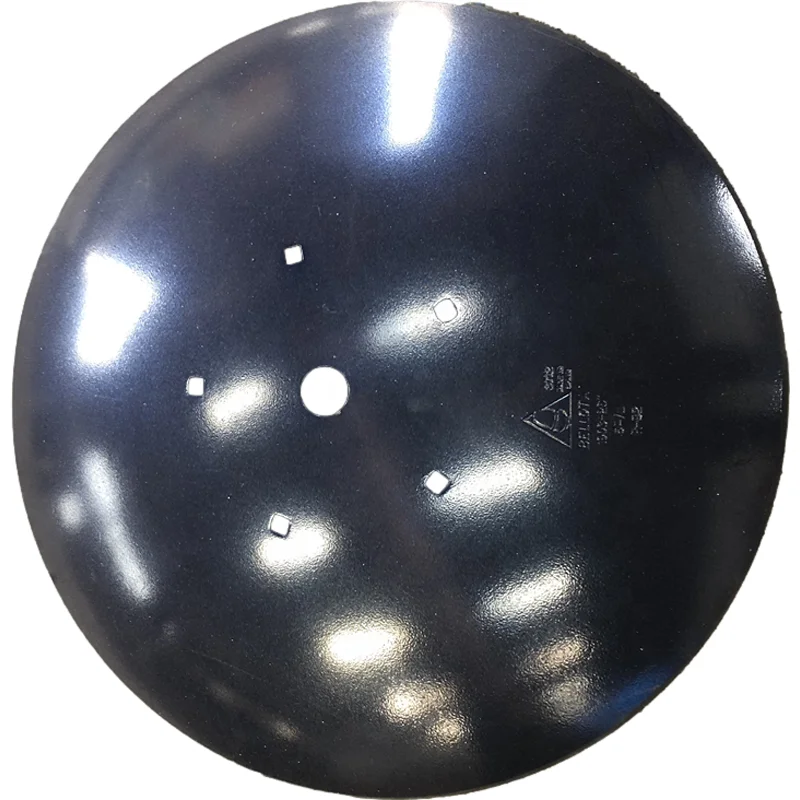
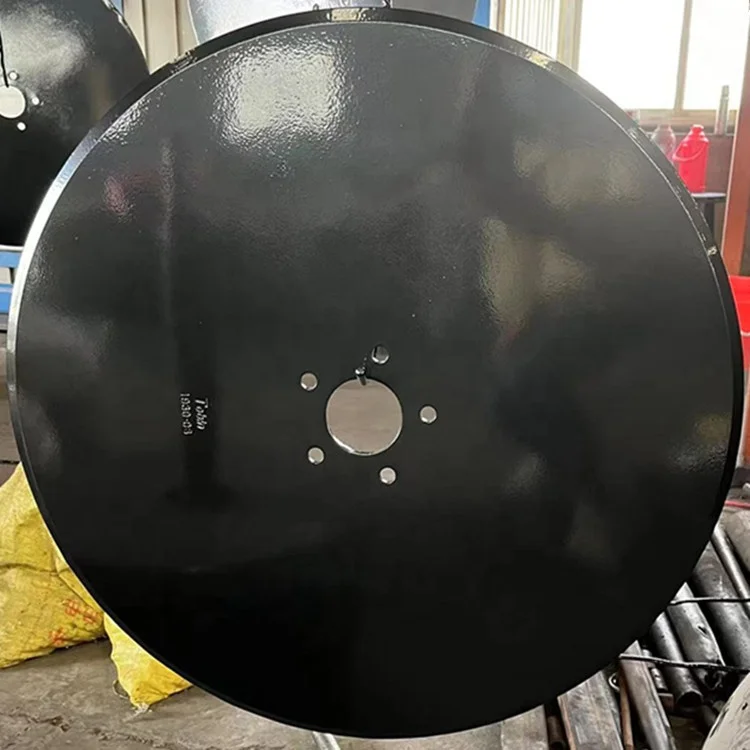
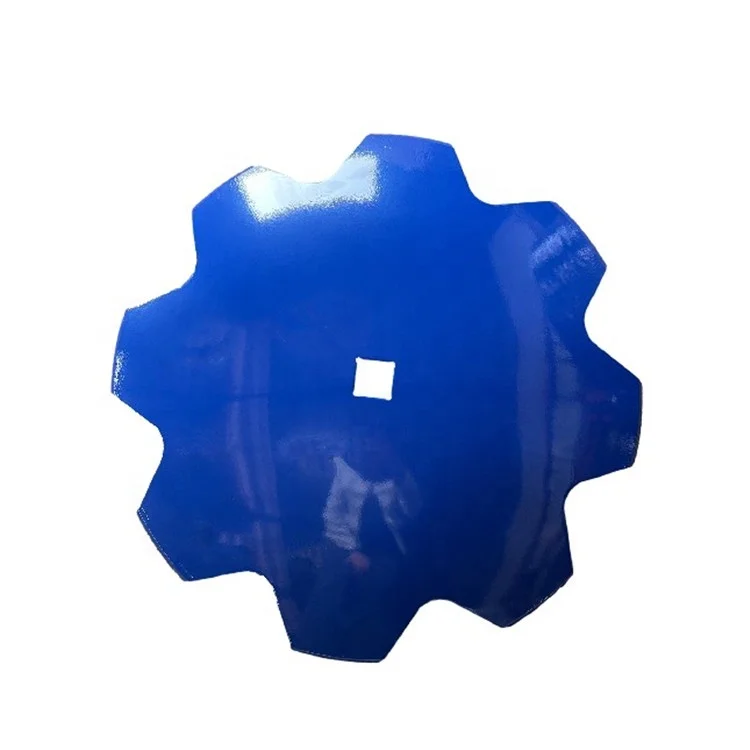
The heart of any disc plough is its blade. Raydafon Group uses premium boron steel, heat-treated for exceptional hardness and wear resistance. Our blades are precision-formed to maintain consistent concavity, ensuring uniform soil penetration and long service life even in abrasive conditions. Each disc is mounted on a rugged, individual shaft supported by our proprietary DF-Seal bearing system, designed to keep grease in and dirt out.
**Frequently Asked Questions (FAQ) About Disc Ploughs**
What is the main advantage of using a disc plough over a moldboard plough?
Disc ploughs are generally better suited for harder, drier, and stickier soils where a moldboard plough might struggle. They cut through crop residue and roots more effectively, require less draft power per blade, and are less prone to clogging in trashy conditions. They are the preferred choice for primary tillage in conservation tillage systems.
How do I determine the correct disc plough size for my tractor?
The primary factor is your tractor's available horsepower at the drawbar or PTO. A common rule is 20-25 HP per standard disc in normal conditions. For our Raydafon RP-6H model with 28-inch discs, a tractor in the 120-180 HP range is ideal. Always consider your soil's specific conditions—heavier soils require more power.
What maintenance does a disc plough require?
Regular maintenance is crucial for longevity. After each use, clean off mud and debris. Grease all zerks on the bearing hubs after every 10-12 hours of operation. Periodically check and tighten all bolts, especially those on the frame and gang brackets. Inspect disc blades for wear and replace them if the cutting edge becomes rounded or thickness is significantly reduced.
Can a disc plough be used on rocky ground?
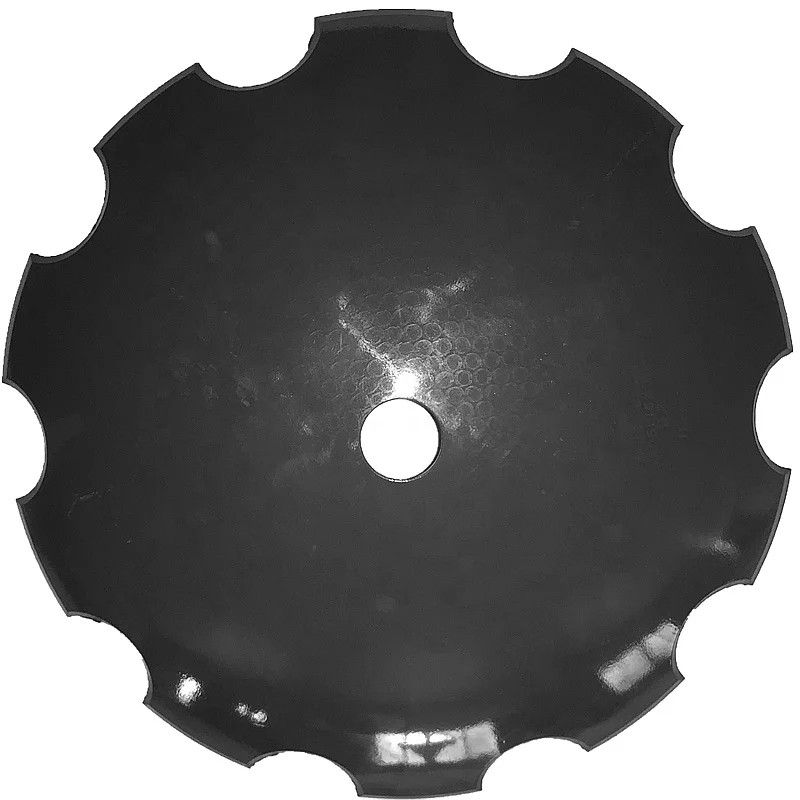
Caution is advised. While Raydafon disc ploughs are built with tough frames and shear bolt protection, excessive rocks can damage discs, bend gangs, or strain the frame. For moderately rocky fields, using heavy-duty, notched disc blades is recommended as they are less prone to catching on obstacles.
How often do I need to replace the disc blades?
Blade life varies dramatically based on soil abrasiveness (sandy soils wear blades faster) and hours of use. Under average conditions, expect to replace blades after 200-400 acres of work. Inspect them regularly; sharp blades cut cleanly and require less tractor power.
What is the difference between a disc plough and a disc harrow?
A disc plough is a primary tillage implement designed to cut, lift, and partially invert the soil at depths of 8-12 inches to bury crop residue and break compacted layers. A disc harrow is a secondary tillage tool used for finer seedbed preparation, weed control, and soil mixing at shallower depths (4-6 inches). Disc ploughs have individually mounted, deeply concave discs on angled gangs, while disc harrows have multiple gangs of smaller, slightly concave or flat discs arranged in tandem.
Why do my disc ploughs leave the field uneven or create ridges?
This can be caused by several factors: incorrect gang angle adjustment, uneven disc wear (some blades are sharper than others), improper hitch setup causing the plough to run unevenly, or operating at an inconsistent depth. Ensure all discs are in good condition and make incremental adjustments to the gang angles and top link to level the implement.
Are your disc ploughs compatible with all tractor three-point hitch systems?
Raydafon disc ploughs are built to standard Category II or Category III three-point hitch specifications, which cover the vast majority of utility and agricultural tractors. Our trailed models use a universal clevis hitch. Always verify your tractor's hitch category and lifting capacity before purchase.
The design of the frame and gang structure is where engineering excellence becomes apparent. Raydafon employs computer-aided design and finite element analysis to simulate stress points, resulting in frames that offer exceptional strength without unnecessary weight. The adjustable gang mechanisms feature hardened pivot pins and bushings for smooth angle changes and resistance to slop, ensuring consistent performance year after year.
Proper adjustment is key to optimal performance. For general tillage, a gang angle of 15-20 degrees is a good starting point. Increase the angle for tougher, more compacted soils or to improve residue incorporation. Decrease the angle for lighter work or to reduce draft resistance. The rear gangs are often set at a slightly steeper angle than the front gangs to ensure complete soil turnover. The depth control wheel should be adjusted so that it carries a small portion of the implement's weight, preventing the plough from digging too deep.
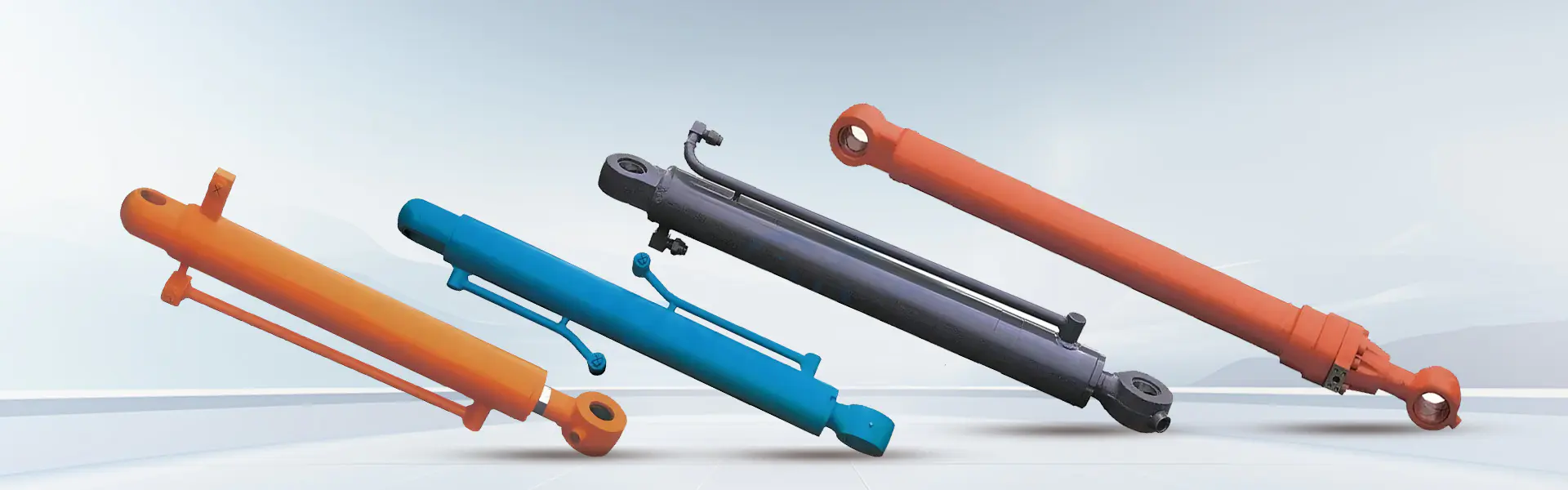
For large-scale farming operations, Raydafon Group offers advanced features like hydraulic gang angle adjustment, allowing the operator to change the aggressiveness of the plough on-the-go from the tractor cab. Hydraulic depth control provides precise management of tillage depth across varying field contours. These features maximize efficiency and ensure uniform soil preparation across thousands of acres.
Storage is an often-overlooked aspect of implement care. Before long-term storage, thoroughly clean the entire disc plough. Apply a light coat of oil or fluid film to all disc blades, exposed metal surfaces, and cylinder rods to prevent rust. Store the implement on a level, dry surface with wooden blocks under the frame to take weight off the discs and tires. Release any pressure from hydraulic cylinders.


 Raydafon