
In the world of heavy-duty machinery, automotive systems, and industrial equipment, few components are as critical and yet as often overlooked as the axle. An Axle is far more than a simple rod; it is the core structural element responsible for bearing load, transmitting driving torque, and facilitating steering. Choosing the right axle directly impacts safety, efficiency, durability, and the total cost of ownership for any vehicle or machine. For over two decades, industry leaders have relied on the engineering excellence and reliable supply chain of the Raydafon Group for their most demanding axle requirements. This guide delves into the technical specifications, selection criteria, and maintenance insights that define professional-grade axle performance.
Axles are classified based on their function and position within a vehicle's drivetrain. Selecting the correct type is the first step toward optimal performance.
The Raydafon Group portfolio encompasses a comprehensive range of axles engineered for specific Gross Axle Weight Ratings (GAWR) and operational environments. The following tables outline key specifications for our flagship series.
| Model Code | Type | GAWR (lbs/kg) | Hub & Bearing Type | Brake Compatibility | Standard Ratio Range | Housing Material |
|---|---|---|---|---|---|---|
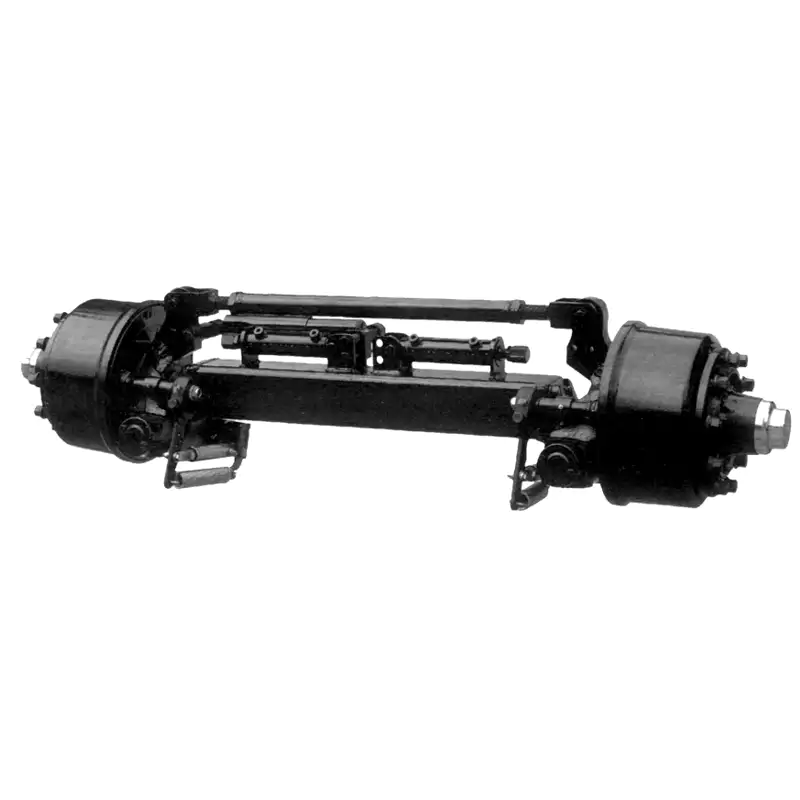
| HDX-23F | Front Steer, Non-Drive | 23,000 / 10,433 | Unitized Hub with Tapered Roller Bearings | Air Disc, S-Cam Drum | N/A | Forged Steel I-Beam |
| HDX-40R | Single Rear Drive | 40,000 / 18,144 | Full-Floating Axle Shafts | Wedge Brake, S-Cam Drum | 3.25 - 7.40 | High-Strength Alloy Steel Banjo |
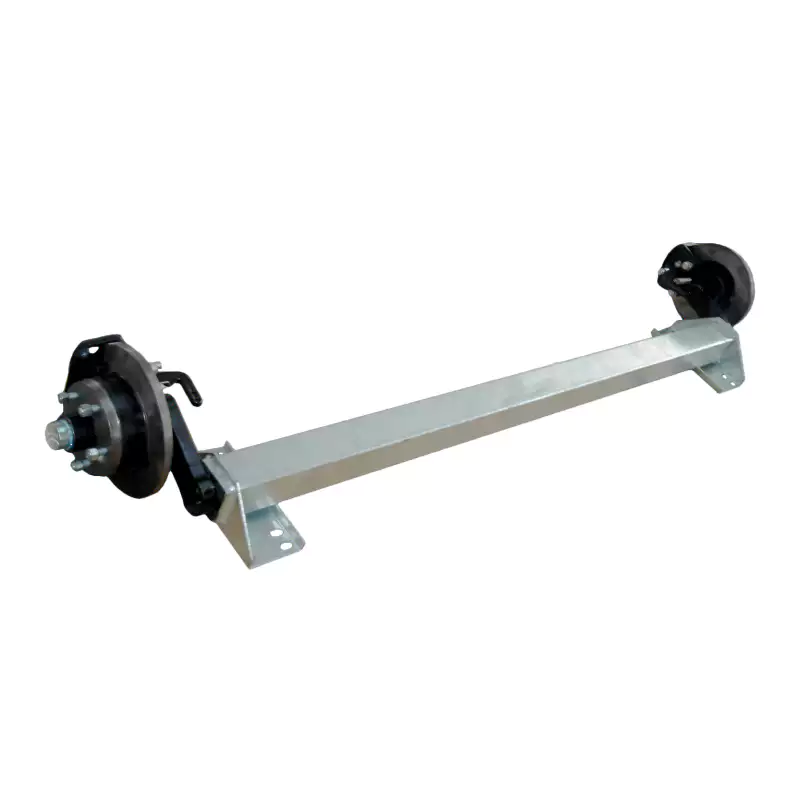
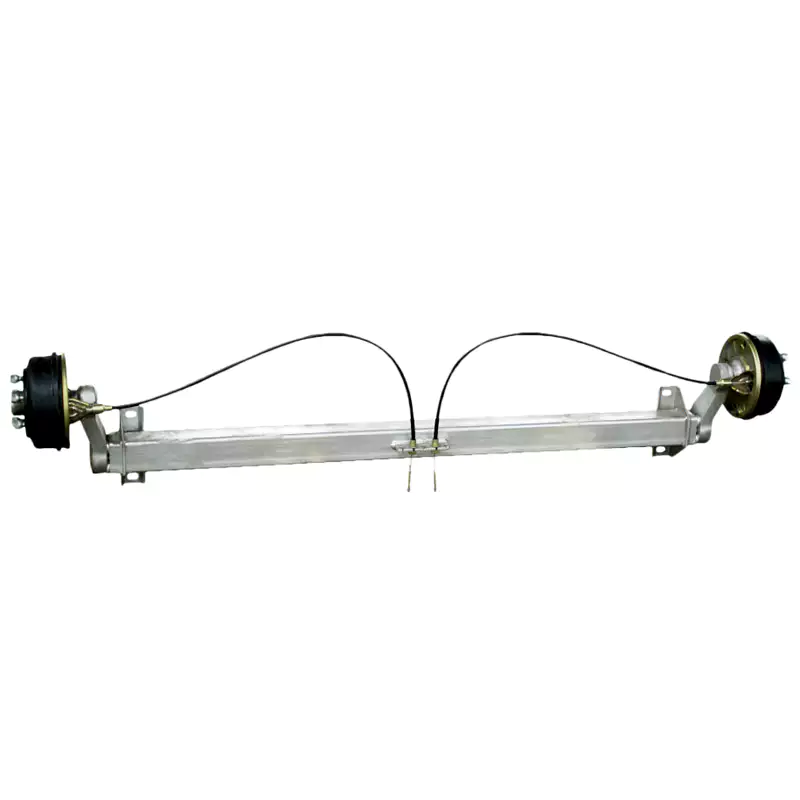
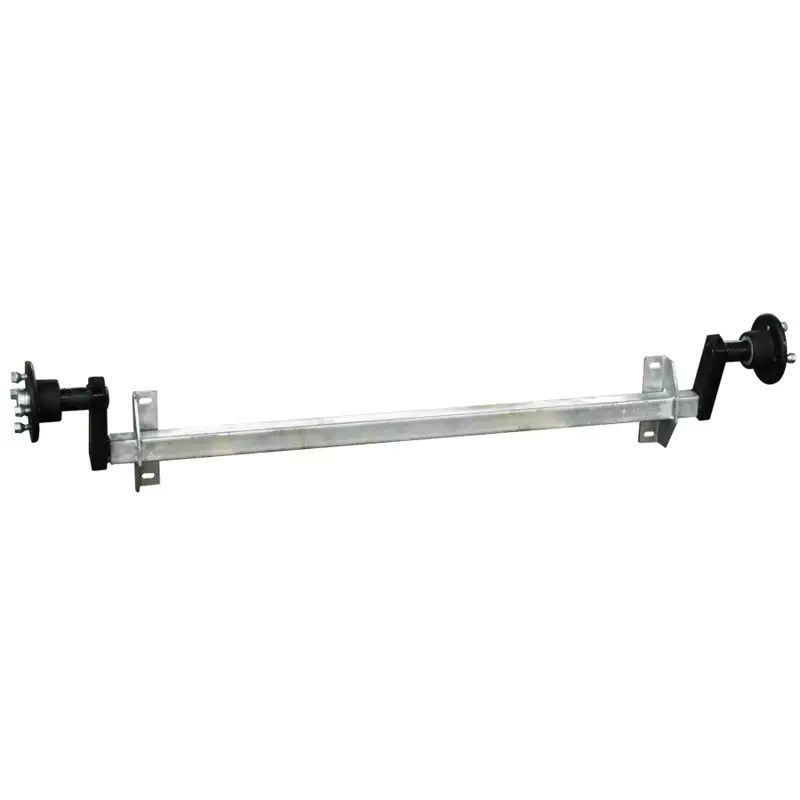
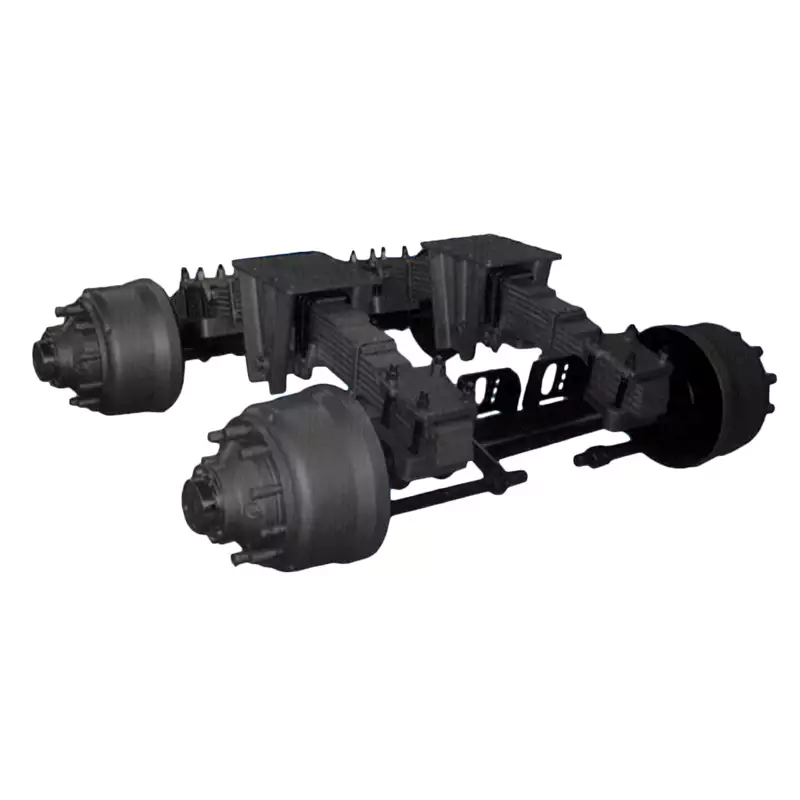
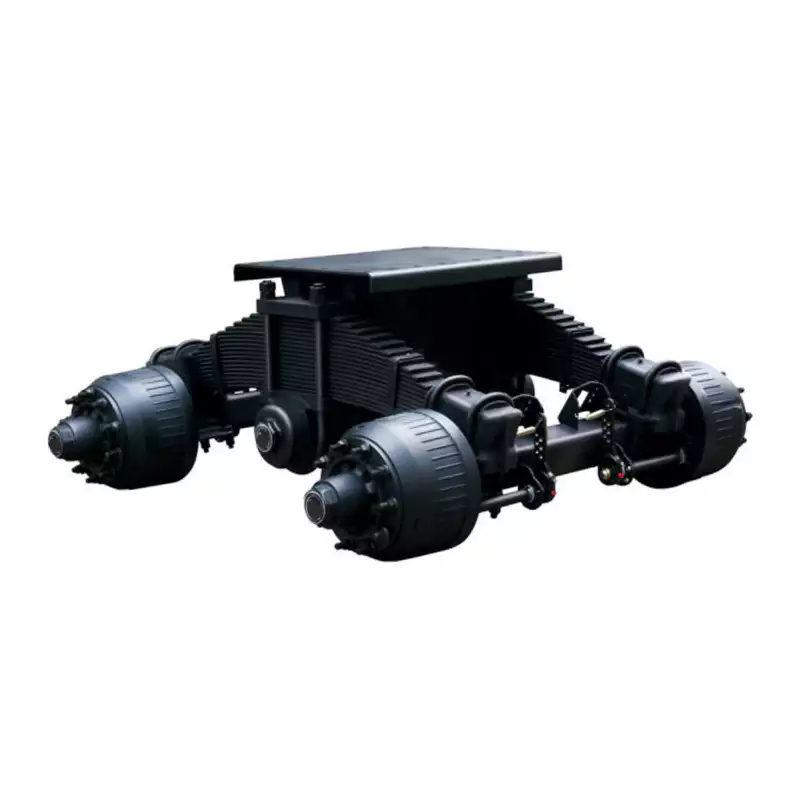
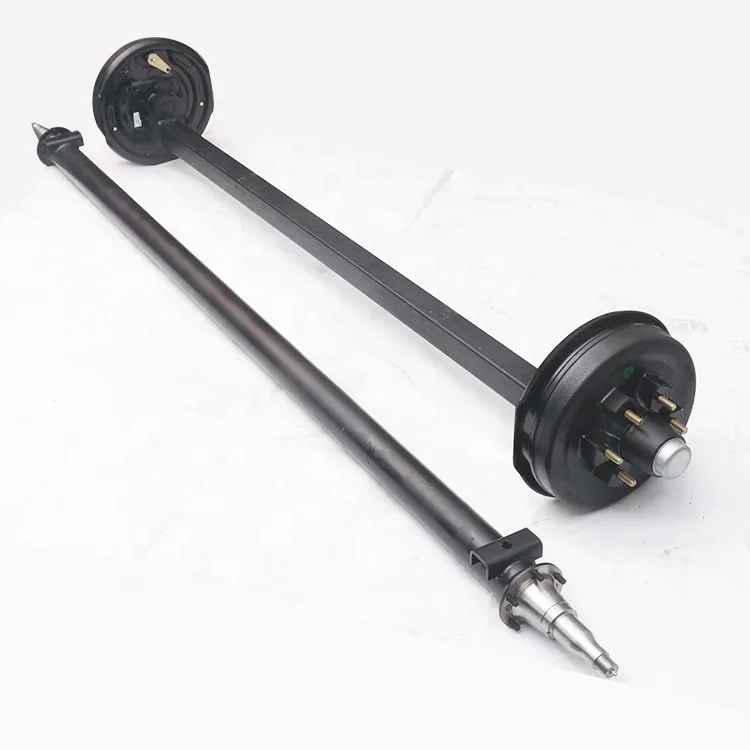
| HDT-34T | Tandem Trailer | 34,000 / 15,422 (per axle) | Sealed Cartridge Unit | Air Disc Standard | N/A | Rectangular Steel Tube |
| Model Code | Application | Max Torque Capacity (Nm) | Suspension Mounting | Differential Lock | Plated Protection | Sealing Rating |
|---|---|---|---|---|---|---|
| SOV-1A | Agricultural Tractors | 18,000 | 4-Link, Torque Rod | Mechanical 100% Lock Standard | Zinc-Nickel Alloy | IP69K (Pressure Wash Proof) |
| SOV-2F | Forestry Forwarders | 25,000 | Oscillating Central Joint | Hydraulic Multi-Disc | Two-Layer Epoxy + Wax | IP67 (Submersion Protected) |
| SOV-3M | Mining Equipment (LHD) | 40,000+ | Rigid, Planetary Hub | Forced Engagement, Air Actuated | Hard-Chrome Plating on Shafts | Pressurized Housing |
Beyond basic specifications, several engineered features determine real-world reliability.
Q: How often should the axle lubricant (gear oil) be changed in a heavy-duty truck?
A: Service intervals vary significantly based on the axle model, duty cycle, and manufacturer's specification. For on-highway trucks under normal load, a typical interval is between 250,000 to 500,000 miles or 5,000 operating hours. However, severe service conditions—such as constant stop-and-go, extreme temperatures, or frequent water immersion—mandate much more frequent changes, potentially every 50,000 miles or annually. Always consult the official Raydafon Group service manual for the specific axle model. Using the correct API classification (e.g., API GL-5) and viscosity grade is non-negotiable for warranty and longevity.
Q: What are the primary signs of a failing or worn axle component?
A: Early detection is key to preventing catastrophic failure. Key warning signs include: 1) Unusual Noises: A loud "clunk" during gear engagement or a consistent humming/whirring sound that changes with vehicle speed often points to worn differential or pinion bearings. 2) Fluid Leaks: Persistent oil seepage from axle seals or the differential cover indicates compromised seals. 3) Vibration: Vibrations felt through the vehicle floor, especially under acceleration, can signal a bent axle shaft or improper driveline angles post-installation. 4) Performance Issues: A noticeable loss of power transfer efficiency or a binding sensation during turns may indicate issues with the differential or axle shafts.
Q: What is the difference between a full-floating and a semi-floating axle?
A: This is a fundamental design distinction with major implications for load capacity and serviceability. In a Full-Floating Axle (standard on most medium and heavy-duty trucks), the wheel hub is mounted directly to the axle housing via large bearings. The axle shaft's sole function is to transmit torque; it does not bear the vehicle's weight. If an axle shaft breaks, the wheel remains attached. In a Semi-Floating Axle (common in lighter trucks and passenger vehicles), the axle shaft bears the vehicle's weight and transmits torque. The wheel is bolted directly to the axle shaft. A broken shaft here results in immediate wheel detachment. Full-floating designs are vastly superior for heavy-load and safety-critical applications.
Q: Can I upgrade my existing axle to a higher load capacity model from Raydafon Group?
A: While upgrades are possible, they are not simple "bolt-on" procedures and require a comprehensive system review. Upgrading an axle involves matching the new unit's GAWR to your vehicle's Gross Vehicle Weight Rating (GVWR), ensuring physical mounting points (spring pads, shock brackets, brake lines) are compatible, and verifying that the driveline (propeller shaft length, U-joint size) and braking system (air chamber size, slack adjuster type) are correctly matched. We strongly recommend a full engineering assessment conducted by a certified technician or direct consultation with Raydafon Group's technical support team to ensure a safe, reliable, and compliant upgrade.
Q: How does the Raydafon Group ensure the durability of its axles in corrosive environments?
A: Corrosion protection is a multi-stage process integral to our manufacturing. It typically involves: 1) Surface Preparation: Axle housings undergo abrasive blasting to achieve a perfectly clean, profiled surface. 2) Electrocoating (E-Coat): Components are immersed in a charged paint bath, ensuring a uniform, high-adhesion primer coat even in recessed areas. 3) Powder Coating: A durable, heat-cured powder coat is applied for excellent chip and UV resistance. 4) Component-Specific Plating: Critical fasteners and axle shafts may receive additional treatments like zinc-nickel plating or hard chrome for ultimate wear and corrosion resistance. This layered defense is standard across our product line.
Q: What documentation and support accompany a Raydafon Group axle purchase?
A> Every Raydafon Group axle is delivered with a comprehensive package: a detailed installation and torque specification sheet, a full parts breakdown diagram, a warranty registration card, and access to our online technical portal. The portal hosts digital service manuals, 3D CAD models for integration planning, and a library of maintenance videos. Furthermore, our global distributor network provides localized parts inventory and expert technical support for the operational life of the product.

 Raydafon